

Plant & Soil Monitoring
Compare plant and soil monitoring tools by the conditions they measure, how readings are displayed, and where each device fits in your growing setup.
179 products in catalog
179 results
Filters

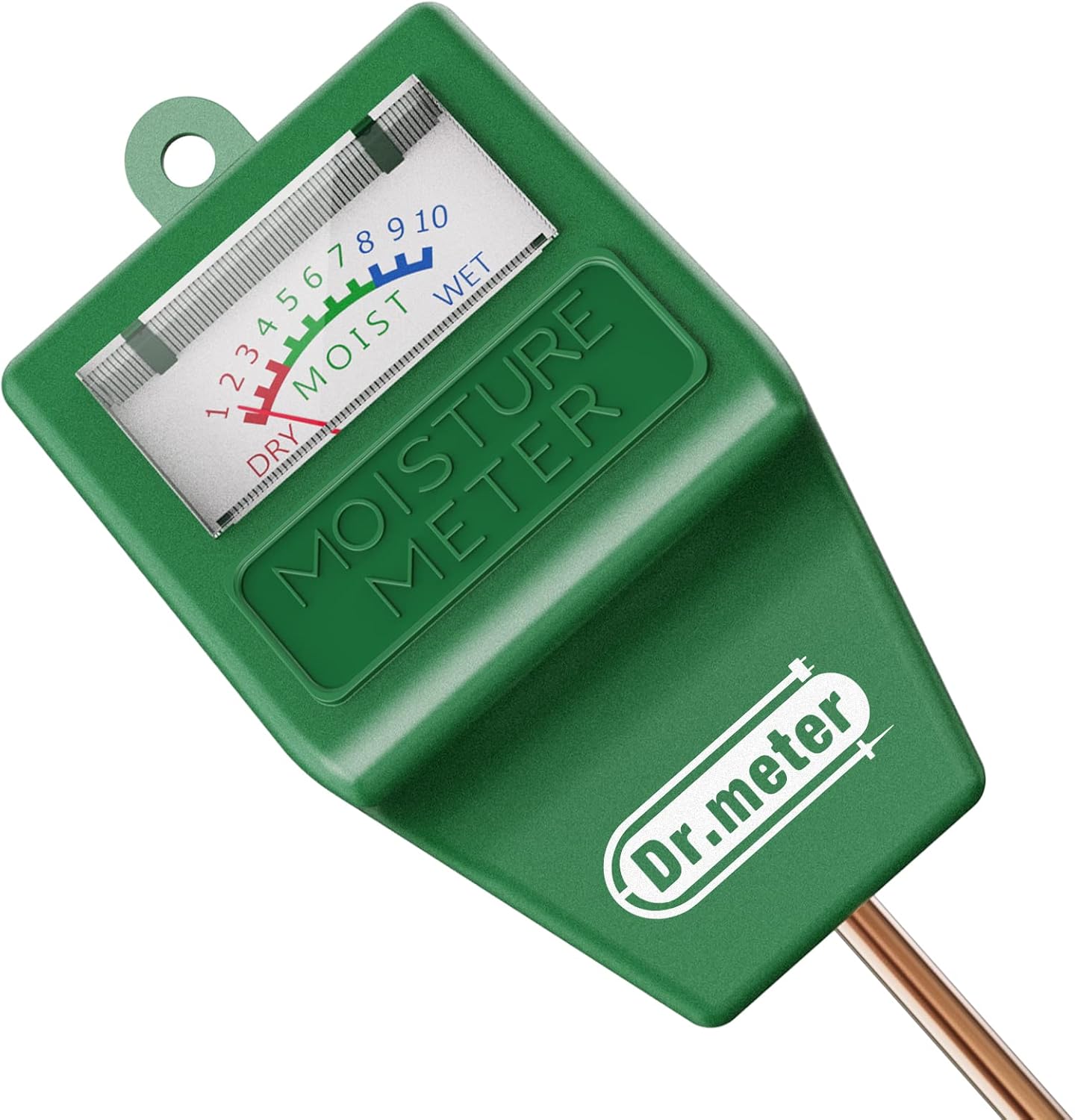

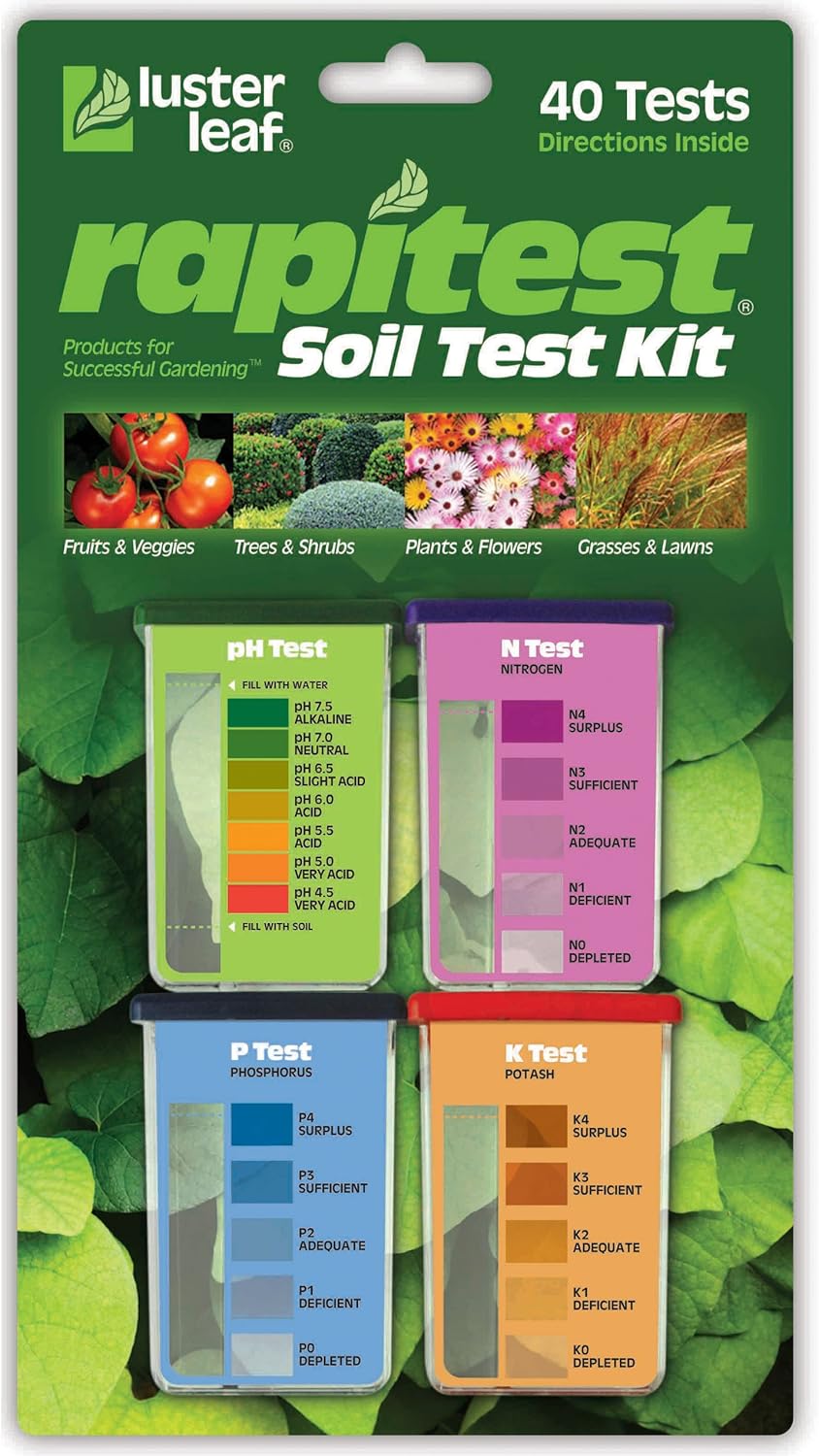
Luster Leaf
Luster Leaf 1601 Rapitest Test Kit for Soil pH, Nitrogen, Phosphorous and Potash, 1 Pack
See current price




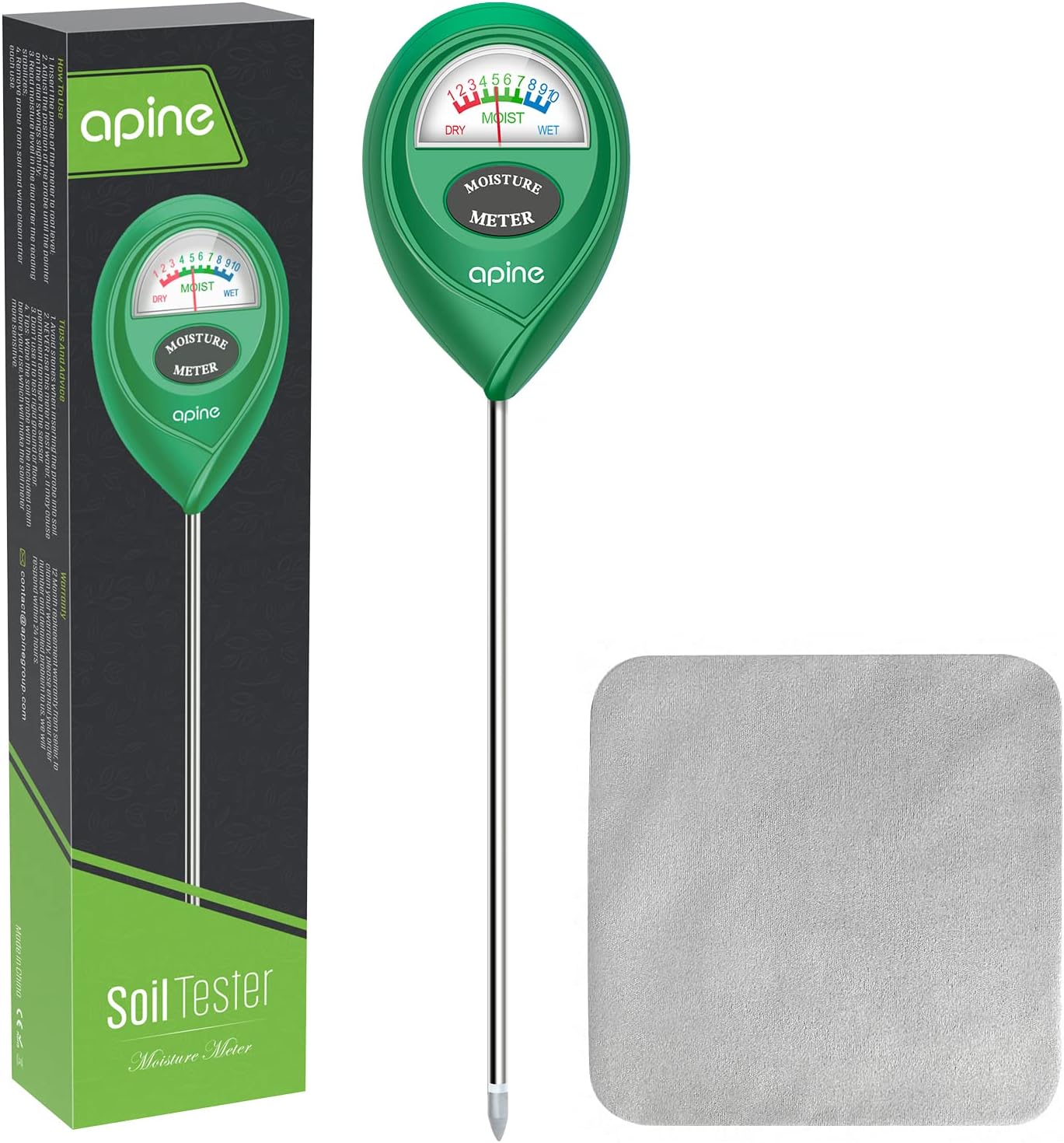

Predictive Nutrient Solutions, Inc
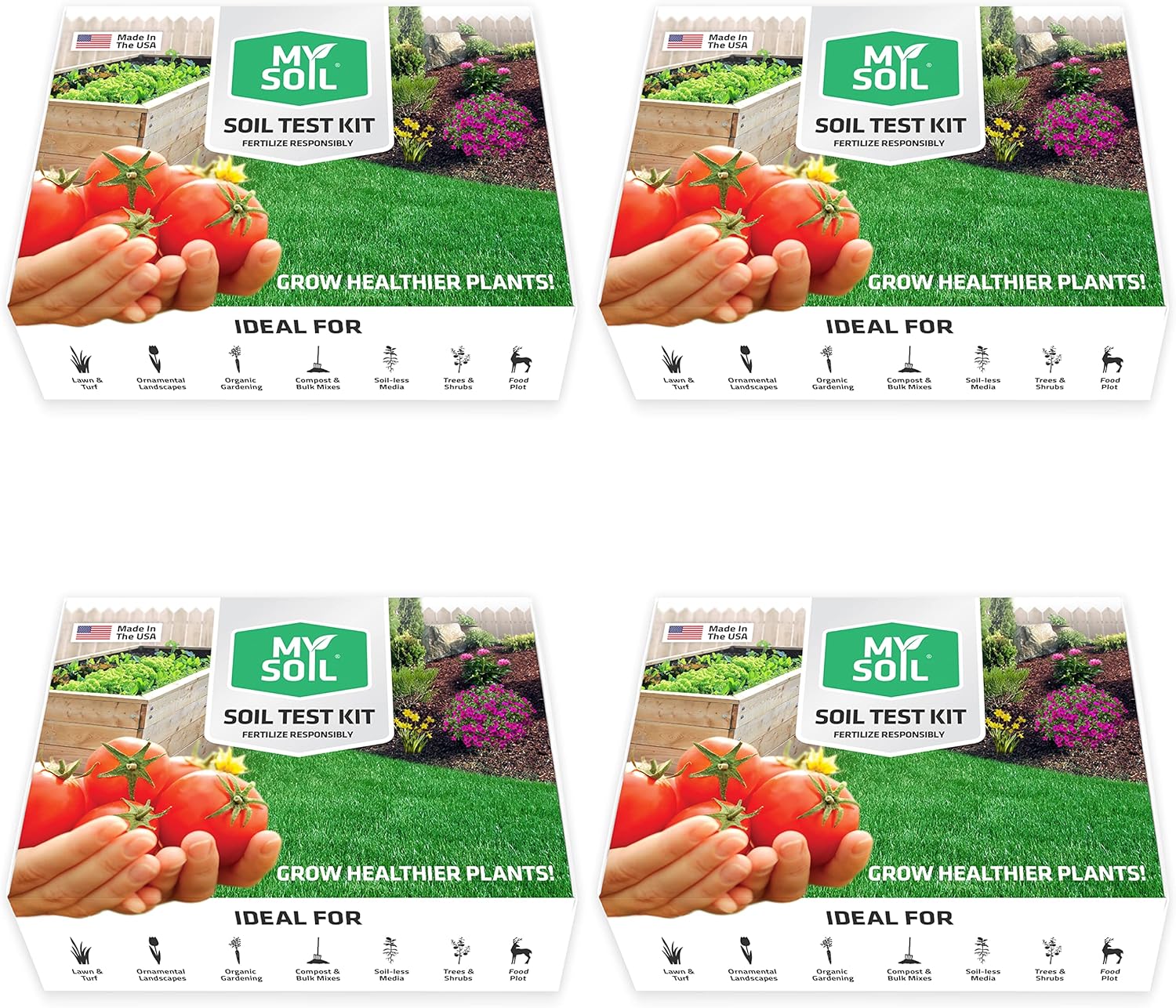
MySoil - Soil Test Kit 4 Pack | Grow The Best Lawn & Garden | Complete & Accurate Nutrient and pH Analysis with Recommendations Tailored to Your Soil and Plant Needs
See current price




Botaniworld, LLC
Garden Tutor Soil pH Test Kit (3.5-9 Range) | 100 Soil pH Test Strips
See current price

New Resources Group
Indoor/Outdoor Moisture Sensor Meter with Full Color Instruction Card, Soil Water Monitor, Plant Care, Garden,Lawn
See current price


Popular brands in Plant & Soil Monitoring
Plant and soil monitoring tools help gardeners understand growing conditions instead of relying only on the appearance of leaves or the surface of the soil. Depending on the product, a monitor may measure moisture, light, soil acidity, temperature, or several of these conditions together.
K-Catalog brings together plant and soil monitoring products for houseplants, container gardens, seed starting, raised beds, and outdoor planting areas. Use the available specifications and features to compare how each option works before clicking through to check current details on Amazon.
How to choose a plant and soil monitor
Start with the information you actually need. A simple moisture meter may be enough for checking whether a container needs water, while a multipurpose device can be more useful when light exposure, temperature, or soil pH also affects plant performance.
Consider these questions:
- What will you monitor? Choose between moisture-only tools, meters that assess several conditions, and test kits intended for more specific measurements.
- Where will you use it? Indoor pots, balconies, garden beds, and greenhouse areas can call for different sizes, probe styles, or display arrangements.
- How often will you check readings? A handheld meter suits occasional checks, while a sensor designed for ongoing monitoring may fit plants that need regular observation.
- How do you prefer to read results? Compare built-in displays, simple indicator scales, app-connected systems, and other formats listed in the product specifications.
Common types of monitoring tools
Although this category has no listed subcategories, products can still be compared by their measurement method and intended use.
Moisture meters use a probe or sensor to help estimate how damp the growing medium is. They can be useful for avoiding a routine watering schedule when different pots dry at different rates. Check whether the product is designed for a single reading or continued monitoring.
Light meters and light sensors help compare the brightness available near a plant. They may be helpful when placing houseplants, starting seedlings, or deciding whether a location receives enough usable light. Look for the measurement units and display details provided by the manufacturer.
pH testing tools are intended for checking soil acidity or alkalinity. pH can matter for plants with particular growing preferences, so compare the testing process, sample requirements, and stated measurement range.
Temperature monitors can help track conditions around seedlings, indoor plants, or protected growing spaces. Compare whether the product measures the surrounding air, the soil, or both.
Combination monitors bring multiple readings into one tool. They may reduce the need to switch between devices, but review which measurements are included and how each reading is obtained rather than assuming every combination meter measures the same conditions.
Features and specifications to compare
The probe design is important for both convenience and plant safety. Compare probe length, probe material, and any guidance about inserting the device into different growing media. A compact probe may suit small pots, while larger containers or beds may require a different reach.
Also check the power and display specifications. Some products may operate without batteries, while electronic models can require a battery or another power source. Compare screen readability, indicator style, automatic shutoff, and whether readings are shown continuously or only after activation.
For multi-function products, check the exact list of measurements rather than relying on the product name. If accuracy or repeatability is important for your gardening routine, review the manufacturer’s stated specifications, calibration requirements, and care instructions.
Matching monitoring tools to your setup
For houseplants and small containers, a compact handheld meter can make it easier to check individual pots without rearranging the room. Pair monitoring with suitable Pots, Planters & Container Accessories and the right growing medium from Soils, Mulches & Planting Media.
For a vegetable garden or raised bed, consider how many locations need checking and whether a portable tool or ongoing sensor is more practical. Monitoring is most useful when readings can guide a broader routine that includes appropriate Watering Equipment and suitable Plants, Seeds & Bulbs.
Seedlings and propagation setups may benefit from tools that help track conditions in a protected environment. If your growing area includes controlled heat or humidity, compare monitoring products alongside Greenhouses & Plant Germination Equipment.
Brands represented in the catalog
The catalog includes plant and soil monitoring products from Luster Leaf, Dr.meter, SONKIR, apine, Trazon, MoonCity, Atree, Hathdia, Cabinotier Co. Ltd., IPPINKA, Gouevn, and BeFirst. Treat brand as one comparison point, then review the individual product’s measurements, operating method, power requirements, and included accessories.
Practical use and care tips
Take readings in several locations when a container or bed has uneven moisture. Avoid treating one measurement as a complete diagnosis: plant species, pot size, drainage, recent watering, light, and temperature can all affect plant condition.
Clean and store probes according to the product instructions, especially when moving between different soils or testing materials. Do not force a probe into hard, rocky, or heavily compacted soil. For plants with delicate roots, use the least disruptive method available and rely on the manufacturer’s instructions for safe placement.
For related gardening supplies, Hand Tools can help with planting and soil maintenance, while the broader Gardening & Lawn Care category provides additional equipment for the rest of your setup.
Frequently asked questions
What does a plant and soil monitor measure?
Depending on the product, it may measure soil moisture, light, pH, temperature, or a combination of these conditions. Check the specifications for the exact functions.
Is a moisture meter useful for every plant?
It can provide an additional reference for watering, but plants have different moisture preferences. Use the reading alongside the plant’s care requirements and the condition of the growing medium.
Should I choose a single-function or multipurpose monitor?
Choose a single-function tool when you need one clear measurement. A multipurpose model may suit gardeners who want several readings in one device, provided its display and testing method meet your needs.
Can one monitor be used indoors and outdoors?
That depends on the product’s construction and stated use. Check the specifications for indoor or outdoor suitability, weather exposure guidance, and storage requirements.
How should I compare electronic monitoring products?
Review the measured conditions, power source, display, sensor or probe design, operating range, calibration guidance, and included accessories before choosing.