

Plugs: Compare Electrical Plug Types and Features
Compare electrical plugs by connector style, compatibility, electrical ratings, construction and intended use. Review specifications carefully before choosing a replacement or accessory.
188 products in catalog
188 results
Filters


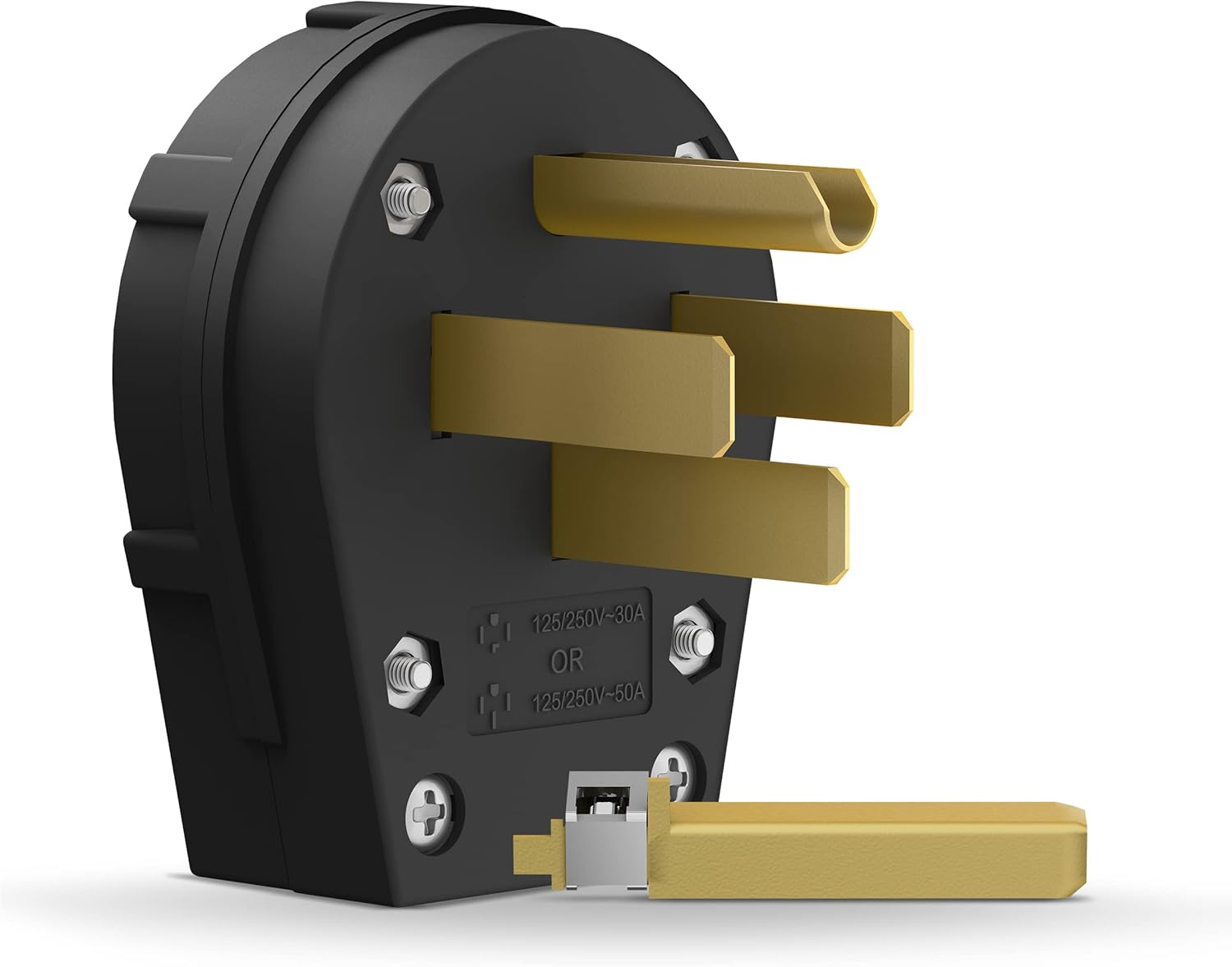




Pass & Seymour
Legrand - Pass & Seymour 15-Amp, Commercial-Grade, Heavy-Duty Angle Plug, White
See current price
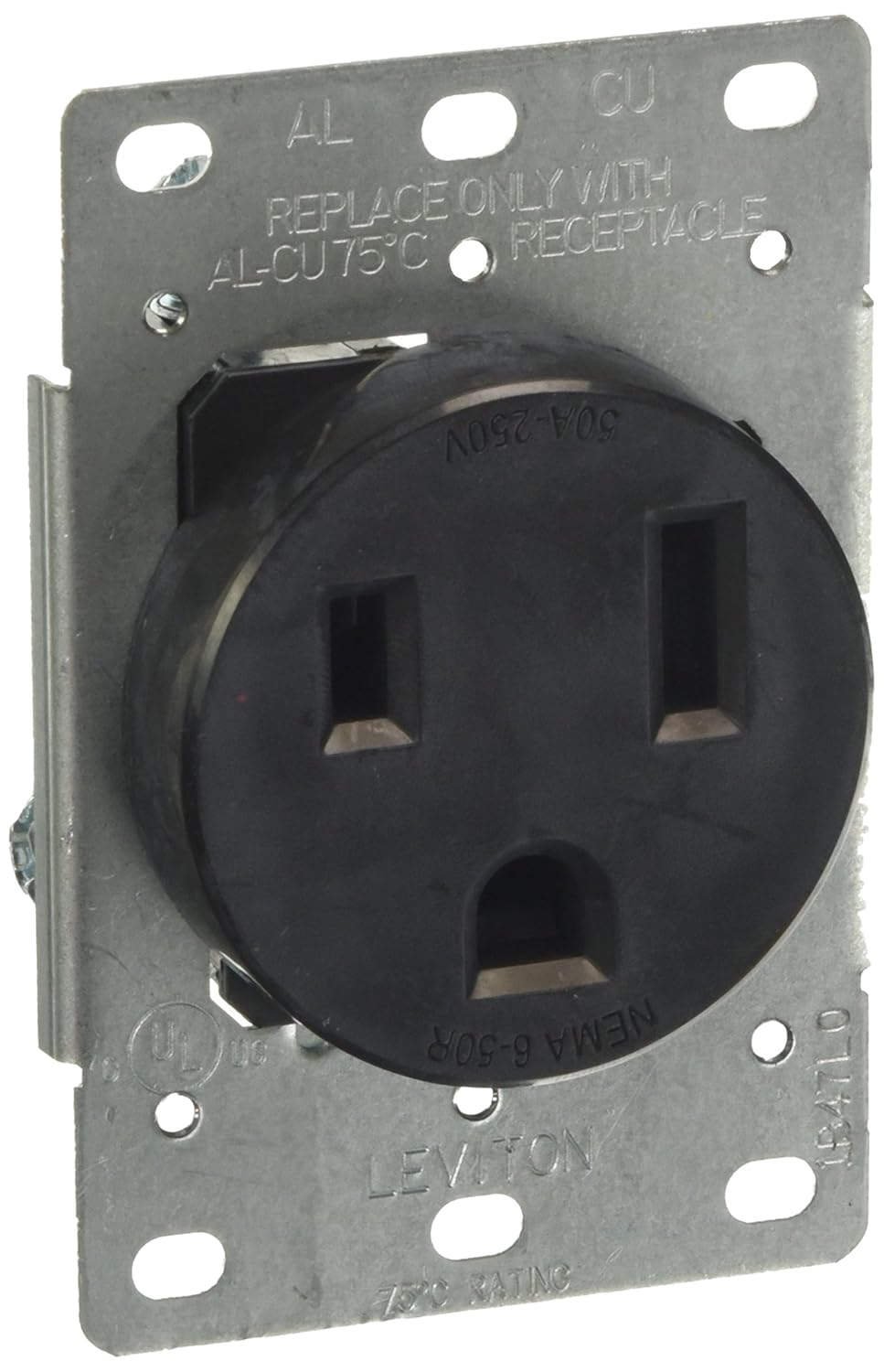


Popular brands in Plugs
Plugs connect electrical equipment to a power source, but the right choice depends on more than appearance. Connector configuration, electrical capacity, grounding, housing design and installation method all affect compatibility and safe use.
K-Catalog helps shoppers compare plug specifications from brands represented in the catalog, then click through to Amazon to check the current price and purchase details. For broader electrical components, browse Electrical.
How to choose a plug
Start by identifying what the plug needs to connect to and how it will be used. A replacement plug for a cord, an adapter for a specific connection and a smart plug for app-based control serve different purposes. Check the existing plug, equipment documentation and the outlet before comparing products.
Important questions include:
- Is the plug intended for indoor, outdoor, household or specialty use?
- Does its connector pattern match the outlet or equipment?
- Does its voltage and amperage capacity suit the connected load?
- Is grounding required for the appliance or installation?
- Will the plug be installed on a cord, or inserted directly into an outlet?
- Does the housing provide the durability and strain relief the application needs?
If a plug is replacing a damaged component, match the original electrical and connector specifications rather than choosing only by appearance.
Common plug types and uses
The catalog may include several kinds of products under the Plugs category. Understanding the general differences can make specification comparisons easier.
Replacement cord plugs
These plugs attach to a compatible electrical cord and can be useful when repairing or configuring certain corded equipment. Compare the wiring method, terminal layout, cord compatibility, grounding arrangement and housing design. Installation should follow the product instructions and applicable electrical requirements.
Plug-in adapters
Adapters are designed to change how a connection interfaces with an outlet, cord or device. Confirm that an adapter changes only the connector format you need and does not alter electrical requirements. An adapter is not a substitute for a power converter unless the product specifically provides that function.
For related extension and connection products, see Cords, Adapters & Multi-Outlets.
Smart plugs
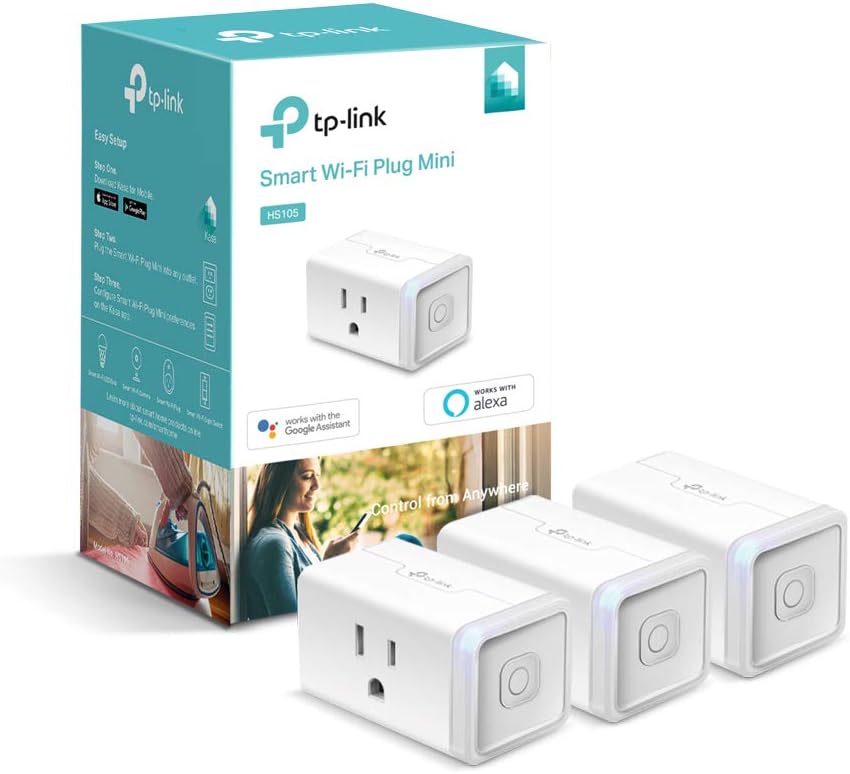
Smart plugs add control features to compatible lamps or appliances. Compare the control method, network compatibility, setup requirements, load limits and whether local or remote operation is supported. A smart plug still needs to be electrically compatible with the connected device and should not be used with equipment the manufacturer excludes.
Specifications worth comparing
Product titles can look similar, so the specification panel deserves close attention. Compare:
- Electrical rating: Check voltage, amperage and wattage information against the intended load.
- Connector configuration: Confirm the blade arrangement, grounding contact and fit for the target outlet.
- Wiring and terminals: For replacement plugs, review how conductors attach and whether the design accommodates the cord type.
- Construction: Look at housing material, insulation, strain relief and resistance to wear or impact.
- Installation format: Determine whether the plug is screw-on, clamp-style, molded, direct-insert or designed for another method.
- Environment: Verify whether the product is intended for dry locations, damp areas or outdoor use.
- Controls and connectivity: For smart models, compare app support, wireless requirements and compatibility with the intended home setup.
Do not assume that plugs with similar shapes have identical electrical capabilities. Matching the configuration and rating is especially important when replacing a component or connecting a higher-load appliance.
Brands represented in the catalog
Brands represented in this catalog include Leviton, Journeyman-Pro, Pass & Seymour, ELEGRP, Aweking, ENERLITES, WeMo, Miady, Eaton, Frienda, HLO Lighting and TP-Link. Availability and product selection can vary, so compare the specifications of each individual listing rather than choosing by brand name alone.
Some brands may be associated with traditional electrical components, while others may appear on connected or accessory products. The product page remains the best place to verify compatibility, included parts and installation details.
Installation and safety tips
Turn off power before working on a cord or electrical connection, and verify that the circuit is de-energized with an appropriate method. Follow the manufacturer’s wiring instructions, preserve grounding where required and avoid using a plug with damaged insulation, loose contacts or an unsuitable cord.
For uncertain wiring, unusual equipment or building electrical work, consult a qualified electrician. A Tester can be useful for checking electrical conditions, while Outlets & Accessories may help when the outlet itself is part of the project. Related items such as Switches & Dimmers and Wall Plates & Accessories address other parts of an electrical installation.
Frequently asked questions
How do I know whether a plug will fit my outlet?
Compare the connector pattern, blade orientation, grounding contact and electrical rating with the outlet. Physical fit alone does not confirm electrical compatibility.
Can I use any replacement plug on an existing cord?
No. The replacement must match the cord type, conductor arrangement, grounding requirements and electrical load. Follow the installation instructions for the specific product.
Are smart plugs suitable for every appliance?
No. Check the smart plug’s load capacity, supported device types and manufacturer restrictions. Appliances with motors, heating elements or specialized controls may require particular compatibility considerations.
What does grounding mean for a plug?
Grounding provides a path intended to help protect against electrical faults when the equipment and installation are designed for it. Preserve the grounding connection when the appliance and plug require one.
When should an electrician install a plug?
Contact a qualified electrician when wiring is unfamiliar, the circuit has unusual requirements, the plug is part of a permanent installation or there is any uncertainty about safe connection.