

Portable & Handheld TVs
Compare portable and handheld TVs by display, power options, connectivity, and reception. Use the catalog to find a model that suits travel, compact spaces, or flexible viewing.
23 products in catalog
23 results
Filters
Availability
Brand
Price

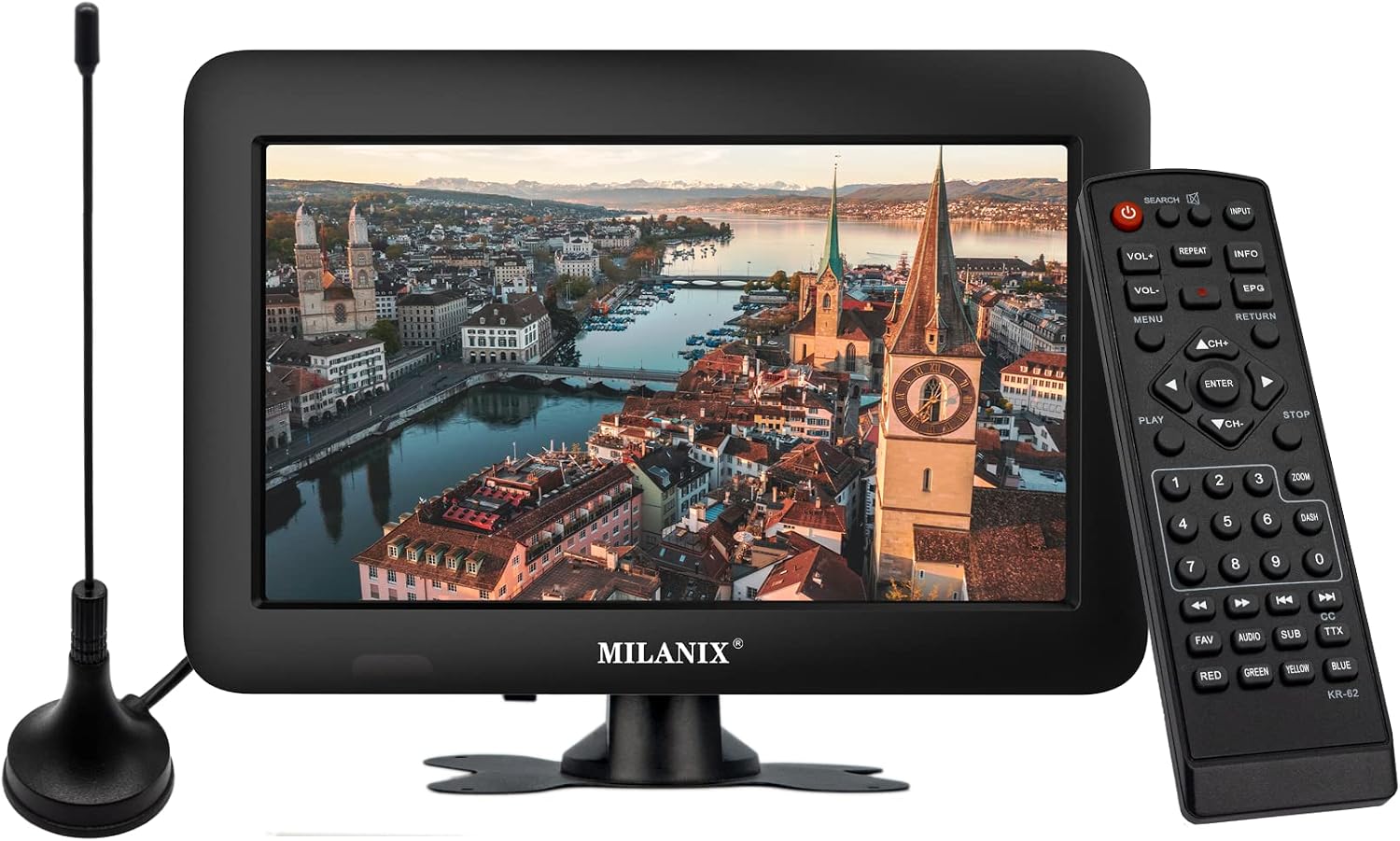


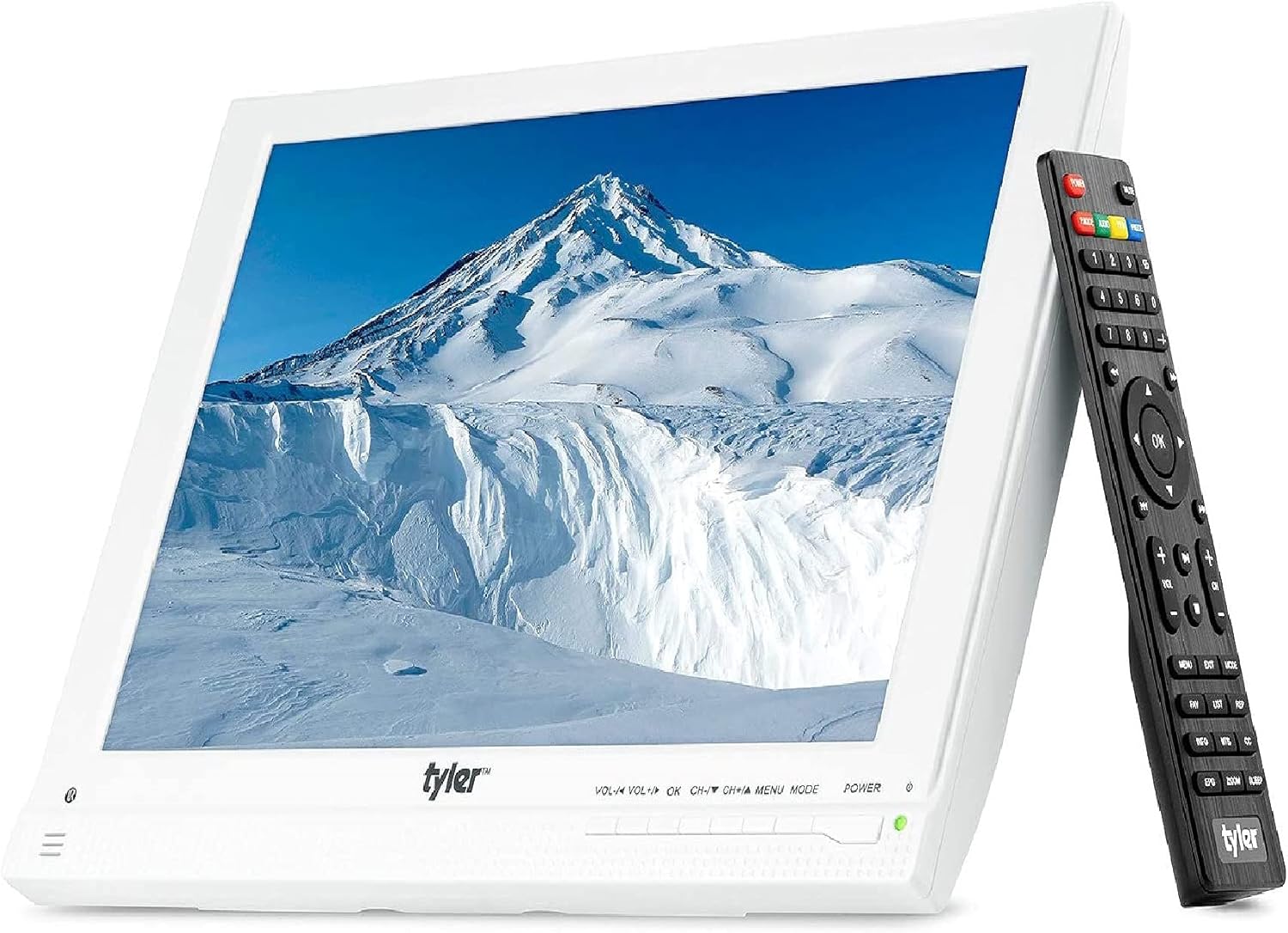

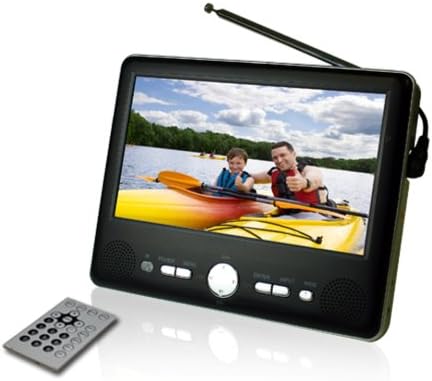
Axion
Axion AXN-8701 7-Inch Widescreen Handheld LCD TV with Built-In Tuner, Black (2009 Model)
See current price


Digital Prism
Digital Prism 7" ATSC-710 Portable Handheld Widescreen LCD Digital HDTV - 16:9 NTSC/ATSC Tuners w/Car Adapter (Black)
See current price

Digital Prism
Digital Prism 7" ATSC-710 Portable Handheld Widescreen LCD Digital HDTV - 16:9 NTSC/ATSC Tuners w/Car Adapter (Black)
See current price


Supersonic
Supersonic SC-1311 White 13.3-Inch LED Widescreen HDTV 1080p Television with HDMI Input
See current price


Popular brands in Portable & Handheld TVs
Portable and handheld TVs provide a flexible way to watch television away from a full-size home setup. They can suit travel, small rooms, outdoor use, emergency preparedness, or anyone who wants a secondary screen that is easy to move.
The right choice depends on more than screen size. Compare how a TV receives content, how it is powered, which inputs it supports, and whether its physical design fits the way you plan to use it.
How to choose a portable or handheld TV
Start with your viewing environment. A compact handheld model may be convenient for personal viewing, while a larger portable design can be easier to see from farther away. Consider where the TV will be used and how often it will be carried before prioritizing display size.
Important questions include:
- How will you watch? Check whether the model is designed for broadcast reception, connected devices, or both.
- Where will it be used? Look for a practical balance of portability, screen visibility, and durability for travel or occasional use.
- How will it receive power? Compare battery operation, wall power, vehicle power, or other supported options according to your setup.
- What will you connect? Review the available ports and inputs if you plan to use media players, antennas, headphones, or other equipment.
- How will you control it? Buttons, a remote, menus, and included accessories can affect everyday convenience.
Portable TV types and use cases
There are no listed subcategories within this catalog section, so compare individual products by their intended use and specifications. Portable TVs generally fall into a few practical groups.
Handheld personal TVs are designed for close viewing and easy carrying. They may work well for a kitchen counter, bedside table, commute, or travel bag when compact size matters most.
Compact portable TVs offer a more traditional viewing experience while remaining easier to relocate than a standard television. They can be useful in guest rooms, recreational vehicles, dorms, workshops, or as a backup screen.
Multi-purpose portable displays may be a better fit when you want to connect external devices in addition to watching television. Pay close attention to supported inputs and signal requirements rather than assuming every portable model works with every source.
For adjacent equipment, browse Portable Speakers & Docks, MP3 & MP4 Players, or Radios. These categories may help build a broader portable entertainment setup.
Specifications and features to compare
Display: Compare the screen format, resolution, brightness, viewing angle, and controls for adjusting the picture. A display that looks suitable indoors may be harder to see in bright outdoor conditions.
Reception: Check the type of tuner or signal support and whether an antenna or other receiving hardware is included. Reception depends on location, signal availability, and setup, so product specifications should guide expectations.
Power: Battery details matter for mobile use, but also consider charging methods and whether the TV can operate from household or vehicle power. A model with several power options may be more adaptable for travel.
Connections: Review ports for external media sources, headphones, antennas, and charging. Confirm that the connection type matches the devices you already own.
Sound: Built-in speakers may be sufficient for personal or quiet-room viewing. Headphone support can be useful when you want to watch without disturbing other people.
Physical design: Check dimensions, weight, controls, stands, carrying features, and included accessories. These details often matter more than a long feature list when the TV will be moved frequently.
Brands represented in the catalog
The catalog includes portable and handheld TVs from Supersonic, Tyler, MILANIX, Digital Prism, GJY, ZOSHING, Haier, RCA, Axion, Axess, tyler-products, and Pyle. Treat brand as one comparison point, then review the specifications for the specific product because features and supported connections can vary across a brand’s catalog.
For other portable electronics, related sections include CB & Two-Way Radios, Digital Voice Recorders, and MP3 & MP4 Player Accessories. You can also explore the broader Portable Audio & Video category.
Practical buying tips
Before choosing, make a short list of the content sources you plan to use and the places where the TV will operate. Confirm compatibility rather than relying on general product descriptions. If the TV will travel, compare its packed size, power accessories, and protection during transport.
For home use, measure the available space and check how the screen will be positioned. For vehicle or outdoor use, verify the required power arrangement and consider how signal reception may change between locations. Keep charging equipment together and follow the manufacturer’s guidance for batteries, ventilation, and storage.
Frequently asked questions
What is a portable TV used for?
A portable TV is useful for travel, compact rooms, secondary viewing, recreational spaces, or situations where a full-size television is inconvenient.
How do portable TVs receive content?
Depending on the model, content may come through broadcast reception, an antenna, connected media equipment, or a combination of supported sources. Check each product’s specifications.
Can a portable TV run without wall power?
Some models support battery or vehicle operation, while others may require an outlet. Compare the listed power options before buying for mobile use.
What should I check for outdoor viewing?
Prioritize screen visibility, power flexibility, physical portability, and reception in the locations where you expect to use the TV. Bright conditions can affect how easily a display is seen.
Do portable TVs support headphones?
Some do, but headphone compatibility is product-specific. Review the listed audio connections and confirm they match your preferred headphones or adapter.
Are portable TVs suitable as a main television?
They can work as a primary screen in some small or mobile setups, but suitability depends on display size, reception, connectivity, sound, and your viewing distance.