
Niteangel
Niteangel Adjustable Soft Harness with Elastic Leash for Rabbits (M, Pink)
See current price

Compare collars, harnesses and leashes for small animals by fit, comfort, adjustability and intended use. Review product specifications and features to find equipment suited to your pet’s size and handling needs.
74 products in catalog
74 results
Niteangel
See current price


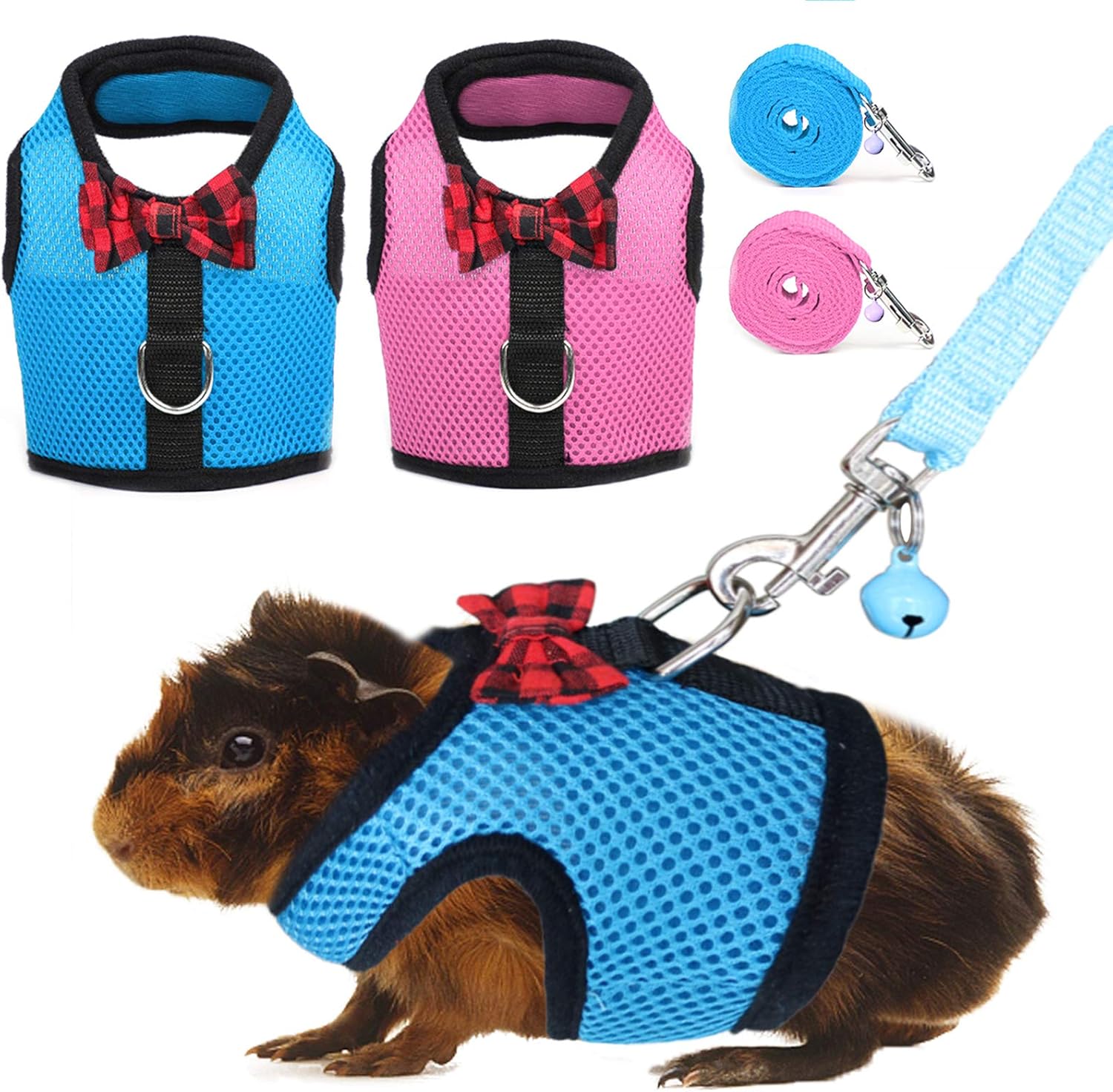
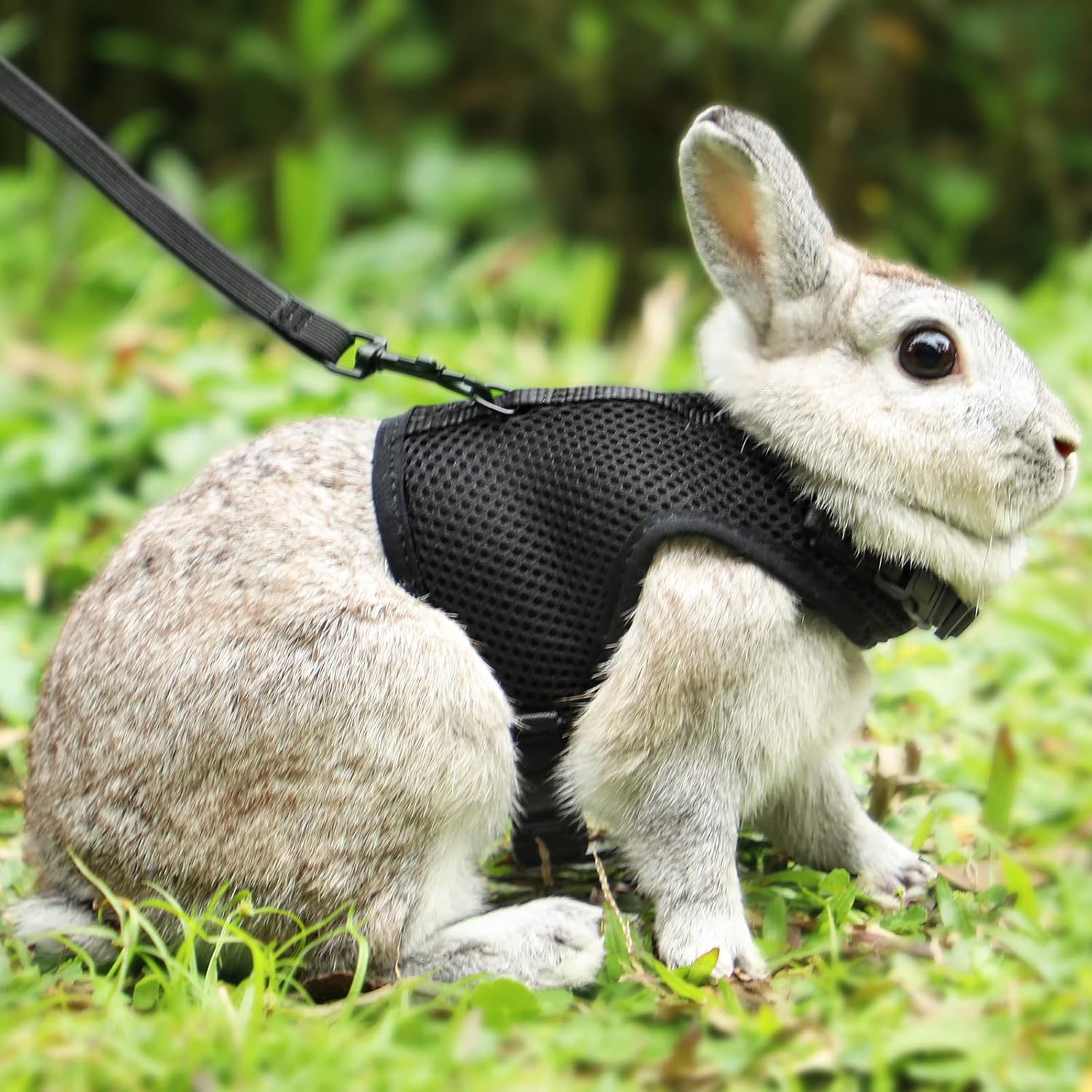


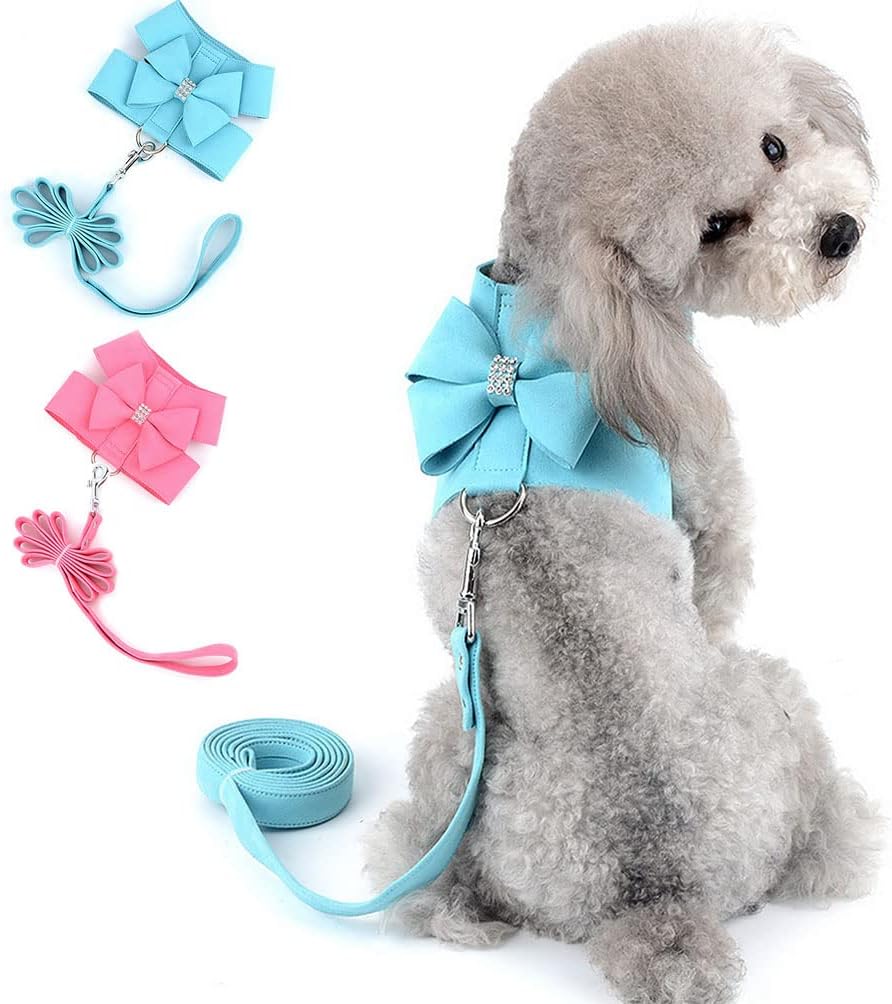

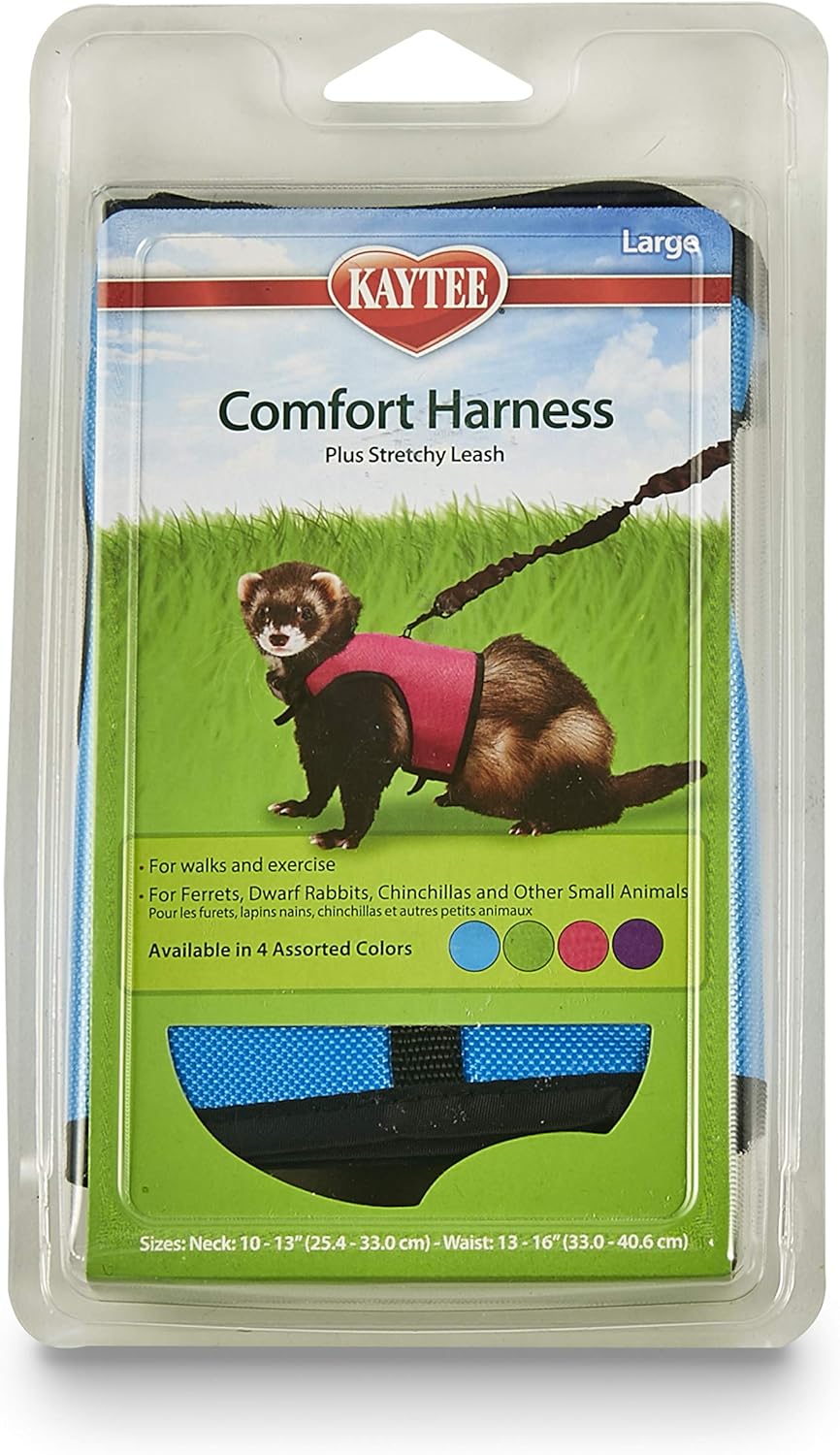


Niteangel
See current price

Niteangel
See current price


Choosing handling equipment for a small animal requires more than finding an attractive design. The right product should fit securely without restricting movement, rubbing the skin or placing unnecessary pressure on the neck or body. Use this catalog to compare listed specifications and features before selecting a collar, harness or leash.
Because small animals vary greatly in body shape, activity level and tolerance for handling, consider the animal’s size and temperament first. Equipment may be useful for supervised transport, controlled outdoor time, grooming or routine handling, but it should not replace a secure enclosure or attentive supervision. For additional habitat and care supplies, browse Small Animals.
Start with the way the item will be used. A product intended for brief handling may have different priorities from one used for supervised walks or outdoor exploration. Consider:
Measure according to the manufacturer’s instructions rather than choosing by species name alone. A small animal that is between sizes may need especially careful attention to adjustment and fit.
Collars can be useful for identification or brief, closely supervised handling when the design and fit are appropriate. They should never be adjusted so tightly that they interfere with breathing, swallowing or normal movement. A collar may not be suitable for every small animal, particularly those that can easily slip out or are sensitive around the neck.
Harnesses distribute contact across more of the body than a collar. They are often considered when a handler wants to reduce direct neck pressure, but a harness still needs to fit securely and allow normal movement. Watch for gaps that could let the animal escape as well as areas that may chafe under the front legs or around the chest.
Leashes provide a connection between the animal’s equipment and the handler. Compare attachment style, length, flexibility and the type of connector. A leash should be used with equipment designed to accept it, never as a substitute for a properly fitted harness or collar.
Product listings can differ in the details that matter most during everyday use. Check the available specifications for:
Avoid choosing equipment based only on color or appearance. A lightweight design may be preferable for some animals, while others may need a more structured fit. Always check the manufacturer’s sizing chart and product limitations.
The catalog includes products from Niteangel, SATINIOR, Wontee, PERSUPER, Weewooday, Sawyd, ADOGGYGO, CHERPET, Lewondr, POLKASTORE, Sayopin and SELMAI. Compare each listing on its own specifications, sizing information, materials and included components rather than assuming that products from one brand will fit the same way.
Introduce new equipment gradually in a familiar, calm setting. Let the animal inspect it before fastening, then check movement and comfort closely. Look for signs of rubbing, repeated attempts to escape, unusual stillness or distress, and remove the equipment if it appears unsuitable.
Use collars, harnesses and leashes only with direct supervision. Inspect seams, clips, buckles and attachment points regularly, especially after chewing, pulling or outdoor use. Keep equipment clean and fully dry before storage, and replace it if the material or hardware becomes damaged.
For a broader care setup, related Houses & Habitats, Toys, Food and Feeding & Watering Supplies categories can help organize other small-animal essentials.
It depends on the animal, its body shape and the intended use. A properly fitted harness may distribute contact more evenly, but any equipment should be introduced gradually and used under supervision.
It should be secure without restricting breathing, movement or circulation. Follow the listing’s measurement instructions and check for rubbing, gaps and escape points after fitting.
No. Check that the leash connector matches the harness attachment point and that the harness is designed for controlled leash use. Inspect the connection before each session.
Choose the correct size, adjust all available straps and test the fit in a safe indoor area first. Continue supervising because animals can find ways out of equipment that appears secure.
Inspect the fabric, stitching, buckles, clips and leash attachment for wear or damage. Confirm that closures are secure and that the equipment remains clean and comfortable.