

Spreaders for Lawn and Garden Care
Compare lawn and garden spreaders by application method, coverage, capacity, and control features. Use the listed specifications to find equipment suited to seeding, fertilizing, or distributing granular materials.
71 products in catalog
71 results
Filters
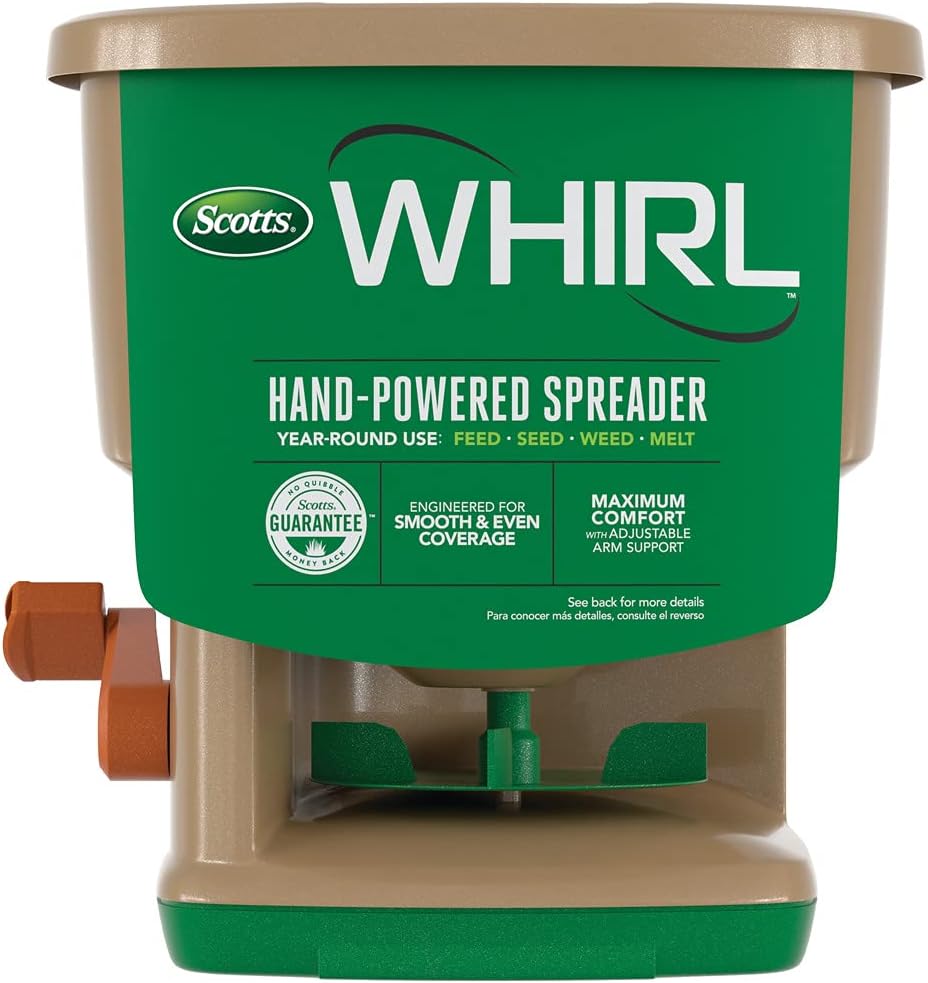

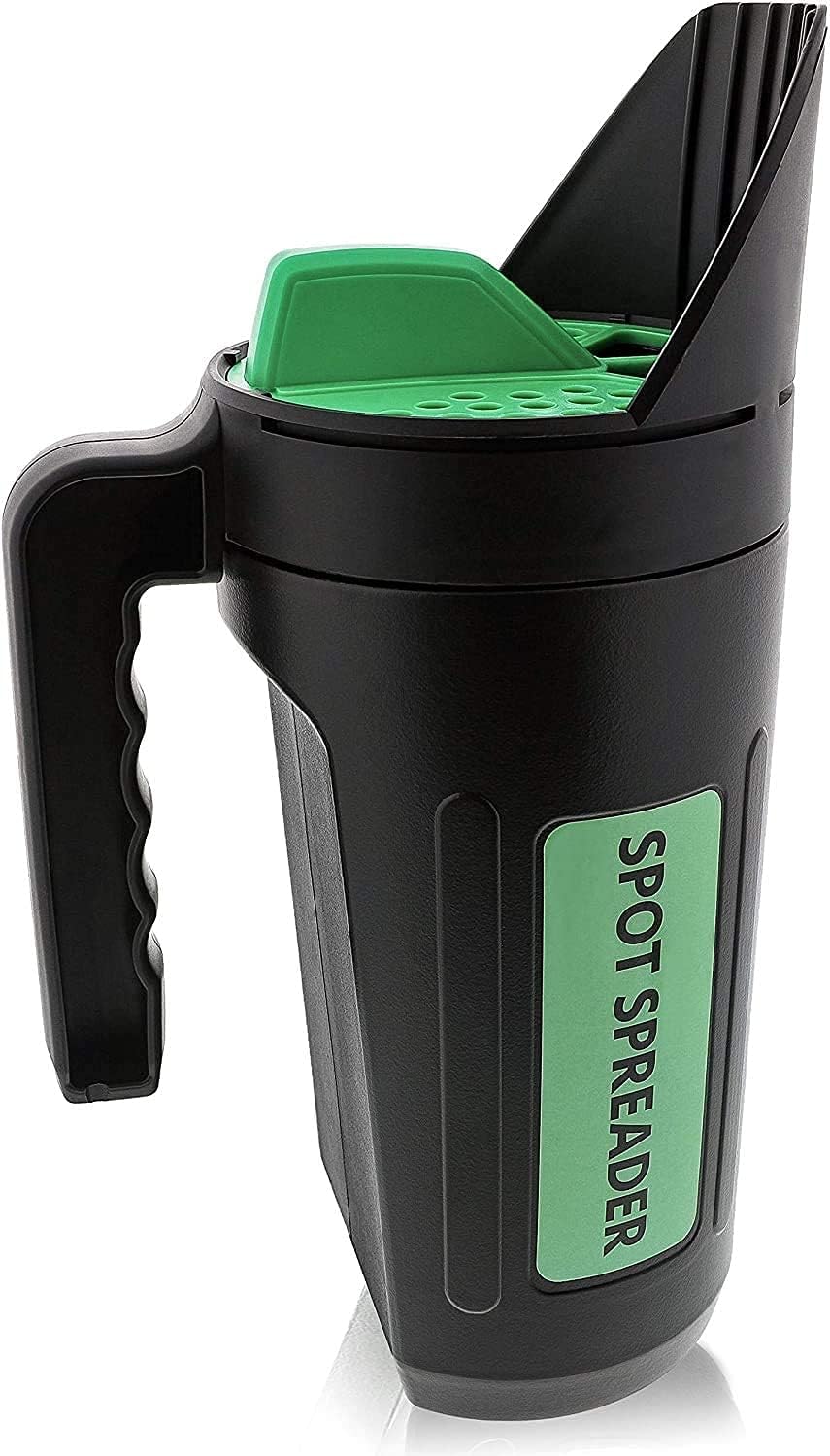


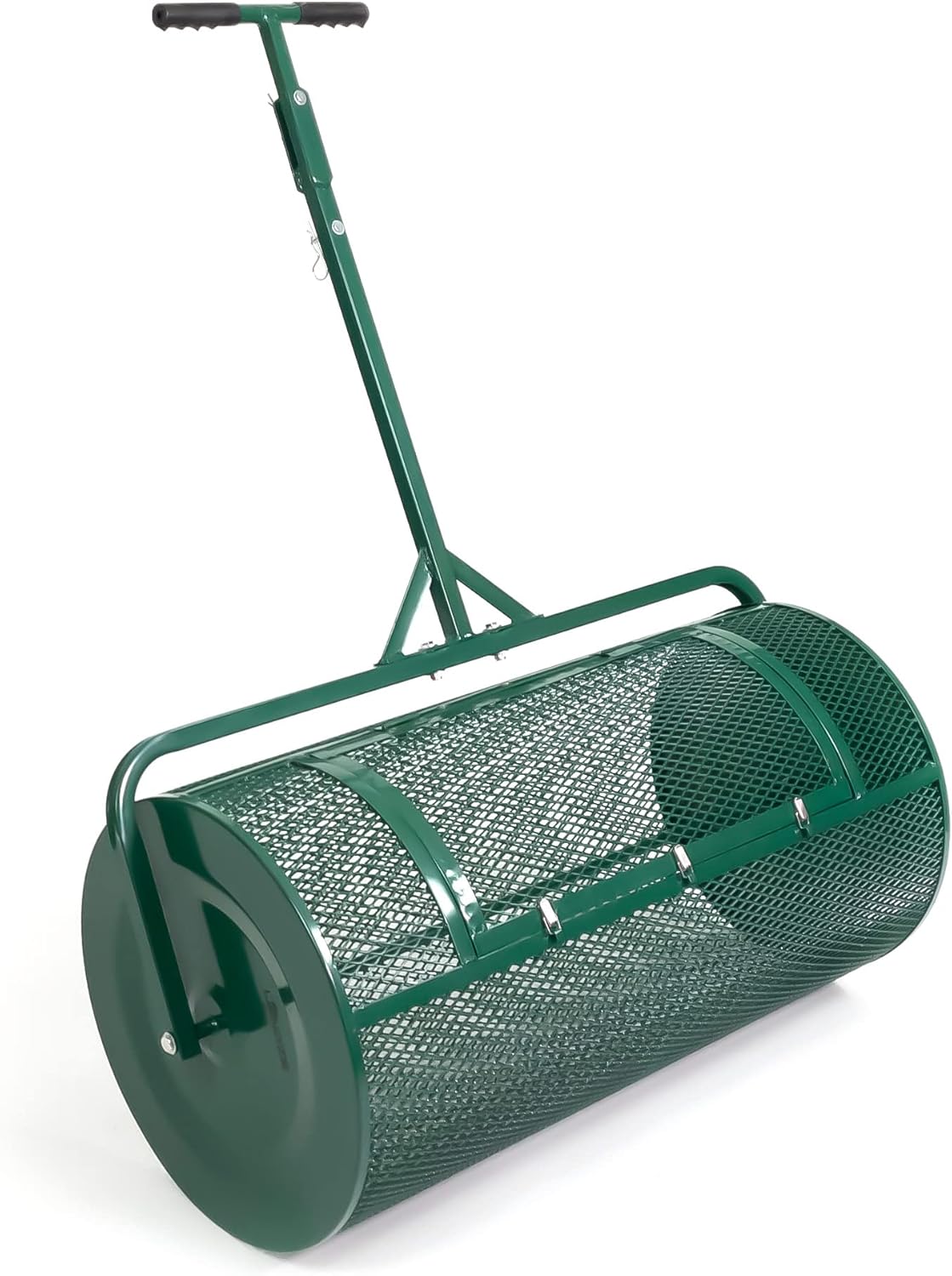


Agri-Fab
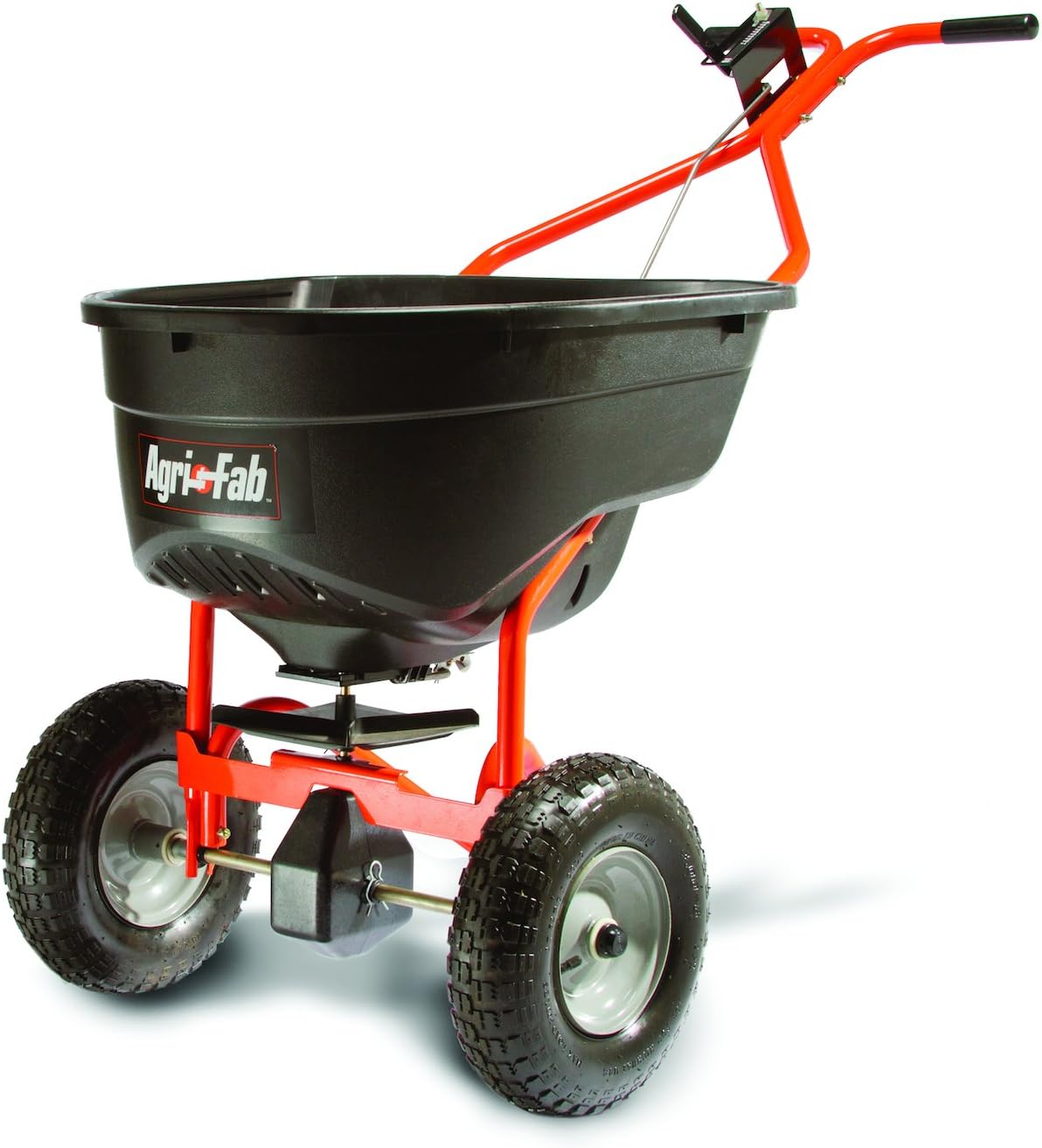
Agri-Fab 85 lb. Tow Broadcast Spreader 45-0530 85 lb. Tow Broadcast Spreader, One Size, Black
See current price
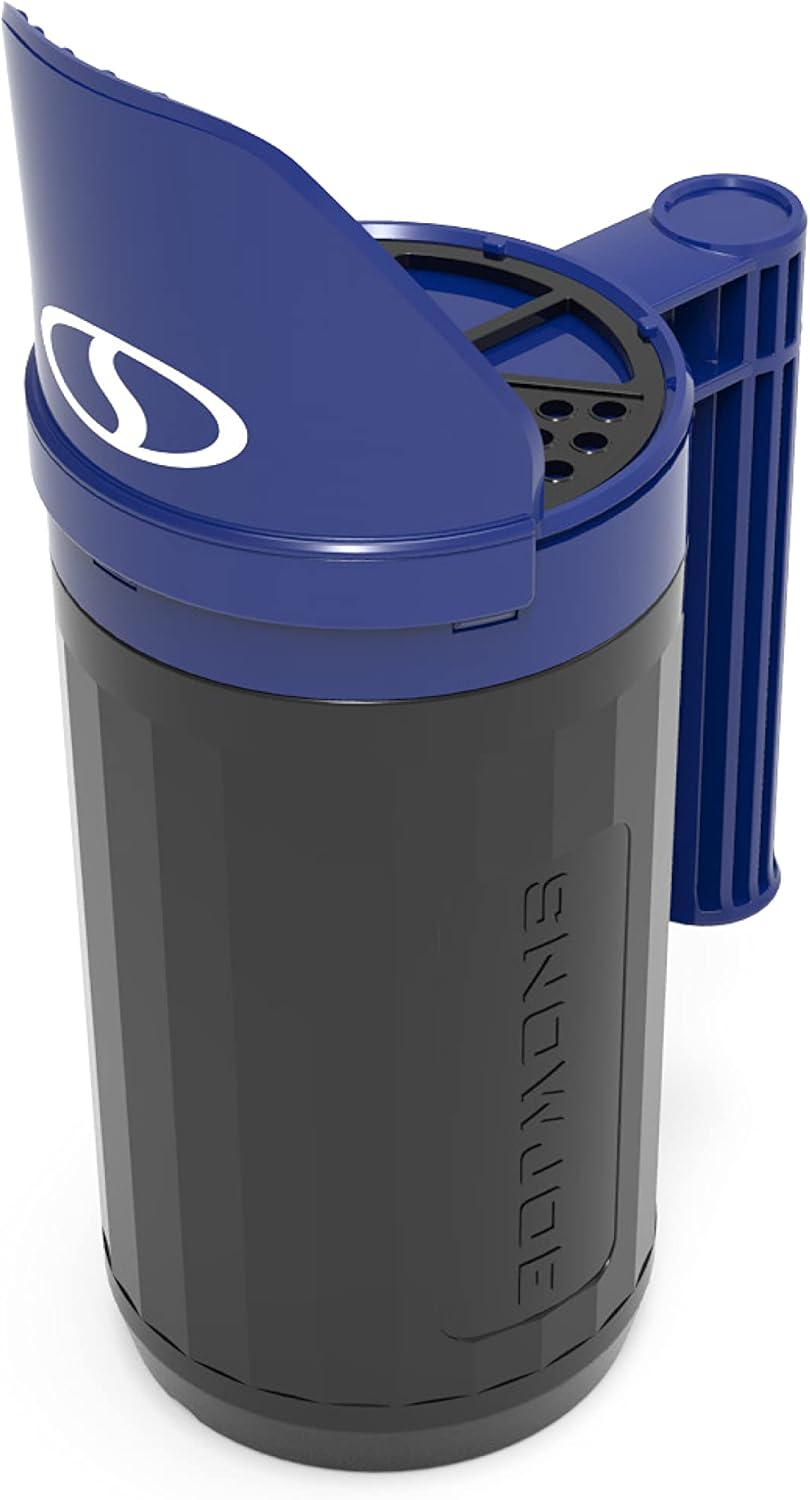


Chapin International
Chapin 8622B, 150-Pound Tow Behind Spreader with AUTO-Stop and Hitch Pins, Black
See current price



Chapin International
Chapin 8701B Garden Push seeder With 6 Seed Plates for Up to 20 Varieties Of Seeds, (1 Garden Seeder/Package)
See current price
Popular brands in Spreaders
Spreaders help distribute grass seed, fertilizer, soil amendments, ice melt, and other granular materials more evenly than hand application. The right choice depends on the size and layout of the area, the material being applied, and how much control you need over the spread pattern.
This category brings together spreaders for different lawn and garden routines. Compare the product specifications carefully, since hopper design, calibration, wheel configuration, and application method can affect both convenience and consistency.
How to choose a spreader
Start by considering the area you need to cover and how often the spreader will be used. A compact handheld unit may suit small planting areas, narrow paths, or occasional spot treatment. A walk-behind spreader can be more practical for larger lawns, while a tow-behind model may fit properties maintained with a riding mower or utility vehicle.
The material also matters. Seed, fertilizer, granular lime, and ice melt can differ in particle size and flow behavior. Look for an adjustable application rate and consult the product instructions to confirm that the spreader is designed for the material you plan to use.
Common spreader types
Broadcast spreaders
Broadcast models distribute material across a wider pattern as you move forward. They can cover open lawn areas efficiently, but the spread pattern may require attention near flower beds, sidewalks, garden borders, and other areas that should not receive the material.
Drop spreaders
Drop spreaders release material directly beneath the hopper. This can make them useful when precise boundaries matter, such as along established beds or narrow lawn sections. They generally require more careful lane alignment to avoid untreated strips.
Handheld and compact spreaders
Handheld options are suited to small areas, touch-ups, and users who prefer lightweight equipment. Check the grip, trigger or control mechanism, hopper access, and ease of cleaning before choosing one for frequent use.
Tow-behind spreaders
Tow-behind equipment is designed to connect to a compatible mower, tractor, or utility vehicle. Check the hitch arrangement, vehicle compatibility, controls, and tire or wheel design before purchase. These models can be useful when covering larger areas without carrying the hopper.
Features and specifications to compare
- Hopper capacity: A larger hopper can reduce refilling during extended work, while a smaller hopper may be easier to carry and store.
- Application control: Look for adjustable settings, a clear control lever, and instructions explaining how to calibrate the spreader.
- Spread pattern: Consider whether the model distributes material broadly or in a more contained path.
- Construction: Compare hopper material, frame design, fasteners, and components exposed to fertilizer, moisture, or de-icing products.
- Wheels and tires: Larger or wider wheels may roll more easily over uneven ground. For tow-behind models, inspect the wheel arrangement and attachment point.
- Cleaning and storage: A spreader should be easy to empty, rinse, dry, and store. Residue left in the mechanism can affect later applications.
- Controls and ergonomics: Handle height, trigger placement, steering, and overall balance can make a noticeable difference during longer sessions.
Brands represented in the catalog
The catalog includes spreaders from Agri-Fab, Agri-Fab Inc., Earthway, EARTHWAY PRODUCTS, Buyers Products, Scotts, The Scotts Company LLC, Chapin International, Brinly Hardy, ScotchBlue, TRI Global Enterprises, and Voluntary Purchasing Group. Brand names are provided to help compare available listings; review each product page for its specific construction, compatibility, and operating details.
Related lawn and garden equipment
Spreaders often work alongside other gardening supplies. Pair lawn applications with Soils, Mulches & Planting Media when preparing beds or improving growing areas. For container projects, browse Pots, Planters & Container Accessories, and find compatible vegetation in Plants, Seeds & Bulbs.
For routine maintenance, Watering Equipment can support newly seeded or treated areas, while Hand Tools cover detail work around edges and planting beds. Greenhouse projects may also benefit from Greenhouses & Plant Germination Equipment.
Tips for accurate and safe use
Read the manufacturer’s instructions before loading the hopper, especially when applying fertilizer, seed treatments, lime, or de-icing products. Calibrate the spreader according to the material and walk or drive at a consistent pace. Avoid applying products in strong wind, and keep granules away from drains, ponds, desirable plants, and neighboring surfaces unless the product directions say otherwise.
Empty the hopper after use and clean material from the shutoff mechanism, wheels, and frame. Allow the spreader to dry before storage, and inspect fasteners, tires, hitch parts, and control cables periodically.
Frequently asked questions
What can a spreader be used for?
Depending on its design and instructions, a spreader may distribute grass seed, fertilizer, lime, granular soil amendments, or ice melt. Always confirm material compatibility first.
Is a broadcast or drop spreader better?
Broadcast spreaders suit open areas where wider coverage is useful. Drop spreaders provide more contained placement and can be easier to control near borders. The better type depends on the layout and material.
How do I choose the right spreader size?
Consider the area, storage space, carrying or towing method, and how often refilling would be acceptable. Capacity should match the job without making the equipment unnecessarily heavy or difficult to maneuver.
Do spreaders need calibration?
Yes. Application settings can vary by material and product, so follow the manufacturer’s instructions and adjust the rate before covering the full area.
How should a spreader be maintained?
Empty and clean it after each use, remove residue from moving parts, dry it thoroughly, and store it in a protected location. Inspect wheels, controls, fasteners, and hitch components as applicable.