
Aquasonic
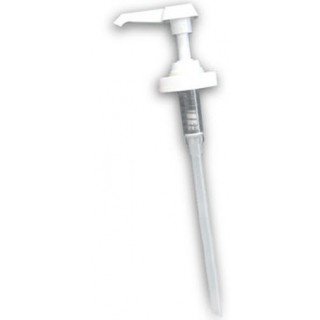
Aquasonic Aquasonic 100 Ultrasonic Gel, 250ml (8.5 Ounce) Dispenser - Each, 8.45 Fl Ounce
See current price

Compare professional sterilization and infection prevention supplies by intended use, compatibility, materials, and handling requirements. Review specifications and features to find options suited to your clinical workflow.
21 products in catalog
21 results
Aquasonic
See current price


Hibiclens
See current price


ETL Solutions
See current price




PlastCare USA
See current price


CaviWipes
See current price
Molnlycke Health Care US, LLC
See current price
Molnlycke Health Care US, LLC
See current price


Sterilization and infection prevention products support safer handling of instruments, surfaces, equipment, and clinical environments. The right choice depends on what must be processed, the required level of microbial control, and the instructions for the item or surface involved.
This category is part of Professional Medical Supplies. Use the catalog to compare product specifications and features, then verify that each option fits your facility’s procedures, equipment, and infection-control policies.
Start by identifying the task rather than choosing by product name alone. A product intended for cleaning a hard surface may not be appropriate for an instrument, skin, or a device with delicate components.
Consider these factors:
Always follow the product label, equipment instructions, and facility policy. Professional infection-prevention procedures may also require staff training, protective equipment, ventilation, or dedicated handling areas.
The category can include several kinds of supplies and process-support products. Their roles are different, so comparing them by function is more useful than treating them as interchangeable.
For chemical products, review the active ingredients, compatible surfaces, required wet contact time, storage conditions, and precautions. A shorter contact time is not automatically preferable if it does not suit the workflow or the surface being treated.
For sterilization packaging and process accessories, compare dimensions, material construction, sealing or closure requirements, visibility of contents, and resistance to handling. Packaging should be selected for the instrument size and the intended processing method.
For reusable equipment or accessories, consider cleaning access, smooth or hard-to-reach areas, resistance to the planned disinfectant, and the manufacturer’s reuse instructions. If a product is intended for a specific sterilizer, device, or chemical system, confirm compatibility before use.
The catalog includes products from PlastCare USA, Molnlycke Health Care US, LLC, ETL Solutions, MAXTITE, THXCO, Aquasonic, CaviWipes, Primo, nrg, Kimberly-Clark, Metrex, and Medline. These brands are represented across the available catalog; compare each product’s specifications, intended use, and instructions rather than selecting by brand name alone.
Infection prevention often connects with other supply areas. Browse Apparel for protective garments and related wearables, or compare Diagnostics & Screening when selecting supplies used around examination and testing workflows.
For procedure-related needs, see Instruments & Surgical Tools, Wound Care & Dressings, and Fluid Administration & Collection. Examination Supplies & Consumables may also be relevant for routine patient-care and examination settings.
Cleaning removes soil and debris. Disinfection reduces or inactivates many harmful microorganisms on compatible surfaces. Sterilization is a more comprehensive process used for items that require a higher level of microbial control.
Not necessarily. Use a product only when its directions and the instrument manufacturer’s instructions identify the intended application and compatibility.
The surface generally needs to remain visibly wet for the specified contact time for the product to work as directed. Drying too soon may reduce the effectiveness of the process.
Match the packaging to the instrument dimensions, sterilization method, closure requirements, and storage conditions. Inspect packaging for damage before use and follow facility procedures.
Review the label, active ingredients, compatible materials, contact time, storage instructions, required protective equipment, and disposal guidance. Confirm that the product fits the facility’s approved protocol.