
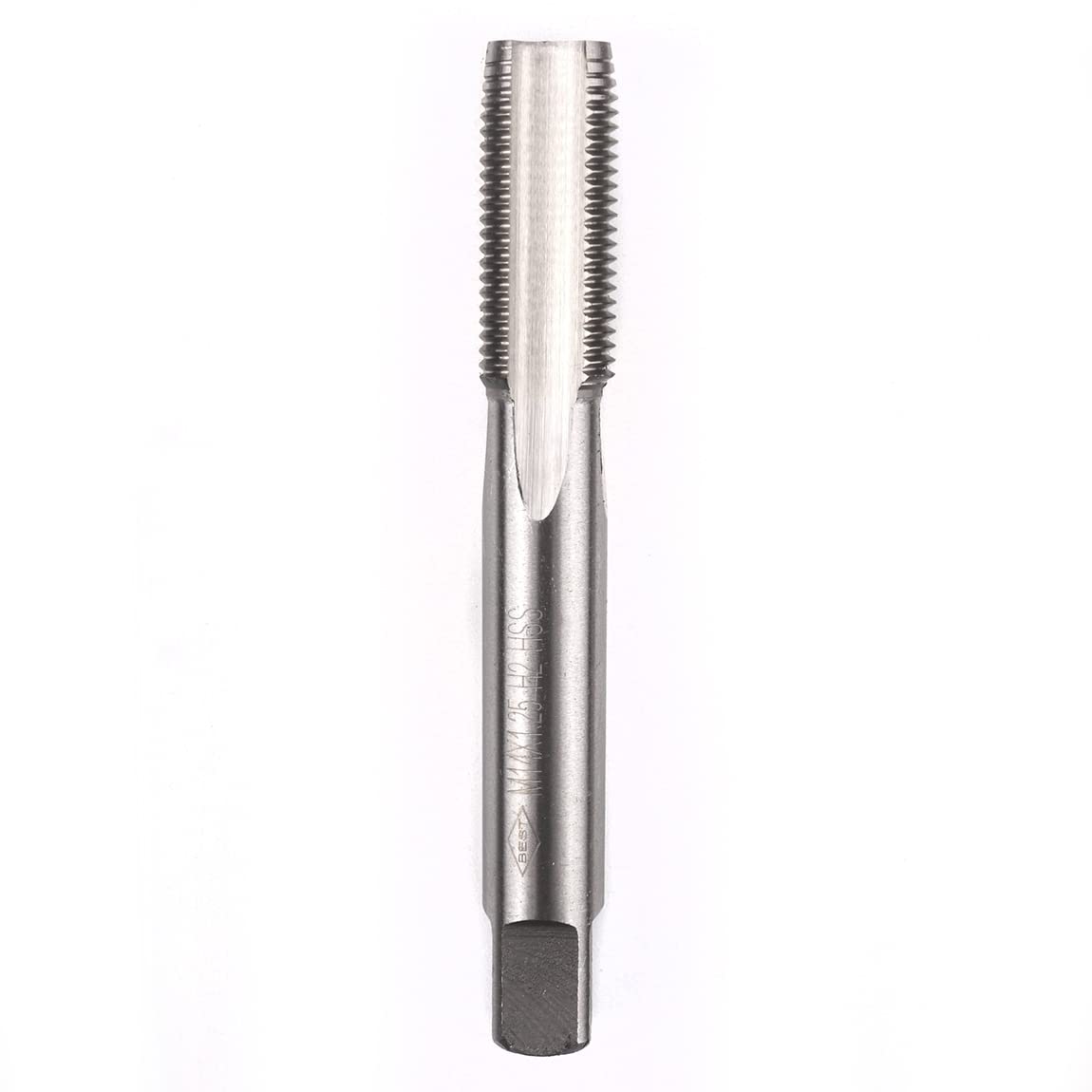
Threading Taps for Internal Threads
Compare threading taps for creating internal threads in compatible holes. Review thread specifications, tap style, material, and application requirements before choosing a tool.
66 products in catalog
66 results
Filters

Drill America
Drill America - DWTPT1INCH 1"-11-1/2 NPT Pipe Tap, Carbon Steel, DWTPT Series
See current price


Drill America
Drill America - POU1/2NPTW/DRILL 1/2" Carbon Steel NPT Pipe Tap and 23/32" High Speed Steel Drill Bit Set, POU Series
See current price

Drill America
Drill America m22 x 1.5 High Speed Steel Metric 4 Flute Bottoming Hand Tap, DWT Series
See current price
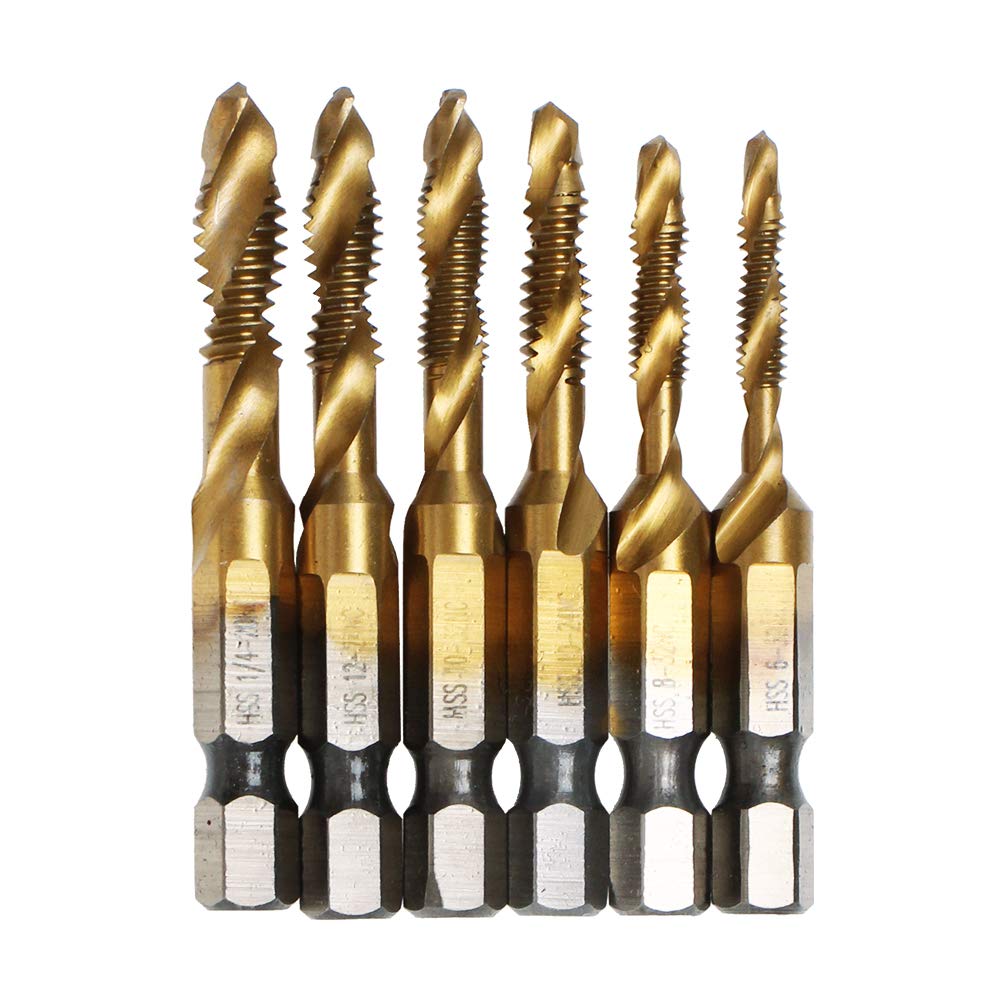

Drill America
Drill America - DWTST3/4-12P 3/4"-12 UNS High Speed Steel Plug Tap, (Pack of 1)
See current price
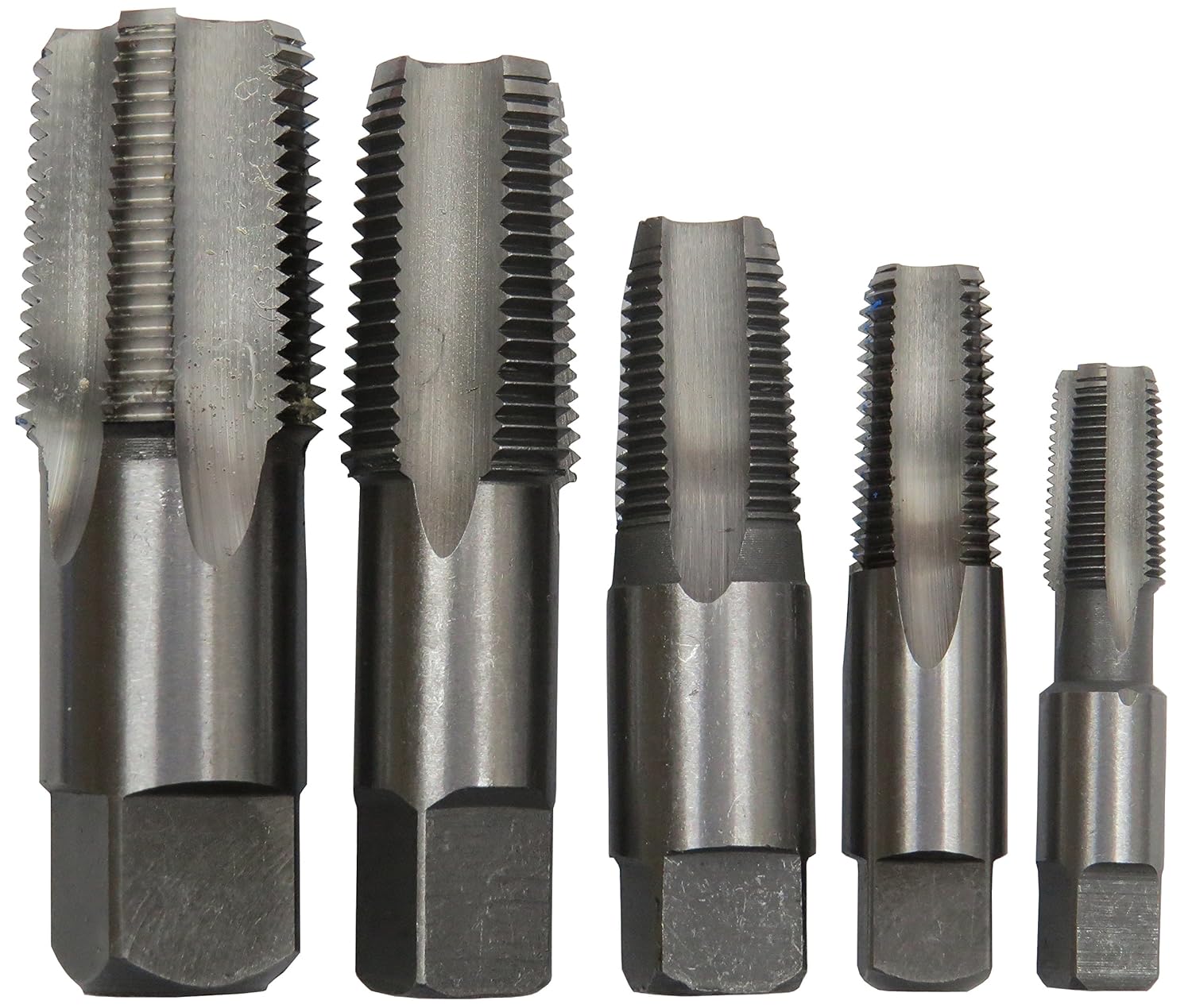
Drill America
Drill America - POUCSNPT5 5 Piece NPT Pipe Tap Set (1/8", 1/4", 3/8", 1/2" and 3/4"), Plastic Pouch Case, POU Series
See current price


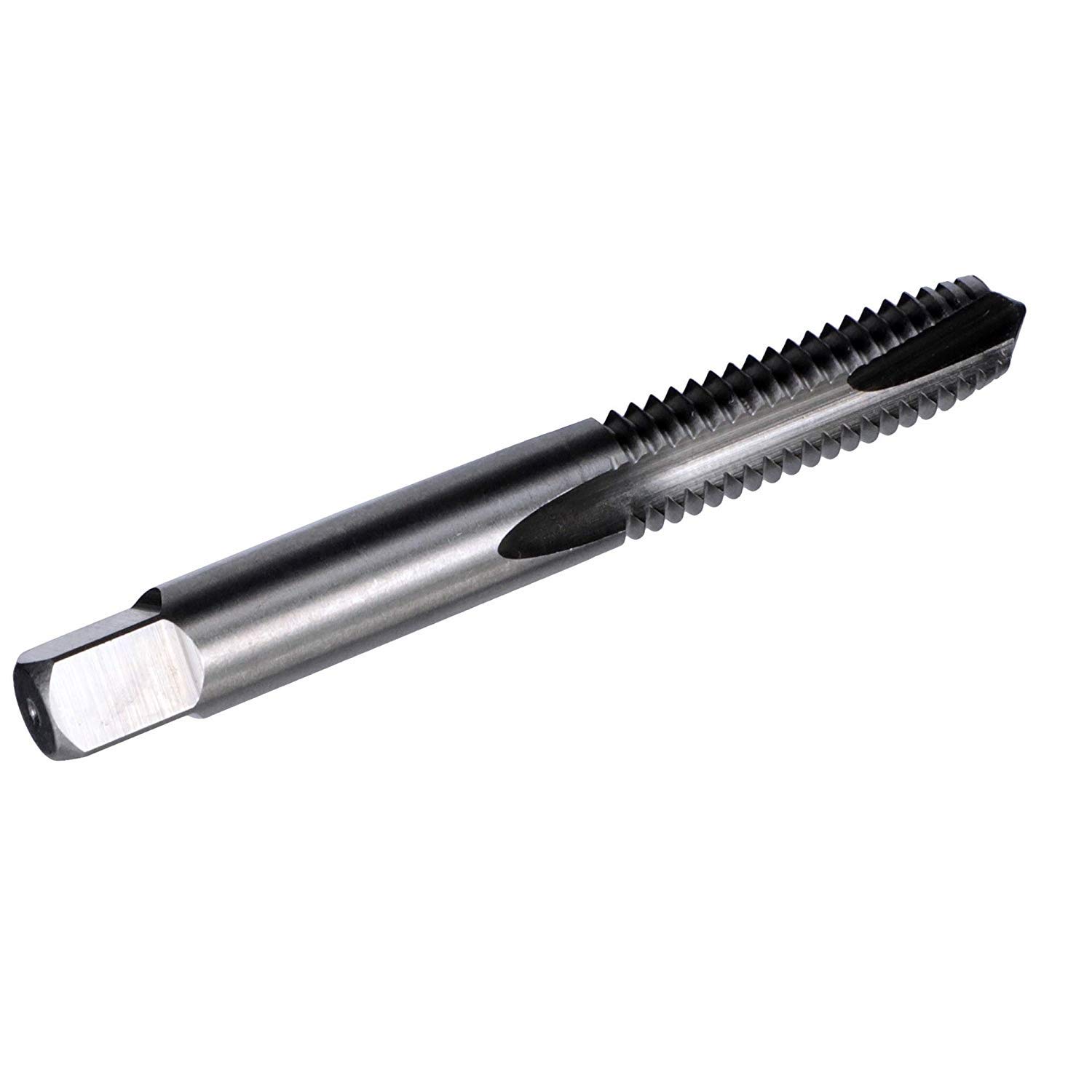
Drill America
Drill America - DWT57129 1/4"-20 High Speed Steel 2 Flute Spiral Point Tap, DWT Series
See current price


Irwin Tools
IRWIN Tap Set for Machine Screws, High Carbon Steel, 10-24 NC, 3-Piece (2528)
See current price




Popular brands in Threading Taps
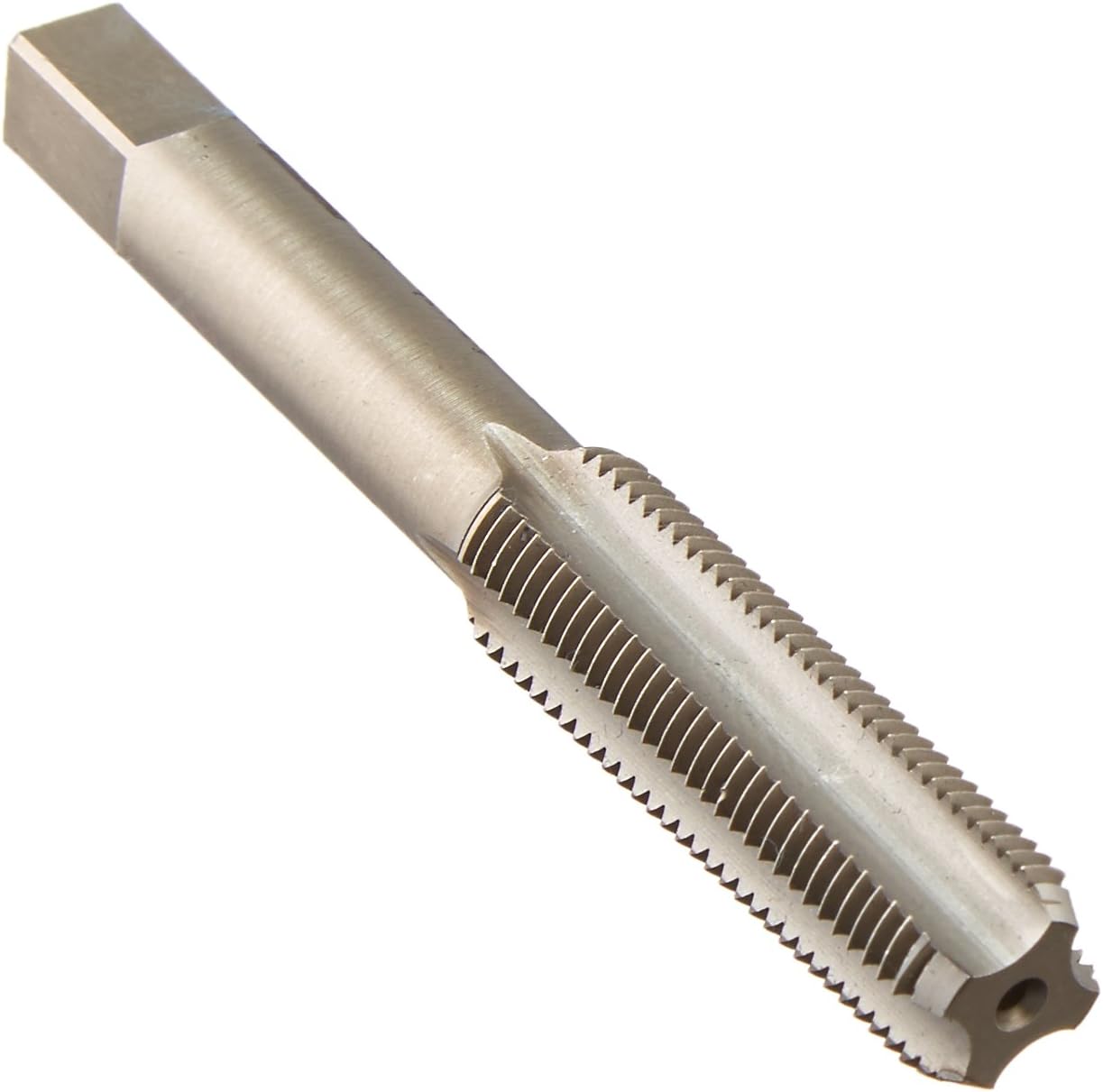
Threading taps are cutting tools used to form internal threads in a prepared hole. The right tap depends on the thread standard, hole material, production method, and whether the work is performed by hand or with a machine. K-Catalog helps shoppers compare specifications and features across this category before checking current product details on Amazon.
How to choose a threading tap
Start with the required thread specification. The tap must match the fastener or threaded component it is intended to accept, including the thread standard, nominal size, pitch, and thread direction. A tap that is close but not an exact match will not produce a compatible thread.
Also consider the workpiece material. Softer materials, common steels, stainless steel, aluminum, and other alloys can place different demands on the cutting edges and chip clearance. Check the manufacturer’s stated material suitability rather than assuming one tap works equally well across every application.
The tapping method matters as well:
- Hand tapping: Useful for repair work, maintenance, prototypes, and low-volume jobs where the operator controls alignment and cutting pressure.
- Machine tapping: Better suited to repeatable work with a drill press, tapping machine, or compatible machining center. Confirm that the tap and holder are suitable for the equipment.
- Through-hole tapping: A tap with effective chip evacuation can help move chips forward through the hole.
- Blind-hole tapping: Chip space and usable thread depth become especially important because chips cannot exit through the bottom of the workpiece.
For broader cutting-tool comparisons, see the Cutting Tools category.
Tap types and flute styles
Different tap geometries are intended for different cutting conditions. Straight-flute taps are a versatile option for many general-purpose applications and are often considered when working by hand or tapping materials that do not require specialized chip control.
Spiral-point taps, sometimes called gun taps, direct chips forward and can be useful for through holes. Spiral-flute taps pull chips back toward the shank and may be better suited to blind holes, depending on the material and tap design. A bottoming-style tap has a shorter chamfer and can cut threads closer to the bottom of a blind hole, while a taper-style tap has a longer lead that helps begin the thread gradually.
Some product sets combine multiple tap styles or stages. When comparing a set, check exactly what is included, the thread sizes covered, and whether the set is intended for hand use, machine use, or both. For external threads on a rod or bolt, compare Threading Dies instead of an internal-thread tap.
Specifications and features to compare
Product listings can vary in how much technical information they provide, so focus on the specifications that affect compatibility and service life:
- Thread size and pitch: Confirm the exact standard and dimensions required for the application.
- Tap material: High-speed steel and other cutting materials may be offered for different durability, hardness, and workpiece requirements.
- Coating or surface treatment: A coating may support wear resistance or chip flow, but suitability depends on the material being cut and the manufacturer’s guidance.
- Shank and drive dimensions: Check the shank shape, square-drive size, and holder compatibility before purchase.
- Flute design: Compare straight, spiral-point, and spiral-flute configurations according to hole depth and chip evacuation needs.
- Chamfer or lead style: The cutting lead affects starting behavior and how close the tool can thread to the bottom of a blind hole.
- Set contents: For kits, verify the included sizes, storage case, and whether drills, dies, handles, or other accessories are included.
A tap is only part of the process. The starting hole should be drilled to the appropriate tap-drill size, kept aligned, and cleared of chips as needed. Cutting fluid can also help control heat and friction when it is compatible with the workpiece and tool. Related supplies include Cutting Tool Coolants.
Brands represented in this catalog
Threading tap listings in this catalog include products from Drill America, Irwin, Newell Brands, Hanson, Rocaris, Irwin Tools, AUTOTOOLHOME, Sunxenze, HORUSDY, KMIAN TOOLS, uxcell, and GAVAN. Compare each listing by its stated dimensions, material, flute profile, intended use, and included accessories rather than relying on brand name alone.
Safe and accurate tapping practices
Use eye protection and secure the workpiece before cutting. Keep the tap aligned with the hole, apply suitable cutting fluid where appropriate, and avoid forcing the tool if resistance increases unexpectedly. Reverse or clear chips according to the tap design and material instructions. A damaged, dull, or bent tap can produce poor threads and may be difficult to remove.
Before ordering, check whether the tool is sold individually or as part of a set, confirm the required drive size, and make sure the workpiece material falls within the stated application range. For preparing the starting hole, compare Industrial Drill Bits; for removing burrs after machining, see Deburring Cutters.
Frequently asked questions
What is a threading tap used for?
A threading tap cuts internal threads inside a pre-drilled hole so the hole can accept a matching screw, bolt, or threaded component.
What is the difference between a tap and a threading die?
A tap creates internal threads in a hole. A die creates external threads on the outside of a rod, bolt, or similar part.
Which tap is suitable for a blind hole?
A spiral-flute or bottoming-style tap may be suitable, depending on the material, required thread depth, and manufacturer’s instructions. Check chip evacuation and the tap’s lead geometry.
Do all threading taps work with hand tools?
No. Some taps are designed primarily for machine tapping or require a particular holder. Check the product’s drive and usage specifications before selecting a hand tool.
Why does tap-drill size matter?
The starting hole must leave enough material for the tap to form the thread while still allowing chips to clear. An unsuitable hole size can cause weak threads, excess cutting force, or tool damage.