
AFA Tooling Approved for Automotive
AFA Tooling - Deburring Tool with 5 BS1010, 5 BS1018, 5 BK3010- HSS Blades for Metal, Resin, PVC, 3D Printed Plastic Edges
See current price

Compare deburring cutters for removing sharp edges, burrs, and unwanted material from drilled, machined, or cut parts. Review blade design, handle comfort, reach, and workpiece compatibility before choosing.
41 products in catalog
41 results
AFA Tooling Approved for Automotive
See current price

AFA Tooling Approved for Automotive
See current price


AFA Tooling Approved for Automotive
See current price

AFA Tooling Approved for Automotive
See current price


TOOLROCK/MAVAST
See current price


Deburring Tool
See current price
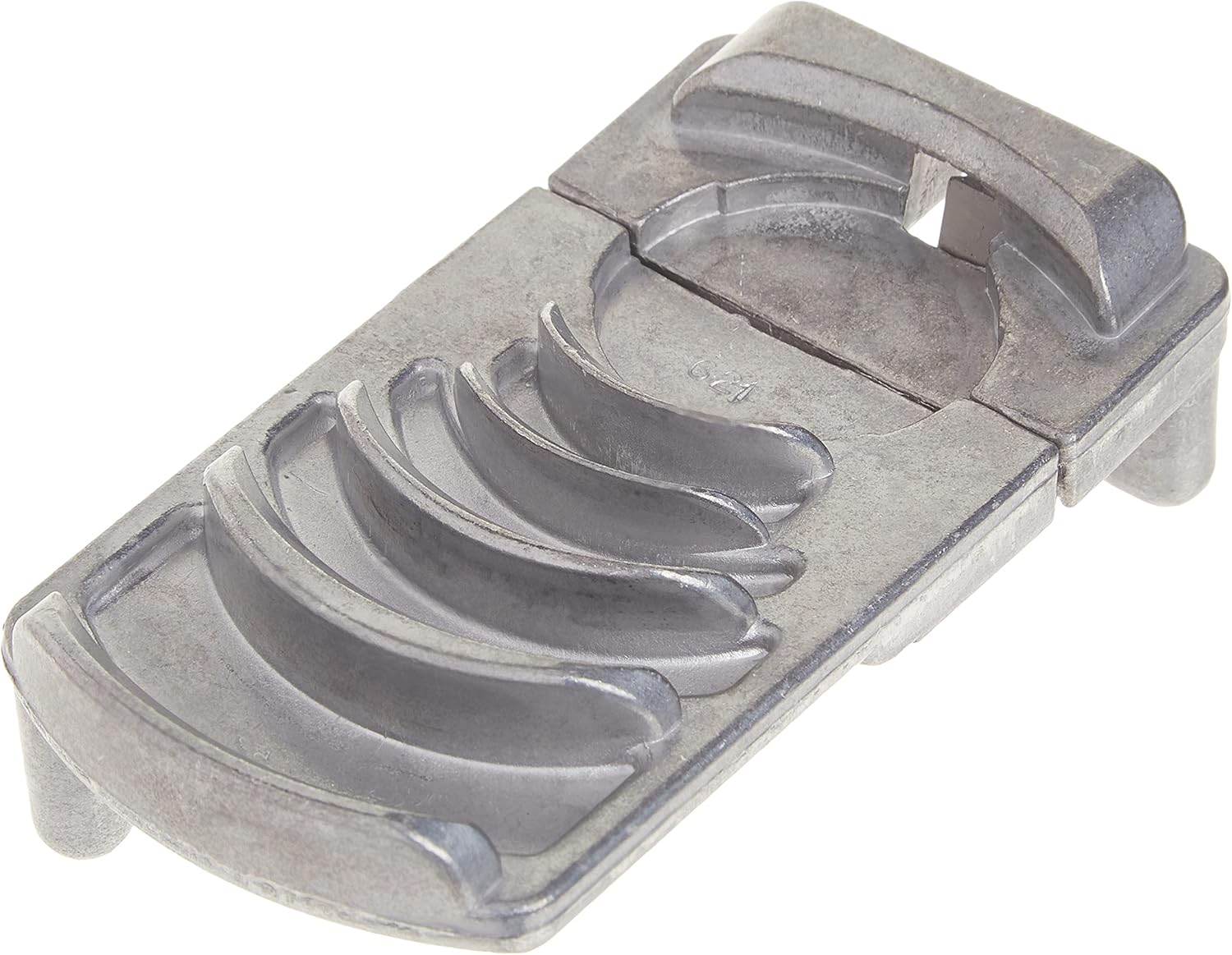


AFA Tooling Approved for Automotive
See current price


MAVAST
See current price

MAVAST
See current price


Deburring cutters help prepare metal, plastic, and other machined materials for assembly, finishing, or safer handling. The right tool can remove raised edges without taking away more material than necessary, but performance depends on matching the cutter to the workpiece and the type of burr.
This category focuses on tools for controlled edge cleanup in workshops, maintenance areas, fabrication environments, and industrial settings. Use the catalog to compare specifications and features, then check the current product information on Amazon before buying.
Start by identifying the material and the shape of the edge that needs attention. A light burr around a drilled hole may require a different cutter than a rough edge left after machining, stamping, trimming, or sawing.
Consider these factors:
If the task involves powered machining rather than hand finishing, compare options in the broader Cutting Tools category as well.
Deburring cutters are available in several practical designs. The best choice depends on the edge geometry, the amount of material to remove, and how much control the operator needs.
These tools are designed for guiding a blade along an edge or around a hole. A swiveling blade can help follow curved surfaces and reduce snagging when the tool is moved by hand. They suit general workshop maintenance and light finishing tasks where control matters more than speed.
Countersink designs can help chamfer or clean the mouth of a drilled hole. Compare the cutting angle, diameter, shank or handle arrangement, and intended material before selecting one. These tools are useful when a consistent entry edge is important for fasteners, fittings, or assembly.
Some deburring tools are shaped for flat edges, narrow grooves, complex contours, or specific production tasks. Look closely at the blade shape and the manufacturer’s stated application rather than assuming one cutter will work equally well on every surface.
For more aggressive rotary material removal, Cutting Burrs may be more appropriate. For hole-making tasks, compare Industrial Drill Bits separately because drilling and deburring require different cutting geometries.
Product descriptions may vary, so focus on the details that affect fit and handling:
A cutter should remove the burr while preserving the intended edge. If the finished part must meet a particular chamfer, radius, or fit requirement, verify the relevant dimensions and use a consistent technique across the workpiece.
The catalog includes deburring cutter listings from AFA Tooling Approved for Automotive, MAVAST, NOGA, NUODA/SHAVEBAR, Standard Plumbing Supply, VARGUS, Koro-Pro, CGBOOM, Adiyer, Builders World Wholesale Distribution, Deburring Tool, and BYHH. These brands and listings can provide different approaches to handle design, blade configuration, intended material, and replacement options. Compare the individual specifications rather than choosing by brand name alone.
Secure the workpiece before cutting, keep fingers away from the blade path, and use controlled strokes rather than excessive force. Inspect the edge as material is removed so the cutter does not create a larger chamfer or damage an adjacent surface.
Wear suitable eye protection when loose chips or fragments may be produced. Follow the product’s instructions for blade changes, cleaning, and storage. A dull or damaged blade may require more pressure and can make the tool harder to control, so check its condition before use.
For related operations, Milling Accessories can support machining setups, while Cutting Tool Coolants may be relevant to compatible cutting processes. Taps and dies serve thread-forming tasks rather than general edge cleanup; compare Threading Taps or Threading Dies when creating or repairing threads.
It removes sharp raised material, chips, and unwanted edges left after drilling, machining, cutting, stamping, or trimming.
Not necessarily. Check the stated material compatibility, blade construction, and intended application before using a cutter on a new workpiece.
A fixed blade can offer direct control on straightforward edges, while a swiveling blade may follow curved or changing contours more smoothly.
Many are designed for cleaning the entry or exit edge of holes, but the cutter’s profile and size should match the hole and the desired finish.
Replace it when it becomes dull, damaged, difficult to control, or unable to remove burrs cleanly without excessive pressure.