

Cutting Tool Coolants
Compare cutting tool coolants by formulation, application method, material compatibility, and maintenance needs. This guide helps match a coolant to drilling, milling, tapping, and other machining work.
12 products in catalog
12 results
Filters


Tap Magic
Tap Magic Aluminum Cutting Fluid with Spout Top, 20004A, 16 oz, Light Yellow (Pack of 1)
See current price

Loc-Line
Loc-Line - 50813 Coolant Hose Assembly Kit, Acetal Copolymer, 7 Piece, 1/2" Coolant Hose ID
See current price


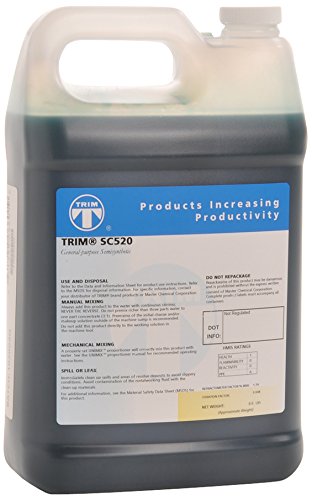


Popular brands in Cutting Tool Coolants
Cutting tool coolant helps manage heat and friction during machining while supporting chip removal and protecting the work area. The right choice depends on the cutting operation, workpiece material, tool, equipment, and how the fluid will be applied.
K-Catalog brings together cutting tool coolant options from brands including Loc-Line, RELTON, Tap Magic, WENKO, Trim, Jancy, and Forney. Compare the specifications and features of each product, then check the current listing on Amazon for availability and purchasing details.
How to choose cutting tool coolant
Start with the machining task. Drilling, tapping, milling, reaming, and sawing can place different demands on a coolant. A fluid intended for thread cutting may emphasize lubrication, while another product may be more suitable for general heat control or chip evacuation.
Consider these factors before choosing:
- Workpiece material: Steel, stainless steel, aluminum, cast iron, and other materials can respond differently to lubricants and coolants.
- Tool and operation: Match the fluid to the tool type, cutting speed, load, and depth of cut where the manufacturer provides guidance.
- Application method: Select a format that suits the shop setup, such as direct application, a dispensing system, misting, or a machine coolant system.
- Cleanup and storage: Consider residue, odor, corrosion protection, and how easily the work area and tools can be cleaned.
- Safety requirements: Read the product label and safety data sheet before use, including recommended protective equipment and ventilation.
Common coolant and lubricant types
Cutting tool coolants are available in several broad formulations. The best fit depends on whether lubrication, cooling, corrosion resistance, or ease of cleanup is the main priority.
- Straight oils: These are oil-based fluids designed to provide substantial lubrication for demanding cutting and threading work. They may be useful where reducing friction is more important than rapid heat removal.
- Water-miscible fluids: Concentrates mixed with water can support cooling and chip flushing in suitable machine-tool applications. Follow the specified mixing instructions and maintain the mixture as directed.
- Synthetic and semi-synthetic coolants: These formulations can balance cooling, lubrication, and cleanliness. Their performance depends on the specific chemistry and the machining environment.
- Brush-on, squeeze, or spray products: Convenient application formats can suit occasional drilling, tapping, or hand-operated cutting where a central coolant system is not available.
Product descriptions and manufacturer instructions should determine whether a coolant is intended for a particular material or application. Avoid assuming that one formulation is suitable for every operation.
Features and specifications to compare
Look beyond the product name and compare the details that affect day-to-day use. Important specifications may include the fluid type, recommended applications, compatible materials, and directions for dilution or application.
Also check whether the product is intended for manual use or recirculating equipment. A coolant designed for a machine sump may have different maintenance requirements from a lubricant applied directly to a tap or drill. Container design matters as well: a controlled applicator can reduce waste, while a larger container may be more practical for frequent shop use.
If corrosion protection is important, look for clear guidance regarding ferrous and nonferrous metals. For work near finished surfaces, review information about staining, residue, and cleanup. When changing products in a machine, confirm compatibility with the existing fluid and follow the equipment maker’s cleaning procedure.
Match coolant to related cutting tools
Coolant selection is closely connected to the tool and operation. For work involving industrial drill bits, compare fluids intended to support drilling loads and chip removal. Threading taps and threading dies often benefit from a lubricant selected specifically for thread-forming or thread-cutting work.
For milling operations, review milling accessories alongside the coolant requirements of the machine and cutter. Cutting burrs and deburring cutters may be used with a more controlled application, particularly when working on small areas or finished parts. Browse the broader Cutting Tools category to compare compatible tool categories.
Brands represented in the catalog
The catalog includes cutting tool coolant products associated with Loc-Line, RELTON, Tap Magic, WENKO, Trim, Jancy, and Forney. These brands may offer different formats, formulations, and intended applications, so compare the individual product specifications rather than choosing by brand name alone.
Safe use and maintenance tips
Keep the coolant container closed when not in use and label any transferred fluid clearly. Use clean dispensing equipment, avoid cross-contaminating products, and follow the manufacturer’s instructions for dilution, storage, and disposal.
For recirculating systems, monitor the fluid condition and remove chips or contaminants regularly. Stop using a product if its appearance, smell, or performance changes unexpectedly, and consult the safety data sheet for handling and disposal guidance. Always secure the workpiece and use the guards and personal protective equipment required for the cutting operation.
Frequently asked questions
What is cutting tool coolant used for?
Cutting tool coolant helps reduce heat and friction during machining. Depending on the formulation, it can also support lubrication, chip removal, corrosion protection, and cleaner cutting.
Can one coolant be used for every metal?
Not necessarily. Compatibility varies by formulation and workpiece material. Check the product instructions for guidance on steel, stainless steel, aluminum, cast iron, and other metals before use.
Should coolant be applied to a drill bit?
Some drilling operations benefit from direct coolant or lubricant application, especially when friction and heat are concerns. Use only a product whose instructions support the tool, material, and application method.
What is the difference between coolant and cutting oil?
Cutting oils generally emphasize lubrication, while many water-miscible and synthetic coolants emphasize heat removal and chip flushing. The distinction varies by formulation, so review the manufacturer’s specifications.
How should machine coolant be maintained?
Follow the product’s mixing and maintenance instructions, keep chips and contaminants out of the system, and check the fluid condition regularly. Use the equipment maker’s procedure when replacing or cleaning the coolant.