
Industrial Drill Bits
Compare industrial drill bits by construction, cutting geometry, shank style, and tool compatibility. K-Catalog helps you review specifications and features before visiting Amazon for current availability.
57 products in catalog
57 results
Filters


Irwin Tools
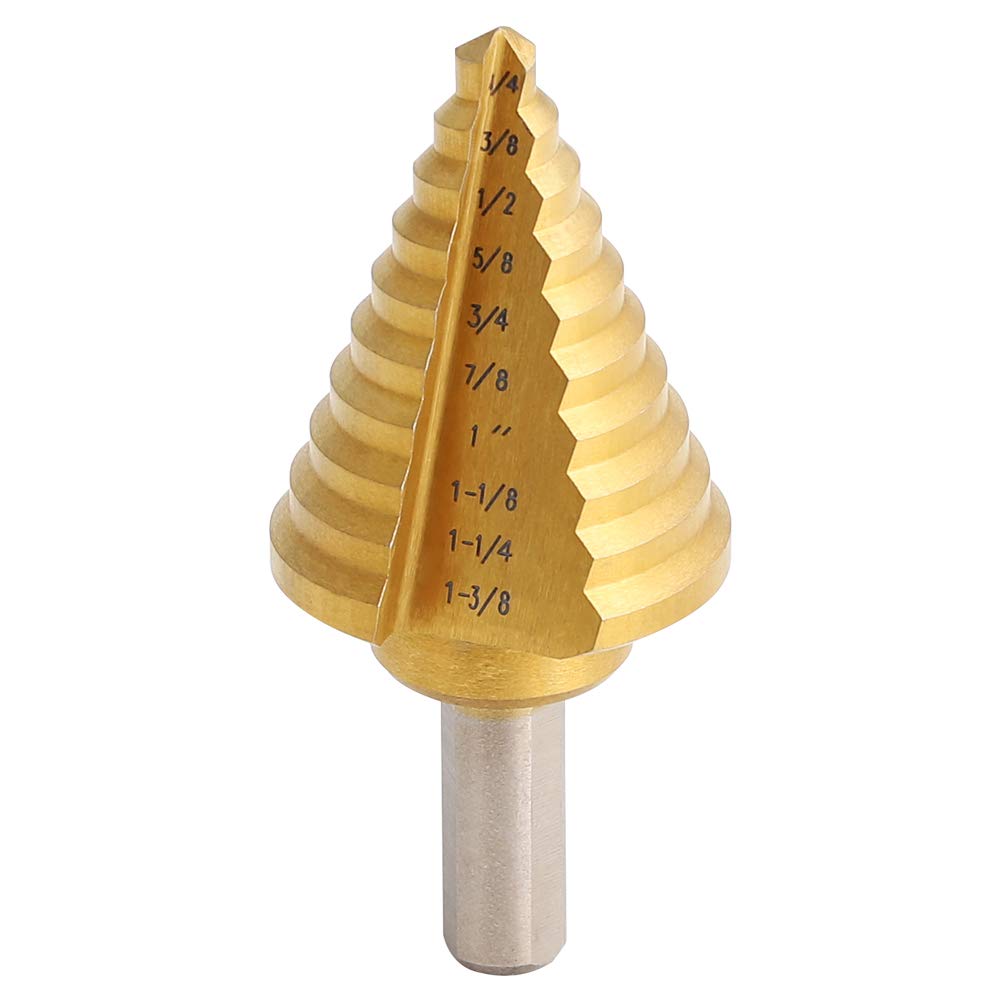
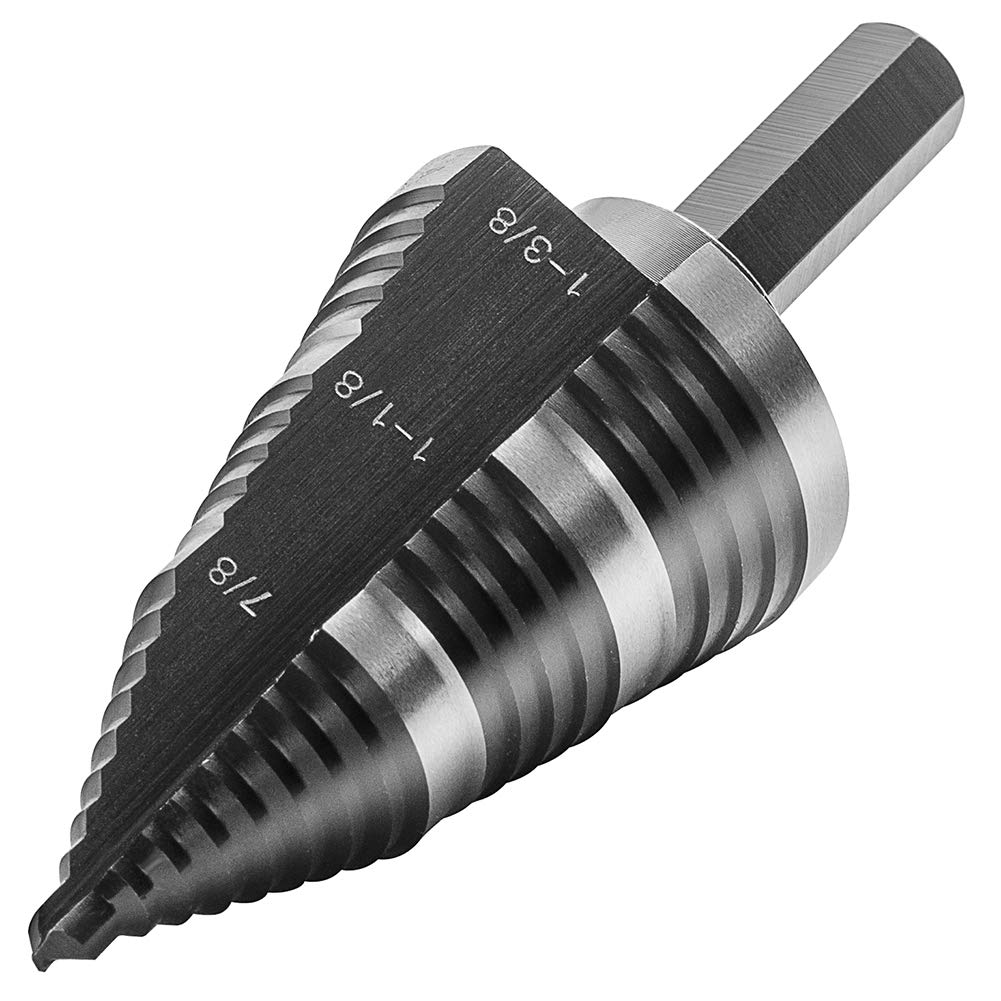
Irwin Tools - 10312ZR Unibit #12 3/8-Inch Step-Drill Bit, 1/4-Inch Shank (10312) Black
See current price


Accusize Industrial Tools
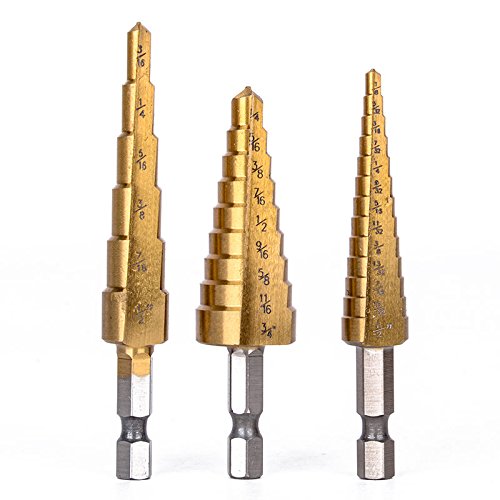
Accusize Industrial Tools 18 Pc H.S.S. Tap and Drill Set, U.N.C., 0001-0040
See current price


STROTON
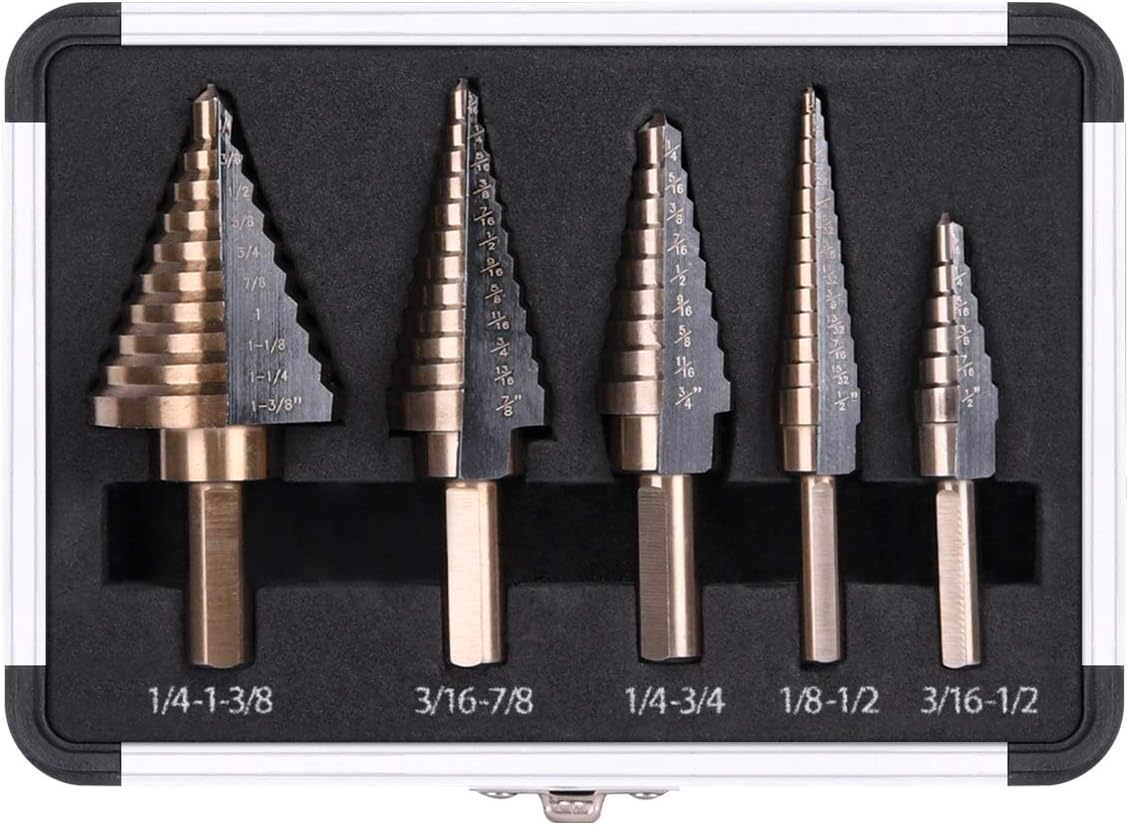
STROTON 4-32mm Metric 6% Cobalt Step Drill Bit for Stainless Steel and Hard Metal (15 Steps)
See current price






HEJIAHUAN
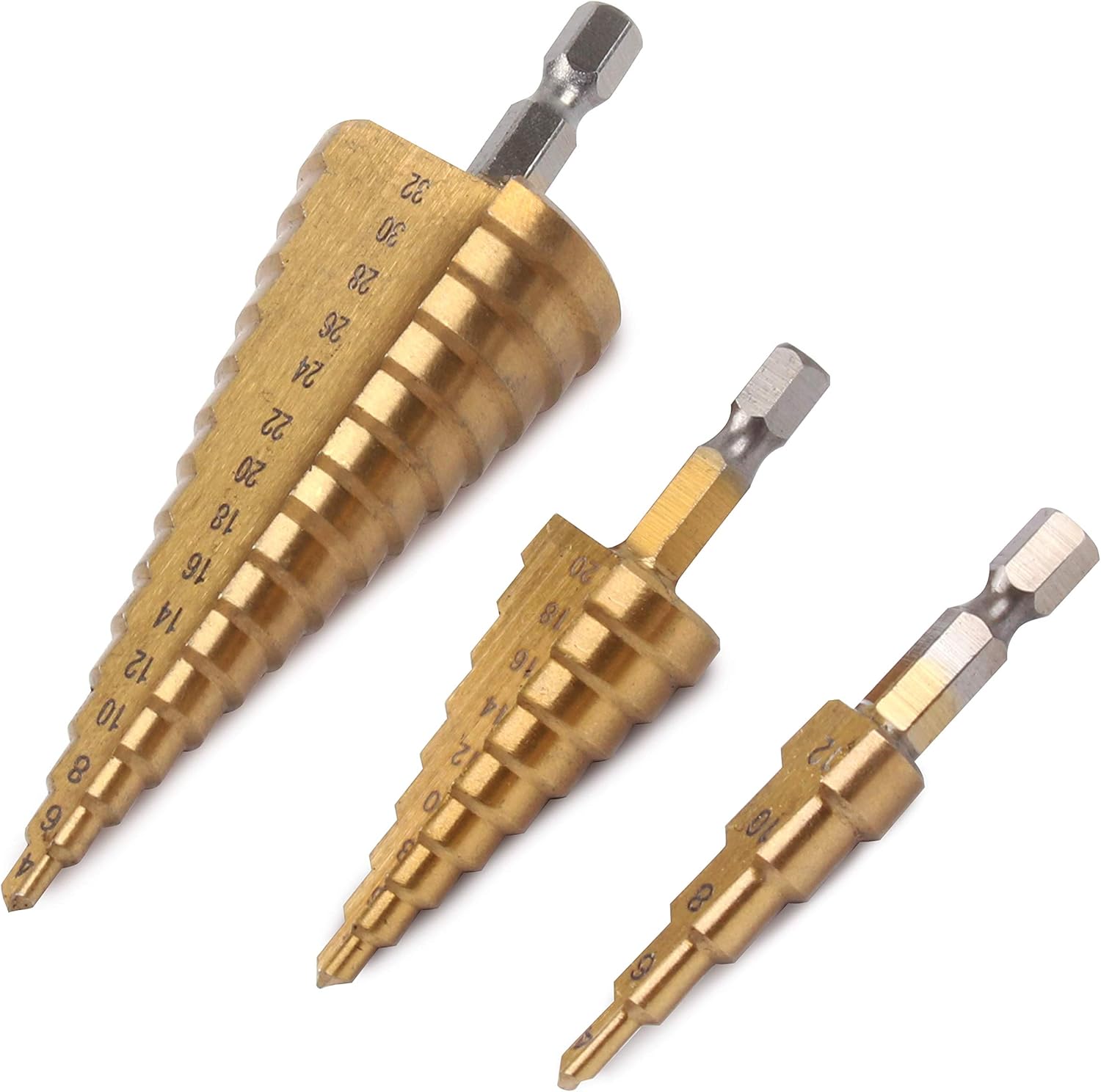
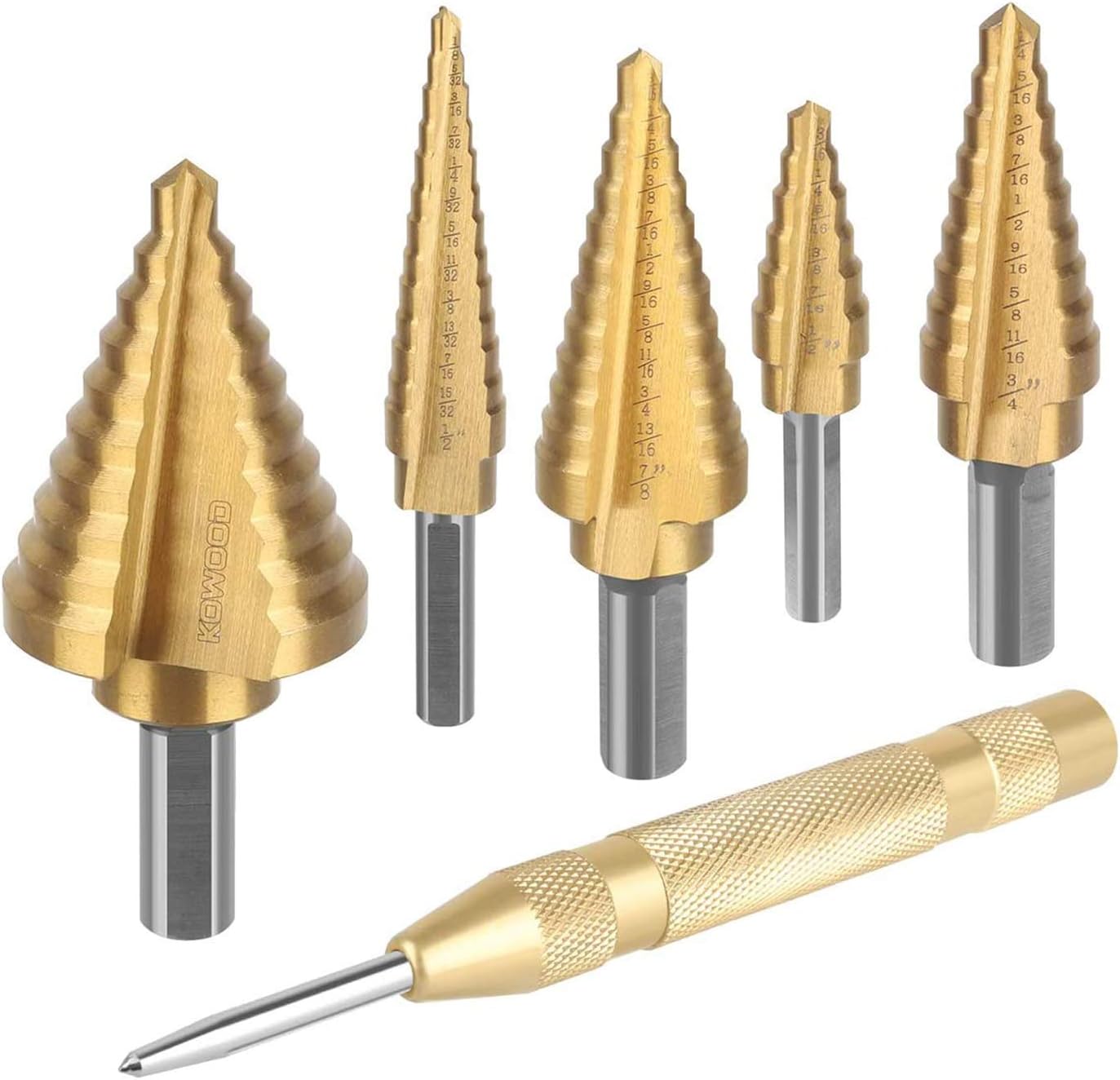
7PCS Step Drill Bit Set with 50 Sizes,Multiple Hole High Speed Steel Stepped Up Bits (7PCS)
See current price
Popular brands in Industrial Drill Bits
Industrial drill bits are designed for controlled hole-making in materials such as metal, wood, plastic, composites, and other workpieces. The right bit depends on the material being drilled, the tool being used, the required hole quality, and how frequently the bit will be used.
Use this catalog to compare the listed specifications and features rather than selecting by appearance alone. For broader cutting-tool options, browse Cutting Tools and related categories when your project involves more than drilling.
How to choose industrial drill bits
Start with the workpiece. A bit suited to mild steel may not be appropriate for hardened metal, abrasive materials, plastics, or wood. Product descriptions may identify the intended material range, so check that information before choosing. If a bit is designed for multiple materials, confirm that its geometry and coating suit your particular application.
Next, consider the drilling equipment. A bit for a handheld drill may have different shank requirements from one intended for a drill press, rotary tool, or other powered equipment. Confirm the shank shape and diameter are compatible with the chuck or collet. Also check the tool’s operating requirements and the bit manufacturer’s guidance for speed, feed, and cooling.
The expected workload matters as well. For occasional maintenance, a versatile general-purpose bit set may be practical. Production, repair, or repeated drilling tasks usually call for a more specific bit design that matches the workpiece and reduces the need for frequent replacement.
Common bit materials and designs
Industrial drill bits vary by cutting material, body construction, coating, and flute design. Common options may include:
- High-speed steel: A versatile choice for many general drilling applications, especially when the bit must tolerate regular use and sharpening.
- Cobalt-alloy steel: Often considered for tougher metal-drilling work where greater heat resistance is useful.
- Carbide or carbide-tipped designs: Intended for demanding or abrasive applications, with careful attention required to the tool setup and workpiece.
- Coated bits: Surface coatings can support wear resistance or smoother cutting, but the coating should be matched to the material and application rather than treated as a universal advantage.
- Specialized geometries: Point angle, split-point construction, flute shape, and length can affect starting behavior, chip removal, hole accuracy, and access in confined spaces.
A set can offer convenient coverage across multiple hole sizes, while individual bits may be preferable when a specific size, length, or design is needed. Compare what is included and whether the storage case or holder suits the work environment.
Specifications worth comparing
Pay close attention to the details that affect fit, performance, and maintenance:
- Bit size and working length: Match the required hole size and drilling depth. Overall length may also affect access and stability.
- Shank style: Round, hex, reduced, and other shank designs serve different chuck and collet systems. Do not assume a bit will fit every drill.
- Point and flute geometry: These influence centering, chip evacuation, cutting speed, and the finish of the drilled hole.
- Material compatibility: Look for clear guidance on metals, masonry, wood, plastic, or composite materials. A general-purpose label may not cover every demanding task.
- Coating and finish: Compare the stated coating, corrosion resistance, and intended benefit. Coating alone does not determine whether a bit is suitable.
- Set organization: For multi-bit sets, review the size range, labeling, case design, and ease of access.
Drilling technique also affects results. Use appropriate pressure, keep the bit aligned, clear chips safely, and use cutting fluid when the bit and workpiece guidance calls for it. Avoid forcing a dull bit, as excess heat can damage both the bit and the workpiece.
Brands represented in this catalog
The Industrial Drill Bits catalog includes products from COMOWARE, HYCLAT, Evolution, Amoolo, Posi-Tap, Irwin Tools, LepoHome, Luckyway, Volterin, Dremel, CO-Z, and HOHXEN. These brands provide options to compare across different bit formats, intended applications, and specification details. Brand familiarity can be useful, but the material, shank, geometry, and compatibility information should remain the main selection criteria.
Related cutting tools
Some projects need a different cutting tool after the hole is made. Cutting Burrs can be relevant for shaping or material removal, while Deburring Cutters are designed for cleaning edges around openings. For internal threads, compare Threading Taps; for external threads, see Threading Dies.
If your work involves machine-tool setup, Milling Accessories may provide complementary equipment. Where heat and friction are concerns, Cutting Tool Coolants can help you compare products intended to support cutting operations.
Frequently asked questions
What should I check before buying an industrial drill bit?
Confirm the workpiece material, required hole size and depth, shank compatibility, tool type, and the bit’s recommended operating conditions.
Is a general-purpose drill bit suitable for every material?
No. General-purpose designs can cover common applications, but harder, abrasive, heat-sensitive, or brittle materials may require a specialized geometry or construction.
Should I choose a drill bit set or individual bits?
A set is useful when you need coverage across several hole sizes. An individual bit is often more suitable when the project requires one specific size, length, or material design.
Why does shank style matter?
The shank must fit the drill chuck or collet securely. A compatible shank helps maintain alignment and reduces the risk of slipping during use.
When is cutting fluid appropriate?
Follow the bit and workpiece guidance. Cutting fluid may help manage heat and friction in some metal-drilling tasks, but it is not appropriate for every material or tool.