

Training & Behavior Aids for Dogs
Compare training and behavior aids for dogs by use, design, adjustability, and compatibility. K-Catalog helps you review product specifications before choosing tools for everyday training.
1,660 products in catalog
1,660 results
Filters


TRIXIE
TRIXIE Dog Activity Dog Puzzle Toy, Dog Treat Puzzle, Interactive Play Enrichment Toys
See current price

The Company Of Animals
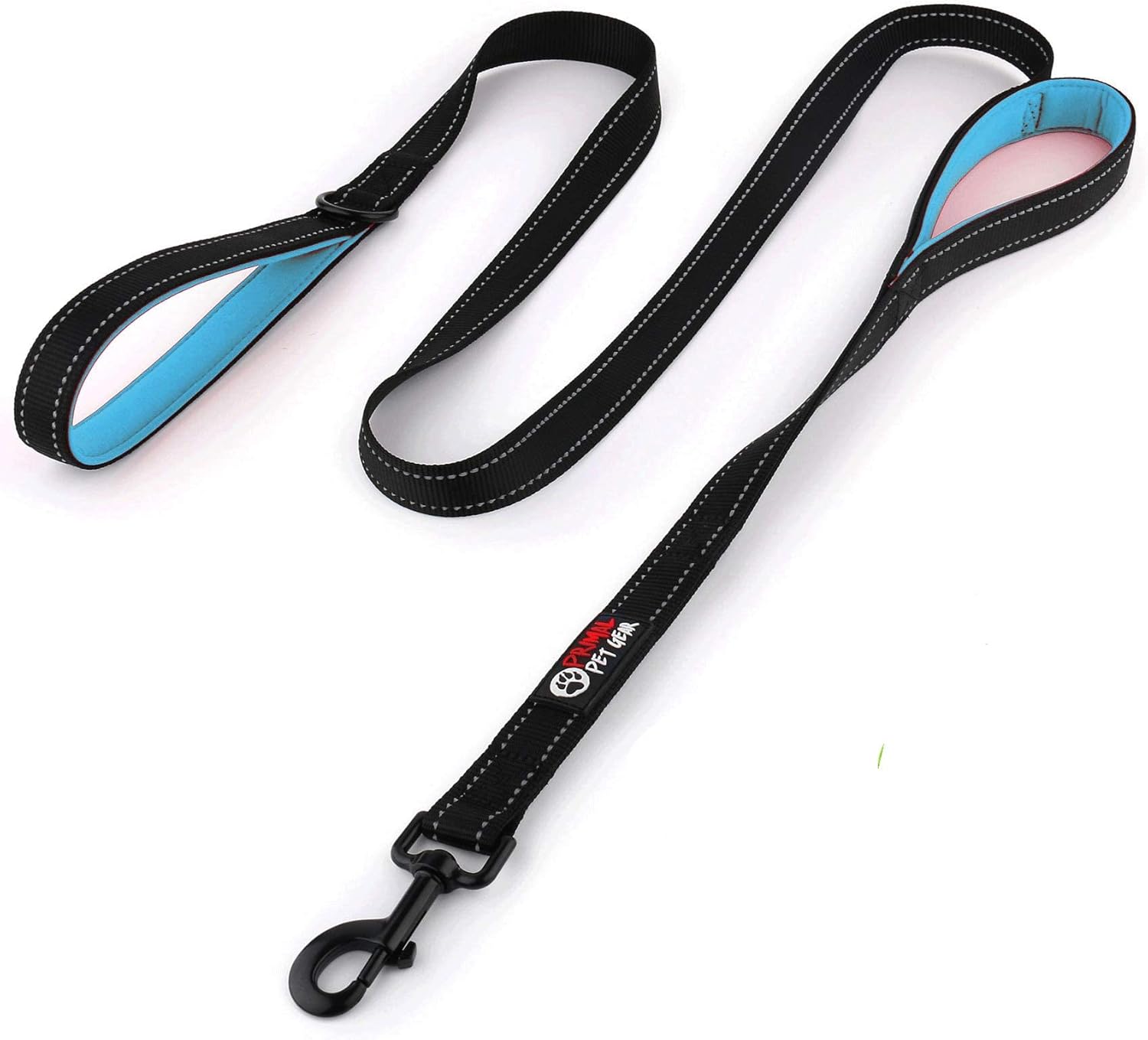
Halti Training Lead For Dogs, Double Ended Dog Training Leash for Halti Head Collar and No Pull Harness, Black Training Leash for Medium Dogs and Large Dogs
See current price


HoAoOo
HoAoOo Pet Training Clicker with Wrist Strap - Dog Training Clickers (New Black + Blue)
See current price


Dongguan Zhishang Technology Co., Ltd.
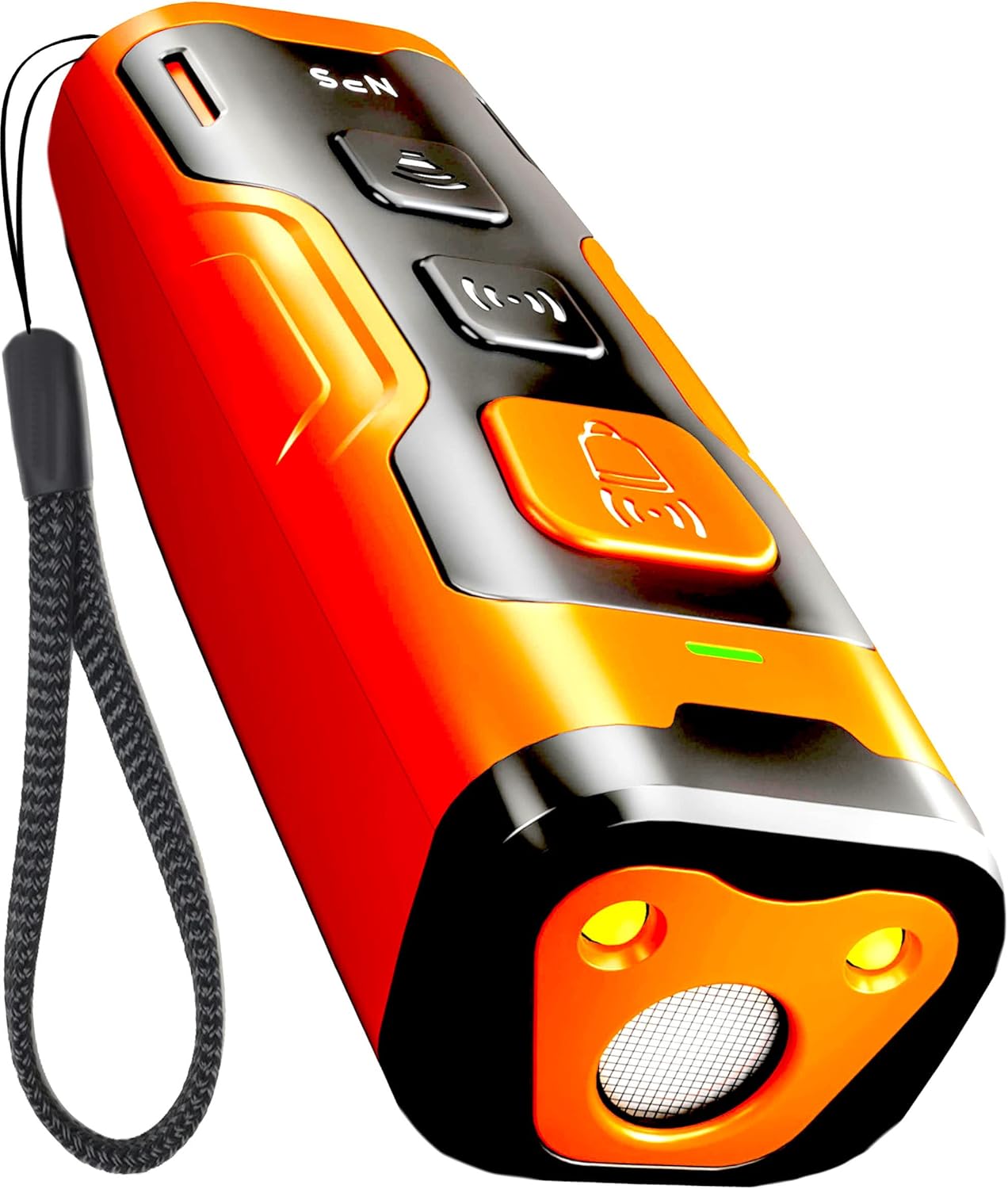
Ultrasonic Dog Bark Deterrents Control Device, Anti Barking Device, Dog Barking Control Device with LED Flashlight 25 FT Range, 3 Training Modes for Small and Medium Dogs and Large Dogs Rechargeable
See current price


Petest
Petest 25ft Tie-Out Cable with Crimp Cover & Buffer Spring for Large Dogs Up to 90 Pounds
See current price


![Angel-Vac Nasensauger / Staubsauger, Nasenstaubsauger Angel Vac [Babyartikel]](https://m.media-amazon.com/images/I/81mwvmsjrcL._AC_SL1500_.jpg)
Rapchel
Angel-Vac Nasensauger / Staubsauger, Nasenstaubsauger Angel Vac [Babyartikel]
See current price

Popular brands in Training & Behavior Aids
Training and behavior aids can support communication, routine-building, boundary setting, and reward-based practice. The right choice depends on your dog’s size, temperament, learning goals, and the environment where the aid will be used.
Use this catalog to compare features and specifications across products rather than choosing by appearance alone. Some tools are designed for hands-on training, while others help manage barking, boundaries, rewards, or daily routines.
How to choose a training aid
Start with the behavior or skill you want to address. A clicker or whistle may help create a consistent training signal, while a treat pouch can keep rewards accessible during practice. Boundary and remote-training products require closer attention to fit, range, settings, and proper use.
Consider these questions before comparing individual products:
- Is the aid intended for basic obedience, recall, barking, boundaries, or general behavior management?
- Will it be used indoors, outdoors, at home, or in multiple locations?
- Does the design suit your dog’s size and physical characteristics?
- Can the intensity, sound, timing, or other settings be adjusted?
- Is the product easy to clean, carry, charge, store, or operate during training?
Training aids work best when they support clear, consistent handling. They should not replace supervision, patience, or a plan suited to the individual dog.
Types of training and behavior aids
Reward and signal tools
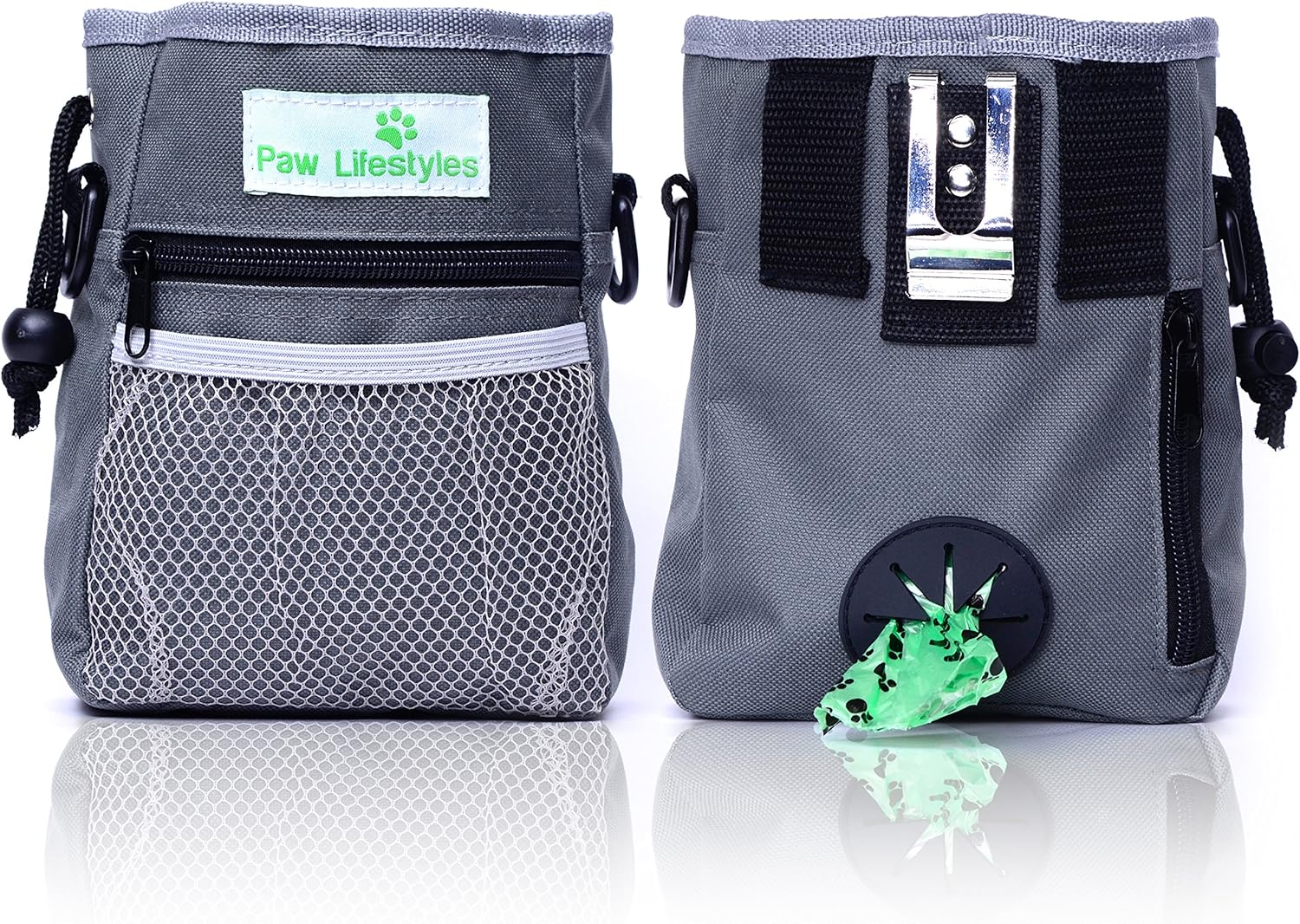
Clickers, whistles, treat pouches, target tools, and similar accessories can make timing and communication more consistent. Look for a design that is easy to operate quickly and comfortable to carry. If treats are part of the routine, consider the pouch opening, capacity, closure, and cleaning requirements.
Leashes, harnesses, and training collars
Some training routines depend on equipment that helps manage movement or maintain control. Compare adjustability, fastening style, material, visibility, and compatibility with your dog’s size. Browse Collars, Harnesses & Leashes when you need equipment that supports walking or handling as well as training.
Bark and boundary systems
Products in this area may use sound, vibration, correction settings, visual markers, or electronic communication, depending on the design. Compare the available modes, adjustment options, coverage or operating range where provided, battery or power requirements, and whether the system is intended for one dog or multiple dogs. Read the instructions carefully and use the least intrusive effective setting.
Calming and behavior-management accessories
Behavior aids may help create a more predictable environment through barriers, routine cues, enrichment, or distraction. Choose products that match the situation rather than assuming one type will address every behavior. For stimulation and engagement, related Toys may complement a structured training routine.
Key specifications to compare
Product details can vary significantly within the same type. Pay particular attention to:
- Fit and adjustability: Check sizing guidance, adjustment range, fastening method, and whether the product is suitable for your dog’s build.
- Controls and settings: Look for clearly described modes, intensity levels, sound options, timers, or other controls relevant to your goal.
- Power and connectivity: For electronic products, compare battery type, charging method, water resistance information, remote operation, and pairing or compatibility details.
- Materials and construction: Consider durability, comfort, flexibility, cleaning needs, and whether exposed components are protected.
- Portability: A compact, lightweight design may be useful for classes, walks, travel, or training in different rooms.
- Included components: Check what comes in the package and whether replacement parts or additional accessories are required.
For dogs that train outdoors, visibility and secure fastening may be especially important. For indoor use, size, noise level, storage, and ease of cleaning may matter more.
Brands in the catalog
The catalog includes products from PetSafe, Radio Systems Corporation, Extreme Dog Fence, Extreme Consumer Products, Nimble, Modus, JUPUDA, Rover on Main, Petphabet, ZNFSZ, iYoPets, and Humutan. Compare each product on its own specifications, intended use, fit information, and included features rather than relying on brand name alone.
Training may also involve rewards, grooming, or health-related routines. Browse Treats for reward options, Grooming for care tools, and Health Supplies when looking for products in those separate areas. Apparel & Accessories may also be relevant for visibility or other wearable needs.
Safe and consistent use
Read the product instructions before use, especially for electronic, remote, boundary, or correction-based equipment. Check fit regularly and inspect straps, clips, wires, batteries, and charging components for wear. Avoid leaving equipment on longer than the instructions allow, and supervise your dog when introducing unfamiliar gear.
Use short, consistent sessions and reinforce the behavior you want to see. If a behavior involves fear, aggression, pain, or a sudden change, consult a qualified veterinarian or behavior professional instead of relying only on a training aid.
Frequently asked questions
What is the best training aid for a dog?
The appropriate aid depends on the behavior, your training method, your dog’s size and temperament, and where training takes place. Compare products designed for the specific task rather than choosing a general-purpose tool.
Are electronic training aids adjustable?
Some products offer adjustable modes or levels, while others have fixed functions. Review the product specifications for controls, settings, operating range, and power requirements before choosing.
How do I choose the right size?
Use the manufacturer’s sizing information and measure your dog as instructed. Check the adjustment range, fastening style, and contact or attachment placement to help ensure a secure, comfortable fit.
Can training aids replace professional help?
No. Training aids can support a consistent routine, but they do not replace veterinary guidance or qualified behavior support for complex, distressing, or unsafe behaviors.
What should I check before using a product outdoors?
Review the instructions for weather resistance, operating range, visibility, battery life, and secure attachment. Inspect the product before each use and supervise your dog during training.