

Underwater Photography Equipment
Compare underwater photography equipment by camera compatibility, waterproof protection, lighting, controls, and portability for snorkeling, diving, travel, and water sports.
189 products in catalog
189 results
Filters

GoPro
GoPro AADIV-001 Super Suit with Dive Housing for HERO7 /HERO6 /HERO5 , Clear, One Size
See current price




Popular brands in Underwater Photography
Underwater photography equipment helps protect cameras from water while making it easier to frame, focus, and capture images below the surface. The right setup depends on the camera you already own, the depth and conditions you expect, and whether you want still photos, video, or both.
This K-Catalog category brings together underwater cameras, protective housings, waterproof cases, lighting accessories, and related gear. Compare specifications and features carefully before selecting equipment for recreational snorkeling, scuba diving, pool photography, or action footage.
How to choose underwater photography gear
Start by deciding whether you need a complete camera system or protection for an existing device. A dedicated waterproof or action camera can be compact and straightforward, while a housing lets you use a compatible camera you already own. Cases and housings are not universally interchangeable, so check the supported camera, phone, lens, and control layout.
Consider the environment as well. Equipment intended for occasional pool use may have different protection requirements from gear used while snorkeling or diving. Check the listed water-resistance or depth specification, sealing method, and whether the product is designed for immersion rather than splashes alone.
Other practical questions include:
- Will you mainly capture photos, video, or a combination of both?
- Do you need physical access to shutter, recording, zoom, or touchscreen controls?
- Is compact size more important than advanced camera controls?
- Will you carry the setup on a boat, during travel, or while wearing dive equipment?
Main types of underwater photography equipment
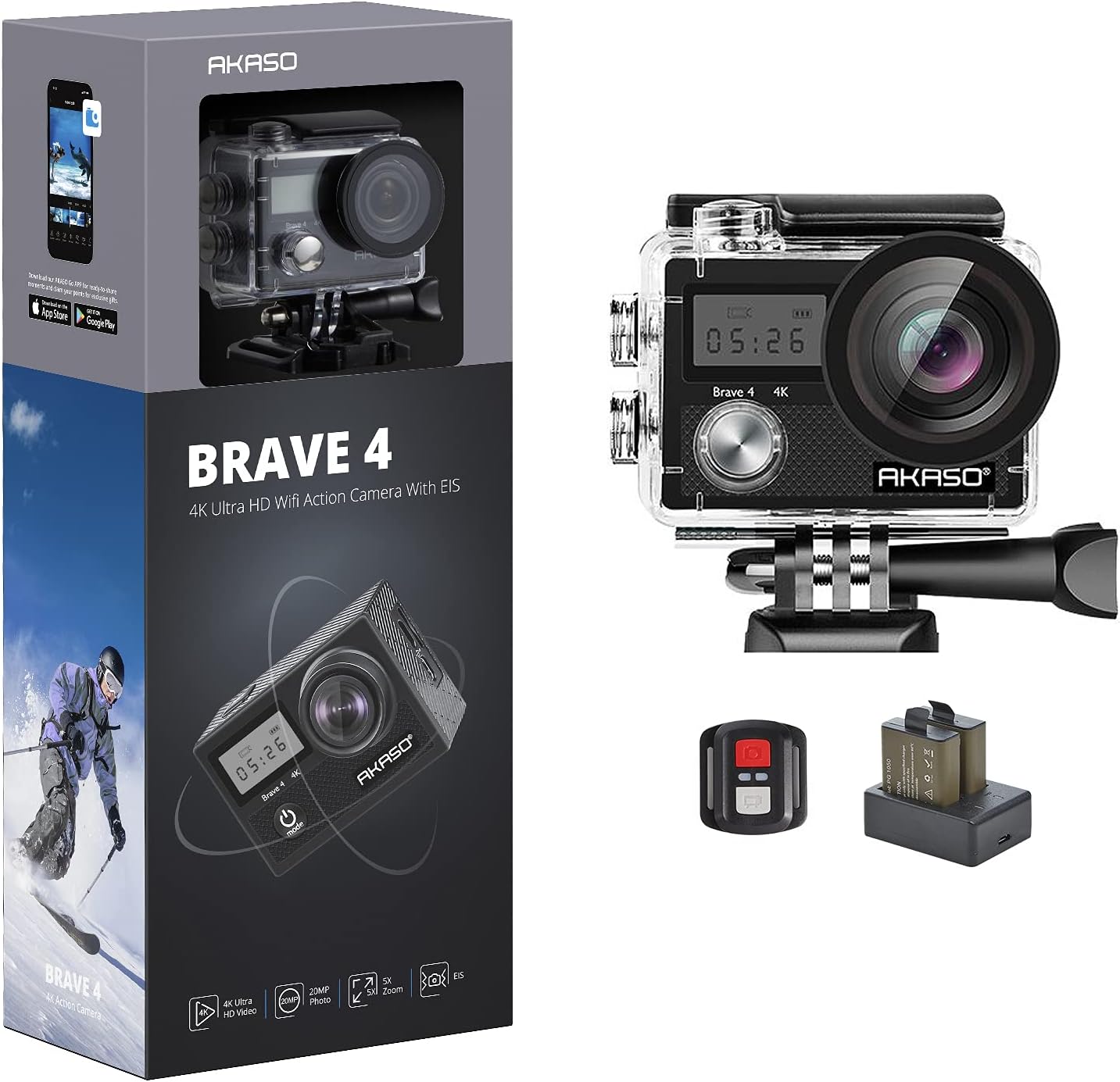
Waterproof and action cameras are convenient for water sports, travel, and hands-free recording. Look for the video modes, photo resolution, stabilization features, field of view, battery options, and controls that match your shooting style. A built-in waterproof design can reduce the number of separate components to carry.
Underwater housings and cases protect a compatible camera or phone while preserving access to selected controls. Confirm exact device compatibility, maximum supported depth, closure design, lens clearance, and whether the housing affects sound or touchscreen operation.
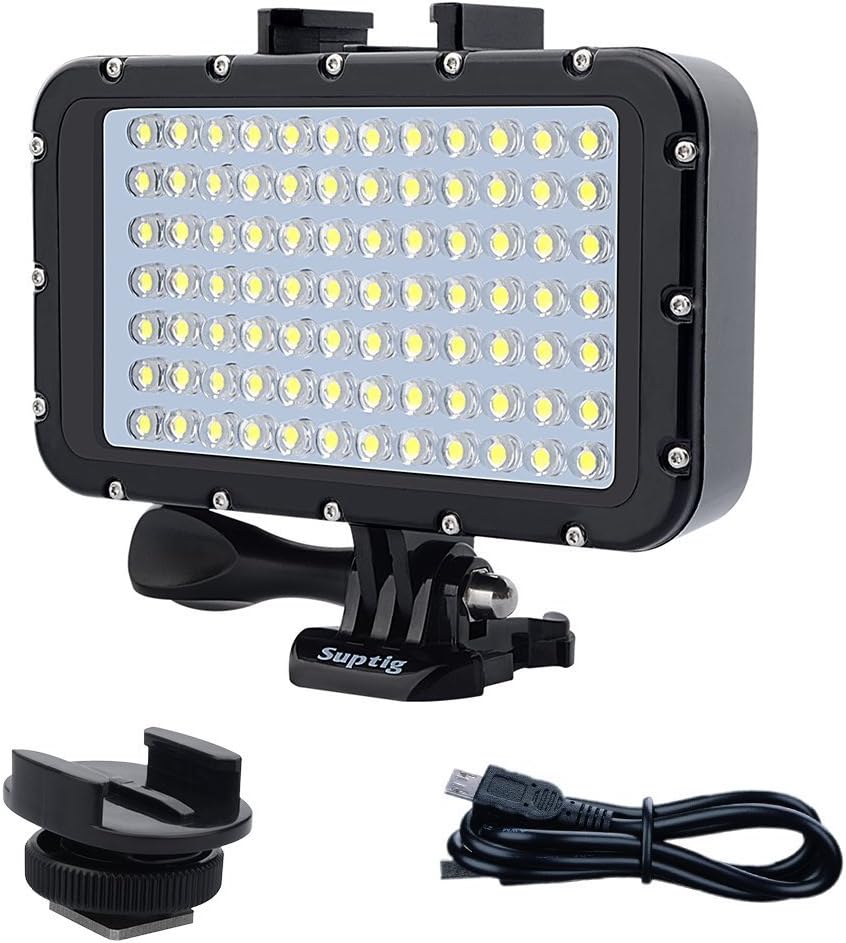
Underwater lights can help illuminate subjects in low-light or murky conditions and may improve color in underwater scenes. Light size, mounting method, beam coverage, brightness controls, battery type, and water-resistance specifications are useful comparison points. Browse Lighting & Studio for related lighting equipment.
Mounts, grips, and carrying accessories can make a camera easier to hold or attach to compatible equipment. Check the mounting interface, included adapters, floatation or tethering features, and whether the accessory is suitable for the intended activity.
Key specifications to compare
Protection is one of the most important specifications. Look beyond a general “waterproof” description and check the stated depth rating, sealing details, closure system, and instructions for inspection or maintenance. A product may be water-resistant for brief exposure without being designed for extended submersion.
Camera compatibility also deserves close attention. Compare supported camera dimensions, lens position, port shape, button placement, and screen access. For a phone case, verify the supported device size and whether the case allows reliable use of the camera controls.
For image and video performance, compare resolution, frame-rate options, stabilization, focus behavior, low-light capability, storage format, and battery runtime as listed. Underwater scenes can reduce contrast and available light, so lighting support and the ability to adjust exposure may matter as much as headline resolution.
For portable setups, consider overall size, weight, grip comfort, attachment points, and whether the equipment can be operated with gloves. A compact system may be easier to pack and handle, while a larger setup may offer more control or room for accessories.
Brands represented in the catalog
The catalog includes underwater photography products from brands such as GoPro, DiCAPac, Suptig, AKASO, QiuNiu, FiTSTILL, Coleman, Polaroid, KODAK, FINEST+, GoPro Camera, and Nechkitter. Compare each product by its own specifications rather than choosing by brand name alone, particularly for camera compatibility, depth protection, included mounts, and lighting support.
If you are building a broader camera setup, Digital Cameras provides a related category to compare camera options. For cables, mounts, memory-related items, and other supporting equipment, see Accessories. A protective travel solution may also be easier to find by browsing Bags & Cases.
Care and preparation tips
Inspect seals, closures, ports, and connection points before entering the water. Follow the manufacturer’s instructions for cleaning and storage, and keep sand, hair, and other debris away from sealing surfaces. Rinse equipment with fresh water after use when the instructions permit, then allow it to dry before opening a housing or case.
Test unfamiliar gear in a controlled environment before taking it on a dive or important trip. Confirm that the camera records correctly, controls respond as expected, batteries are charged, and mounts or tethers are secure. Avoid opening a sealed housing while it is wet or in a location where water can enter easily.
Frequently asked questions
Do I need a dedicated underwater camera?
Not necessarily. A dedicated waterproof or action camera can be convenient, but a compatible housing or case may protect an existing camera or phone. Compare compatibility and depth specifications before choosing.
What should I check in an underwater camera case?
Check the supported device, maximum depth, sealing and closure design, access to camera controls, lens alignment, and whether the case supports the functions you plan to use underwater.
Are underwater lights necessary?
They are not required for every situation. Lights can be useful in darker water or when you want to restore color and detail, but they add weight, battery needs, and mounting considerations.
Can underwater photography gear be used for video?
Many products support photos, video, or both, but capabilities vary. Compare recording modes, stabilization, storage requirements, battery options, and control access for the type of footage you intend to capture.
How can I protect equipment between uses?
Keep seals clean, follow the care instructions, rinse and dry equipment as directed, and store it in a suitable protective case. Inspect the housing or case before each water session.