

Valves for Plumbing Systems
Compare plumbing valves by type, connection, material, size, and intended use. This guide helps narrow options for water lines, fixtures, repairs, and new installations.
89 products in catalog
89 results
Filters


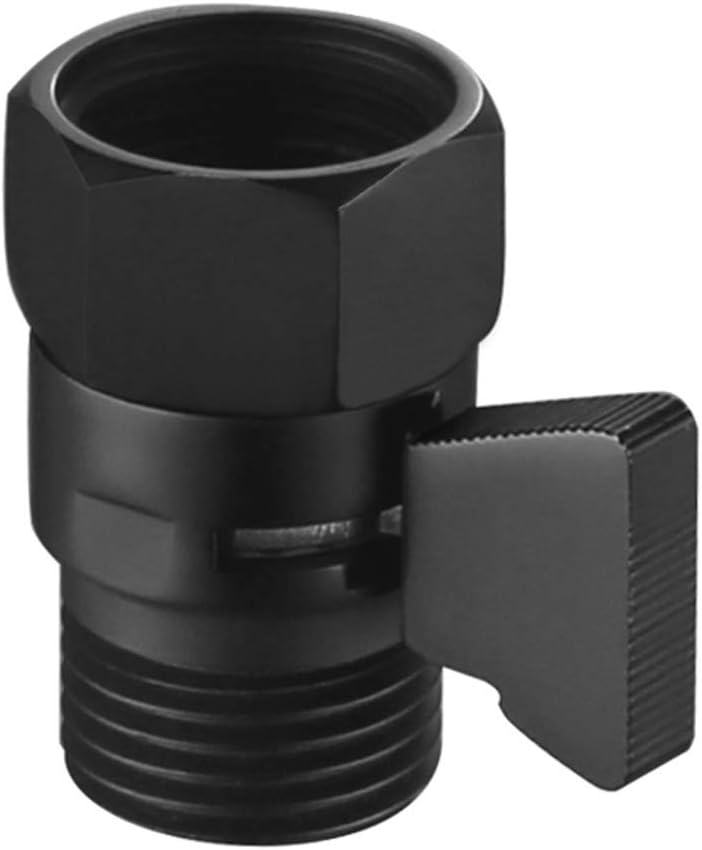


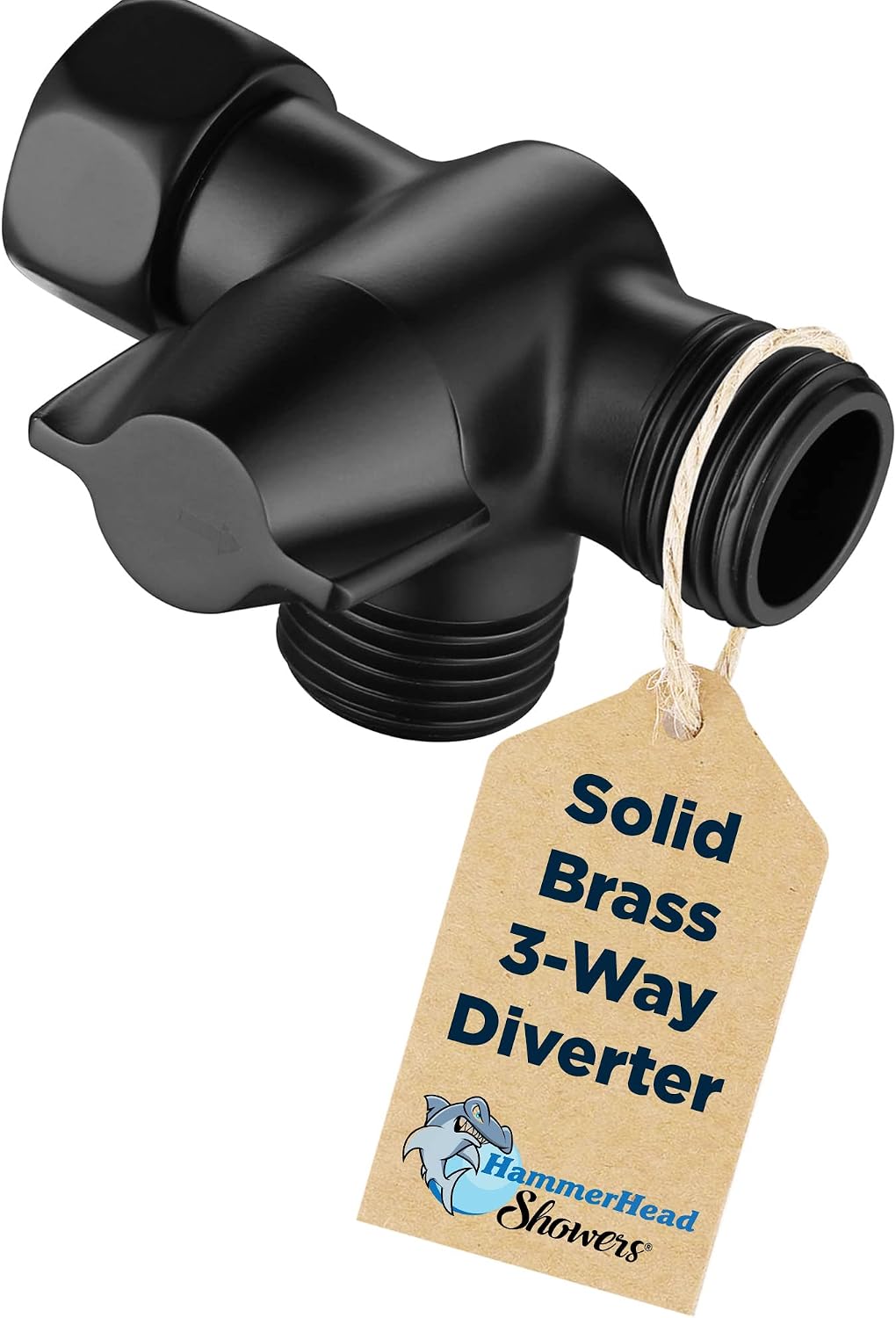


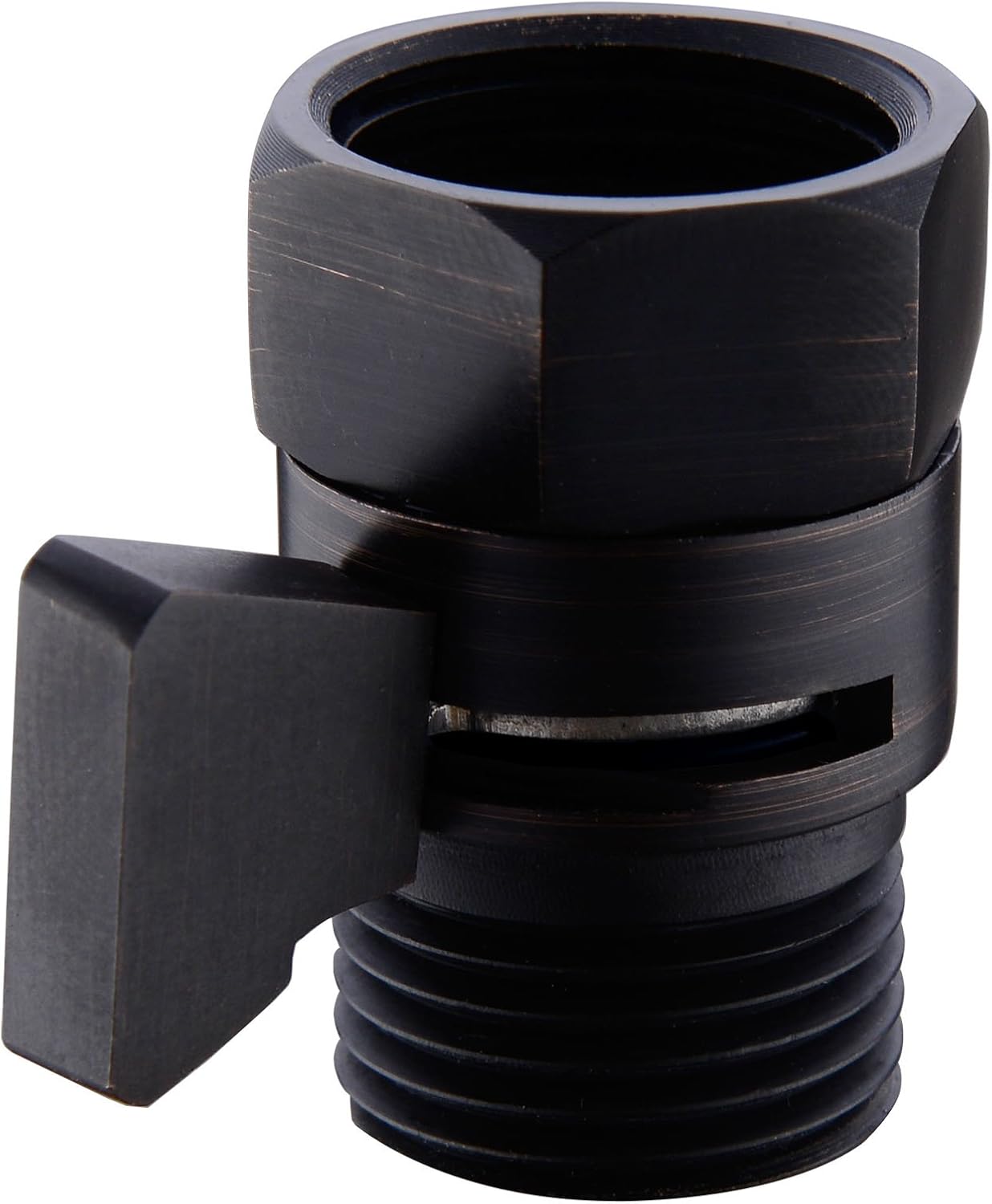

Popular brands in Valves
Valves control, redirect, mix, or stop the flow of water through a plumbing system. The right choice depends on where the valve will be installed, how often it will be operated, the pipe connection, and the pressure and temperature conditions it must handle.
K-Catalog lists valves for a range of rough plumbing applications, from fixture shutoffs to broader water-control tasks. Use the specifications to compare compatible options before selecting a product for a repair, replacement, or installation.
How to choose a plumbing valve
Start by identifying the valve’s job. A simple shutoff valve should stop water flow reliably and be easy to operate. A check valve helps prevent backflow, while a mixing or tempering valve combines hot and cold water and helps regulate the outlet temperature. Other valve designs are intended for flow adjustment, pressure control, or directing water between lines.
Next, verify the installation details:
- Connection type: Match threaded, compression, push-fit, solder, or other connection styles to the existing pipe and fittings.
- Pipe compatibility: Check the nominal pipe size and whether the valve is designed for the pipe material in the installation.
- Flow direction: Some valves must be installed in a specific direction, especially check and pressure-control valves.
- Operating conditions: Confirm the stated pressure and temperature limits are suitable for the water line.
- Access and operation: Consider whether a lever, wheel, button, or automatic mechanism will be easiest to use in the available space.
If replacing an existing valve, matching the connection style and dimensions can reduce the need for additional adapters or alterations.
Common valve types
Ball valves
Ball valves use a rotating internal element and are commonly selected for quick, quarter-turn shutoff. They are useful where the line needs to be opened or closed rather than finely adjusted. Check handle clearance and the valve’s connection style before installation.
Gate and globe valves
Gate valves are designed primarily for on-or-off service. Globe valves can be used where more deliberate flow adjustment is needed, although the appropriate choice depends on the system and manufacturer specifications. These designs may require more room to operate than compact lever-style valves.
Check valves
Check valves allow water to move in one direction and help limit reverse flow. Review the arrow marking, permitted installation orientation, flow requirements, and service conditions. A check valve should be selected for the line and application rather than treated as a universal replacement.
Mixing, pressure, and specialty valves
Mixing valves combine water from separate supplies, while pressure-reducing valves help manage excessive incoming pressure. Other specialty valves may be intended for particular fixtures, appliances, pumps, or water-heating equipment. Compare the valve’s purpose and required settings with the plumbing system before buying.
For connected components, browse Pipes, Pipe Fittings & Accessories and Water Pumps, Parts & Accessories.
Key features and specifications to compare
Material and finish affect durability, corrosion resistance, and suitability for the surrounding installation. Common valve materials include brass, stainless steel, plastic, and other engineered materials. The material should be compatible with the water service and the pipe or fitting it joins. A decorative finish may matter for an exposed installation, but internal construction and connection specifications are more important for rough plumbing.
Look closely at the product listing for flow capacity, pressure ratings, temperature limits, approved use, and installation orientation. For a hot-water application, confirm that the valve is specifically rated for the expected service. For potable-water systems, check whether the product is identified as suitable for that use.
Also compare the valve body dimensions, handle position, serviceability, and included parts. A compact valve may fit a confined space, while a larger body or extended handle may be easier to access. Do not assume that visually similar valves have interchangeable threads, seals, or internal dimensions.
Brands represented in the catalog
The Valves catalog includes products from Moen, KES, carvedexquisitely, Delta Faucet, Mathtoxyz, CIENCIA, YOO.MEE, APLusee, EZ-FLO, Vematy, Hibbent, and Suntisbo. These brands are represented across the available catalog selection. Compare each product on its own specifications, connection details, intended application, and included hardware rather than choosing by brand name alone.
For fixture-specific components, related categories such as Faucet Parts and Toilet Parts may help locate compatible repair items. For larger hot-water systems, see Water Heaters & Parts.
Installation and compatibility tips
Shut off the water supply and relieve pressure before removing an existing valve. Confirm that the replacement connections match before applying sealant or making permanent pipe changes. Use a sealant or sealing method appropriate for the connection type; compression, push-fit, and threaded connections do not all use the same approach.
After installation, open the supply gradually and inspect every joint for leakage. Operate the valve through its intended range and verify that flow stops, redirects, or mixes as expected. If the installation involves significant pressure, hot water, concealed piping, or local code requirements, professional plumbing assistance may be appropriate.
For maintenance-related equipment, Drain Cleaning Equipment is a separate category from flow-control valves.
Frequently asked questions
What is the most important valve specification to check?
The connection type and size are essential because an otherwise suitable valve may not fit the existing pipe. Also confirm the intended function, pressure, temperature, and material compatibility.
Can any shutoff valve replace another?
No. Shutoff valves can differ in connection method, dimensions, flow path, pressure rating, and operating clearance. Match the replacement to the existing installation and service conditions.
Are ball valves suitable for flow regulation?
Ball valves are generally chosen for quick shutoff. If the system requires precise or ongoing flow adjustment, compare valves specifically designed for that purpose.
Which valve helps prevent backflow?
A check valve is designed to permit flow in one direction and restrict reverse flow. Installation direction and application requirements still need to be verified.
Should valve material match the pipe material?
The materials do not always need to be identical, but they must be compatible with the water service, connection method, and installation environment. Follow the manufacturer’s specifications.