
Airthings
Airthings 2930 Wave Plus - Radon & Air Quality Monitor (CO2, VOC, Humidity, Temp, Pressure) 20 x 30 x 1
See current price

Compare airflow and air quality instruments for ventilation checks, environmental monitoring, and facility work. Review sensing capabilities, measurement ranges, accuracy, and data features before choosing.
67 products in catalog
67 results
Airthings
See current price


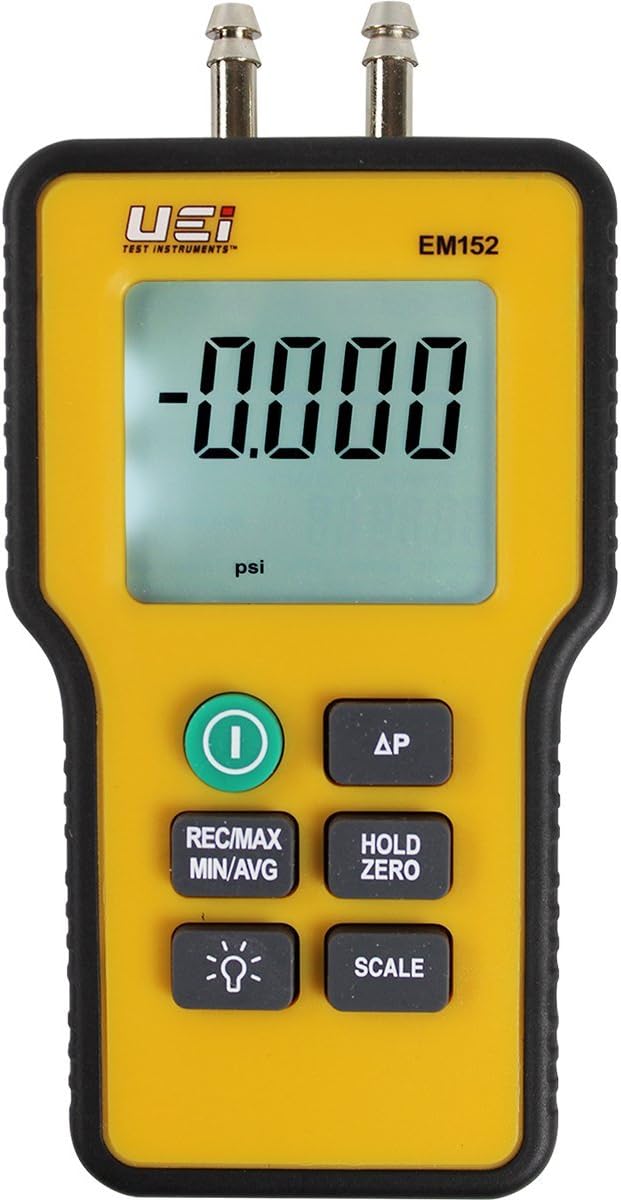


Airthings
See current price
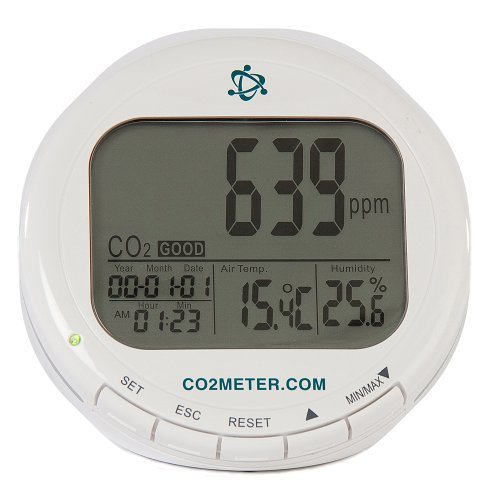
CO2Meter
See current price


Airflow and air quality instruments help quantify conditions that are difficult to judge by feel alone. Depending on the device, measurements may support ventilation checks, indoor environmental monitoring, grow-room management, workplace assessments, or equipment troubleshooting.
K-Catalog brings together products from brands including VIVOSUN, STELLATE, Testo, Temtop, Airthings, Qingping, CO2Meter, and UEi Test Instruments. Compare the specifications and features that match your application, then check the current product details before buying.
Start with the condition you need to measure. Airflow tools are generally intended to assess moving air, while air quality instruments focus on gases, particles, environmental conditions, or combinations of these measurements. Some products are designed for quick spot checks; others are better suited to ongoing monitoring.
Consider where measurements will be taken. A compact monitor may suit rooms, offices, or work areas, while a probe-based instrument can be more practical for ducts, vents, machinery, or hard-to-reach locations. For repeated inspections, look for features that make measurements easy to record and compare.
This category sits within Test, Measure & Inspect, alongside tools for other diagnostic and measurement tasks.
Because applications vary, compare the instrument’s intended measurement type before focusing on convenience features.
Measurement range and accuracy should be considered together. A wide range is not automatically useful if the instrument is not suited to the precision needed for your task. Check the stated accuracy, resolution, repeatability, and any conditions attached to those specifications.
Also compare:
The catalog includes products from VIVOSUN, STELLATE, Testo, Temtop, Airthings, Qingping, CO2Meter, PalliPartners, Langkou, IGERESS, PerfectPrime, and UEi Test Instruments. These brands may appear across different instrument styles and measurement purposes, so compare the individual product specifications rather than choosing by brand name alone.
Air conditions are often evaluated alongside other measurements. For physical size and layout checks, browse Dimensional Measurement. If the task involves identifying or analyzing a material, Substance Analysis Instrumentation may be relevant.
Temperature and humidity can affect how an indoor environment is understood, making Temperature & Humidity another useful category to compare. For systems where airflow is part of a broader equipment inspection, consider Pressure & Vacuum or Inspection & Analysis.
An airflow meter measures the movement of air, while an air quality monitor measures selected gases, particles, or environmental conditions. Check the listed sensors to confirm the distinction.
Review the probe design, airflow measurement range, supported units, accuracy, response time, and whether the instrument is suited to the access limitations of the duct or vent.
Not necessarily. A CO2 monitor centers on carbon dioxide, while a broader air quality monitor may measure additional pollutants or environmental conditions. Compare the sensor list carefully.
Data logging helps when conditions change over time or when measurements need to be documented. Compare memory, sampling controls, export methods, and power requirements.
Often, yes. They can provide useful context for indoor environmental monitoring and may be included as additional measurements. Check whether the instrument supports them if they matter to your application.