

Inspection & Analysis Tools
Compare inspection and analysis equipment for visual checks, hard-to-reach areas, troubleshooting, and technical evaluation. Focus on the specifications and features that match your workflow.
256 products in catalog
256 results
Filters


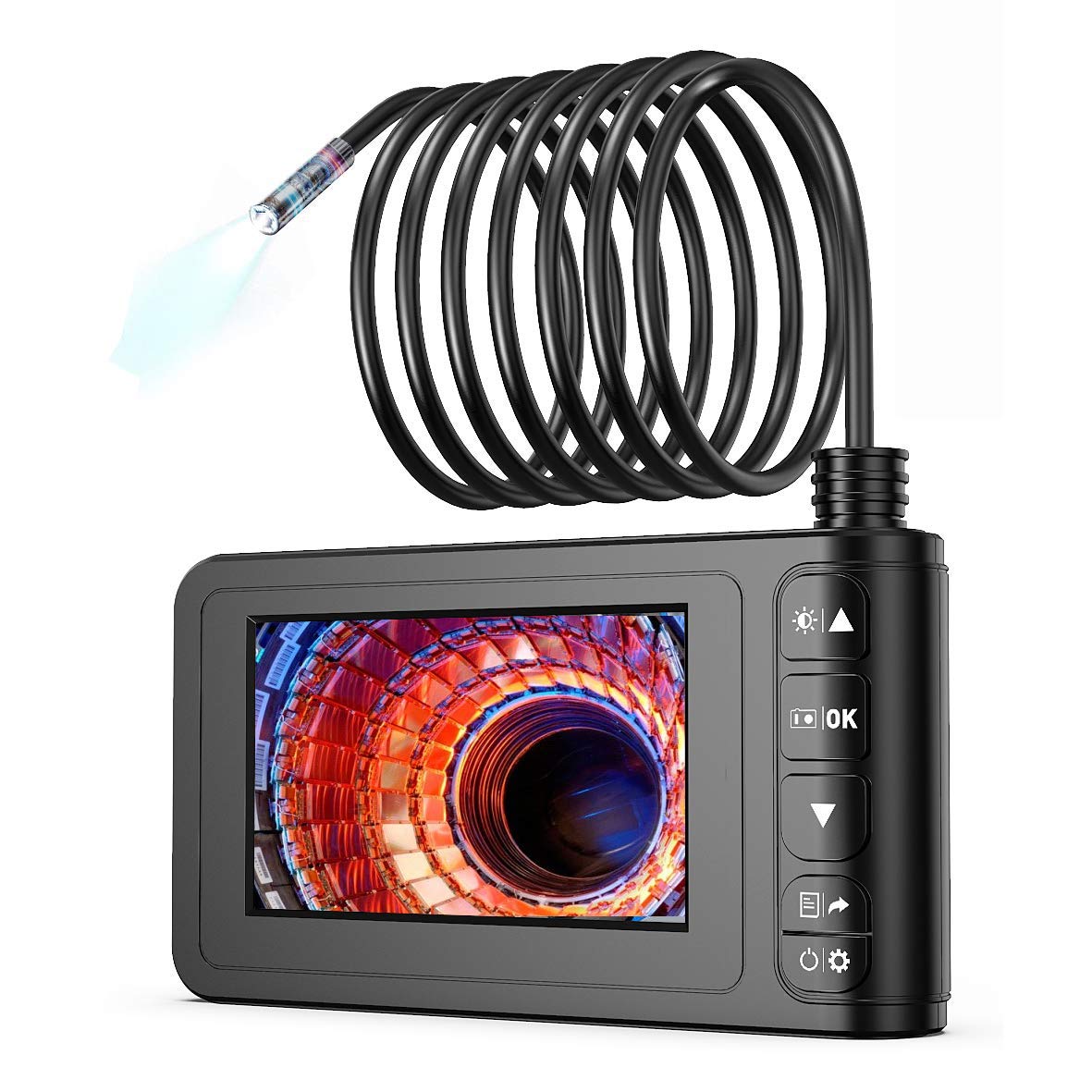


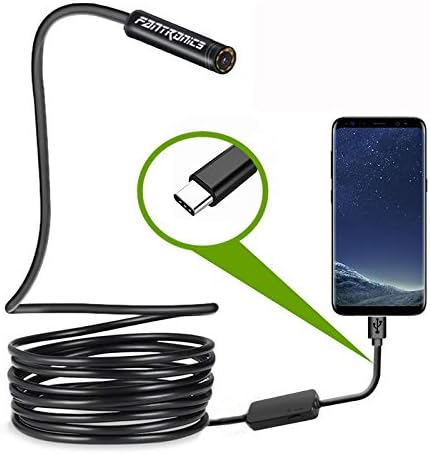




Generic
Telescoping LED Lighted Flexible Inspection Mirror 360 Swivel for Extra Viewing
See current price

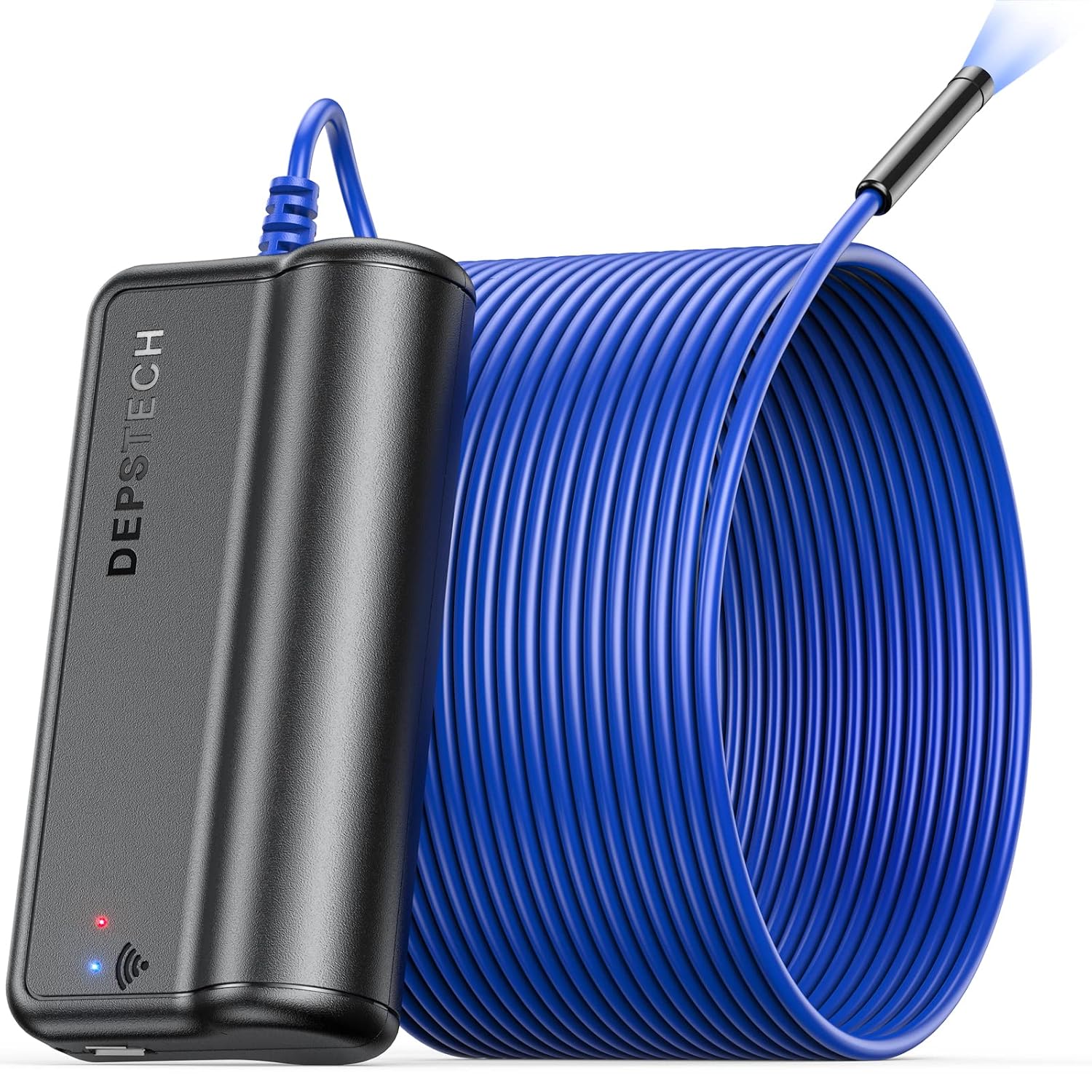


Popular brands in Inspection & Analysis
Inspection and analysis tools help operators examine components, surfaces, assemblies, and environments without relying on guesswork. This broad category includes equipment for visual inspection as well as tools that support more focused testing and measurement tasks.
The right choice depends on what you need to observe, where the inspection will take place, and how the results will be used. Compare the available specifications carefully, since a tool suited to occasional household troubleshooting may not meet the needs of industrial maintenance or quality control.
How to choose inspection and analysis equipment
Start by defining the inspection task rather than choosing by appearance alone. Consider:
- What must be examined: Internal spaces, machinery, electronics, pipework, surfaces, wiring, or general assemblies may require different equipment.
- Access limitations: A narrow opening, long reach, awkward angle, or obstructed line of sight can determine the appropriate form factor.
- Image or data requirements: Decide whether you need a basic visual check, recorded images, live viewing, measurements, or more detailed analysis.
- Working conditions: Dust, moisture, heat, vibration, low light, and confined spaces can affect tool suitability.
- Frequency of use: Occasional inspections may favor simple operation, while regular professional work can justify more control options and durable construction.
If the job involves a specific physical quantity, another measurement-focused category may be more appropriate. Browse Dimensional Measurement for size and geometry tasks, or Temperature & Humidity when environmental readings are central to the inspection.
Types of inspection and analysis work
Inspection & Analysis is a wide category, so think about the role the equipment will play in your process. Visual inspection tools are useful for locating damage, wear, blockage, corrosion, loose connections, or other visible conditions. Compact camera-based equipment can be especially useful when direct access is difficult.
For material or substance-focused work, Substance Analysis Instrumentation may be a closer match. When the main concern is diagnosing circuits, power systems, or electrical connections, compare the equipment in Electrical Testing.
Other neighboring applications include:
- Pressure-related checks: Pressure & Vacuum covers tasks where pressure or vacuum readings are the primary result.
- Data and communications troubleshooting: Network & Cable Testers is more relevant for checking network infrastructure and cabling.
- Environmental monitoring: Temperature and humidity instruments can help identify conditions that affect equipment, storage, or processes.
These categories can overlap in real workflows. For example, a maintenance task may begin with visual inspection and continue with electrical, dimensional, or environmental testing.
Features and specifications to compare
The most important specifications vary by application, but several are worth reviewing before selecting a product:
- Viewing and imaging: Check display characteristics, image clarity, illumination, camera orientation, and whether images or video can be saved.
- Probe or tool design: For camera-based inspection equipment, examine the probe diameter, reach, flexibility, articulation, and attachment options.
- Lighting: Built-in illumination can make a difference in dark cavities, under equipment, or inside enclosed spaces. Look for adjustable control when the inspection area may vary.
- Controls and interface: A straightforward control layout can reduce setup time. Consider screen size, button placement, menus, and whether the device can be operated while wearing work gloves.
- Power and portability: Compare battery type, charging method, expected operating needs, overall size, and carrying requirements.
- Protection and construction: If the tool will be exposed to moisture, dust, impacts, or demanding work areas, review the stated protection features and operating limitations.
- Connectivity and storage: Wireless connection, cable connection, removable storage, or computer compatibility may matter when findings need to be shared or archived.
Avoid treating a single specification as a complete measure of performance. A high-detail display may not compensate for poor access, limited lighting, or a probe that cannot reach the inspection point.
Brands represented in the catalog
The catalog includes inspection and analysis products from DEPSTECH, Teslong, Ullman, Oiiwak, KZYEE, DBPOWER, zealtron, NIDAGE, LONEVO, EconoLED, SKYBASIC, and Pancellent. These brands are represented across the catalog, giving shoppers multiple product pages to compare by design, included accessories, imaging features, controls, and stated operating specifications.
Brand familiarity can be useful, but the application should remain the main selection factor. Compare the exact product specifications and included equipment rather than assuming that products from the same brand will have identical capabilities.
Practical inspection tips
Before using any inspection tool, identify the inspection point and confirm that the equipment is suitable for the environment. Keep lenses, probes, connectors, and displays clean according to the manufacturer’s instructions. Dirt or condensation can obscure findings and may be mistaken for a defect.
Use consistent viewing angles and lighting when comparing conditions over time. If the equipment supports image or video capture, organize files with useful names and inspection dates. For safety-critical work, treat visual inspection as one part of a broader procedure and follow the applicable workplace and manufacturer guidance.
Also verify compatibility before purchase. Check connector types, operating-system requirements, storage methods, probe dimensions, power accessories, and any stated limits on temperature, moisture, or exposure.
Frequently asked questions
What are inspection and analysis tools used for?
They support visual examination, troubleshooting, condition checks, and technical evaluation of components, equipment, spaces, and processes.
How do I choose a tool for hard-to-reach areas?
Prioritize access-related specifications such as probe diameter, reach, flexibility, articulation, lighting, and the viewing angle available at the inspection point.
Is image recording important?
Recording can be useful when findings must be documented, shared, compared later, or included in maintenance records. It is less important for a simple real-time check.
Should I choose one general-purpose tool or specialized equipment?
A general-purpose tool may suit varied, occasional tasks. Specialized equipment is usually a better fit when the work requires a particular measurement, environmental tolerance, connection type, or analysis method.
What should I verify before using inspection equipment?
Confirm the tool’s operating limits, power requirements, accessories, compatibility, cleaning instructions, and suitability for the inspection environment.