

Pressure & Vacuum Measurement Equipment
Compare pressure and vacuum measurement products by range, accuracy, connection, construction, and application. Use the specifications to identify instruments suited to your system and working conditions.
134 products in catalog
134 results
Filters
Availability
Brand
Price
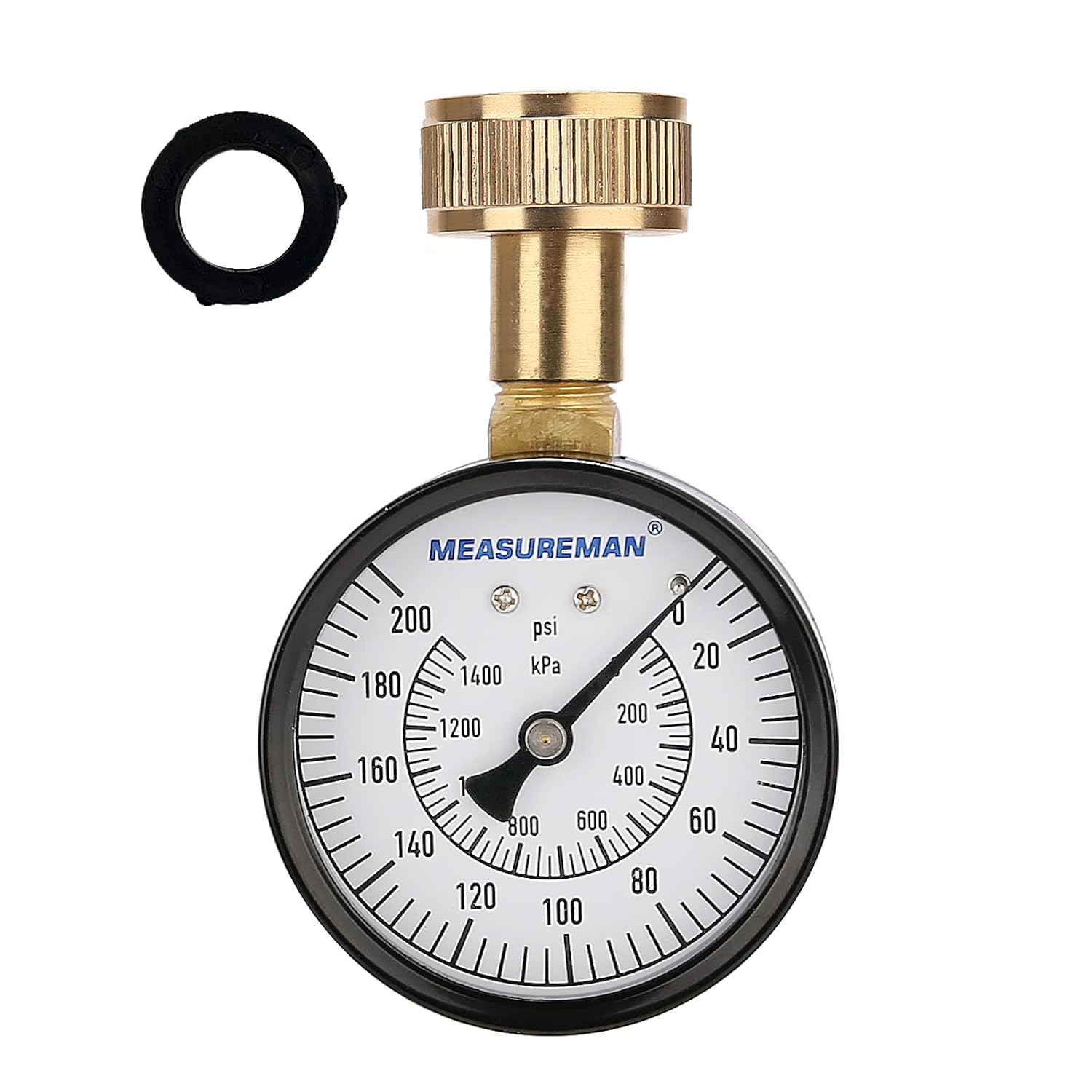
MEASUREMAN
MEASUREMAN 2-1/2" Water Pressure Test Gauge, 3/4" Female Hose Thread, 0-200 psi/kpa
See current price


CARBO INSTRUMENTS
CARBO Instruments 2- 1/2" Pressure Gauge,Water Pressure Test Gauge, 3/4" Female Hose Thread, 0-200 PSI with Red Pointer
See current price


Schneider Electric
Square D - 9013FSG2J21 Air-Pump Pressure Switch, 30-50 psi Pressure Setting, 20-65 psi Cut-Out, 15-30 psi Adjustable Differential
See current price


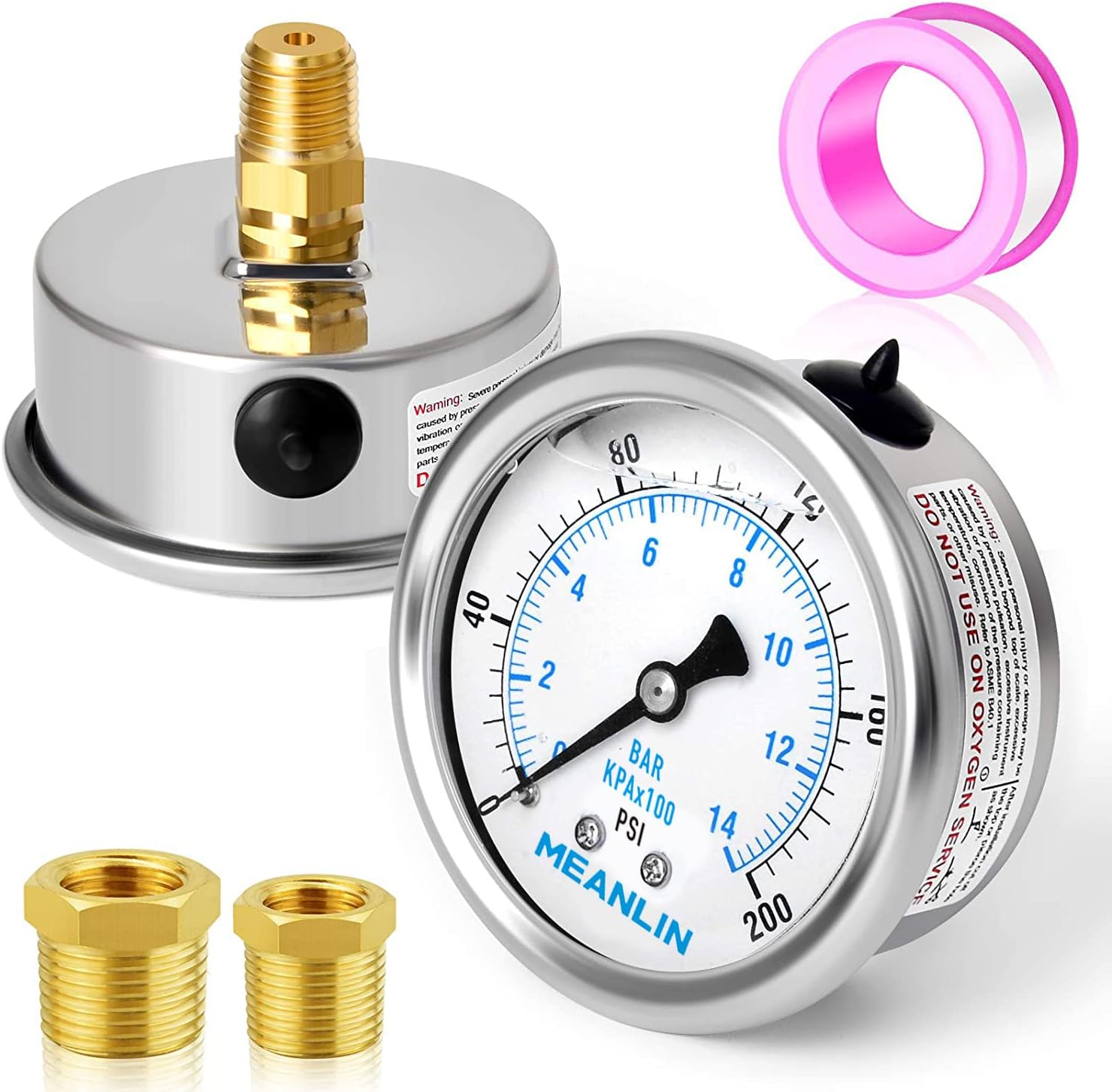


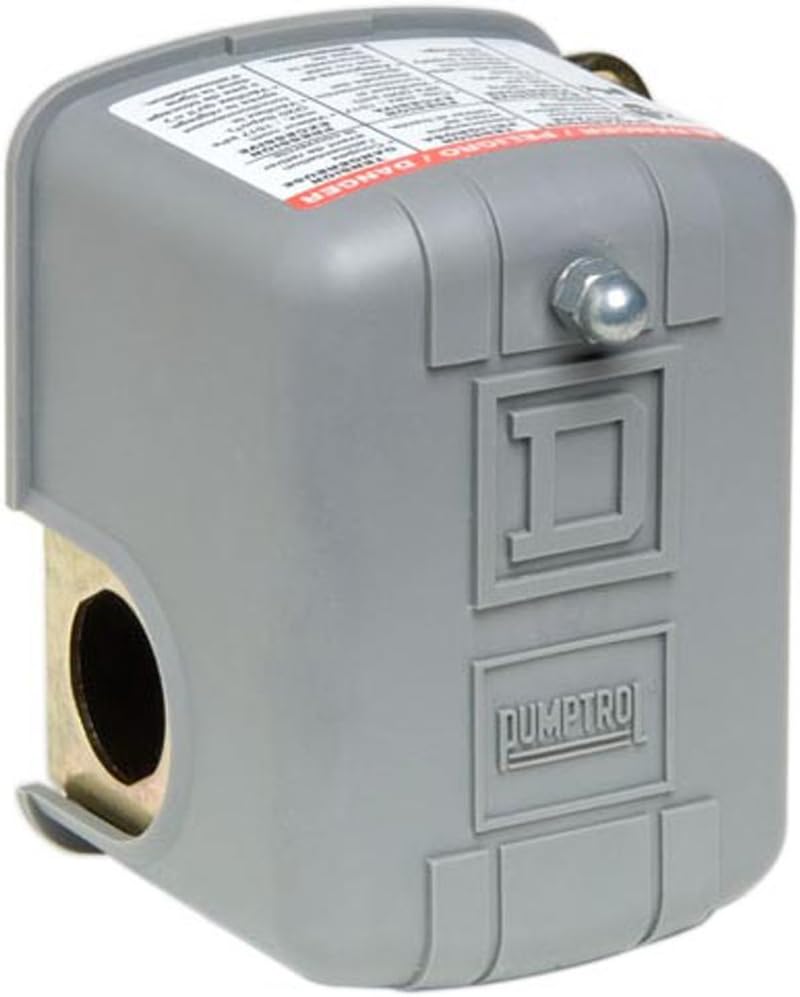
TELEMECANIQUE SENSORS
Square D - FSG2J24M4CP 40-60 PSI Pumptrol Water Pressure Switch with Low Pressure Cut-Off
See current price





Emerson Process Management Regulator Technologies, Inc.
Emerson-Fisher LP-Gas Equipment R622-DFF 2nd Stage Regulator, 9-13" W.C Spring, 3/4" x 3/4" NPT
See current price


Popular brands in Pressure & Vacuum
Pressure and vacuum instruments help monitor conditions in pneumatic, hydraulic, process, laboratory, and maintenance applications. This category brings together equipment for reading, controlling, or checking pressure and vacuum so shoppers can compare specifications before selecting a product.
The right choice depends on more than the displayed measurement. Consider the pressure type, expected operating range, connection style, materials, environment, and whether the instrument is intended for indication, switching, testing, or control.
How to choose pressure and vacuum equipment
Start by defining what needs to be measured and how the result will be used. A visual reading may call for a gauge, while an automated system may need a pressure switch or sensor. Vacuum applications also require attention to whether the instrument measures vacuum relative to atmospheric pressure or an absolute reference.
Important questions include:
- What is the measurement range? Select a range that covers normal operating conditions without placing the instrument near its limit during routine use.
- How important is accuracy? General monitoring and calibration work have different requirements. Check the stated accuracy and how it is defined in the product specifications.
- What medium is involved? Confirm compatibility with air, water, oil, gas, refrigerants, chemicals, or another fluid before installation.
- Where will it be installed? Temperature, vibration, moisture, dust, outdoor exposure, and limited space can affect the suitable design.
- How will it connect? Match the port size, thread standard, orientation, and mounting method to the existing system.
Common types to compare
Pressure gauges provide a direct local reading and can suit equipment checks, process monitoring, compressors, pumps, and other systems. Compare dial format, scale units, range, case construction, connection position, and whether the gauge is designed for the measured medium.
Vacuum gauges are intended for applications where pressure falls below atmospheric pressure. Check the vacuum scale, connection details, response requirements, and compatibility with the system being evacuated or monitored.
Pressure switches and sensors can send a signal or trigger an action when a set point is reached. For these products, examine switching or sensing range, electrical specifications, set-point adjustment, contact arrangement, response behavior, and enclosure characteristics.
Test and control components may be used alongside gauges or sensors to help isolate, regulate, or verify a system. Confirm that every connected component is rated for the same pressure, temperature, medium, and installation environment.
Key specifications and features
Product specifications are most useful when compared as a complete set rather than one value at a time. Pay particular attention to:
- Pressure units and scale: Make sure the displayed or transmitted units match the requirements of the application.
- Maximum working pressure: This should be appropriate for normal operation and expected fluctuations. Do not confuse a short-term limit with a continuous working rating.
- Accuracy and repeatability: Accuracy describes closeness to the intended value, while repeatability concerns consistency when conditions are repeated.
- Port and connection: Check thread type, nominal size, male or female configuration, and the position of the connection.
- Wetted materials: Materials in contact with the measured medium should resist corrosion and remain suitable for the fluid or gas.
- Display and readability: Dial size, scale layout, pointer visibility, and lighting conditions matter when readings must be taken quickly.
- Electrical details: For powered instruments, compare supply requirements, output type, terminals, and protection features.
- Environmental suitability: Look for information about operating temperature, ingress protection, vibration resistance, and enclosure construction when relevant.
Brands represented in the catalog
The catalog includes products from MEASUREMAN, Winters Instruments, DuraChoice, LDR Industries, TELEMECANIQUE SENSORS, PIC Gauges, MEANLIN MEASURE, Uharbour, TAILONZ PNEUMATIC, Everready First Aid, Merrill, and Solimeta. Brand availability can vary by product type, so compare the specifications of individual listings rather than relying on the brand name alone.
Installation and safety considerations
Before replacing an instrument, verify the system is depressurized, isolated, and safe to access. Use the correct seal or fitting method for the connection, and avoid applying installation force to a gauge body or display. A mounting adapter, snubber, valve, or other accessory may be appropriate in systems with pulsation or rapid pressure changes, but compatibility should be confirmed first.
Do not exceed the listed pressure, temperature, electrical, or medium limits. If the instrument is used for a safety-critical function, select equipment according to the applicable site procedures and industry requirements. Periodic verification may also be appropriate when measurement accuracy affects maintenance, quality control, or process decisions.
For other measurement needs, browse Dimensional Measurement, Substance Analysis Instrumentation, Electrical Testing, and Temperature & Humidity. Additional inspection-related options are available in Inspection & Analysis and Network & Cable Testers. This category is part of the broader Test, Measure & Inspect catalog.
Frequently asked questions
What is the difference between pressure and vacuum measurement?
Pressure measurement commonly describes force above a reference pressure, while vacuum measurement describes pressure below atmospheric pressure. The correct scale and reference depend on the application.
How do I choose the right measurement range?
Choose a range that includes the expected operating pressure or vacuum and leaves suitable room for normal fluctuations. Always compare the working limit, not just the scale shown on the display.
Why does the connection type matter?
The port must match the system’s thread, size, orientation, and sealing method. An incorrect connection can prevent installation or create leakage and safety concerns.
Should I choose a gauge, sensor, or switch?
Choose a gauge for local visual readings, a sensor when a system needs an electrical signal, and a switch when equipment must respond at a defined pressure point.
What should I check for fluid compatibility?
Review the materials that contact the medium and compare them with the fluid or gas, concentration, temperature, and operating conditions. When uncertain, consult the product documentation or a qualified professional.