

Temperature & Humidity Measuring Instruments
Compare temperature and humidity instruments for spot checks, environmental monitoring, HVAC work, storage areas, laboratories, and other measurement tasks. Review specifications and features before clicking through to Amazon.
269 products in catalog
269 results
Filters
Availability
Brand
Price


UEi Test Instruments
UEi Test Instruments PDT650 Folding Pocket Digital Thermometer,Yellow
See current price




Popular brands in Temperature & Humidity
Temperature and humidity instruments help monitor conditions that affect comfort, equipment, materials, products, and processes. This category includes tools for quick readings as well as devices designed to track environmental conditions over time.
The right choice depends on what you need to measure, where the instrument will be used, and how the results will guide your work. Compare the specifications carefully to find a practical fit for your application.
How to choose a temperature and humidity instrument
Start by identifying whether you need temperature measurement, humidity measurement, or both. A simple thermometer may be suitable for checking a room, surface, appliance, or workspace. A thermo-hygrometer combines temperature and relative humidity readings for environmental monitoring.
Consider the measurement setting as well. Indoor air monitoring, HVAC troubleshooting, food or material storage, greenhouse observation, and industrial inspection can each call for different probe styles, operating ranges, and display features.
Think about how often readings will be taken. For occasional spot checks, a compact handheld device may be convenient. For ongoing observation, look for features such as data logging, memory, alarms, remote visibility, or a display that can be read from a distance.
Common instrument types
Temperature and humidity products can vary considerably in design and intended use. Common options include:
- Digital thermometers: Useful for general temperature checks, with designs intended for air, surfaces, objects, or specific working environments.
- Hygrometers and thermo-hygrometers: Designed to measure humidity, temperature, or both in rooms, storage areas, offices, and workspaces.
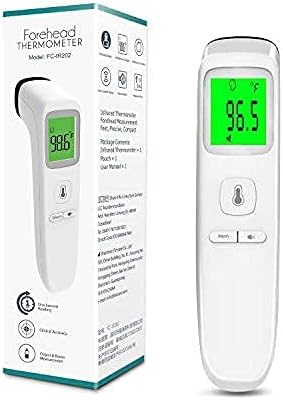
- Infrared temperature meters: Allow non-contact surface measurements and can be useful when the target is hot, moving, distant, or difficult to reach.
- Probe-based instruments: Use an attached or removable probe for readings in locations where the main display cannot be placed directly at the measurement point.
- Environmental monitors and data loggers: Suit applications that require repeated readings, condition tracking, alerts, or later review of recorded data.
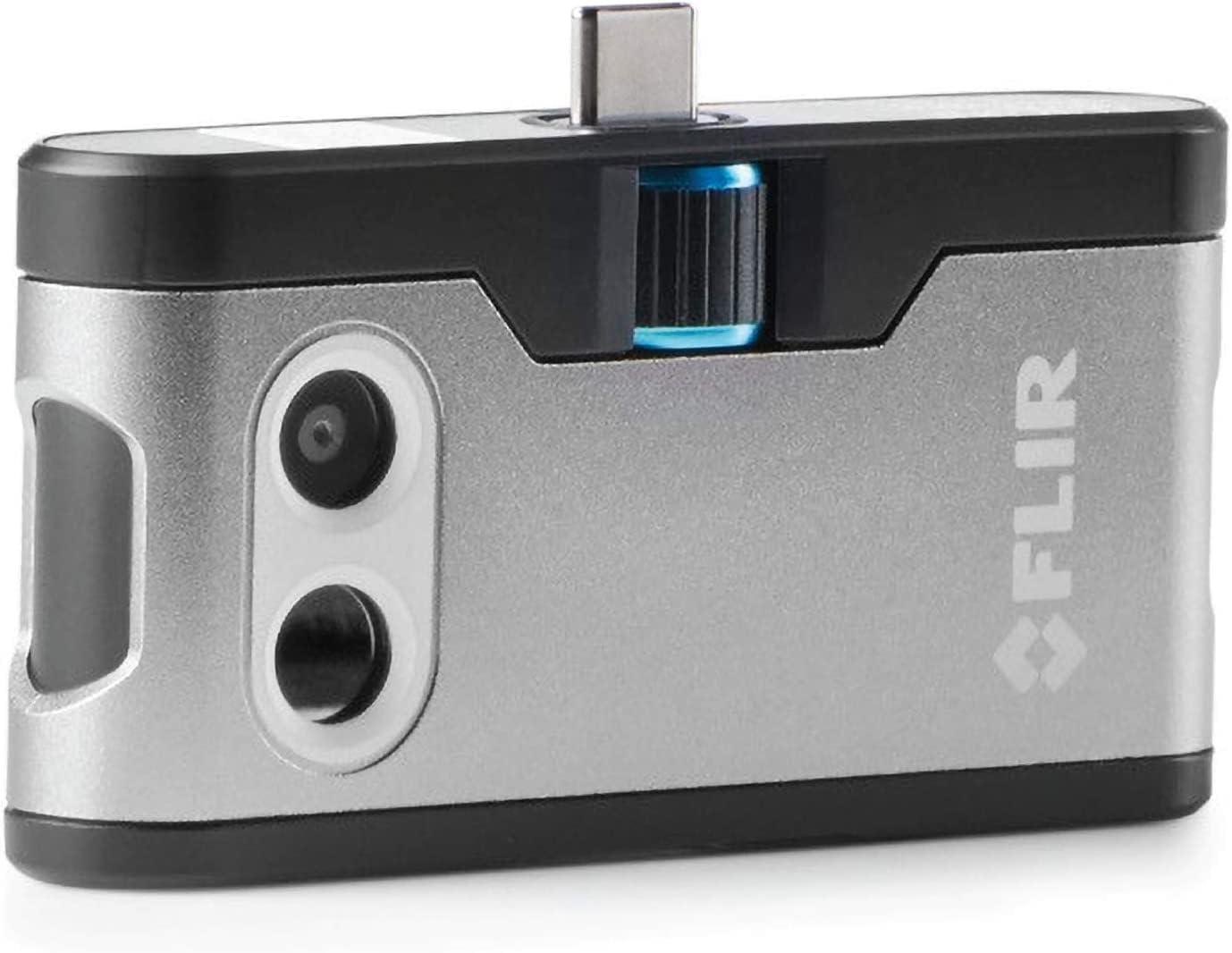
- Thermal imaging tools: Show heat patterns across a surface and can help identify temperature differences during inspection and troubleshooting.
Key specifications and features to compare
Accuracy and resolution matter when readings support quality control, equipment checks, or process decisions. Accuracy describes how close a reading is expected to be to the actual condition, while resolution describes how finely the display presents changes. Compare both rather than relying on either specification alone.
Check the stated temperature and humidity ranges to ensure they cover the conditions where the instrument will operate. A device intended for ordinary indoor monitoring may not suit high-heat, cold, wet, dusty, or rapidly changing environments.
Probe design is another important consideration. Look for the intended measurement method, probe reach, response behavior, and whether the probe is fixed or replaceable. For infrared tools, compare the target-distance relationship, emissivity controls, and surface compatibility described in the product specifications.
Other useful features may include a backlit screen, maximum and minimum readings, hold functions, audible or visual alerts, automatic shutdown, calibration support, wireless connectivity, and compatibility with an app or computer. Choose features that support the task instead of adding unnecessary complexity.
Brands represented in this catalog
Shoppers can compare temperature and humidity products from brands represented in the K-Catalog selection, including Inkbird, Klein Tools, Etekcity, FLIR, Taylor, PerfectPrime, AXHKIO, Fluke, ThermoPro, UEi Test Instruments, MESTEK, and RISWOJOR. Brand availability does not replace checking the individual product specifications, measurement method, intended use, and included accessories.
For broader measurement needs, browse the parent Test, Measure & Inspect category. Related areas such as Dimensional Measurement, Substance Analysis Instrumentation, and Electrical Testing may also be useful when temperature or humidity readings are part of a larger inspection task.
Practical buying and usage tips
Check what is included before choosing a product. A carrying case, probe, mounting option, batteries, protective cover, or software connection can affect how readily the instrument fits into your workflow.
If measurements will be used for documentation or compliance, review the stated calibration information and any available calibration process. Keep sensors clean, protect instruments from conditions outside their specified limits, and allow a device to acclimate when moving it between substantially different environments.
For equipment troubleshooting, temperature and humidity readings may be only one part of the investigation. You may also want to compare Inspection & Analysis, Pressure & Vacuum, or Network & Cable Testers depending on the system being checked.
Frequently asked questions
What is the difference between a thermometer and a thermo-hygrometer?
A thermometer measures temperature. A thermo-hygrometer measures temperature and relative humidity, making it more suitable for monitoring indoor or environmental conditions.
Are infrared temperature instruments suitable for every surface?
No. Infrared readings can be affected by surface properties, distance, reflections, and emissivity. Review the product guidance and specifications for the surfaces and measurement situations you expect to encounter.
Should I choose a handheld meter or a data logger?
Choose a handheld meter for occasional readings and immediate checks. A data logger is more appropriate when conditions need to be recorded over time or reviewed later.
Why do measurement range and accuracy both matter?
The range indicates the conditions the instrument is designed to measure. Accuracy indicates how close the reading is expected to be to the actual value. A suitable instrument needs both an appropriate range and acceptable accuracy for the task.
What should I check before using a humidity sensor?
Review the operating range, response characteristics, calibration information, and any care instructions. Avoid exposing the sensor to conditions beyond its stated limits.