

Anchors for Secure Fastening and Installation
Compare anchors by application, material, load requirements, and installation method. This catalog helps you review specifications and features before choosing compatible fastening hardware.
172 products in catalog
172 results
Filters
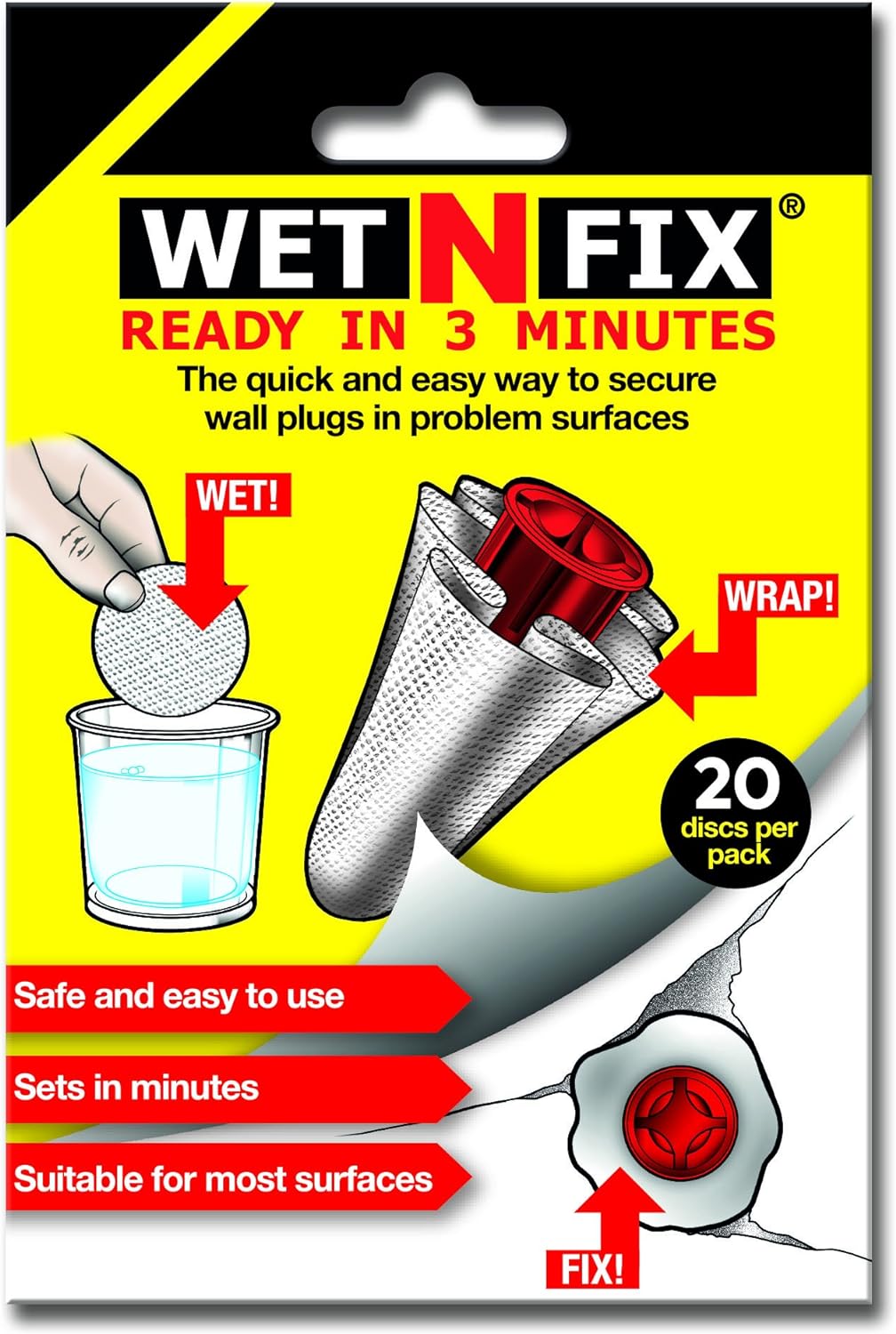

zhejiang excellent industries CO.,LTD
T.K.Excellent Plastic Self Drilling Drywall Ribbed Anchors with Phillips Pan Head Self Tapping Screws Assortment Kit,66 Pieces
See current price

Qualihome
#8 Self Drilling Drywall Plastic Anchors with Screws - No Pre Drill Hole Preparation Required - 75 Lbs
See current price


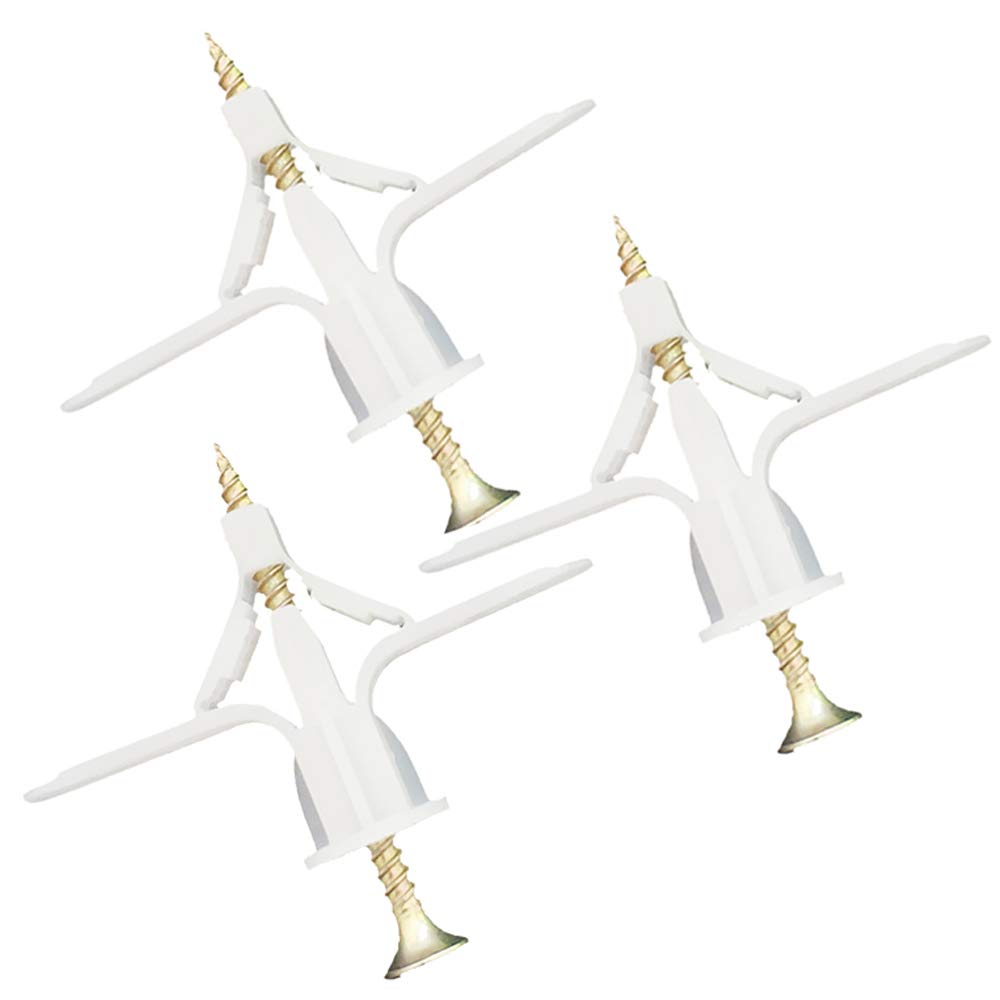


zhejiang excellent industries CO.,LTD
T.K.Excellent Plastic Self Drilling Drywall Ribbed Anchors with Screws Assortment Kit,100 Pieces
See current price

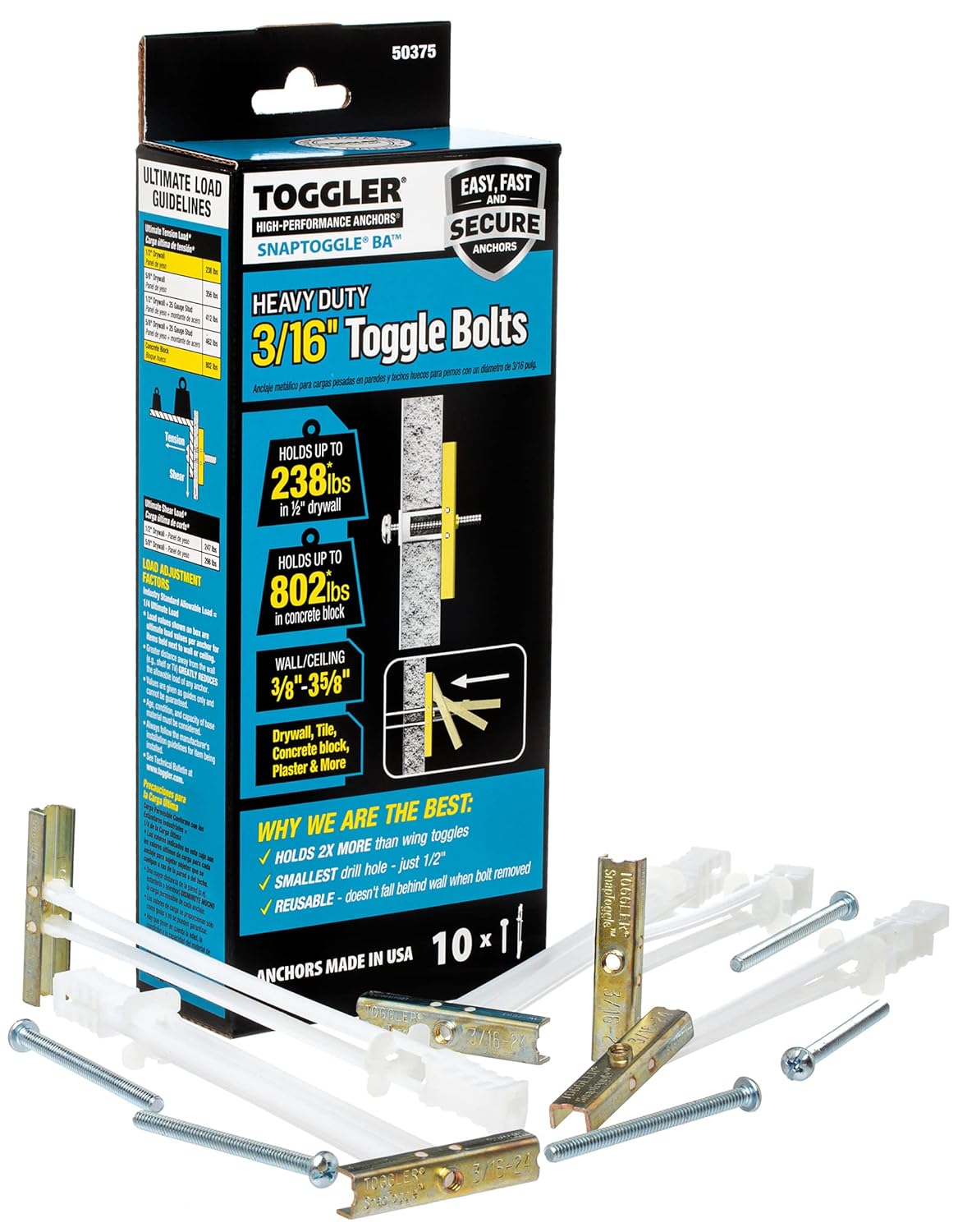
Mechanical Plastics Corp.
TOGGLER SNAPTOGGLE BA Toggle Anchor with Bolts, Zinc-Plated Steel Channel, Made in US, 3/8" to 3-5/8" Grip Range, For 3/16"-24 UNC Fastener Size (Pack of 10)
See current price
Mechanical Plastics Corp.
TOGGLER SNAPTOGGLE BA Toggle Anchor with Bolts, Zinc-Plated Steel Channel, Made in US, 3/8" to 3-5/8" Grip Range, For 3/16"-24 UNC Fastener Size (Pack of 10)
See current price


zhejiang excellent industries CO.,LTD
T.K.Excellent Phillips Pan Head Self Tapping Screws and Ribbed Anchors Assortment Screws Kit,400Pcs
See current price
Popular brands in Anchors
Anchors are designed to secure materials to surfaces where a standard screw or bolt may not provide enough holding support on its own. The right choice depends on the base material, the item being attached, the expected load, and how the anchor will be installed.
Use this page to compare anchor specifications and features from brands represented in the K-Catalog, then confirm that the selected hardware matches the wall, ceiling, masonry, concrete, or other substrate involved.
How to choose an anchor
Start with the surface rather than the fastener alone. Drywall, concrete, brick, block, wood, and other materials have different holding characteristics and may require different anchor designs. An anchor intended for a hollow wall may not be suitable for solid masonry, while a heavy-duty concrete fastening method can be unnecessary for a light indoor fixture.
Consider these factors:
- Base material: Identify whether the anchor will be installed in a hollow, solid, brittle, or dense substrate.
- Load and direction: Think about the weight of the attached item and whether the force will pull straight out, push downward, or create sideways stress.
- Installation space: Some anchors need room behind a wall or require a particular hole depth, while others are installed directly into the surface.
- Fastener compatibility: Check the recommended screw, bolt, or threaded component, including diameter and length.
- Environment: Moisture, outdoor exposure, temperature changes, and corrosive conditions can affect material selection.
For specialized structural work or safety-critical installations, follow the anchor manufacturer’s instructions and any applicable building requirements.
Common anchor types
Anchor designs vary according to the substrate and the way they grip. Common options include hollow-wall anchors that expand or engage behind drywall, masonry anchors that grip in brick or block, and concrete anchors intended for drilled holes in dense material. There are also screw-in styles, sleeve-style designs, expansion anchors, and anchors that use a toggle or other spreading mechanism.
When comparing products, look for clear information about the intended surface and installation method. A product described for light-duty hollow-wall use should not automatically be treated as a substitute for an anchor specified for concrete or structural applications. If the project also requires matching hardware, browse related Screws, Bolts, or Nuts categories.
Key specifications and features to compare
Product listings may differ in the amount of technical information provided, so compare the details that matter most for the installation:
- Anchor diameter and length: These dimensions affect hole size, embedment, and compatibility with the attached material.
- Material and finish: Metal and plastic anchors can suit different applications. Coatings or corrosion-resistant materials may be relevant in damp or exposed locations.
- Drill and installation requirements: Check the required bit type, hole diameter, hole depth, and whether a setting tool is needed.
- Holding or load guidance: Use the manufacturer’s stated limits when available, and account for the condition of the substrate and the direction of the load.
- Pack contents: Confirm the quantity and whether matching screws or other installation components are included.
- Head and drive style: The head shape and drive interface can affect clearance, appearance, and the tools needed for installation.
Do not rely on anchor size alone to determine performance. The substrate, installation quality, edge distance, and the condition of the surrounding material can all influence the result.
Brands represented in the catalog
The Anchors catalog includes products from Toggler, Qualihome, Glarks, The Hillman Group, Zhejiang Excellent Industries CO., LTD, Hilitchi, One Stop Outdoor, Swpeet, KURUI, Mechanical Plastics Corp., CONFAST, and Simpson Strong Tie. These brands are represented across the catalog; compare each listing by its stated application, dimensions, materials, and installation requirements rather than by brand name alone.
For broader fastening projects, related Washers, Collated Fasteners, Nails, and Fasteners categories may help you find complementary hardware.
Installation and safety tips
Read the product instructions before drilling. Mark the location carefully, check for hidden wiring or plumbing where relevant, and use the recommended bit and hole depth. Remove drilling dust from masonry holes when the instructions call for it, since debris can interfere with proper seating.
Avoid installing too close to an edge or corner unless the manufacturer permits it. Do not overtighten, as excessive force can damage drywall, strip a plastic anchor, or reduce the holding ability of an expansion design. For overhead, structural, or load-bearing applications, verify the specifications with a qualified professional.
Frequently asked questions
What type of anchor should be used for drywall?
Choose an anchor specifically identified for hollow-wall or drywall use. The appropriate design depends on the wall thickness, attached load, and whether there is access behind the wall.
Can a masonry anchor be used in concrete?
Some anchors are suitable for both materials, but not all are. Check the product’s stated substrate compatibility, hole requirements, and load guidance before installation.
How do I know which screw fits an anchor?
Match the screw diameter and length to the anchor’s specifications. The screw should engage the anchor correctly without being too short, too long, or too large for the anchor body.
Are plastic anchors suitable for every project?
No. Plastic anchors can be appropriate for some light-duty applications, but heavier or more demanding installations may require a different design and material.
What should be checked before buying anchors?
Confirm the substrate, anchor dimensions, material, compatible fastener, installation tools, load guidance, and environmental suitability. Also check whether the package includes the required matching hardware.