
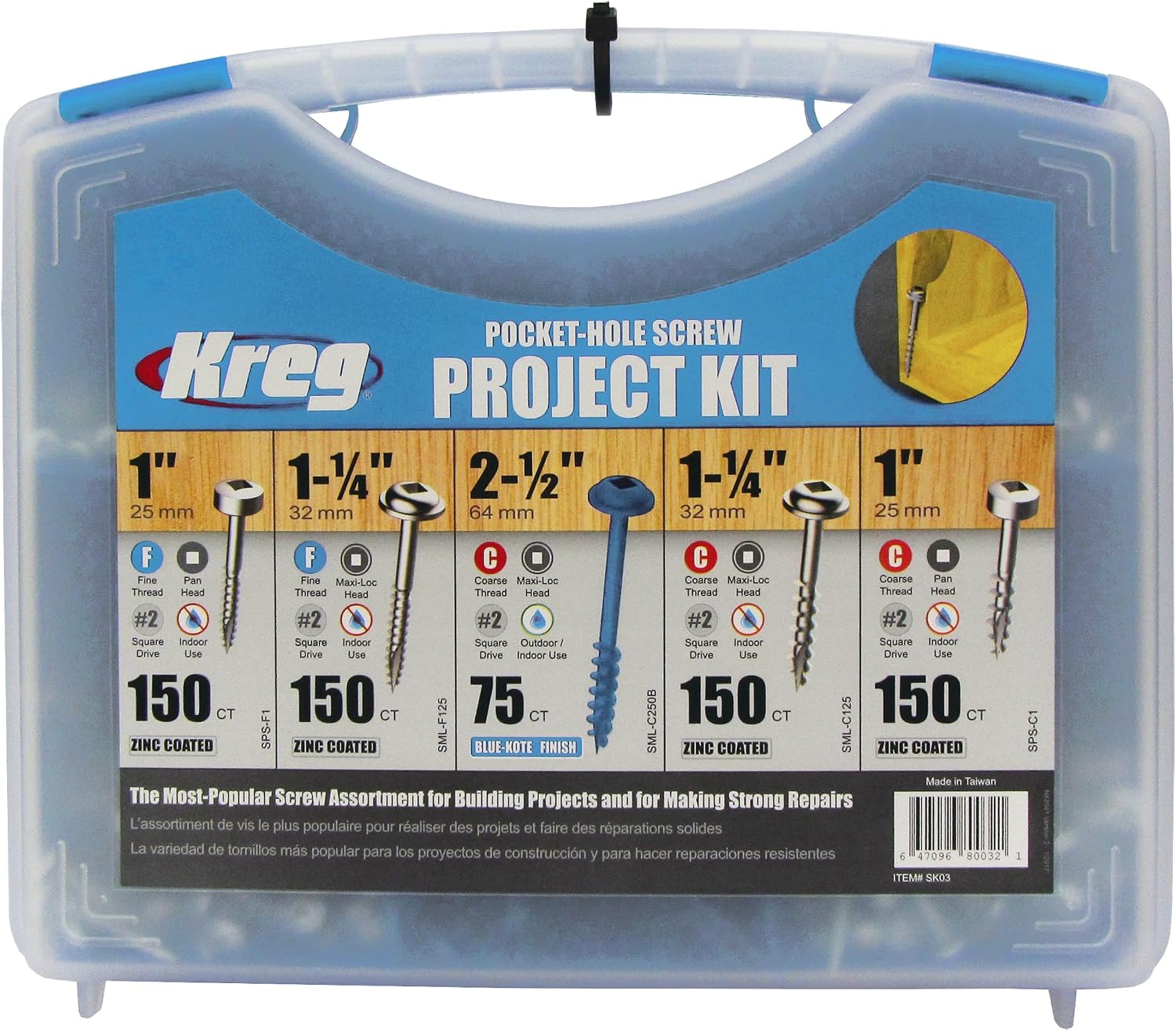
Screws for Industrial, Construction, and DIY Projects
Compare screws by application, material, thread design, head style, and drive type. K-Catalog helps you evaluate specifications and features before checking current options on Amazon.
756 products in catalog
756 results
Filters


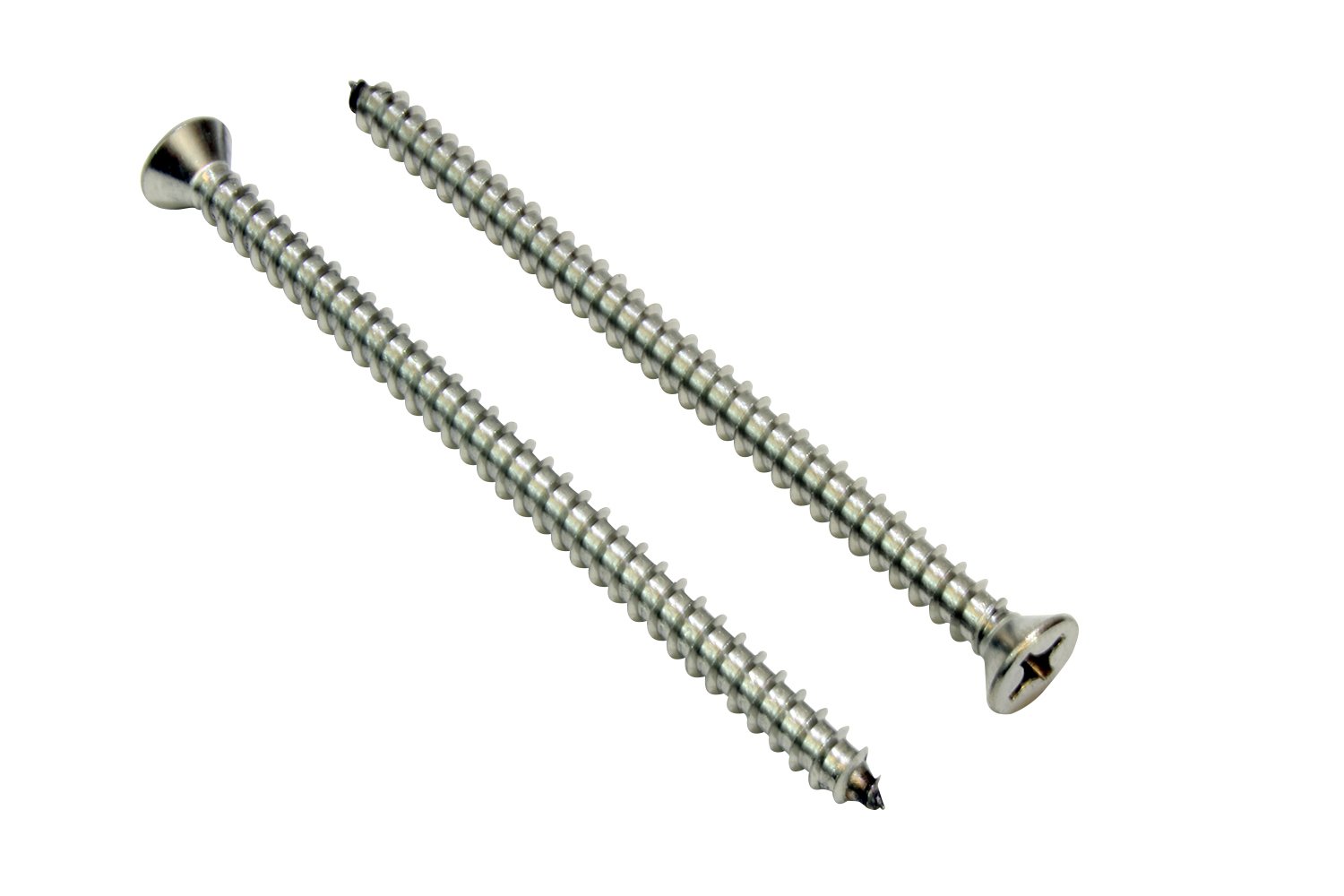
Bolt Dropper
#12 X 3-1/2'' Stainless Flat Head Phillips Wood Screw, (25 pc), 18-8 (304) Stainless Steel Screws by Bolt Dropper
See current price


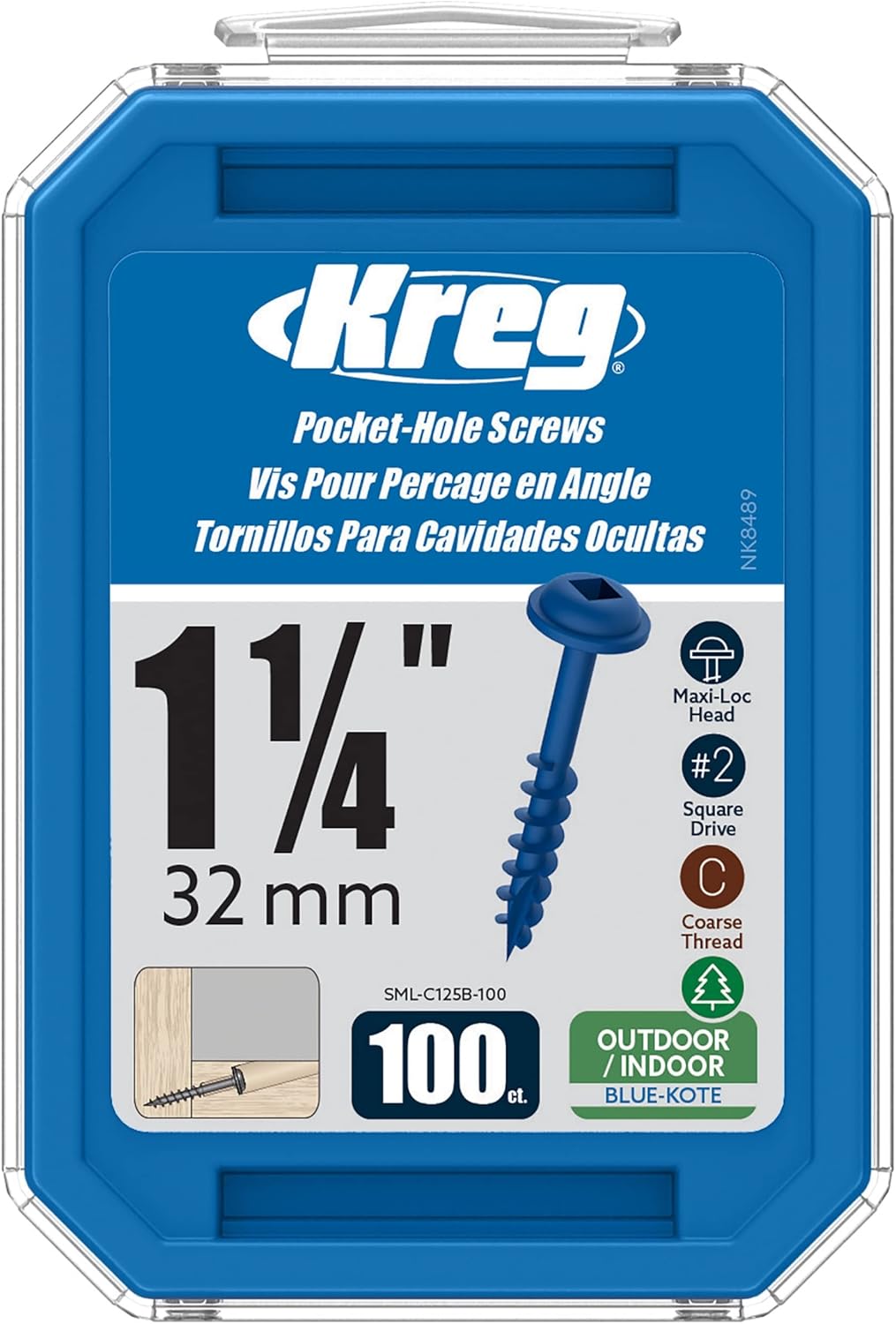


The Hillman Group
Power Pro 48600 Wood Screws, #9 x 3", Premium Outdoor Deck Screws, Rust Resistant, Epoxy Coated Bronze, 1lb Box, 83 pcs
See current price


Hard-to-Find Fastener
Hard-to-Find Fastener 014973291556 Phillips Flat TwinFast Wood Screws, 8 x 1-3/4-Inch, 100-Piece
See current price

Hillman
HILLMAN 35263 White Painted Hex Washer-Head Self-Piercing Screws (#7 x 1/2") - 100 pieces
See current price


Bolt Dropper
#8 X 1" Stainless Pan Head Phillips Wood Screw, (100pc), 18-8 (304) Stainless Steel Screws by Bolt Dropper
See current price

Bienz & Fowlks dba Reliable Hardware Company
Reliable Hardware Company RH-5112BO-A Truss, 50 Count
See current price
Popular brands in Screws
Screws are threaded fasteners used to join materials, secure hardware, or attach components to a supporting surface. The right choice depends on what you are fastening, whether the screw must form its own hole, and the environmental conditions it will face.
This catalog covers screws for industrial, construction, woodworking, repair, and general project use. Use the specifications to narrow your options, then confirm that the screw’s dimensions and material are suitable for the job.
How to choose the right screws
Start with the materials being joined. Wood screws are designed for wood and wood-based materials, while machine screws are typically used with a threaded hole, nut, or threaded insert. Self-tapping and self-drilling designs can be useful when working with sheet metal or other materials that require the fastener to create or shape its own threads.
Consider the load and the installation method as well. A screw used for a light-duty indoor project may have different requirements from one exposed to moisture, vibration, or repeated stress. If the connection is part of a larger assembly, check whether the screw should be paired with Nuts, washers, an insert, or another threaded component.
Common screw types and applications
- Wood screws: Suitable for woodworking, furniture assembly, trim, cabinetry, and other wood-focused projects. Thread shape and length should match the material thickness and intended hold.
- Machine screws: Used with pre-threaded holes, nuts, or inserts in metal, machinery, electronics, and equipment assemblies.
- Self-tapping screws: Designed to form threads as they are driven into an appropriate material. They are often selected for sheet metal, plastics, and light fabrication work.
- Self-drilling screws: Include a drilling-point design that can reduce the need for a separately prepared pilot hole in compatible materials.
- Drywall and construction screws: Made for specific building materials and installation tasks. Their head, thread, and point are selected for efficient driving and secure placement.
- Deck and exterior screws: Intended for outdoor projects where corrosion resistance, holding power, and compatibility with the surrounding material matter.
- Set screws: Used to hold a component in place, often by pressing against a shaft or another surface without a traditional head extending from the assembly.
For automated or high-volume installation, compare these options with Collated Fasteners, which are arranged for use with compatible fastening tools.
Specifications worth comparing
Material and finish affect strength, appearance, and resistance to corrosion. Common options may include steel, stainless steel, and coated finishes. Stainless steel can be useful where moisture exposure is a concern, while a coated fastener may be selected for a particular environment or appearance. Always check material compatibility, especially when joining dissimilar metals.
Diameter and length should suit the thickness and strength of the materials being joined. A screw that is too short may not provide enough engagement; one that is too long can protrude or damage hidden components. For countersunk designs, also consider whether the receiving material can accommodate the head.
Thread design influences how the screw grips. Coarse threads are commonly associated with softer materials, while finer threads may be used in harder materials or applications requiring more precise engagement. The listing specifications should confirm the intended material and use.
Head and drive style affect both appearance and installation. Flat heads can sit flush when properly countersunk, while pan, round, or hex heads may provide a different bearing surface. Phillips, slotted, square, Torx-style, hex, and other drives each require a compatible bit or driver. Matching the tool to the drive helps reduce stripping during installation.
Brands represented in the catalog
The catalog includes screws from Bolt Dropper, Kreg, MewuDecor, SNUG Fasteners, VIGRUE, Hilitchi, The Hillman Group, DYWISHKEY, Jake Sales, EASTLO, Hillman, and iexcell. These brands may cover different screw styles, materials, finishes, and project applications. Compare the specifications of each listing rather than choosing by brand name alone.
Installation and compatibility tips
- Check the screw length against the material thickness and the required depth of engagement.
- Use a pilot hole when the material or screw design calls for one, particularly in dense wood or near an edge.
- Select a driver bit that fits the screw head closely and apply steady pressure while driving.
- Avoid mixing incompatible metals in damp or outdoor applications unless the assembly is designed for that combination.
- For structural, load-bearing, electrical, or safety-critical work, follow the applicable project instructions and fastener requirements.
- Use washers when a broader bearing surface is needed or when the screw head could pull into the material. Browse Washers for compatible component options.
If the connection requires a separate expansion component for masonry, concrete, or another base material, compare Anchors as well. For other fastening systems, related Bolts and Nails may be more appropriate depending on the tool, substrate, and joint design.
Frequently asked questions
What is the difference between a screw and a bolt?
A screw typically engages directly with the material or a prepared threaded hole, while a bolt is commonly used with a nut or another threaded component. The terminology can vary by application and industry.
Should screws be made from stainless steel?
Stainless steel can be a useful choice for moisture or corrosion-prone environments, but the best material depends on the application, required strength, appearance, and compatibility with the materials being joined.
Do all screws require pilot holes?
No. Some screws are designed to drill or tap their own opening, while others perform better with a pilot hole. Follow the product specifications and consider the material being fastened.
How do I choose screw length?
Choose a length that provides adequate engagement in the receiving material without protruding into areas where it could cause damage or interfere with other components.
Why does screw drive type matter?
The drive must match the bit or driver. A compatible fit improves control and helps reduce damage to the screw head during installation.