

Washers for Industrial Fastening Projects
Compare washers by style, dimensions, material, and intended use. Review product specifications to find the right fit for bolts, screws, and other fastening systems.
144 products in catalog
144 results
Filters


Sutemribor
Sutemribor 304 Stainless Steel Flat Washers Set 580 Pieces, 9 Sizes - M2 M2.5 M3 M4 M5 M6 M8 M10 M12
See current price
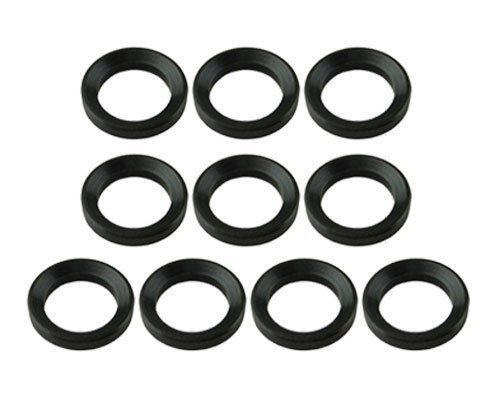

Hard-to-Find Fastener
Hard-to-Find Fastener 014973180942 180942 Fender Washer, 1/4 x 1-1/4,55
See current price


Sutemribor
Sutemribor Nylon Flat Washer Assortment Set 600 Pieces, 9 Sizes - M2 M2.5 M3 M4 M5 M6 M8 M10 M12, Black
See current price


Sutemribor
Sutemribor 150PCS 8 Sizes Copper Metric Sealing Washers Flat Washers Assortment Kit
See current price


Sutemribor
Sutemribor 5/16 Inch Flat Washers, 304 Stainless Steel Flat Washers, 100 Pieces
See current price


Marine Bolt Supply
Type 18-8 Stainless Steel Fender Washers Size 1/2" x 2" (pack of 10pcs) Marine Bolt Supply
See current price

![Hilitchi 400-Pcs [8-Size] 304 Stainless Steel External Internal Tooth Star Lock Washers Assortment Kit - Included: M2 M3 M4 M5 M6 M8 M10 M12](https://m.media-amazon.com/images/I/71AvjLJVpHL._SL1000_.jpg)
![TORRAS Shockproof Designed for iPhone 14 Plus Case [Military Grade Drop Tested] Shockproof Protective Black Hard Back Slim Translucent Case for iPhone 14 Plus 6.7 Inch, Lavender Purple-Guardian Series](https://m.media-amazon.com/images/I/61KYP6CxKZL._AC_SL1500_.jpg)


The Hillman Group
Hillman 830506 Stainless Steel 3/8-Inch Flat Washers, 100-Pack, Single, 100 Count
See current price

Popular brands in Washers
Washers help distribute clamping force, protect mating surfaces, and support more consistent fastening. The right choice depends on the fastener size, hole dimensions, material compatibility, and the demands placed on the joint.
This K-Catalog selection focuses on washers within the Industrial & Scientific fasteners category. Use the product listings to compare specifications and features, then check the current price and availability on Amazon before buying.
How to choose washers
Start with the fastener and the joint rather than choosing by outside diameter alone. A washer should fit the fastener properly while covering enough surface area to support the load without interfering with nearby parts.
Consider these factors:
- Inside diameter: The opening should accommodate the screw, bolt, or other fastener without excessive looseness.
- Outside diameter: A larger outside diameter spreads pressure across more of the clamped material.
- Thickness: Thickness can affect load distribution, clearance, and the final height of the assembly.
- Material: Match the washer material to the fastener and the environment, especially where moisture, chemicals, heat, or electrical isolation matter.
- Quantity and format: Check how many pieces are supplied and whether the package suits a repair, assembly line, or ongoing maintenance work.
For broader fastening needs, browse the Fasteners category and compare washers with Screws, Bolts, and Nuts.
Common washer types
Washer styles serve different purposes, so the most suitable design depends on the joint and the problem it needs to solve.
- Flat washers: A general-purpose option for spreading the load beneath a fastener head or nut. They are often considered when surface protection and load distribution are the main goals.
- Fender washers: These have a broad outside diameter relative to the opening. They can help distribute force over thin, soft, or oversized-hole materials.
- Lock washers: Designed for applications where resistance to loosening is important. Compare the specific lock style and installation requirements before selecting one.
- Toothed or serrated washers: Their teeth can help improve grip between the washer and mating surface, depending on the assembly and material.
- Shoulder and insulating washers: These may be useful when spacing, edge protection, or electrical separation is required. Confirm the shoulder dimensions and material properties carefully.
Washers are only one part of a fastening system. Depending on the installation, related Anchors, Collated Fasteners, or Nails may be more appropriate.
Specifications to compare
Product titles can look similar even when the dimensions or intended uses differ. Read the complete specification details before choosing.
Check whether dimensions are listed in metric or inch-based measurements, then compare the inside diameter, outside diameter, and thickness using the same system. If a washer is intended for a particular bolt or screw, verify that the nominal fastener size corresponds to the washer opening.
Material and finish are also important. Stainless steel, steel, brass, nylon, and other materials can differ in strength, corrosion resistance, weight, conductivity, and suitability for a particular surface. A finish may provide additional surface protection, but it should still be compatible with the surrounding components.
For specialized applications, look for information about hardness, temperature suitability, load requirements, electrical insulation, or resistance to a particular environment. If those details are not provided, consult the manufacturer’s documentation before using the washer in a critical assembly.
Brands represented in the catalog
The catalog includes washers from brands such as Hillman, The Hillman Group, Sutemribor, Small Parts, Hilitchi, Bolt Dropper, SNUG Fasteners, HELIFOUNER, Glarks, VIGRUE, DYWISHKEY, and Marine Bolt Supply. Compare each listing by its stated dimensions, materials, finish, package details, and application information rather than selecting by brand name alone.
Installation and compatibility tips
Before installation, make sure the washer sits flat and fully supports the fastener head or nut. Remove debris, burrs, or surface irregularities that could prevent even contact. For a joint using multiple washers or a locking design, follow the intended assembly order.
Avoid substituting a washer solely because it appears to fit. An undersized outside diameter may not distribute the load adequately, while an opening that is too large may not provide stable support. Also check clearance around the washer so it does not contact moving parts, edges, or nearby electrical components.
When corrosion or galvanic interaction is a concern, compare the washer and fastener materials as a complete system. For structural, high-load, or safety-sensitive applications, use the specified washer type and consult qualified technical guidance.
Frequently asked questions
What does a washer do?
A washer commonly spreads clamping force, protects the surface under a fastener, and can help maintain a more stable joint. Some styles also provide locking, spacing, or insulation functions.
How do I match a washer to a bolt or screw?
Compare the fastener’s nominal size with the washer’s inside diameter, then confirm the outside diameter and thickness suit the material and joint. Check whether the dimensions use metric or inch-based measurements.
Are flat washers suitable for every application?
No. Flat washers are versatile, but applications involving loosening, thin materials, insulation, spacing, or unusual load conditions may call for a different style.
Should the washer and fastener use compatible materials?
Yes. Material compatibility can affect corrosion, strength, conductivity, and performance in the surrounding environment. Consider both components and the surface they contact.
What should I check before ordering?
Verify the washer type, inside diameter, outside diameter, thickness, material, finish, package contents, and any application-specific requirements listed in the product specifications.