

Nuts for Industrial and Fastener Projects
Compare nuts for industrial, repair, fabrication, and maintenance applications. Check thread compatibility, material, shape, and fastening features before choosing a product.
206 products in catalog
206 results
Filters


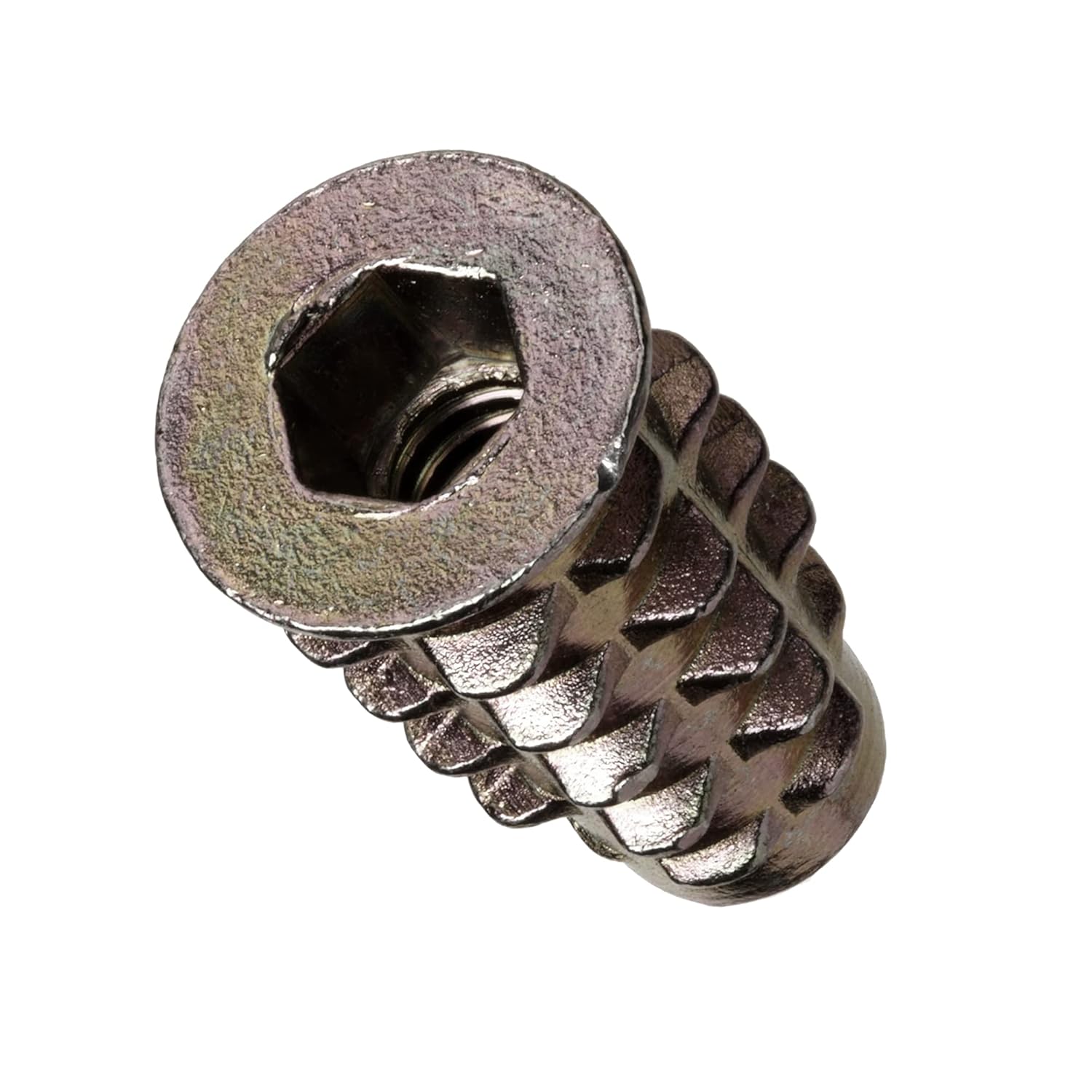


Woopais
30pcs 1/4-20 Rivet Nuts Stainless Steel Threaded Rivet Insert Nuts Rivnuts Nutsert 1/4-20UNC
See current price


Sprite Science
20PCs 3/8''-16 Stainless Steel Rivet Nuts Nutsert Threaded Rivet Insert Rivnuts 3/8-16UNC
See current price

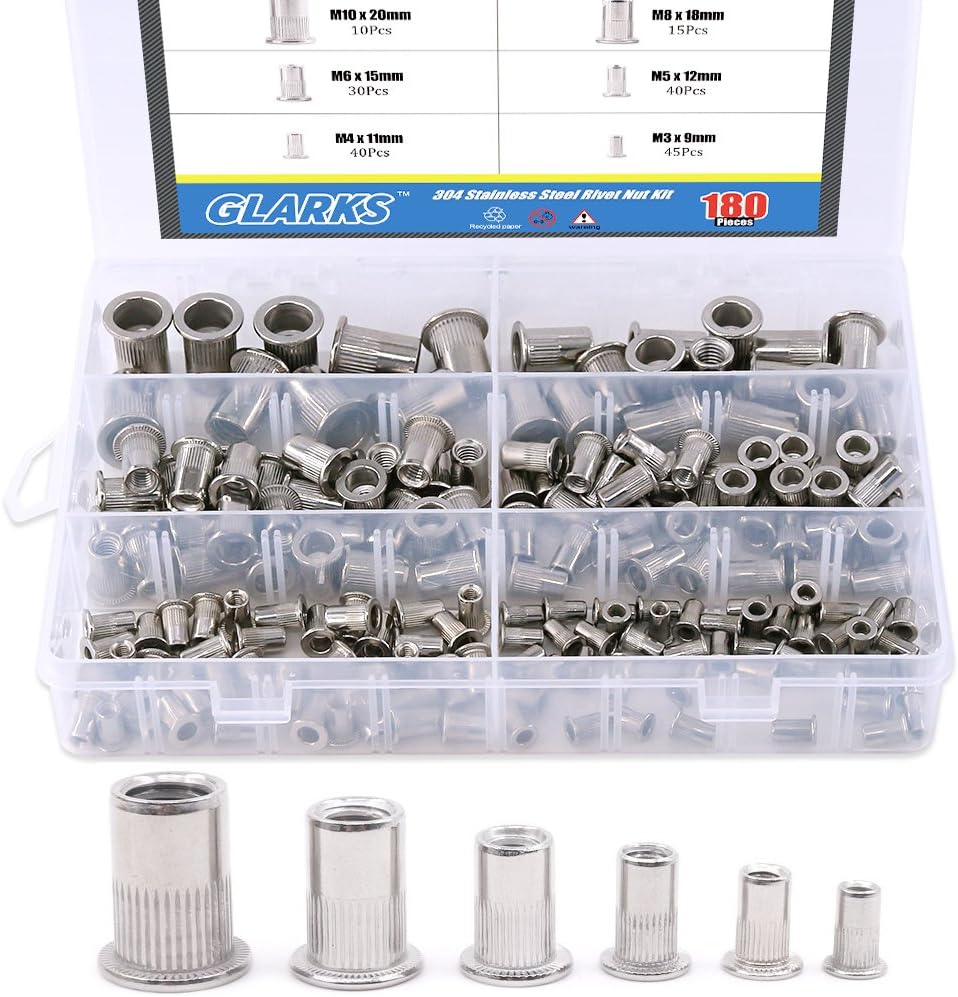

Bolt Dropper
5/16"-18 Stainless Hex Nut (100 Pack), by Bolt Dropper, 304 18-8 Stainless Steel Nuts
See current price


Astro Pneumatic Tool Company
Astro Pneumatic Tool RN14 100-Piece 1/4-20 Steel Rivet Nuts, Оne Расk
See current price
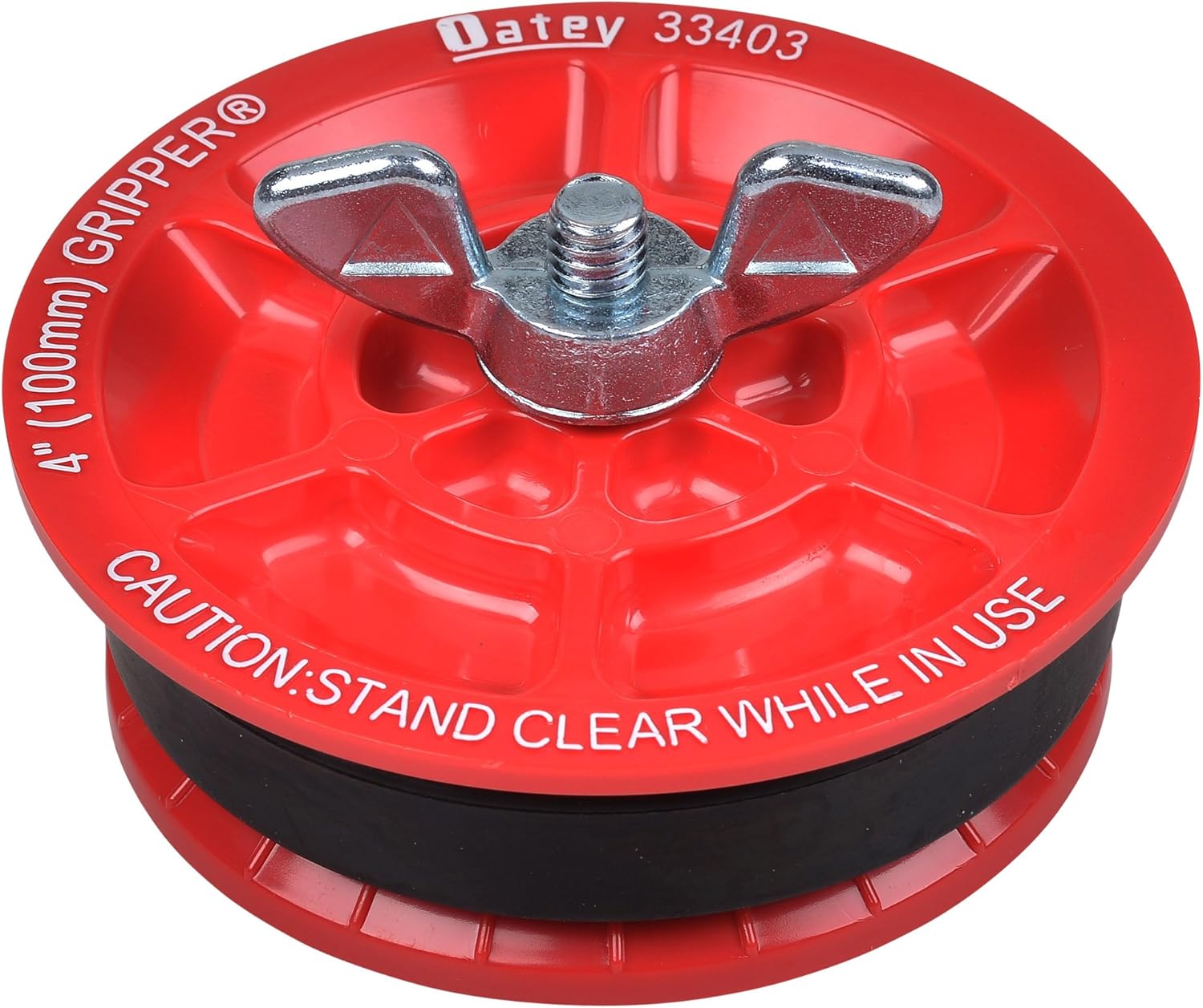

Sprite Science
Wood Threaded Insert 1/4-20 x 10mm 15mm 20mm Length Screw in Insert Nut Kit for Wood Furniture 60 Pieces
See current price

SpeedDa
M6 x 1mm Thread 304 Stainless Steel Serrated Flange Metric Hex Lock Nuts 26PCS
See current price


E-Z LOK
E-Z Lok Threaded Insert, Zinc, Hex-Flush, #10-32 Internal Threads, 13mm Length (Pack of 50)
See current price

binifiMux
100Pcs M3 x 0.5mm 304 Stainless Steel Self-Lock Nylon Inserted Hex Lock Nuts, Self Clinching Nuts
See current price

The Hillman Group
Hillman 707319 Zinc Die-Cast Washered Wing Nuts (1/4"-20) - 50 pieces , Silver
See current price

HONBAY
Honbay 100 Pieces Black Plastic 5mm LED Holder LED Light Mounting Holders on Panel
See current price
Popular brands in Nuts
Nuts are threaded fasteners designed to pair with compatible bolts, threaded rods, studs, or screws. The right choice depends on more than outside shape: thread details, material, size, locking method, and installation space all affect whether a nut is suitable for the job.
K-Catalog helps shoppers compare listed specifications and features before visiting Amazon to check current product details and availability.
How to choose the right nut
Start with the fastener the nut must fit. The nut’s thread size and pitch must match the mating bolt or threaded component. Thread systems may be described using different measurement standards, so check the listing carefully rather than relying on visual similarity. A nut that appears close in size may cross-thread or fail to seat correctly.
Consider the following before comparing individual products:
- Application: Determine whether the nut is intended for general assembly, machinery, automotive work, furniture, fabrication, or another use.
- Load and vibration: A standard nut may suit a relatively stable connection, while a locking style can be more appropriate where movement or vibration may loosen the assembly.
- Available space: Nut height, outside diameter, and wrench clearance matter when access is limited.
- Environment: Moisture, chemicals, heat, and outdoor exposure can influence the material or finish to select.
- Quantity and assortment: A multi-size assortment may be useful for maintenance work, while a single-size pack can be more practical for a repeat project.
For broader fastening needs, browse Fasteners to compare nuts with other product types.
Common nut styles
Different nut shapes and designs solve different fastening problems. The product listing should confirm the exact style and intended use.
- Hex nuts: A common general-purpose option with six flat sides for wrench or socket installation.
- Lock nuts: Designed to help resist loosening. Some use a specialized internal feature, while others rely on a prevailing-torque design or a complementary component.
- Flange nuts: Include an integrated flange that can distribute contact over a wider area. They may be useful when a separate washer is inconvenient, but the mating surface and clearance still need to be checked.
- Wing nuts: Intended for hand tightening and removal where frequent adjustment is more important than high torque.
- Cap or acorn nuts: Cover the end of a threaded fastener and can provide a finished appearance or help protect exposed threads.
- Coupling nuts: Longer threaded nuts used to join compatible threaded components, such as sections of threaded rod.
- Square nuts: Offer broad flat sides and may be useful in certain channels, grooves, or assemblies where rotation needs to be limited.
These are general categories rather than a substitute for the manufacturer’s specifications. Confirm dimensions, thread details, and installation requirements for the particular product.
Specifications and features to compare
Material and finish are important starting points. Steel is commonly selected for strength and general assembly, while stainless steel may be considered for applications where corrosion resistance is important. Zinc or other finishes may provide a protective surface, but the suitability of any finish depends on the environment and the mating hardware.
Compare the nut’s:
- Thread diameter, pitch, and compatibility standard
- Internal thread type and dimensional specifications
- Width across flats, outside diameter, and height
- Material, grade, and surface finish when provided
- Locking method or non-locking construction
- Flange, washer-facing surface, or other integrated features
- Pack format and included size range, if applicable
Do not assume that two nuts with the same nominal thread size have identical dimensions or strength characteristics. If the connection has specified torque, load, or safety requirements, use the relevant technical documentation and follow the equipment or project instructions.
Brands represented in the catalog
The Nuts catalog includes products from Hillman, Continental-Aero, binifiMux, VIGRUE, Hilitchi, Glarks, EASTLO, MewuDecor, Sprite Science, Keadic, Fullerdongluo, and Astro Pneumatic Tool. These brands are represented in the catalog as shoppers compare available specifications, materials, sizes, and pack configurations. Brand name alone should not replace checking the product details for compatibility with the intended fastener.
Pairing nuts with other fasteners
A nut is usually only one part of an assembly. Compare the mating Bolts or Screws to verify thread compatibility and usable length. A Washer may be relevant when the connection needs a broader bearing surface or separation between the nut and the workpiece.
For wall, masonry, or substrate attachment, Anchors may be more appropriate than a conventional nut-and-bolt connection. Collated Fasteners and Nails serve different installation systems, so they should not be treated as direct substitutes for threaded hardware.
Frequently asked questions
How do I know which nut fits a bolt?
Match the nut’s thread diameter, pitch, and measurement standard to the bolt. The nut should start smoothly by hand and thread without binding; never force a mismatched part.
Are locking nuts better than standard nuts?
Neither style is universally better. Locking nuts can help resist loosening in applications with vibration or movement, while standard nuts may be suitable for simpler assemblies or situations where frequent removal is expected.
Do I need a washer with a nut?
A washer may help distribute pressure, protect the surface, or improve the connection, depending on the assembly. Check the equipment instructions and the dimensions of the nut, bolt, and workpiece.
Which nut material should I choose?
Choose based on the required strength, exposure, temperature, corrosion concerns, and compatibility with the mating fastener. Compare the listed material and finish rather than selecting by appearance alone.
Can a wing nut replace a hex nut?
A wing nut can be useful for hand-adjusted connections, but it may not be suitable where higher tightening torque, limited clearance, or a specific load requirement is involved.