
Genie- 100% OEM Genie/WD Corp
Genie- 100% OEM Genie/WD Corp OEM: Genie 20414R Carriage for Screw Drive Operators
See current price

Compare bolts by head style, thread, material, dimensions, and intended use. K-Catalog helps you review product specifications and features before choosing a fastener.
106 products in catalog
106 results
Genie- 100% OEM Genie/WD Corp
See current price
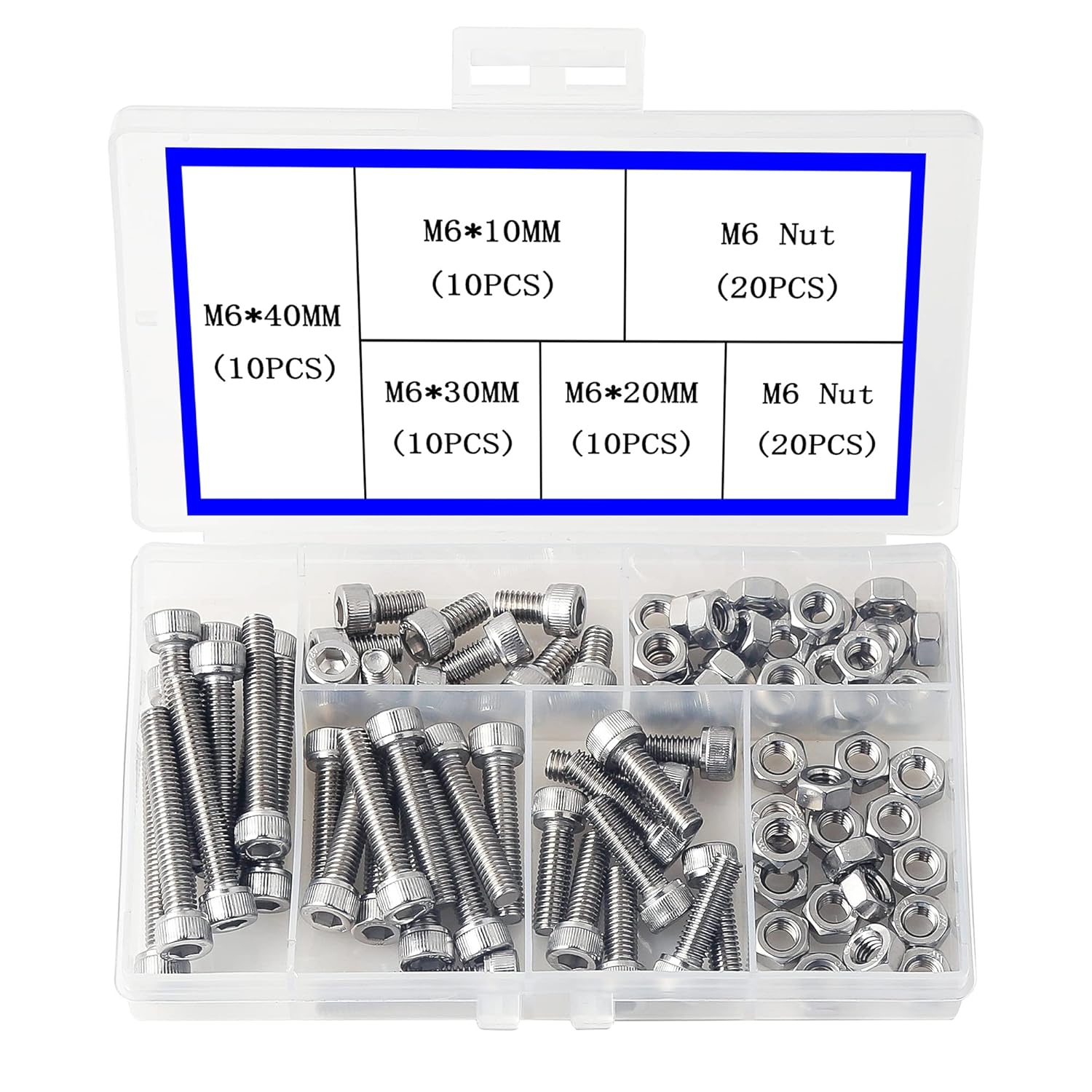

Bolt Dropper
See current price


Powertec
See current price


Rauckman Utility Products
See current price

MewuDecor
See current price


TOMENGBEI
See current price


MewuDecor
See current price

Hard-to-Find Fastener
See current price

U-Turn Fasteners, Inc
See current price
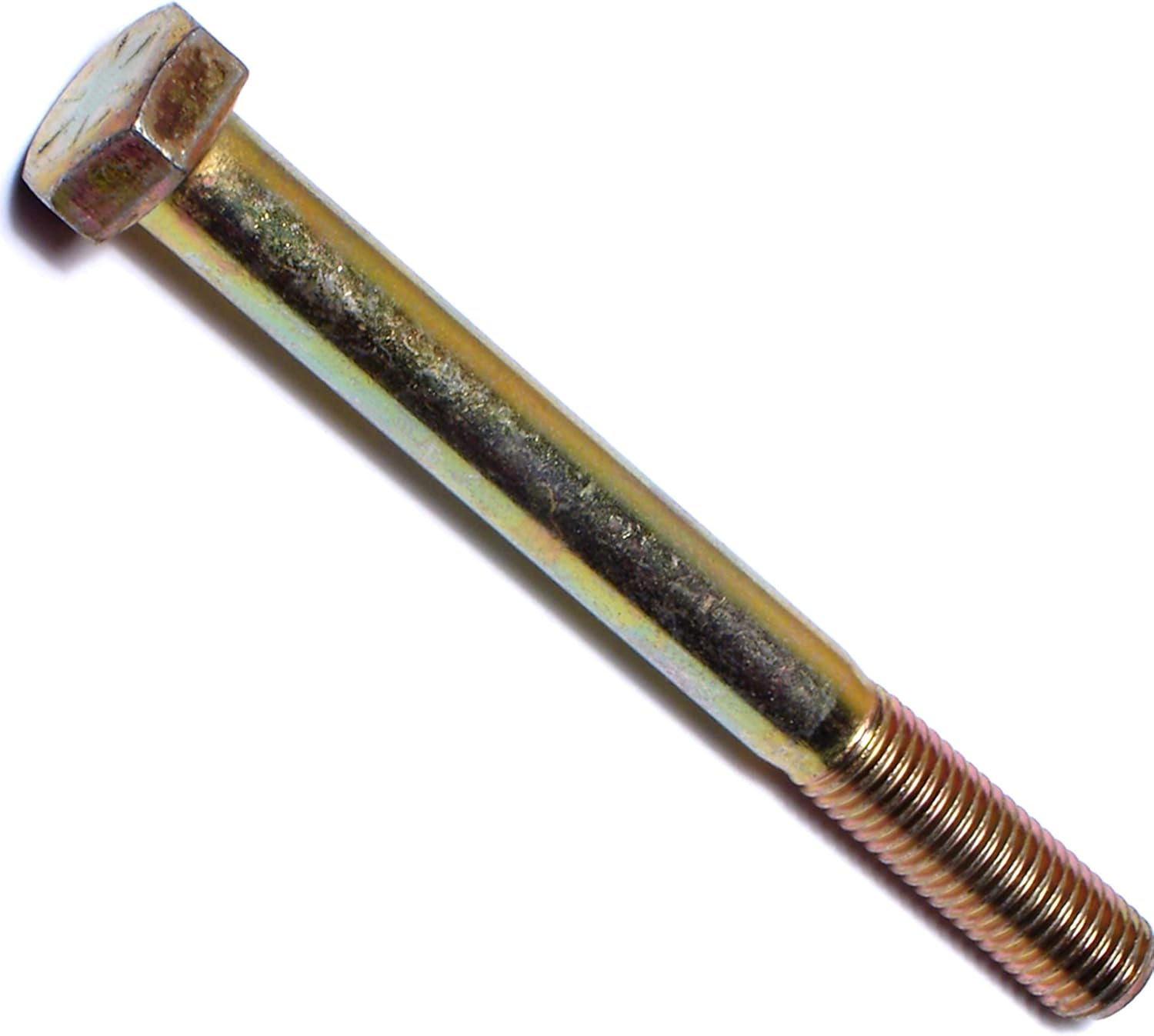
Hard-to-Find Fastener
See current price

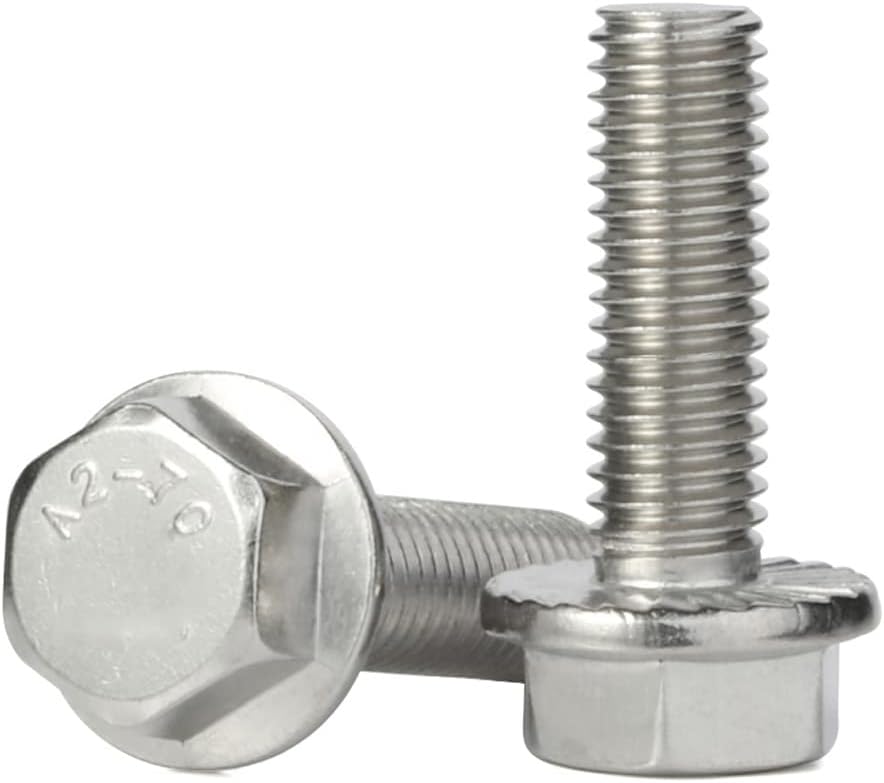

Bolt Dropper
See current price

Mellewell
See current price
Bolts are threaded fasteners used with compatible nuts or threaded components to create a secure, serviceable connection. The right choice depends on the joint design, the materials being joined, the available installation space, and the conditions the fastener will face.
This K-Catalog selection includes bolts from brands such as National Hardware, Bolt Dropper, Newlng, Mellewell, Hard-to-Find Fastener, MewuDecor, Fullerkreg, Chenango Supply, Orange Aluminum, KONGKI, Clipsandfasteners Inc, and Prime-Line. Compare each listing’s specifications carefully rather than choosing by appearance alone.
Start by identifying the connection and how the bolt will be installed. A conventional hex-head bolt may suit applications where a wrench can reach the head and nut. A carriage bolt can help provide a smooth, rounded exposed head, while specialty designs may be better for mounting, alignment, or hardware-specific jobs.
Consider these factors before selecting a product:
Bolt terminology can vary by application, manufacturer, and industry. Product listings should provide the details needed to confirm whether a particular style fits the job.
For projects where a bolt is not the correct fastener, compare Screws and other options in the broader Fasteners category.
Thread details are among the most important specifications. Check the thread diameter, pitch or thread count, and threaded length. The mating nut or threaded part must use a compatible thread specification; similar-looking threads are not necessarily interchangeable.
Overall length also deserves attention. A bolt that is too short may not engage the nut adequately, while excessive length can interfere with surrounding parts. When measuring, verify how the manufacturer defines length for that particular head style.
Review the head dimensions and drive requirements as well. Head width, height, and shape affect wrench access, clearance, and how the bolt sits against the assembled material. If the product includes a finish or coating, consider whether it is intended for appearance, corrosion resistance, or both.
Material information can help with compatibility. Steel, stainless steel, aluminum, and other materials can differ in corrosion behavior, weight, strength characteristics, and suitability for the surrounding components. For structural, safety-critical, lifting, or high-temperature applications, follow the requirements of the equipment manufacturer or applicable professional standards instead of relying on general appearance.
A bolt is usually selected as part of a complete fastening system. Compare Nuts to find a compatible mating component, and consider Washers when the joint design calls for load distribution, spacing, surface protection, or easier tightening.
Check that the nut style, thread specification, material, and finish are suitable for the bolt. Mixing incompatible materials or finishes may affect fit and long-term performance. Washers also need to match the bolt diameter and the surface or hole arrangement. In applications involving masonry or concrete, Anchors may be more appropriate than a conventional bolt passing through a predrilled hole.
The best alternative depends on the materials, tools, and installation process. Collated Fasteners may be relevant for compatible powered fastening systems, while Nails can suit certain wood and construction tasks where a threaded connection is unnecessary. Compare the fastening method, removal requirements, and substrate before switching categories.
A bolt is commonly used with a nut or a prepared threaded component, while a screw is generally driven into a material or threaded hole. Product terminology can vary, so check the listed design and intended use.
Measure the materials and hardware being joined, then account for the nut, washer, and the amount of thread engagement required. Also confirm how the manufacturer measures length for the selected head style.
Yes. The diameter and thread specification must be compatible. A nut that appears to fit may still have the wrong pitch or thread form.
A washer may help distribute contact, protect a surface, provide spacing, or support the joint design. Whether it is appropriate depends on the assembly and the manufacturer’s instructions.
Choose a material and finish suited to the expected moisture, weather, corrosion, and contact conditions. For demanding environments, confirm the requirements with the equipment or project documentation.