

Aquarium Heaters & Chillers
Compare aquarium heaters and chillers by how they manage water temperature, fit your aquarium, and support safe, consistent operation. Review specifications and features before choosing equipment.
201 products in catalog
201 results
Filters


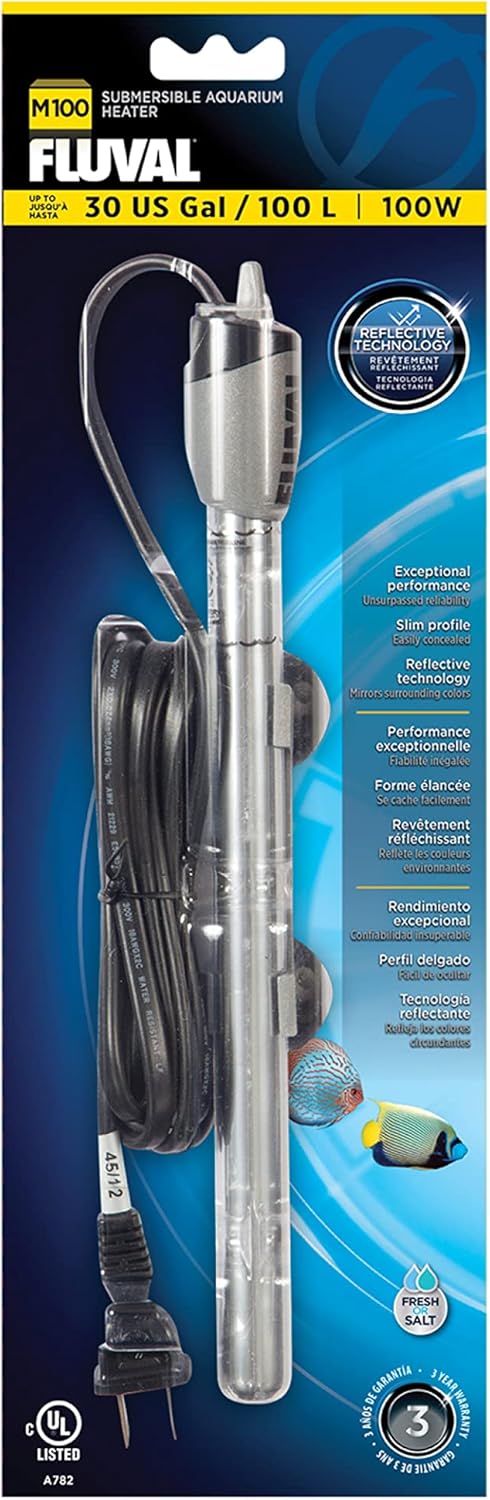
Fluval
Fluval M100 Submersible Heater, 100-Watt Heater for Fish Aquariums up to 30 Gal., A782
See current price

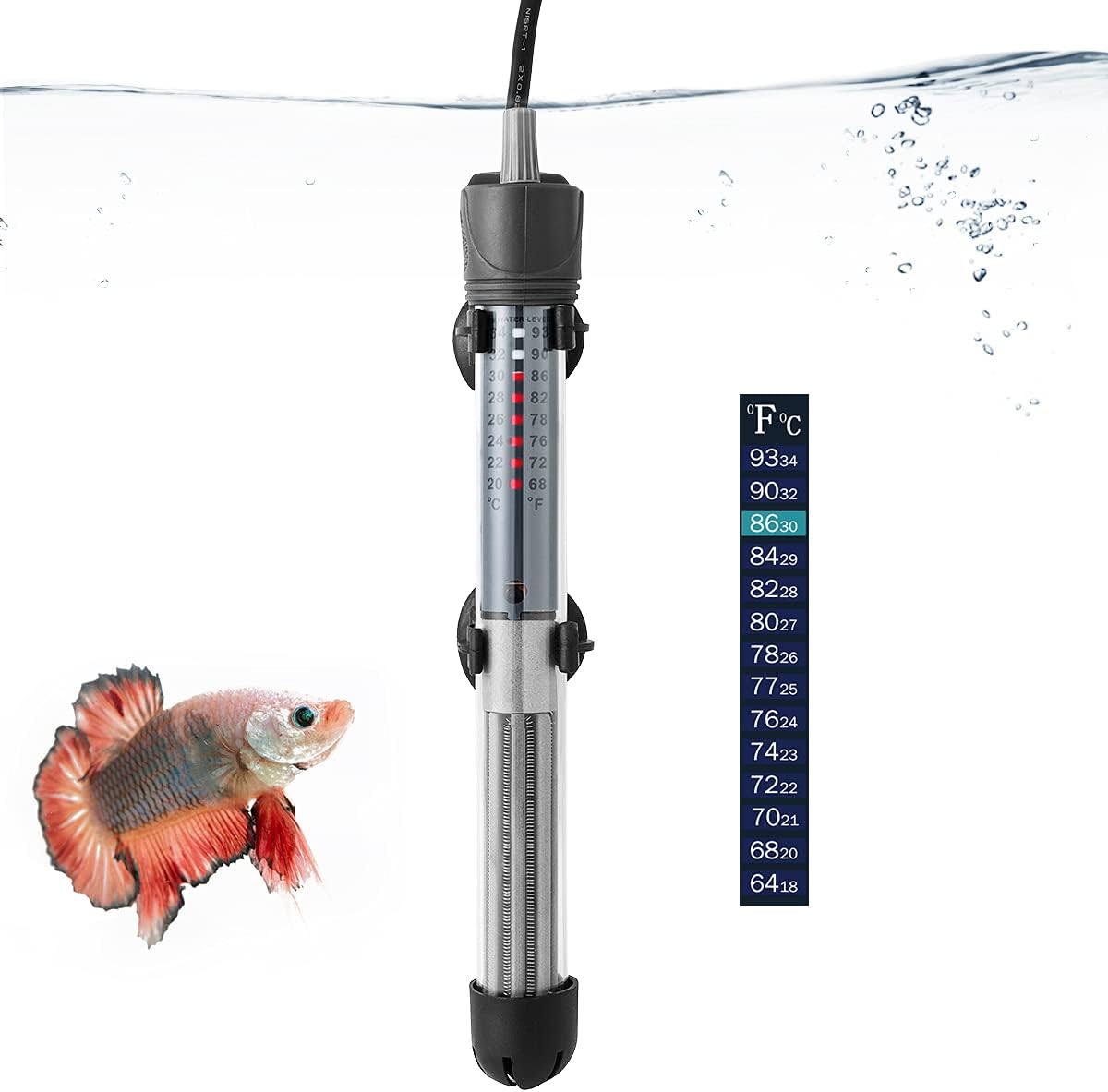
Freesea
FREESEA 50 Watt Aquarium Submersible Betta Heater with Aquarium Submersible Thermometer
See current price



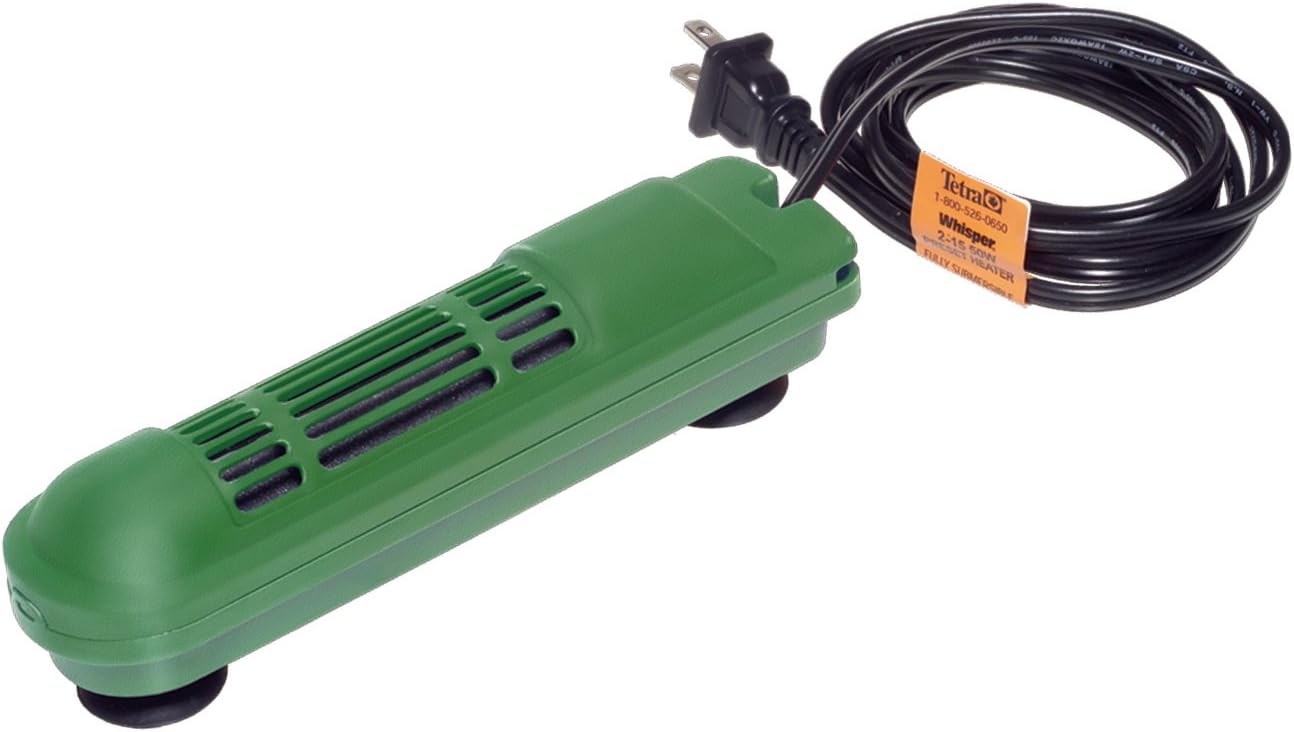
Tetra
Tetra 26445 Fauna Aquatic Reptile Heater For Frogs, Newts & Turtles,100 Watt,green
See current price

Central Garden & Pet
Aqueon Aquarium Fish Tank Preset Heater For Up To 75 Gallons, 200 Watts
See current price

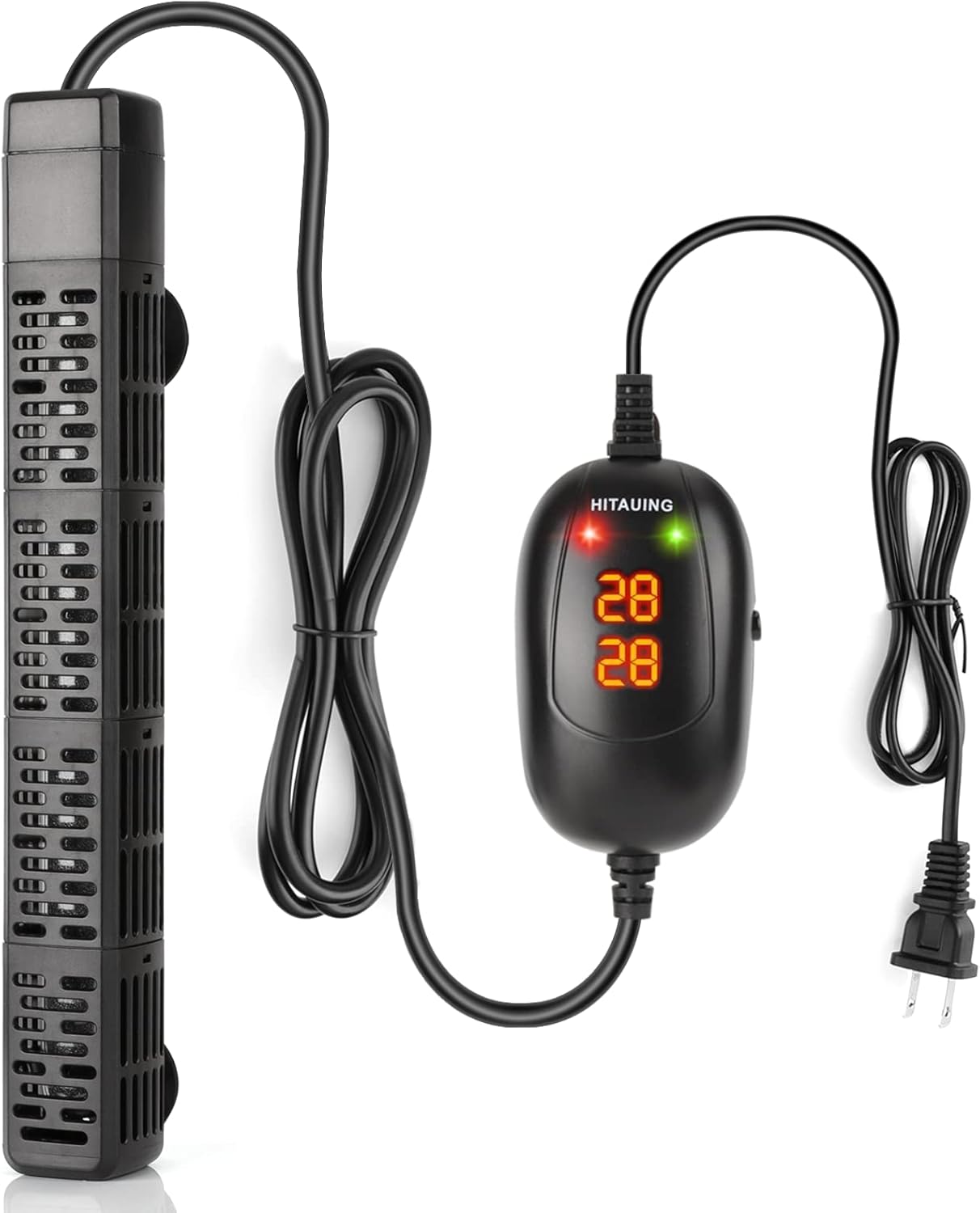


AquaClear
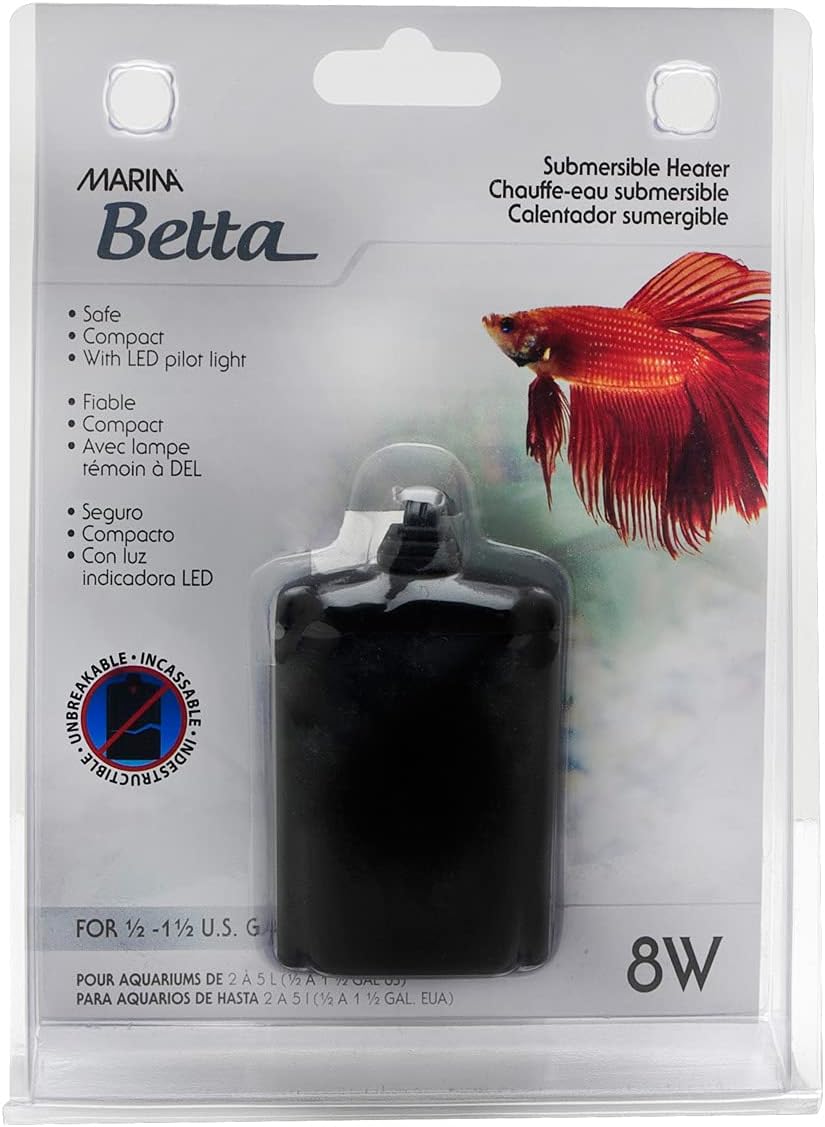
Marina Betta Fish 8W Submersible Heater - For Fish Tank Aquariums up to 1.5 US Gallons (5 L)
See current price



Popular brands in Aquarium Heaters & Chillers
Aquarium temperature equipment helps maintain a stable environment for fish, plants, and other aquatic life. Heaters add warmth when the water is too cool, while chillers remove excess heat when temperatures rise. The right choice depends on your aquarium size, the room environment, the needs of its inhabitants, and how precisely you want to manage water conditions.
This category brings together aquarium heaters and chillers for different setups. Compare their specifications, controls, installation requirements, and safety features before selecting equipment for your tank.
How to choose aquarium temperature equipment
Start by considering the conditions your aquarium experiences throughout the year. A tank in a cool room may need a heater, while one exposed to strong sunlight, warm indoor temperatures, or heat-producing equipment may benefit from a chiller. Some aquariums require only one type of device; others may need temperature control in both directions at different times.
Key questions to ask include:
- Is the equipment suitable for your aquarium’s water volume and setup?
- Can the temperature be adjusted precisely, or does the device use preset controls?
- Is the unit designed for freshwater, saltwater, or either environment?
- Will it be installed inside the aquarium, in-line with filtration, or beside the tank?
- Does the design suit a compact aquarium, a planted tank, or a more specialized setup?
If you are still exploring the wider category, browse Fish & Aquatic Pets for related aquarium equipment and supplies.
Aquarium heaters and chillers explained
Aquarium heaters
Heaters are used to raise or maintain water temperature. Adjustable models can be useful when you need to match a particular aquatic environment, while preset designs may be simpler for straightforward setups. Submersible heaters are placed in the tank and should be positioned according to the manufacturer’s instructions, with enough water movement to distribute warmth evenly.
Look for a heater with clear temperature controls, an easy-to-read indicator, and protection designed for aquarium use. A guard or durable housing may also be important if fish, décor, or maintenance tools could come into contact with the unit.
Aquarium chillers
Chillers lower water temperature and can help manage heat in warm rooms or aquariums that require cooler, more stable conditions. Compare the chiller’s installation method, airflow requirements, hose or tubing connections, and control system. A unit that vents warm air into a small enclosed cabinet may need additional clearance or ventilation.
Chillers can add equipment and plumbing to a setup, so check how they connect with your existing filtration system. Compatibility with pumps, tubing, and aquarium fittings is especially important before purchase.
Specifications and features to compare
The most useful comparison starts with the equipment’s intended capacity and operating requirements. Manufacturers may describe compatibility by aquarium volume, water flow, or cooling and heating capability. Match those specifications to your setup rather than choosing solely by physical size.
Also compare:
- Temperature control: Adjustable dials, digital controls, thermostats, and external probes offer different levels of convenience and precision.
- Installation: Confirm whether the unit is submersible, external, in-line, or designed for another placement method.
- Power and connections: Check the electrical requirements, plug design, tubing size, and compatibility with your aquarium equipment.
- Safety features: Look for functions such as automatic shutoff, dry-run protection, temperature limits, or alerts where applicable.
- Visibility and maintenance: A compact design, readable display, and accessible controls can make routine checks easier.
- Noise and ventilation: This matters for bedrooms, offices, display tanks, and enclosed cabinets.
Temperature equipment should not be treated as a substitute for regular monitoring. A separate thermometer can help verify that the water remains within the desired range and can make it easier to notice equipment problems.
Building a complete aquarium setup
Temperature control works alongside filtration, water movement, lighting, and water maintenance. Browse Aquarium Pumps & Filters when comparing circulation and filtration compatibility. Aquarium Water Treatments can help you find products for preparing and maintaining aquarium water, while Aquarium Cleaners covers tools for routine maintenance.
Other equipment can affect temperature and placement. Compare Aquarium Lights if lighting may add heat or limit available space, and explore Aquarium Décor when planning where the heater, probe, or tubing will sit. Food is also part of a broader aquarium setup; find it in Food.
Brands in this catalog
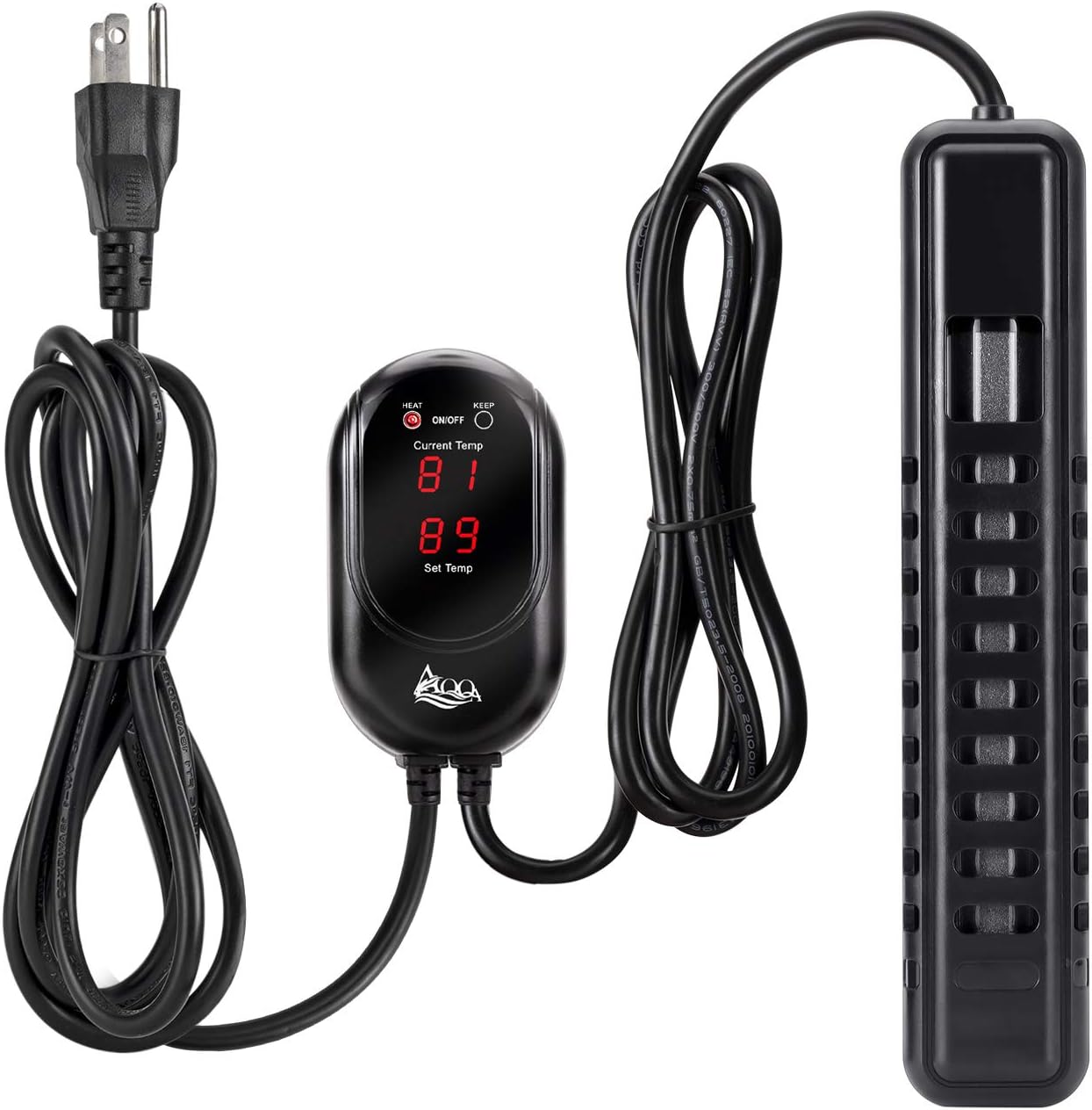
The catalog includes aquarium temperature products from Hygger, NICREW, DATOO, Aqueon, Nova, HAISEN, AQQA, Uniclife, Rolf C. Hagen (USA) Corp., UPETTOOLS, Freesea, and iBay. Compare each product’s specifications and included components rather than relying on brand name alone, since installation methods and features can differ across products.
Setup and maintenance tips
Place a heater where water circulates rather than in a stagnant corner, and follow the manufacturer’s instructions for immersion and positioning. Never run equipment outside its specified operating conditions. Before maintenance, disconnect electrical equipment as directed and allow heating or cooling components to reach a safe handling temperature.
Keep external vents clear, inspect cables and connections regularly, and check tubing for kinks or leaks. After installing a new device, monitor the aquarium temperature and confirm that the control system responds as expected. If the equipment is connected to a filter or pump, verify that water continues to flow correctly after installation.
Frequently asked questions
Do I need an aquarium heater or a chiller?
That depends on your room temperature, aquarium inhabitants, seasonal conditions, and desired water temperature. Some setups need heating, some need cooling, and others may require different equipment at different times of year.
Can a heater and chiller be used in the same aquarium?
They can be used together in some setups, but compatibility and control logic are important. Follow the manufacturers’ installation guidance and monitor the system to prevent the devices from working against each other.
Where should an aquarium heater be installed?
Heaters are generally placed where water circulation can distribute warmth throughout the aquarium. Check the product instructions for the required water level, orientation, clearance, and positioning.
What should I check before buying a chiller?
Compare aquarium compatibility, cooling capability, water connections, pump or filter requirements, ventilation, noise, and available space around the unit.
How can I confirm that temperature equipment is working?
Use an aquarium thermometer to monitor the water and check the device’s controls, indicators, connections, and operating behavior. Regular observation can reveal changes that require maintenance or replacement.