

Aquarium Stands for a Stable Fish Tank Setup
Compare aquarium stands by tank compatibility, weight support, construction, storage, and appearance to create a stable, practical foundation for your fish tank.
14 products in catalog
14 results
Filters
Availability
Price


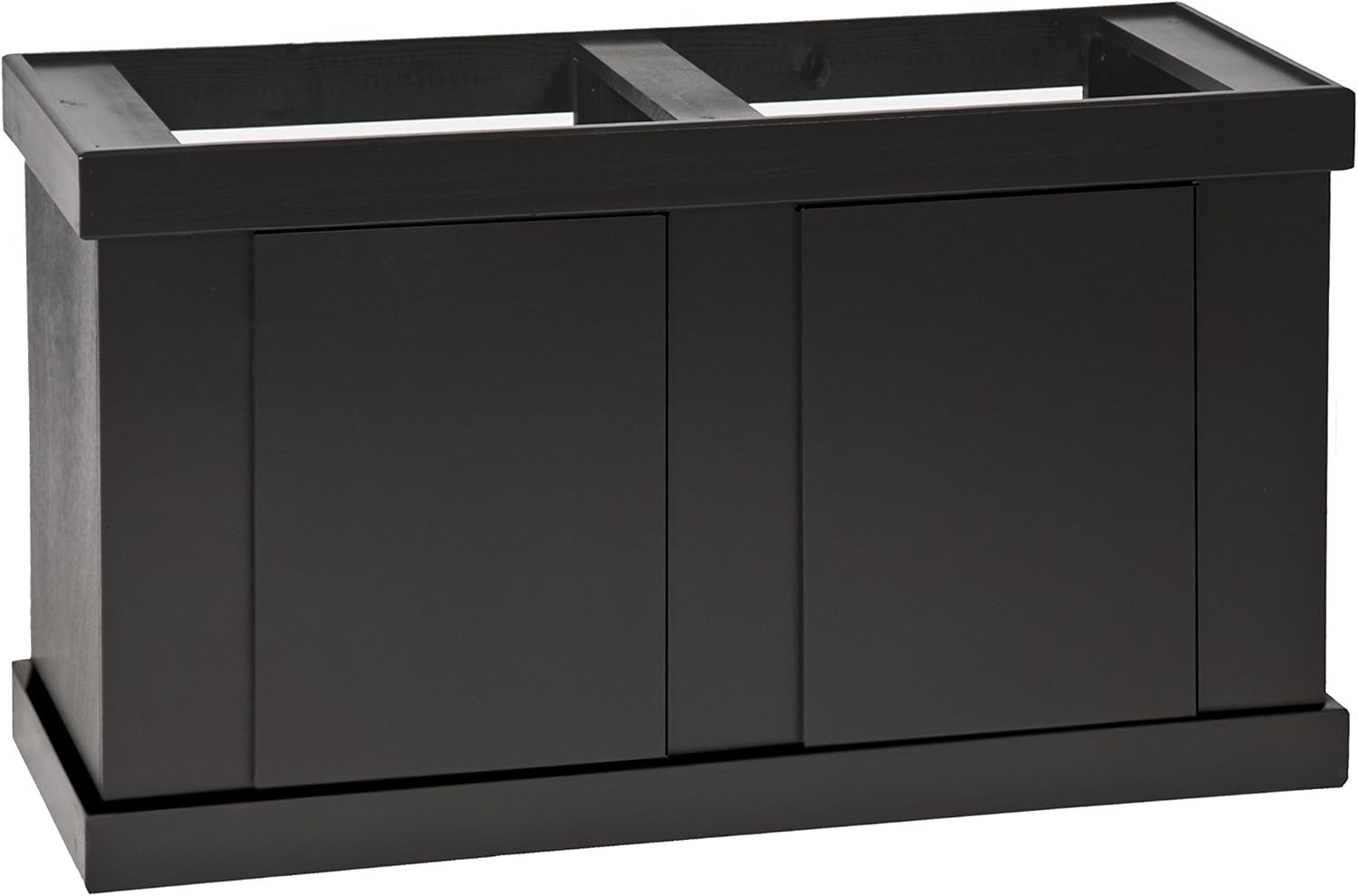
MarineLand
MarineLand Perfecto Majesty 55 Gallon Aquarium Stand with Storage, Black Wood Finish for Fish Tank Support
See current price


Aquatic Fundamentals
Aquatic Fundamentals 29/37 Gallon Wood/Steel X-Series Aquarium Stand, with Lower Shelf, Black, (5X29-1)
See current price


Ameriwood Home
Ameriwood HOME Ollie & Hutch Laguna Tide 29-37 Gallon Aquarium Stand, Espresso (5647012COM)
See current price

Popular brands in Aquarium Stands
An aquarium stand does more than raise a tank to a comfortable viewing height. It provides a dedicated support surface, helps organize equipment, and can make the aquarium look more integrated with the room. Choosing the right stand starts with matching it to the tank’s footprint and fully filled weight—not just its empty dimensions.
This category is part of Fish & Aquatic Pets, where you can also find equipment and supplies for maintaining a complete aquarium setup.
How to choose an aquarium stand
Start by checking the aquarium manufacturer’s recommended stand requirements. The stand should support the tank evenly across its base, with dimensions that match the tank footprint. A stand that is too narrow, too short, or designed for a different base shape may create an unsafe setup.
Consider the following before comparing individual products:
- Tank compatibility: Confirm the stand is intended for your aquarium’s size, shape, and base design.
- Weight capacity: Account for the aquarium, water, substrate, rocks, décor, equipment, and any other contents when estimating the total load.
- Stability: Look for a solid, level structure that resists wobbling and keeps the tank properly supported.
- Room placement: Measure the available floor area and check the stand’s height in relation to seating, viewing angles, and nearby furniture.
- Assembly: Review whether the stand requires assembly and what tools or hardware may be needed.
A level floor is important even with a well-made stand. Avoid placing the aquarium on an unstable surface or using improvised shims unless the aquarium and stand manufacturers specifically allow it.
Common aquarium stand styles
Aquarium stands generally fall into a few practical design categories. Cabinet-style stands conceal filtration equipment, cords, food, and maintenance supplies behind doors or panels. Open-frame stands provide easier access and may suit setups where equipment visibility is less important. Some designs emphasize a compact footprint, while others offer shelving or enclosed storage for a more organized station.
The right style depends on how much equipment you plan to keep below the tank and how visible you want that equipment to be. A cabinet can give the room a cleaner appearance, while an open design may make routine access faster. If you are building a larger aquatic setup, compare the stand’s structure and support details carefully rather than choosing by appearance alone.
Features and specifications to compare
Dimensions are among the most important specifications. Compare the stand’s width and depth with the aquarium base, and check the overall height to make sure the finished setup will be comfortable to view and maintain. Leave enough clearance around the aquarium for cords, filter hoses, lighting, and routine cleaning.
Construction materials affect appearance, maintenance, and long-term practicality. Manufactured wood panels may coordinate with household furniture, while metal frames can provide a more open, utilitarian look. Pay attention to the finish and whether the surface is easy to wipe clean around occasional splashes.
Storage features can also make a difference. Consider the number and location of shelves, doors, compartments, or cable openings. Enclosed storage is useful for keeping supplies out of sight, but ventilation and easy access may matter if equipment such as filters or pumps is stored inside.
Coordinating the rest of your aquarium setup
An aquarium stand is only one part of the installation. Browse Aquarium Pumps & Filters when comparing filtration equipment, and consider Aquarium Lights for illumination that fits the tank and stand arrangement. Aquarium Décor can help complete the interior environment without overlooking the space needed for maintenance.
Keep water-treatment supplies and maintenance tools accessible but safely organized. Related options include Aquarium Water Treatments, Aquarium Cleaners, and Food. Avoid overloading shelves with heavy items or storing products where leaks could damage the stand.
Brands represented in the catalog
The catalog includes aquarium stand options from Aquatic Fundamentals, imagitarium, Ameriwood Home, Coralife, Aqueon, Ollie & Hutch, and MarineLand. Compare each product’s listed dimensions, intended tank compatibility, materials, storage layout, assembly details, and support specifications rather than relying on brand name alone. Product designs can differ significantly even within the same general style.
Aquarium stand setup and care tips
Before placing the tank on the stand, assemble every part according to the manufacturer’s instructions and verify that fasteners are secure. Check that the structure sits level and does not rock. The aquarium should rest on the type of surface specified for that tank; do not assume a separate mat or padding is appropriate for every aquarium design.
Wipe up spills promptly, especially around unfinished edges, joints, doors, and shelving. Keep electrical connections away from water and arrange cords with appropriate drip loops where applicable. Periodically inspect the stand for swelling, corrosion, loose hardware, damaged panels, or other changes that could affect stability.
Is an aquarium stand necessary?
A dedicated stand is usually the simplest way to provide a stable, properly sized base and organized storage. The aquarium manufacturer’s support requirements should determine whether a particular stand is suitable.
How do I determine the required weight capacity?
Add the weight of the filled aquarium and all contents, including substrate, rocks, décor, and equipment. Use the aquarium and stand specifications together, and allow an appropriate safety margin rather than selecting a stand that is barely sufficient.
Should the stand be the same size as the aquarium?
The stand should be designed for the aquarium’s footprint and provide even support across the required base area. Check the manufacturer’s compatibility information instead of matching dimensions by appearance alone.
Can aquarium equipment be stored inside the stand?
Many cabinet-style stands are designed to hold equipment and supplies, but available space and ventilation vary. Check compartment dimensions, cable access, and the equipment manufacturer’s requirements before storing filters or pumps inside.
What should I check after assembling the stand?
Confirm that all hardware is tight, the stand is level and stable, and the aquarium sits correctly according to its instructions. Recheck the setup after moving furniture, cleaning, or making changes nearby.