
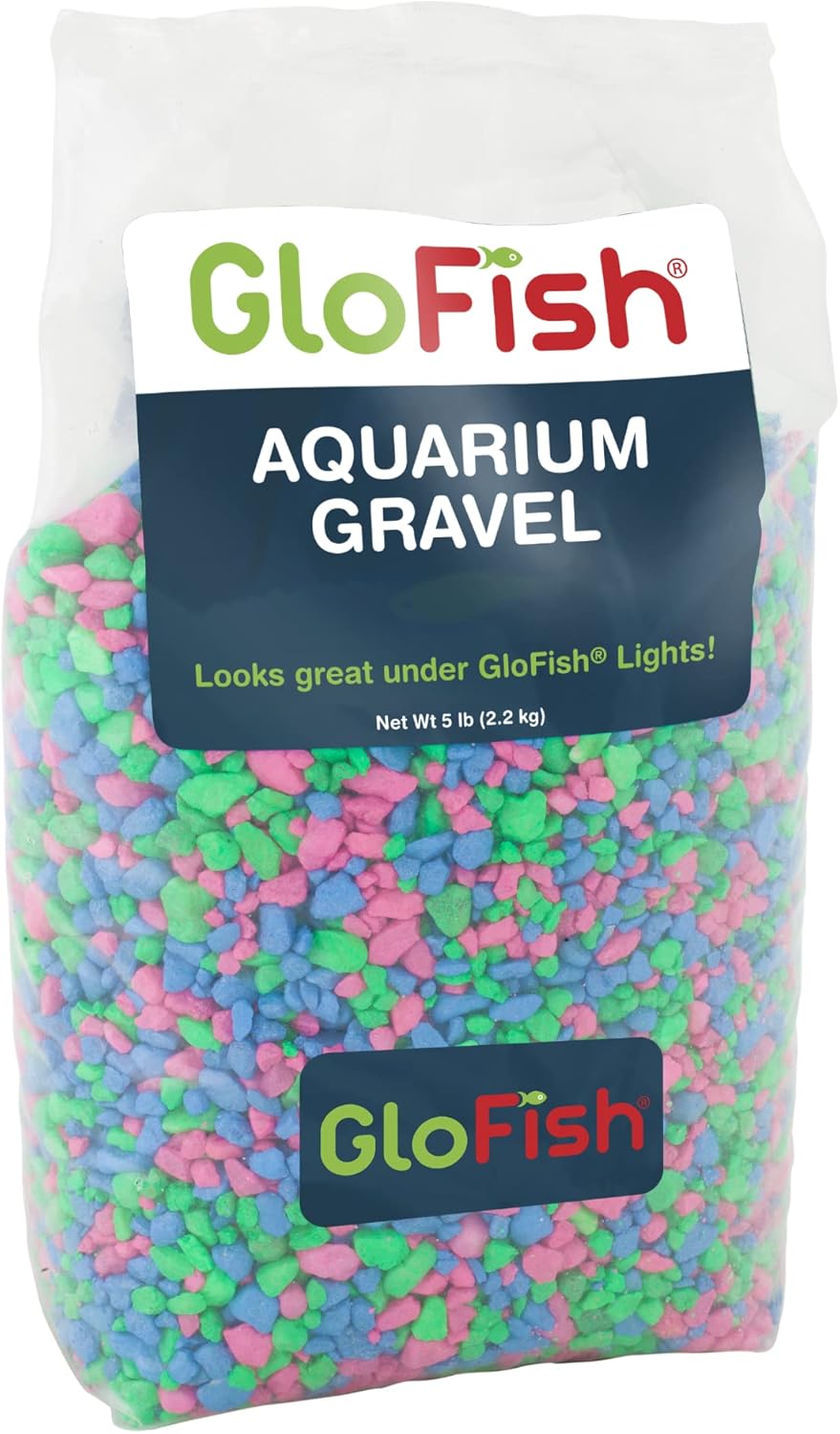
Aquarium Substrate for Freshwater and Marine Tanks
Compare aquarium substrate by material, grain size, color, and tank compatibility. This guide helps you evaluate options for planted, freshwater, marine, and decorative aquariums.
164 products in catalog
164 results
Filters

Midwest Hearth
Midwest Hearth Natural Decorative Polished White Pebbles 3/8" Gravel Size (5-lb Bag)
See current price
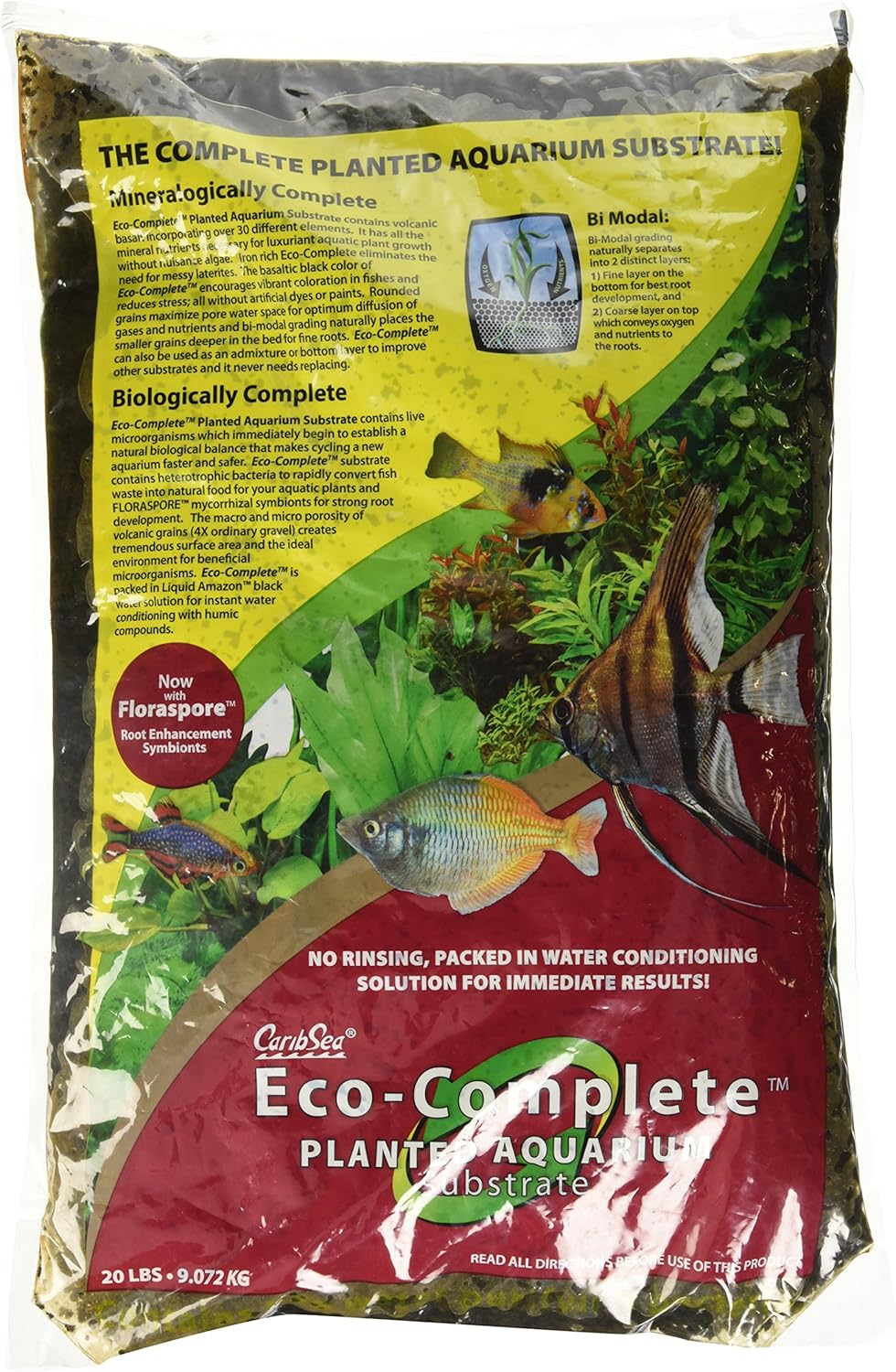

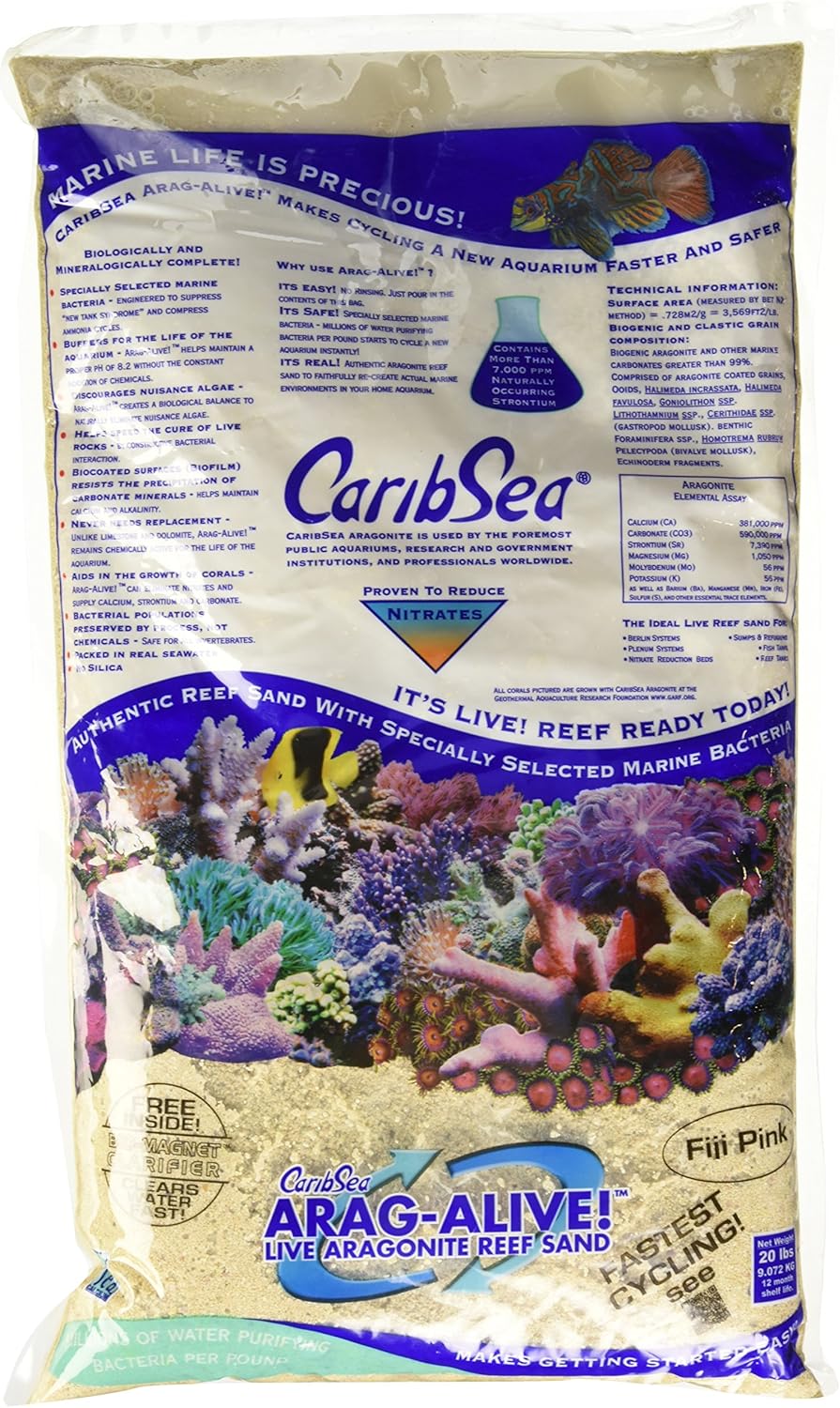
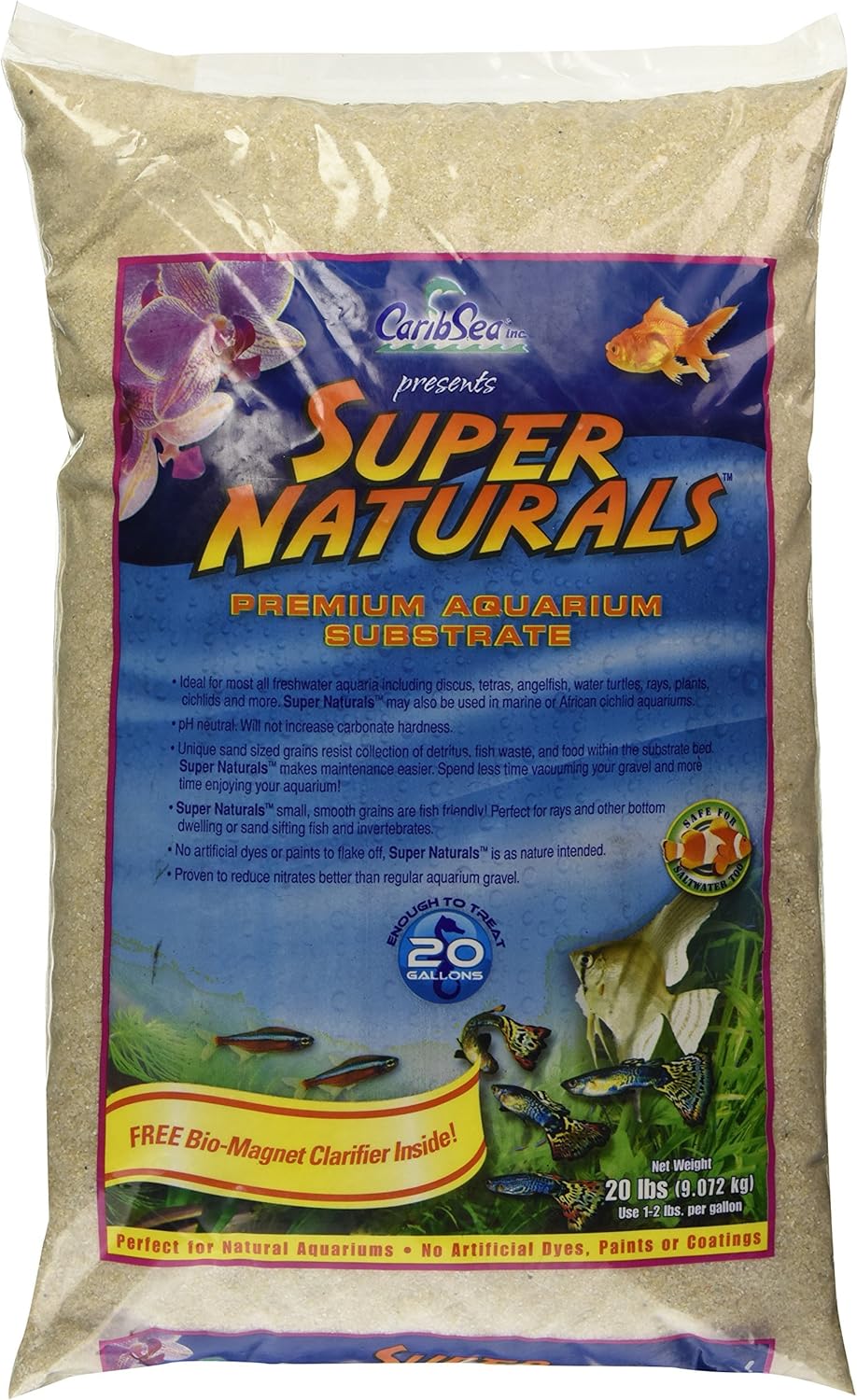

Midwest Hearth
Midwest Hearth Natural Decorative Polished Black Pebbles 3/8" Gravel Size (10-lb Bag)
See current price

Seachem Laboratories, Inc.
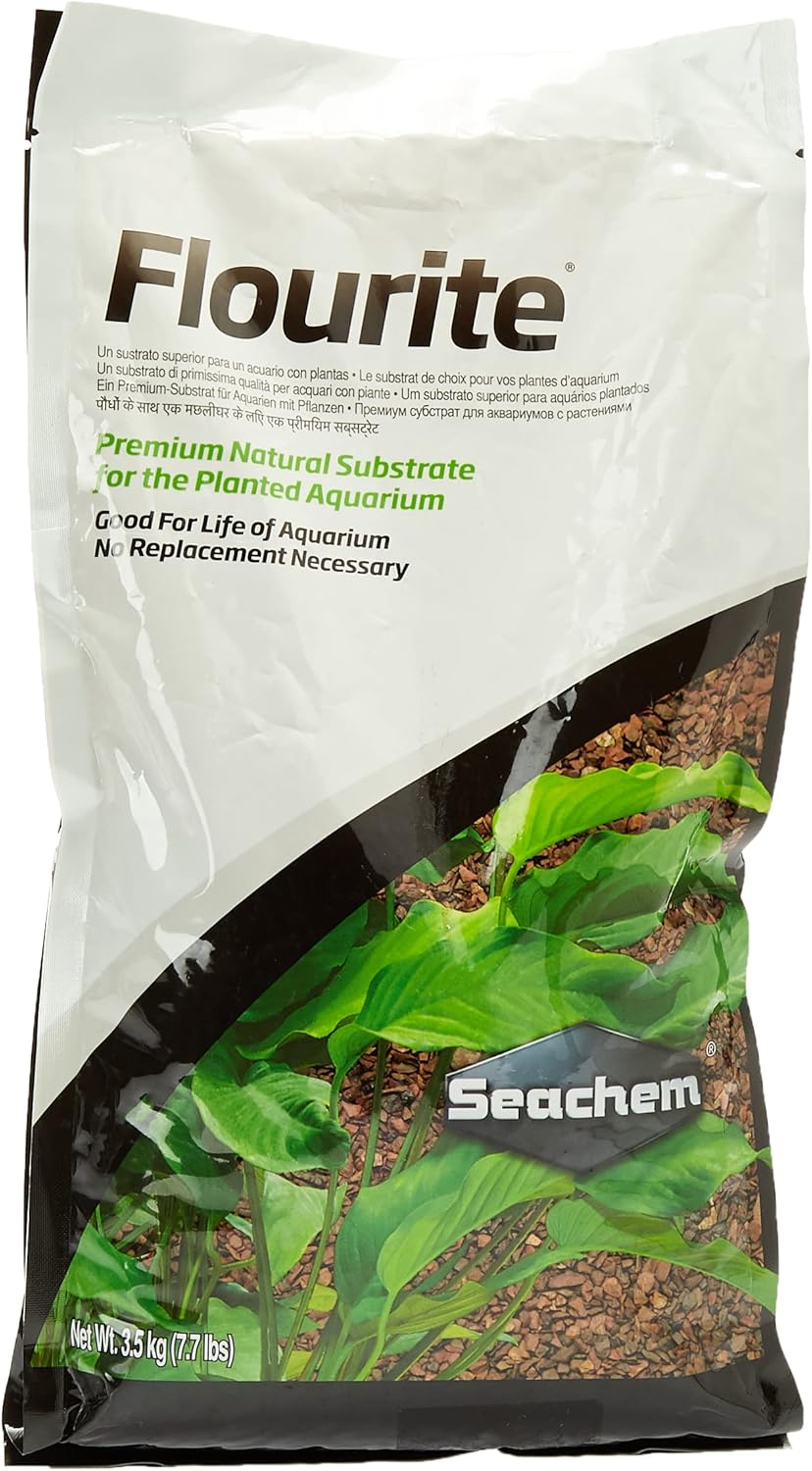
Seachem Flourite Black Clay Gravel - Stable Porous Natural Planted Aquarium Substrate 15.4 lbs
See current price

Midwest Hearth
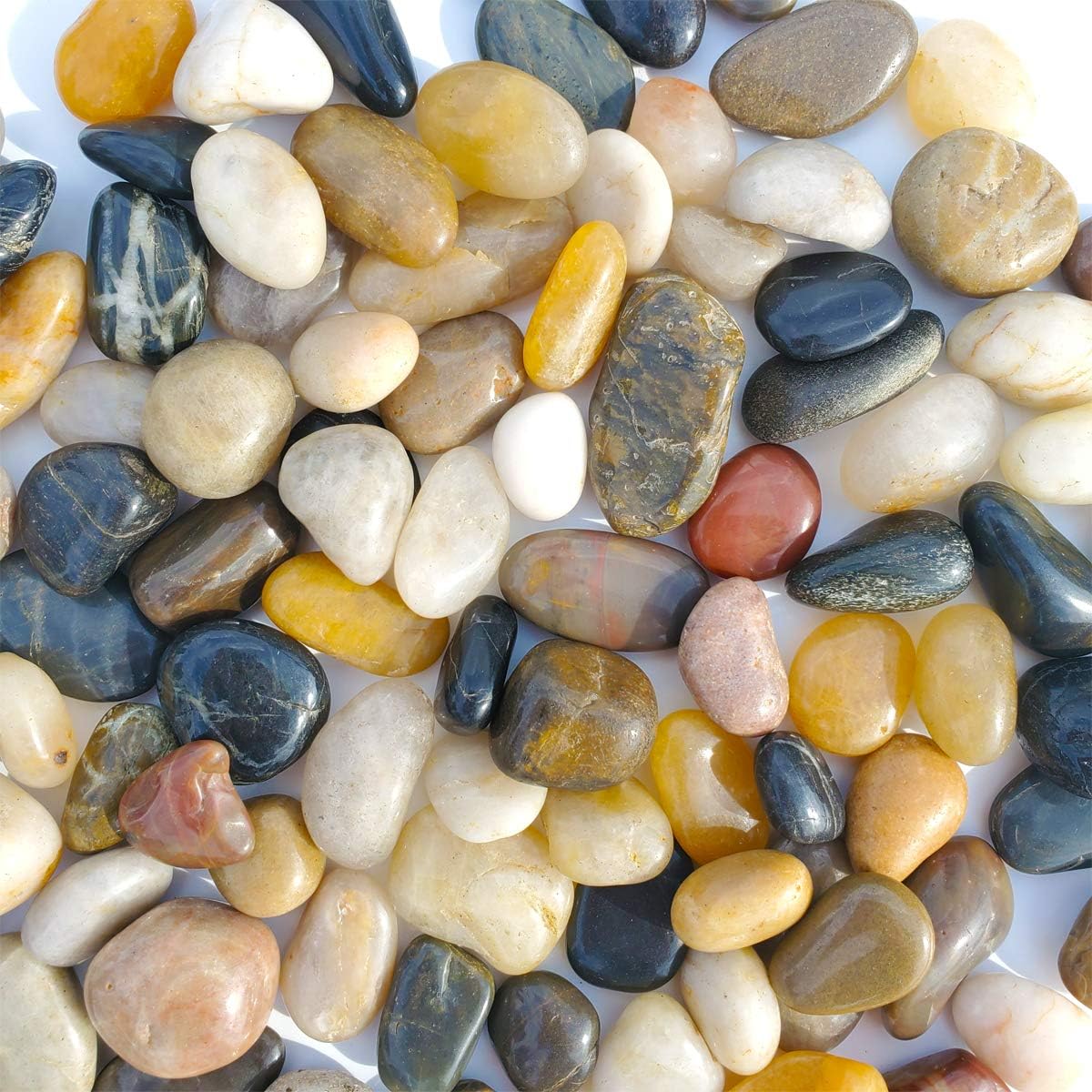
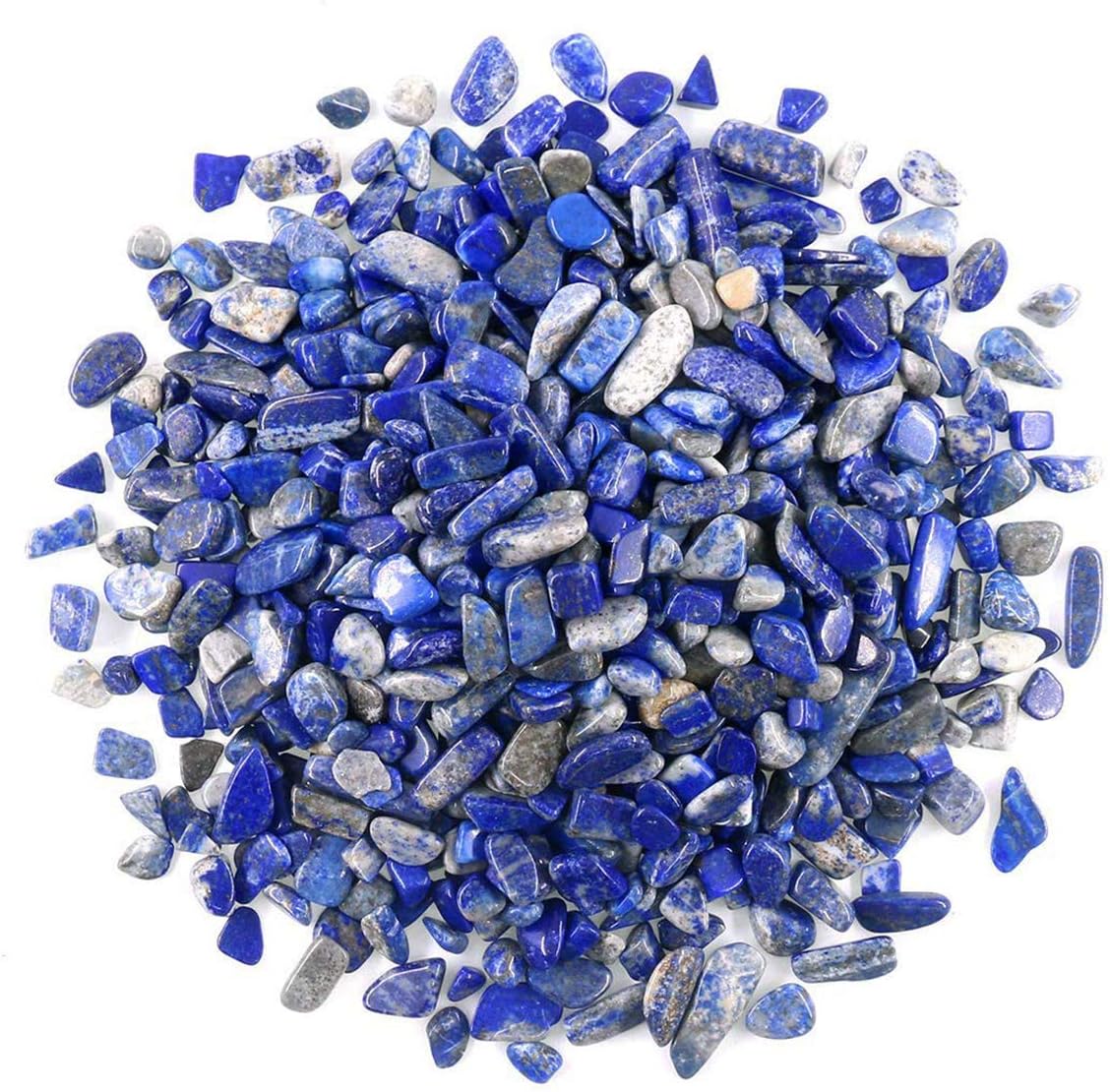
Natural Decorative Polished Mixed Pebbles 3/8" Gravel Size (2-lb Bag)
See current price





Midwest Hearth
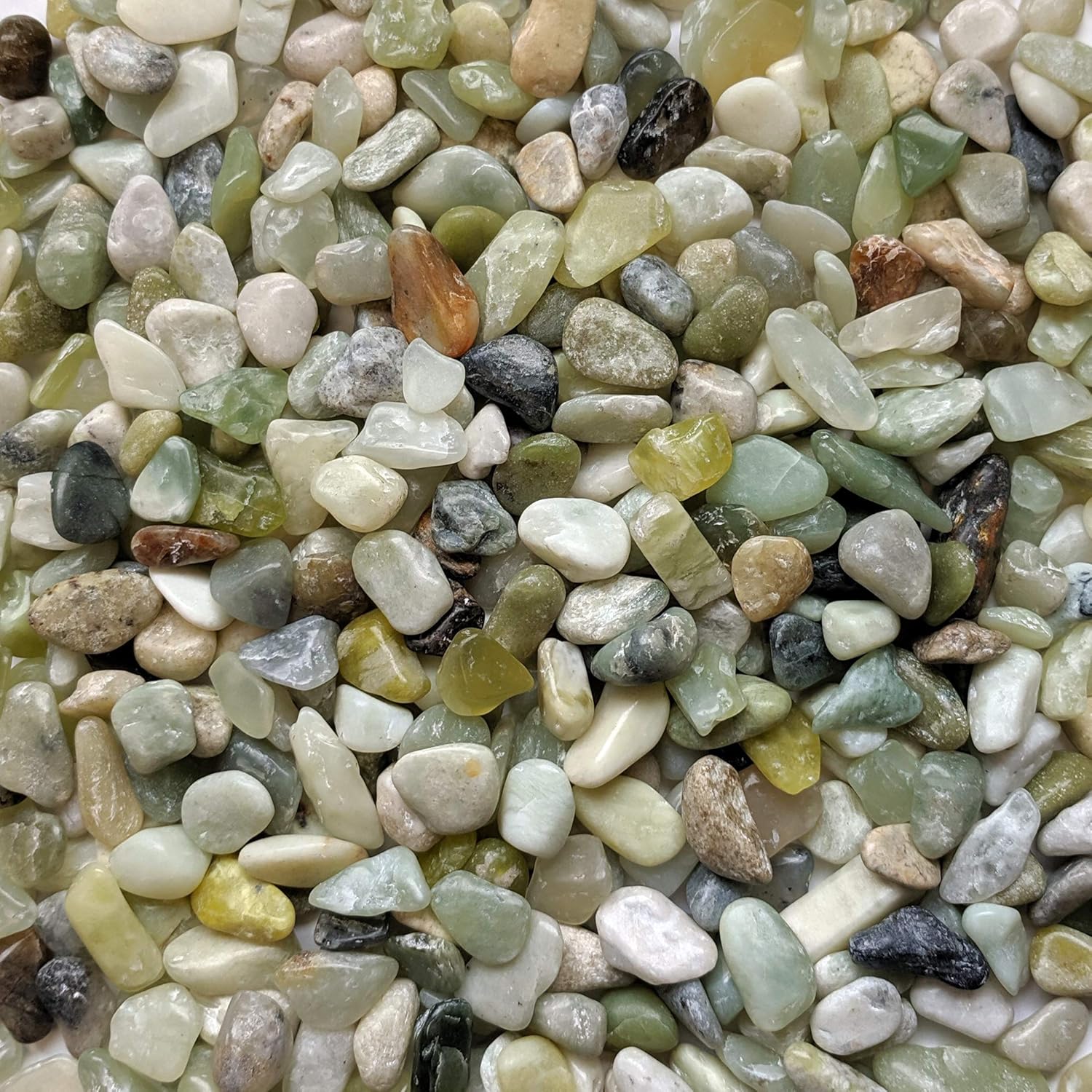
Midwest Hearth Natural Decorative Polished Jade Pebbles 3/8" Gravel Size (2-lb Bag)
See current price

TopDawg Pet Supply
Carib Sea ACS05820 Super Natural Moonlight Sand for Aquarium, 5-Pound
See current price


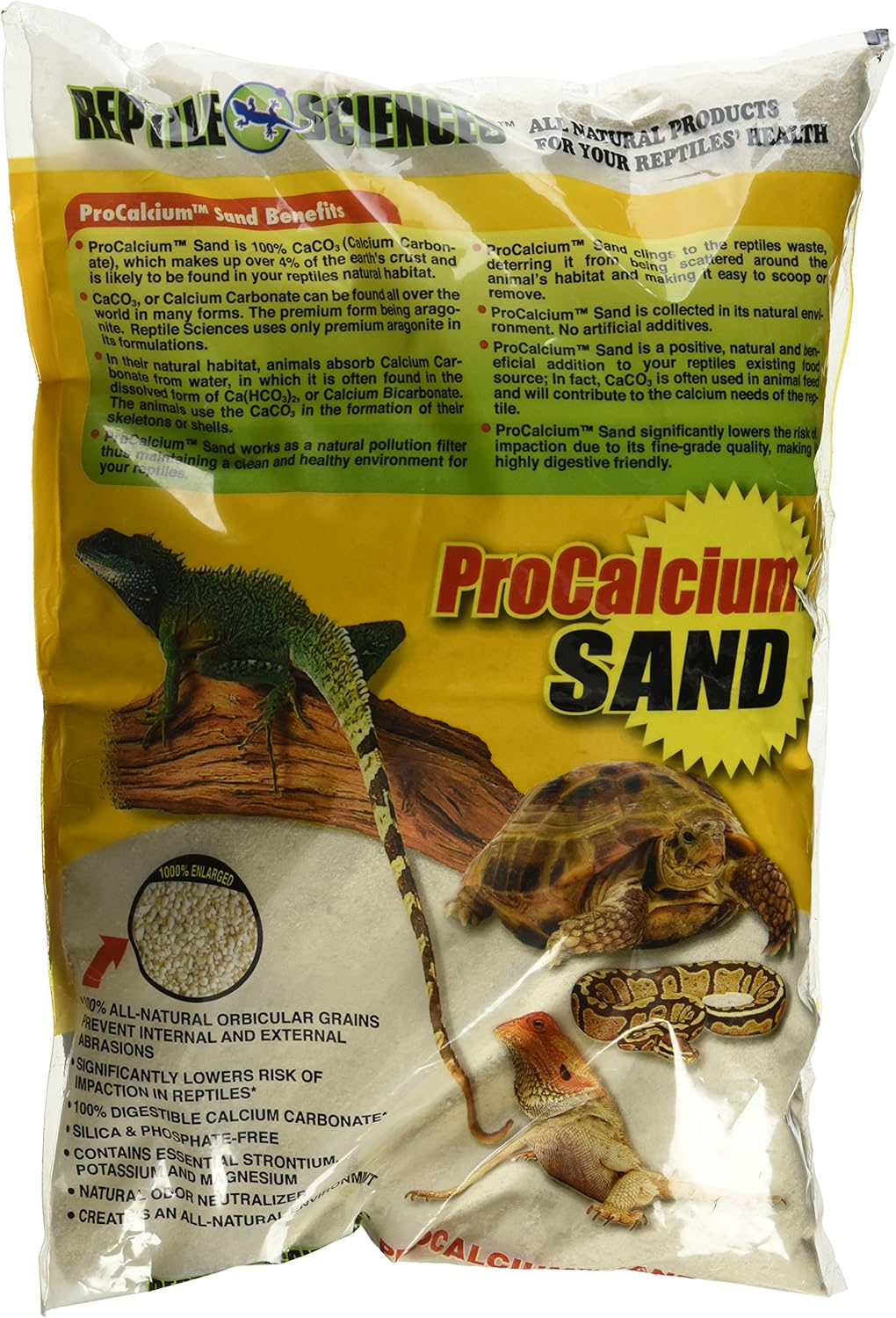
WORLD WIDE IMPORTS ENT., INC.
Reptile Sciences Terrarium Sand for Aquarium, 10-Pound, Natural White
See current price
Popular brands in Aquarium Substrate
Aquarium substrate is more than a decorative layer. The material and grain size can affect how your aquarium looks, how easily debris is removed, and whether it suits plants, bottom-dwelling fish, or invertebrates. K-Catalog brings together substrate options for comparing product specifications and features before visiting Amazon to check current availability.
Choosing the right base starts with your aquarium’s inhabitants and maintenance routine. Consider whether you need a planted-tank substrate, a neutral gravel or sand, a marine-compatible material, or simply an attractive foundation for décor.
How to choose aquarium substrate
Begin with the needs of the fish, plants, and invertebrates in the tank. Some bottom-dwelling species spend much of their time sifting or resting on the substrate, so a smooth material with a suitable texture may be preferable to sharp or highly coarse gravel. Burrowing species may also need enough depth to move naturally.
For planted aquariums, look for products described as suitable for aquatic plants and compare the material, granule size, and any stated water-chemistry considerations. In a fish-only tank, appearance, ease of cleaning, and compatibility with filtration may matter more than plant-supporting properties.
Also consider the aquarium’s footprint and the depth you want. A deeper layer can create a more established aquascape, but it may require more careful cleaning. Follow the product directions for rinsing and setup, especially when switching from one substrate type to another.
Common substrate materials
Gravel
Aquarium gravel is a versatile choice for many freshwater setups. It is available in different colors and grain sizes, making it easy to coordinate with plants and aquarium décor. Compare whether the pieces are smooth or angular, how easy they are to siphon, and whether the product is intended for freshwater or marine use.
Sand
Sand creates a fine, streamlined appearance and can suit aquariums with fish that sift through the bottom. Fine particles may require more careful maintenance because debris can rest on the surface, while excessive disturbance can cloud the water. Check guidance on rinsing, layering, and use with filters before adding it to the tank.
Planted-tank substrates
Specialized planted substrates are designed for aquariums where aquatic plants are a central feature. Compare particle size, color, setup instructions, and any information about water parameters. These products may be most useful to aquarists planning a planted layout rather than a simple decorative base.
Marine and coral-based substrates
Marine aquariums often call for substrate intended for saltwater conditions. Coral-based or aragonite-style materials may have different properties from ordinary freshwater gravel, so verify compatibility with the planned livestock and water-chemistry approach. Do not assume that a visually similar product is suitable for every aquarium type.
Specifications and features to compare
Product listings can differ significantly even when the substrate looks similar. Pay attention to:
- Material and intended use: Check whether the product is designed for freshwater, saltwater, planted, or general aquarium setups.
- Grain or particle size: Fine sand, small gravel, and larger pieces create different looks and maintenance requirements.
- Texture and shape: Smooth edges are an important consideration for fish that rest, sift, or forage along the bottom.
- Color and finish: Choose a color that complements fish, plants, rocks, and other décor without distracting from the aquarium.
- Water-chemistry information: Look for manufacturer guidance about whether the substrate is inert or may influence water conditions.
- Preparation requirements: Review whether rinsing, soaking, or other preparation is recommended before use.
- Package details: Compare the stated package size and coverage guidance with the aquarium’s dimensions and desired depth.
Substrate also works as part of a broader aquarium setup. Filtration and circulation can affect how easily particles move through the tank, so compare compatible aquarium pumps and filters alongside the substrate. Lighting is especially relevant for planted displays; browse aquarium lights when planning the full environment.
Brands represented in the catalog
The catalog includes aquarium substrate from Carib Sea, TopDawg Pet Supply, Voulosimi, Pisces USA, Estes, WORLD WIDE IMPORTS ENT., INC., Anothera, OUPENG, Nature's Ocean, Seachem, imagitarium, and Estes Gravel Products. Comparing these listings by material, intended aquarium type, particle size, color, and preparation instructions can help narrow the selection without relying on brand name alone.
Setup and maintenance tips
Rinse appropriate gravel or sand according to the product instructions before placing it in the aquarium. Add it carefully to avoid stressing the glass or creating unnecessary cloudiness. When cleaning, use an aquarium-safe siphon and avoid removing beneficial habitat more aggressively than necessary.
Substrate should also be considered when arranging plants, rocks, and ornaments. Keep heavy décor stable, leave enough open space for fish to move, and make sure the substrate does not block filter intakes. For a complete maintenance routine, compare aquarium cleaners and review suitable aquarium water treatments. Fish feeding needs can be evaluated separately in Food.
Frequently asked questions
Is aquarium gravel or sand better?
Neither is universally better. Gravel may be easier to vacuum and offers a traditional appearance, while sand provides a finer surface that may suit certain bottom-oriented fish. Choose according to livestock, plants, and maintenance preferences.
Does aquarium substrate affect water chemistry?
Some materials are intended to be neutral, while others may influence water conditions. Check the product description and manufacturer guidance before using a substrate in a sensitive setup.
How much substrate does an aquarium need?
The required amount depends on the tank’s footprint and the depth you want. Use the package’s coverage guidance and account for areas occupied by décor or equipment.
Should substrate be washed before use?
Many gravel and sand products benefit from preparation before entering the aquarium, but the correct method varies. Follow the instructions for the specific product and avoid using household cleaners.
Can the same substrate be used in freshwater and saltwater tanks?
Not always. Confirm the stated intended use, especially for marine aquariums, coral-based materials, and setups where water chemistry is carefully managed.