
AV Receivers & Amplifiers Buying Guide
Compare AV receivers and amplifiers by audio performance, connectivity, room setup, and device compatibility before choosing equipment for a home theater or stereo system.
28 products in catalog
28 results
Filters
Availability
Brand
Price


Yamaha Audio
Yamaha RX V375 5.1 Channel 3D A/V Home Theater Receiver (Discontinued by Manufacturer)
See current price


Yamaha Audio
Yamaha RX-V485BL 5.1 Channel AV Network Receiver with Wi-Fi and Bluetooth
See current price


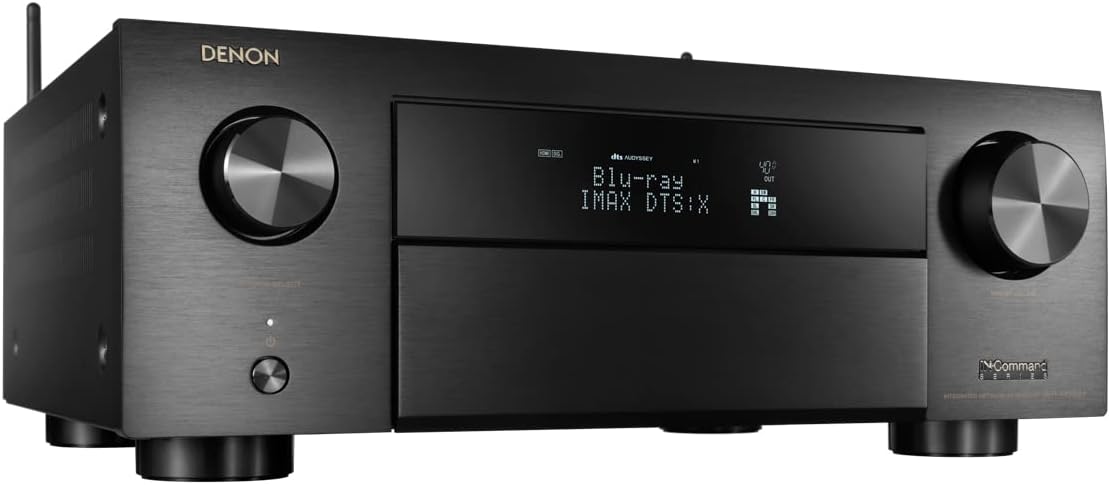


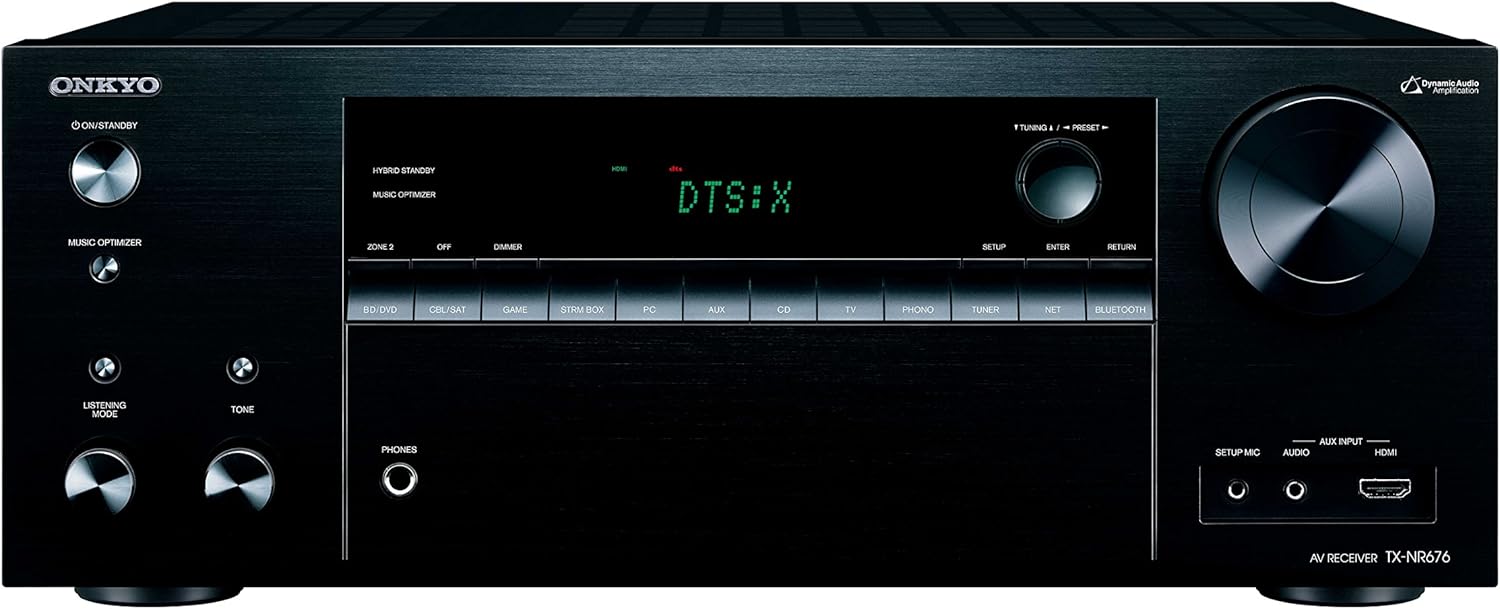


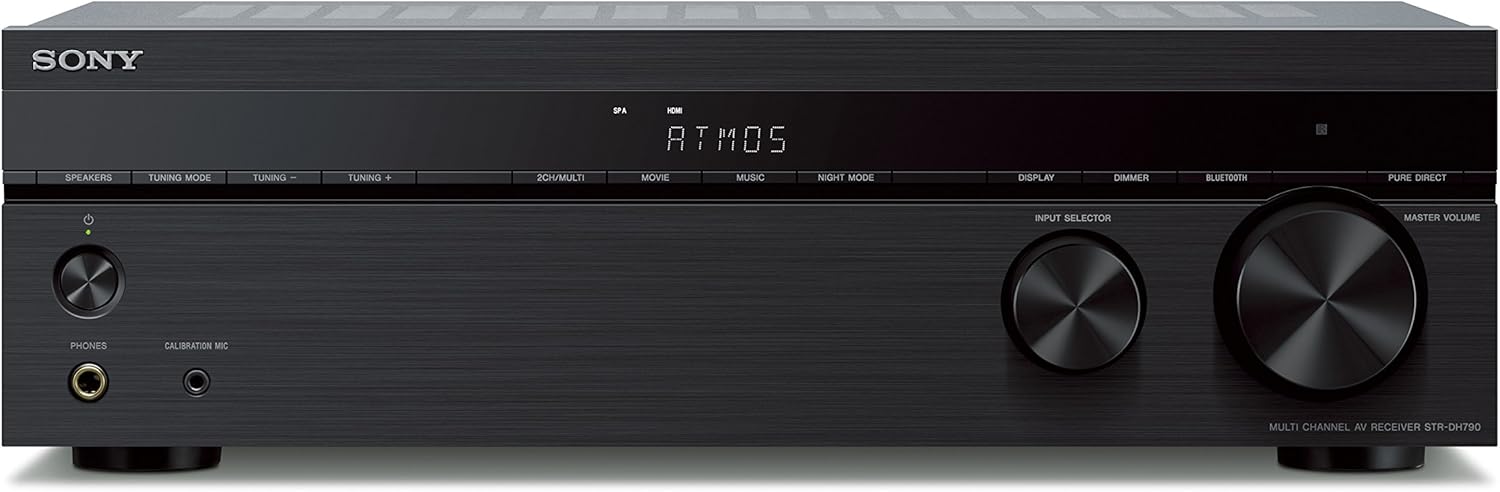
Popular brands in AV Receivers & Amplifiers
AV receivers and amplifiers help bring multiple parts of a home entertainment system together. An AV receiver typically handles audio and video switching, surround sound processing, and speaker output, while a dedicated amplifier focuses primarily on powering speakers. The right choice depends on your room, sources, speakers, and how much control you want over your setup.
This K-Catalog category includes equipment from brands such as Denon, Sony, Yamaha Audio, Onkyo, S.M.S.L, Pyle, Sound Around, Pioneer, Televes, Marantz, Micca, and Diamond Multimedia. Use the catalog to compare specifications and features, then check the current product details on Amazon before buying.
How to choose an AV receiver or amplifier
Start by deciding whether you need an all-in-one home theater hub or a simpler stereo component. An AV receiver is generally suited to systems with a television, streaming device, game console, disc player, and multiple speakers. A stereo amplifier or integrated amplifier may be a better fit for music listening with a pair of passive speakers.
Consider the following questions:
- How many source devices need to connect?
- Do you need video switching as well as audio amplification?
- Are you building a surround-sound system or a two-channel setup?
- Will the component fit in your equipment cabinet or shelf?
- Do your speakers require a particular type or level of power?
If your system includes a newer display, confirm that the receiver supports the video connections and signal formats your sources use. For a broader look at related home entertainment equipment, browse Televisions and Television & Video Accessories.
Main types to compare
AV receivers
AV receivers combine source switching, audio decoding, and speaker amplification in one component. They are a practical choice for home theater installations where several devices connect to one display. Look for enough inputs for current equipment, plus room for future additions.
Stereo receivers and integrated amplifiers
These components are designed around two-channel listening. They can suit music-focused systems, compact rooms, or users who do not need surround processing and extensive video switching. An integrated amplifier commonly combines a preamplifier and power amplifier in one enclosure.
Power amplifiers
A power amplifier is intended to drive speakers and may be used with a separate preamplifier or other control component. This type can suit a more modular system, but compatibility between components becomes especially important.
Compact and specialty amplifiers
Smaller amplifiers can work well with desktop speakers, secondary rooms, or installations where space is limited. Check the supported speaker type, available inputs, cooling requirements, and control options rather than assuming a compact unit will suit every speaker system.
Key specifications and features
Connectivity is one of the most important areas to compare. Review the input and output types, including HDMI, optical, coaxial, analog, speaker terminals, and subwoofer connections where applicable. Make sure the layout matches your sources and display.
Speaker compatibility matters just as much as amplifier capability. Check supported speaker impedance, channel configuration, output information, and whether the unit is intended for passive speakers. Avoid selecting solely by headline power claims; the complete specification should match the speakers and listening environment.
Audio processing determines the kind of system an AV receiver can support. Compare surround formats, stereo modes, subwoofer management, and calibration or setup features. For music systems, also consider the quality and convenience of the digital and analog inputs you plan to use.
Video support should match the capabilities of your display and source devices. Confirm compatibility with the connections, resolution, refresh behavior, and copy-protection requirements relevant to your setup. A receiver that lacks a needed video feature may force you to connect devices directly to the television.
Brands represented in the catalog
The catalog includes a broad mix of established home theater, hi-fi, compact audio, and installation-oriented brands. Denon, Sony, Yamaha Audio, Onkyo, Pioneer, and Marantz are represented alongside S.M.S.L, Pyle, Sound Around, Televes, Micca, and Diamond Multimedia. Compare each product by its own specifications and intended use rather than choosing by brand name alone.
Setup and compatibility tips
Before ordering, list every source device, display, speaker, and subwoofer in the system. Then check that the receiver or amplifier has the necessary connections without relying on adapters that may reduce convenience.
Allow adequate ventilation around the component, especially when it will power several speakers. Keep speaker wires secure and observe the correct polarity at both the amplifier and speaker terminals. If using a separate amplifier and preamplifier, verify signal levels and connection types before installation.
For systems built around streaming or disc playback, compare the receiver with the rest of the equipment. Related options include Streaming Media Players, Blu-ray Players & Recorders, and DVD Players & Recorders. If your setup involves broadcast reception or signal conversion, Analog-to-Digital (DTV) Converters may also be relevant.
Frequently asked questions
What is the difference between an AV receiver and an amplifier?
An AV receiver generally combines audio amplification, video switching, and surround processing. An amplifier primarily powers speakers, with some models also providing input selection or preamplification.
Do I need an AV receiver for a television and soundbar?
Not necessarily. A soundbar often includes its own amplification and processing. An AV receiver is more relevant when using separate speakers, multiple source devices, or a configurable surround system.
How many inputs should an AV receiver have?
Choose enough inputs for every current source device, with additional capacity for equipment you may add later. Check both the input types and the number of each connection.
Can any amplifier work with any speakers?
No. Check speaker impedance, amplifier output specifications, connection type, and the intended application before pairing components.
Should the receiver connect to the television or the source devices?
Many home theater systems route source devices through the receiver and then connect the receiver to the television. Direct-to-TV connections may be preferable when a source or display feature is not supported by the receiver.