

Bearings, Balls & Bushings
Compare bearings, balls and bushings by design, material, fit and operating requirements. K-Catalog helps you review specifications before visiting Amazon for product details and purchasing.
183 products in catalog
183 results
Filters


BC Precision
BC Precision 500 Piece Assorted Loose Bicycle Bearing Balls 1/8", 5/32", 3/16" 7/32" & 1/4" (BCBIKE5)
See current price
BC Precision
BC Precision 500 Piece Assorted Loose Bicycle Bearing Balls 1/8", 5/32", 3/16" 7/32" & 1/4" (BCBIKE5)
See current price
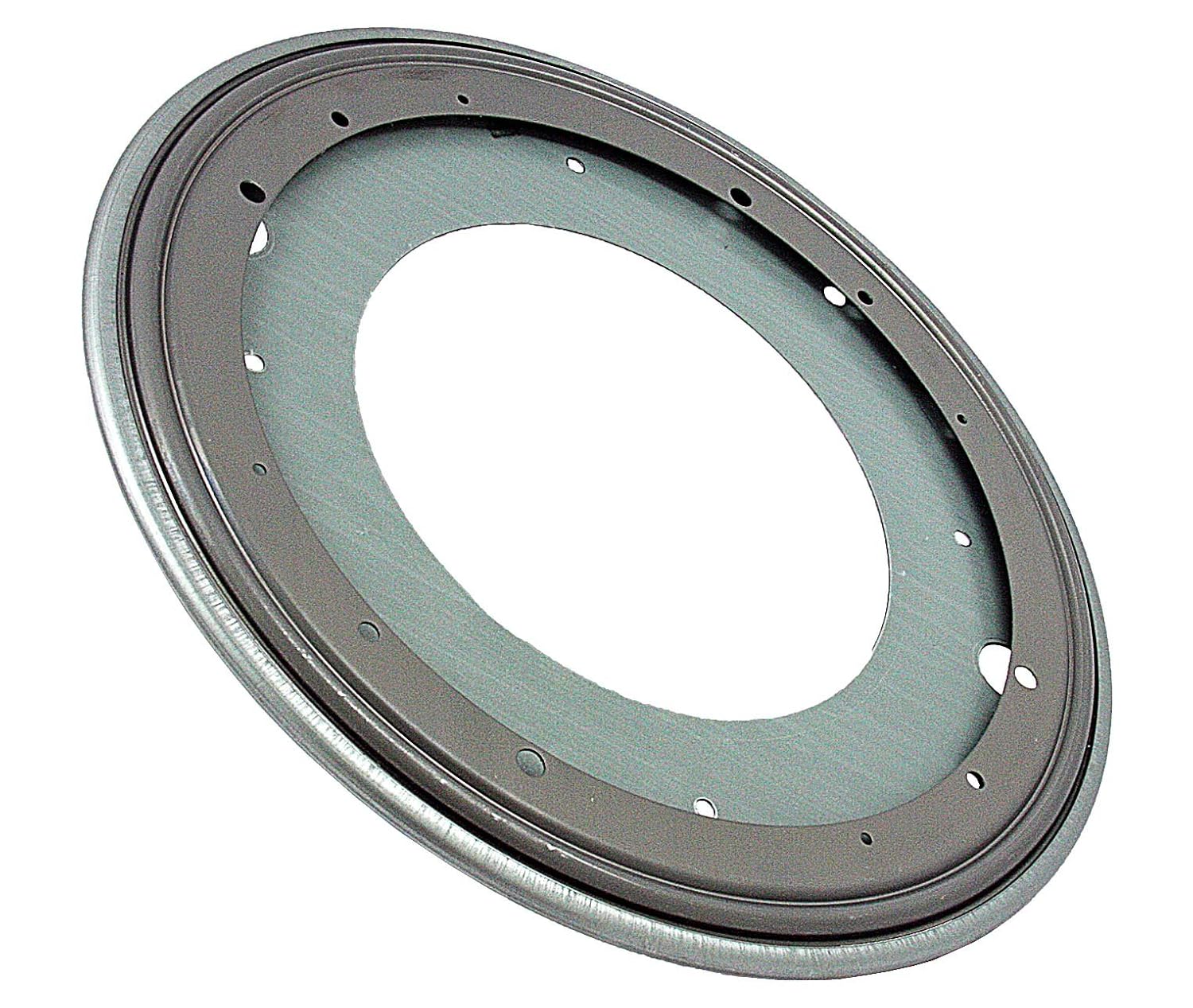


![[12 Pack]625-2RS Ball Bearings – Bearing Steel and Double Rubber Sealed Miniature Deep Groove Ball Bearings for VORON Mobius 2/3 3D Printer (5 x 16 x 5mm)](https://m.media-amazon.com/images/I/51GN0lj+EUL._SL1001_.jpg)
![[3 Pack]6204-2RS Ball Bearings – Bearing Steel and Double Rubber Sealed Miniature Deep Groove Ball Bearings for Electric Motor (20mm x 47mm x 14mm)](https://m.media-amazon.com/images/I/51QZXkv53lL._SL1001_.jpg)
![[20 Pack]608-2RS Ball Bearings – Bearing Steel and Double Rubber Sealed Miniature Deep Groove Ball Bearings for Skateboards, Inline Skates, Scooters (8mm x 22mm x 7mm)](https://m.media-amazon.com/images/I/613Y101lRtL._SL1500_.jpg)
![[4 Pack]6203-2RS Ball Bearings – Bearing Steel and Double Rubber Sealed Miniature Deep Groove Ball Bearings for Electric Motor (17mm x 40mm x 12mm)](https://m.media-amazon.com/images/I/518jDvC3Y5L._SL1001_.jpg)
![[10 Pack]6200-2RS Ball Bearings – Bearing Steel and Double Rubber Sealed Miniature Deep Groove Ball Bearings for Pumps, turbines, and Printing and Textile Machines(10x30x9mm)](https://m.media-amazon.com/images/I/61xbobU2XRS._SL1500_.jpg)
![[12 Pack]606-2RS Ball Bearings – Bearing Steel and Double Rubber Sealed Miniature Deep Groove Ball Bearings for Industrial Equipment, Micro Motor, Small Rotary Motor, Office Equipment (6x17x6mm)](https://m.media-amazon.com/images/I/51tBpetUh1L._SL1001_.jpg)





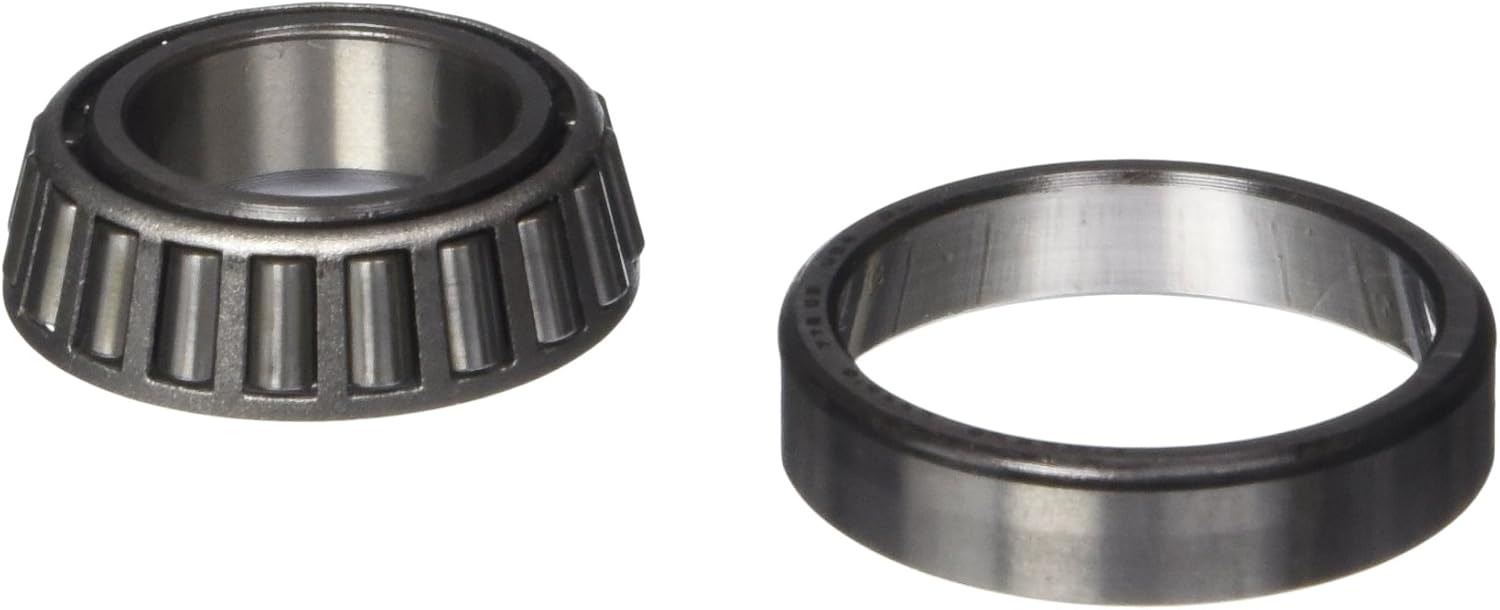

Popular brands in Bearings, Balls & Bushings
Bearings, balls and bushings help support motion, guide rotating or sliding parts, and manage friction between components. The right choice depends on how the part moves, the loads it carries, the available space and the environment around it.
This category is part of Power Transmission Products, where bearings and related components can be considered alongside belts, chains, couplings and other mechanical power-transfer hardware.
How to choose bearings, balls or bushings
Start by identifying the motion and the component interface. A rotating shaft may call for a bearing that supports radial or axial loads, while a sliding linkage may be better suited to a bushing or rod-end component. Loose balls are a different type of product and are generally selected for a specific replacement, bearing assembly or precision application.
Before comparing products, check:
- Shaft or bore fit: Confirm the inside diameter, outside diameter or mating dimensions required by the assembly.
- Load direction: Determine whether the component must handle radial loads, thrust loads or a combination.
- Speed and motion: Consider continuous rotation, intermittent movement, oscillation or linear travel.
- Operating environment: Account for dust, moisture, chemicals, temperature and exposure to outdoor conditions.
- Installation space: Measure the available width, housing and clearance before selecting a replacement.
- Maintenance needs: Decide whether the application benefits from lubrication access, sealing or a low-maintenance material.
Compatibility is more important than choosing a component based only on appearance. Compare the product specification sheet with the equipment’s original part requirements whenever possible.
Common product types
Rolling bearings use rolling elements between races to support movement with reduced friction. They may be selected for rotating shafts, wheels, rollers and machinery assemblies. When comparing them, pay close attention to bearing construction, seal or shield design, bore dimensions and load capabilities.
Bushings, also called plain bearings in some applications, provide a sliding interface between parts. They can be useful where a simple design, compact fit or oscillating movement is more important than a rolling-element assembly. Material selection matters because metal, polymer and composite options can differ in wear behavior, lubrication requirements and environmental suitability.
Balls may be used as replacement elements or within specialized mechanical assemblies. Their material, diameter, grade and surface finish should match the application and the surrounding components. Loose balls are not automatically interchangeable simply because they look similar.
Rod ends and related joint components can support articulated connections in linkages and adjustable assemblies. Review thread style, gender, mounting configuration and allowable movement before choosing one.
Specifications and features to compare
Product listings may describe components using terms such as open, shielded or sealed. These details indicate how the rolling elements are protected and whether the component is intended for a particular lubrication or contamination-control approach. A sealed design may be preferable in a dirt-prone application, while an open design may suit an assembly with a defined lubrication system.
Also compare the following specifications:
- Material and surface treatment
- Bearing or bushing style
- Bore, outer diameter and width
- Thread size and mounting form for rod ends
- Radial, axial or combined load information
- Maximum operating speed where provided
- Temperature range and lubrication guidance
- Package contents and whether the listing covers a single part or a set
For replacements, match the original dimensions and interface first. For a new design, evaluate the component together with the shaft, housing, fasteners and surrounding power-transmission parts.
Brands represented in the catalog
The catalog includes products from PGN Bearings, XIKE, BC Precision, uxcell, VXB, DAFUNY, Donepart, SACKORANGE, PGN, TIMKEN, Rod End Direct and Nooing. These brands are represented across the available catalog selection; compare each listing by its specifications, construction and stated application rather than by brand name alone.
Related components may also be relevant to a complete assembly. Browse Linear Motion Products for components designed around guided travel, or compare Couplings, Collars & Universal Joiners when shafts need to connect, align or be secured. Belts and Chains are useful categories to review when the bearing is part of a broader drive system.
Installation and maintenance considerations
Clean mating surfaces and inspect the shaft or housing before installation. Burrs, corrosion, misalignment and an incorrect press fit can shorten component life or prevent smooth movement. Use appropriate tools and installation force; pressing through the wrong ring of a bearing can damage the internal assembly.
Follow the manufacturer’s lubrication instructions rather than adding lubricant by default. Excess lubricant can attract contamination, while an incompatible lubricant may affect seals or polymer materials. During service, watch for unusual noise, heat, looseness, vibration or resistance and investigate the underlying cause before installing a replacement.
For applications involving significant vibration or impact, also review Shock & Vibration Control products. Springs may be relevant when the assembly also needs controlled force or movement; see Springs for related options.
Frequently asked questions
What is the difference between a bearing and a bushing?
A bearing generally uses rolling elements to support motion, while a bushing provides a sliding surface between components. The better choice depends on motion, load, speed, space and maintenance requirements.
How do I select the correct bearing size?
Measure or confirm the required bore, outside diameter and width, then compare those dimensions with the equipment documentation. Also verify load direction, speed, sealing and mounting conditions.
Are sealed and shielded bearings interchangeable?
Not always. Seals and shields provide different levels of protection and may affect friction, lubrication and suitability for the surrounding environment. Match the original design or the application requirements.
When should I choose a bushing instead of a rolling bearing?
A bushing may suit sliding or oscillating movement, compact assemblies or designs where a plain interface is appropriate. Review material, lubrication, load and wear requirements before selecting one.
Can any loose ball replace a damaged bearing ball?
No. Replacement balls should match the required material, size, grade and surface characteristics. Use the specification for the assembly or the original component as the reference.
What should I check before ordering a replacement?
Confirm dimensions, component type, load information, sealing or lubrication requirements, mounting details and the number of pieces included in the listing.