

Couplings, Collars & Universal Joiners
Compare couplings, collars and universal joiners for connecting, positioning, or securing shafts and related components. Review dimensions, materials, compatibility, and operating requirements before choosing.
28 products in catalog
28 results
Filters


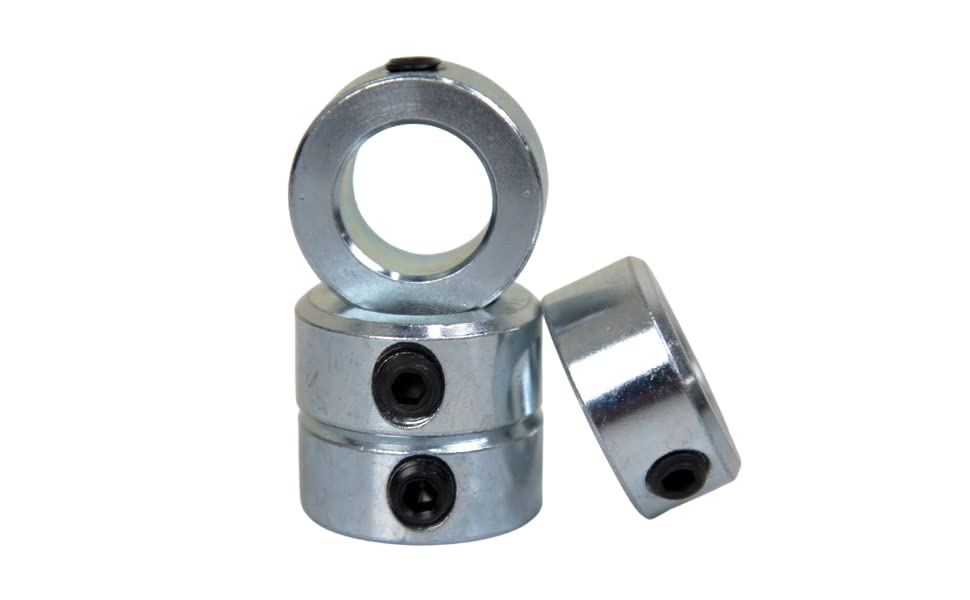
AZSSMUK
AZSSMUK 1/2" Bore Double Split Clamp-On Shaft Collars with Set Screw of 4-Packed
See current price
Jeremywell
Jeremywell 5/8" Bore Zinc Plated Set Screw Shaft Collar OD 1-1/8" Width 1/2" (4 PCS)
See current price


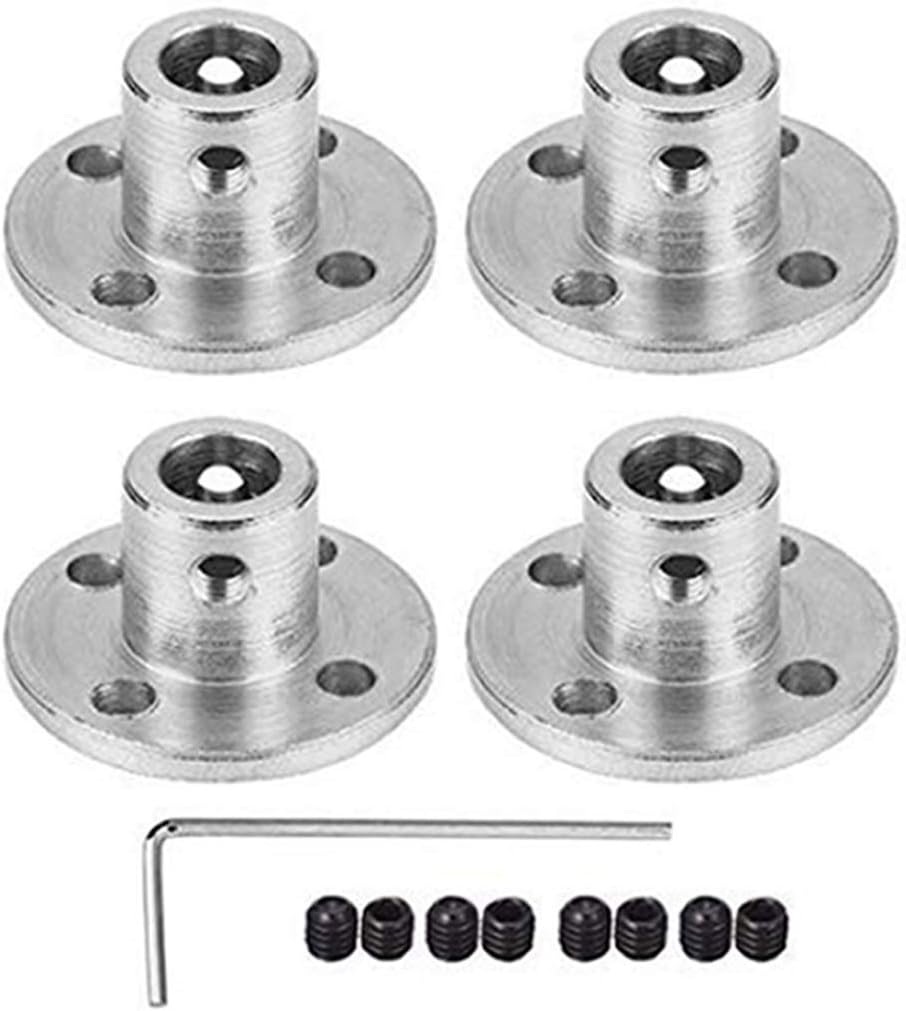

KANZNAN
KZNANZN 5/8" Bore OD 1-5/16" Shaft Collars Double Split Black Oxide Set Screw Style 4Pcs
See current price

Climax Metal Products
Climax Metal C-100-BO Shaft Collar, One Piece, Set Screw Style, Black Oxide Plating, Steel, 1" Bore, 1-1/2" OD, 5/8" Width, With 5/16-24 x 1/4 Set Screw
See current price


Jeremywell
Jeremywell 3/4" Bore Zinc Plated Shaft Collars Set Screws OD 1-1/4" Width 9/16" (4 PCS)
See current price


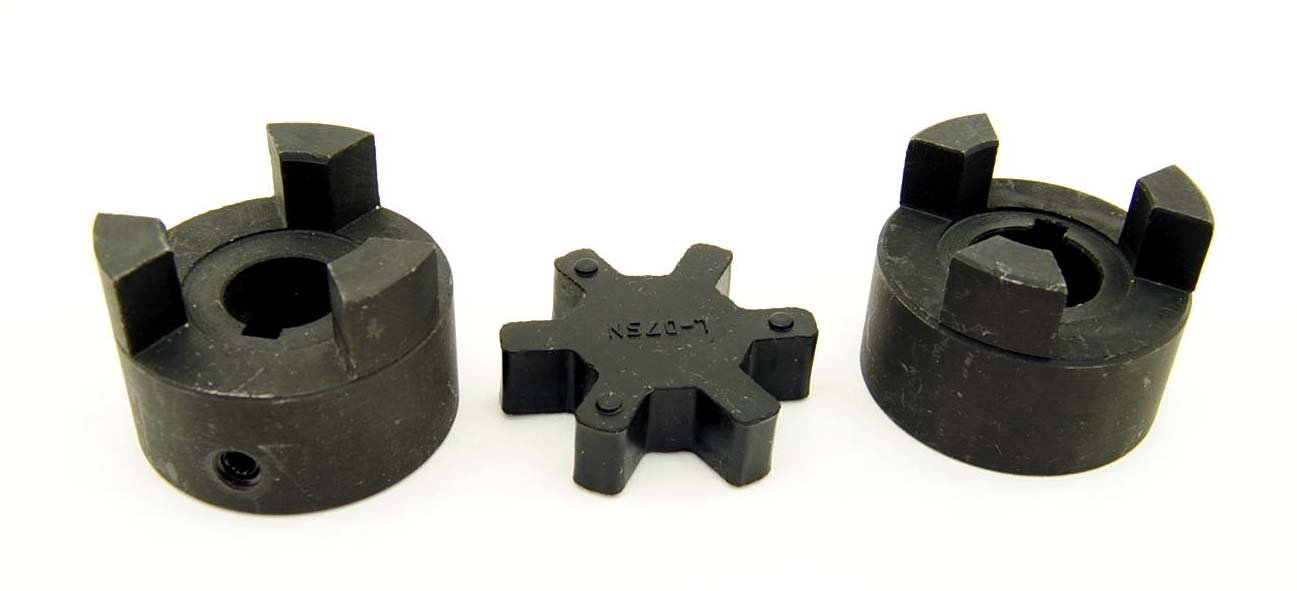
Lexar Industrial
Lexar Industrial 1/2inches to 3/4inches L075 Flexible 3-Piece L-Jaw Coupling Set & Buna-N NBR Rubber Spider
See current price


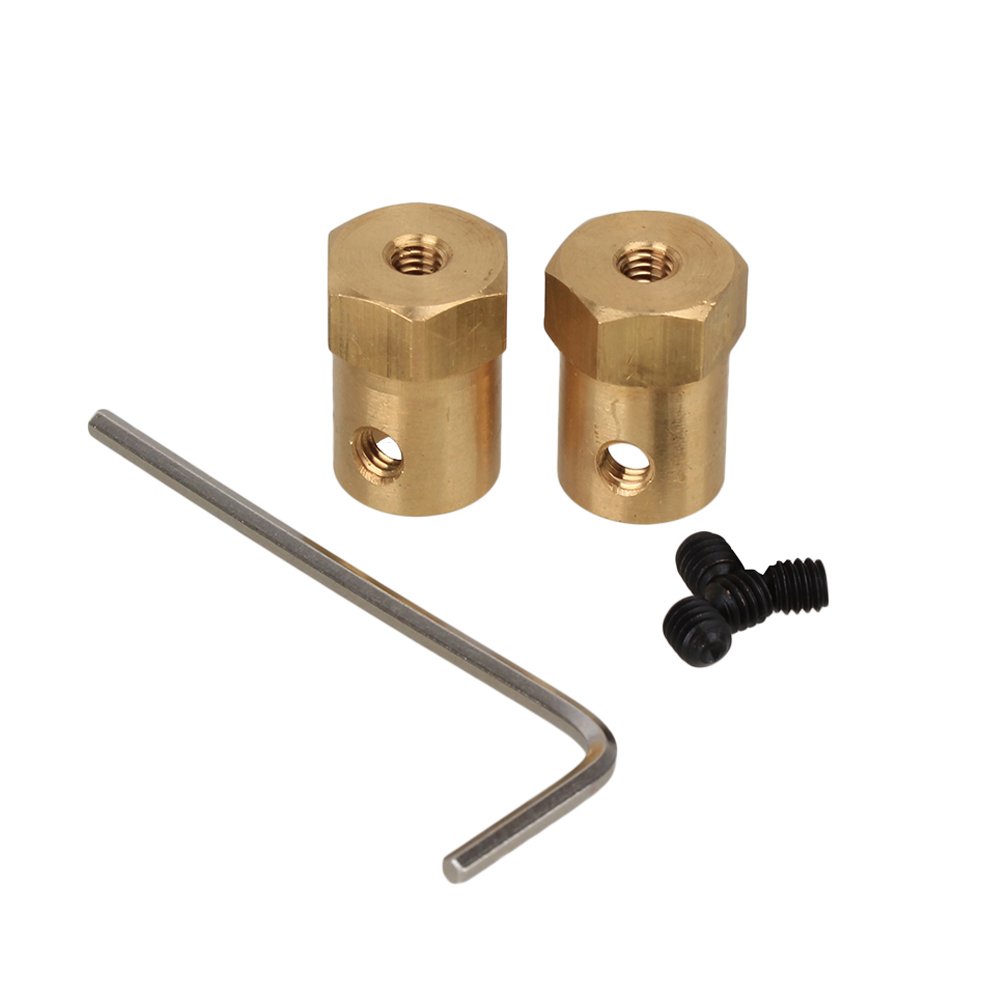
szzijia
szzijia 7mm for Car Wheels Tires Shaft Motor Flexible Coupling Coupler Connector Pack 2
See current price

Lexar Industrial
Lexar Industrial L095 Flexible NBR Rubber Spider Insert Fits L-095 Lovejoy Martin L-Jaw Coupling
See current price
Lexar Industrial
1/2" to 7/8" L075 Flexible 3-Piece L-Jaw Coupling Set & Buna-N NBR Rubber Spider
See current price

KANGNAN
KZNANZN 4Pcs Stainless Steel Shaft Collars Bore 3/8 inch Out Diameter 3/4" with Screw Fixed
See current price


Jeremywell
Jeremywell 1" Bore Zinc Plated Set Screw Shaft Collar OD 1-5/8" Width 5/8" (4 PCS)
See current price
Popular brands in Couplings, Collars & Universal Joiners
Couplings, collars, and universal joiners help connect rotating shafts, secure components in place, or accommodate alignment between parts in mechanical systems. The right component depends on the shaft geometry, required movement, transmitted torque, available space, and the conditions around the assembly.
This category is part of Power Transmission Products, alongside components used for motion, support, and force transfer. Use the catalog to compare listed specifications and features, then confirm the complete assembly requirements before purchasing.
How to choose the right component
Start by identifying what the part must do. A coupling generally joins two shafts so rotation can transfer from one to the other. A collar is commonly used to position, stop, or retain a component on a shaft. A universal joiner may be useful where shafts or connected parts need a joining solution that can accommodate the application’s geometry.
Important selection questions include:
- What shaft diameters, shapes, or profiles must the part fit?
- Is the connection permanent, adjustable, or intended for repeated removal?
- Does the assembly require flexibility to handle minor misalignment?
- What torque, axial force, speed, or vibration will the component encounter?
- Is installation space limited around the shaft or fasteners?
Do not select by nominal diameter alone. Check the complete dimensional drawing, bore details, fastening method, and clearance requirements.
Common component types
Shaft couplings
Couplings are available in designs intended for rigid connections or for some degree of flexibility. Rigid styles can suit accurately aligned shafts where minimal movement is desired. Flexible designs may help accommodate limited angular, parallel, or axial misalignment, depending on their construction. Compare the coupling’s bore configuration, outside diameter, length, torque capacity, and allowable misalignment information.
Shaft collars
Collars can act as mechanical stops, spacers, positioning devices, or retaining components. Options may differ by clamp style, set-screw arrangement, bore type, and material. A clamp-style collar can be convenient when the shaft should not be marked by a set screw, while a set-screw design may suit a simpler fixed-position installation when the shaft and application allow it.
Universal joiners
Universal joiners are selected according to the connection geometry and the movement required between joined parts. Examine the joint configuration, connection sizes, articulation or alignment requirements, and fastening details. Confirm that the joiner is intended for the direction of movement and operating conditions in the application rather than assuming that a universal design fits every shaft system.
Specifications and features to compare
Fit and dimensions: Match the bore or opening to the shaft and check tolerances where provided. Review the overall diameter, length, keyway details, thread information, and mounting-hole pattern when relevant.
Material and finish: Steel, stainless steel, aluminum, and engineered materials can differ in strength, weight, corrosion resistance, and suitability for the surrounding environment. Consider moisture, chemicals, temperature, cleanliness requirements, and contact with dissimilar metals.
Connection method: Compare clamp screws, set screws, keys, splines, threaded connections, or other retention methods. The method affects installation, serviceability, holding force, and shaft preparation.
Motion and load: For couplings and joiners, look for information about torque, speed, misalignment, backlash, and flexibility. For collars, consider axial holding requirements and whether the collar will be adjusted during setup or maintenance.
Installation space: A compact component may be useful in a crowded mechanism, but access to fasteners still matters. Check tool clearance and whether adjacent bearings, belts, chains, or guards affect installation.
Brands represented in the catalog
The catalog includes products from Climax Metals, Lexar Industrial, Jeremywell, Daoe, ANCIRS, AZSSMUK, KANZNAN, Twidec, Climax Metal Products, ExpoImaging, Inc, szzijia, and daier. Brand availability can vary by product, so compare the individual listing’s materials, dimensions, connection style, and stated operating specifications rather than relying on the brand name alone.
Related components may also be relevant to the same mechanism. Browse Bearings, Balls & Bushings for support and guided rotation, Belts and Chains for alternative power-transfer arrangements, or Linear Motion Products for guided movement systems. Shock & Vibration Control and Springs can help when the surrounding design must manage impact, movement, or stored energy.
Fit, installation, and maintenance tips
Measure the actual shaft and mating parts before ordering, especially when replacing an existing component. Clean contact surfaces, remove burrs, and verify that keys or flats align correctly. Tighten fasteners according to the product instructions and use appropriate retention practices for the application.
After installation, check for interference, excessive runout, unusual noise, and unwanted axial movement. A coupling should not be used to compensate for severe misalignment, and a collar should not be treated as a substitute for a bearing or structural support. Follow the manufacturer’s guidance for inspection, lubrication, retightening, and replacement.
Frequently asked questions
What is the difference between a coupling and a shaft collar?
A coupling joins two shafts or rotating components. A shaft collar usually secures, positions, or stops a component on one shaft rather than transmitting rotation between separate shafts.
How do I match a coupling to a shaft?
Check the shaft diameter and shape, bore or keyway details, fastening method, available space, and the required torque and speed. Also verify the coupling’s permitted misalignment.
Are universal joiners suitable for every application?
No. Their suitability depends on the joint geometry, movement, connection sizes, load, speed, and alignment requirements. Review the complete product specifications before selecting one.
Should I choose a set-screw or clamp-style collar?
A set-screw collar may suit a fixed installation where the shaft can accept the retention method. A clamp-style collar can provide adjustable positioning without relying on a screw pressed directly into the shaft; compare holding requirements and installation access.
What should be checked before final assembly?
Confirm dimensions, tolerances, material suitability, fastener compatibility, alignment, clearance, and the component’s operating limits. Inspect the assembled mechanism for binding or interference before putting it into service.