

Industrial Chains for Power Transmission
Compare industrial chains by construction, dimensions, load requirements, and operating conditions. This guide explains the main chain types and the specifications that matter before you choose.
27 products in catalog
27 results
Filters
Availability
Price

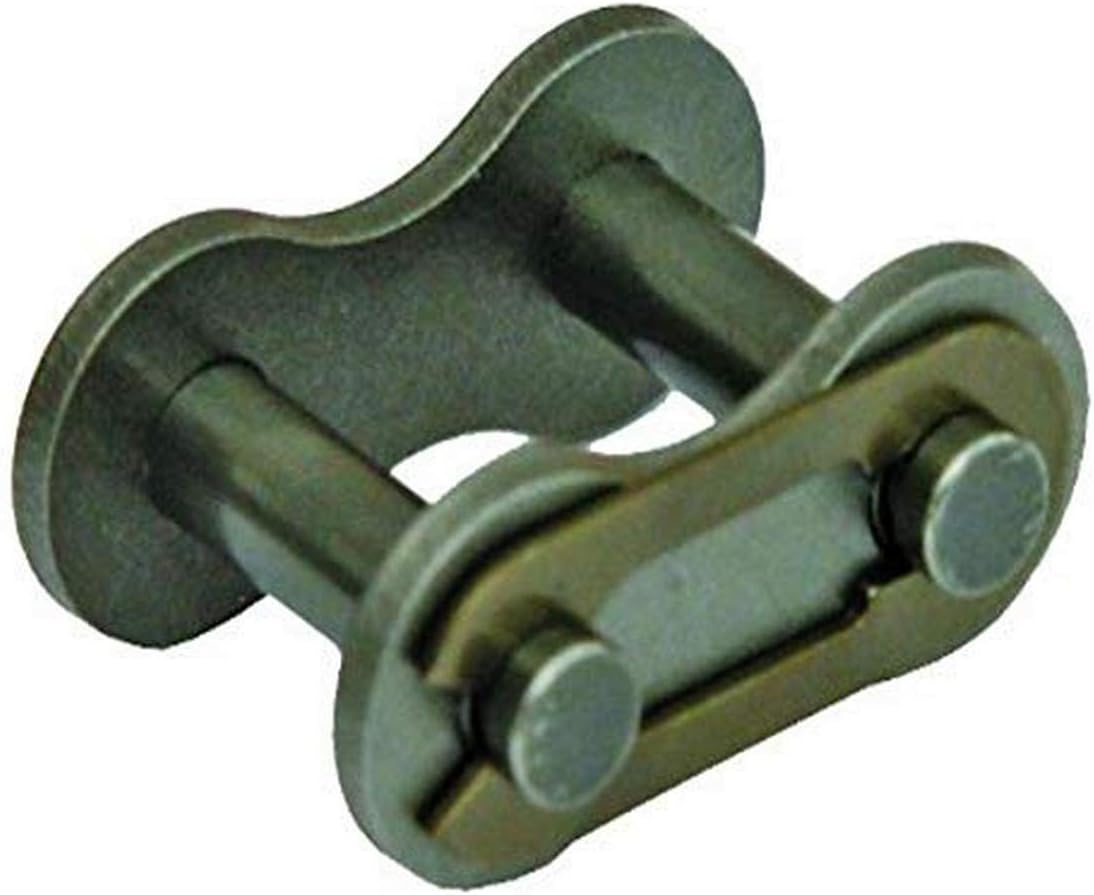


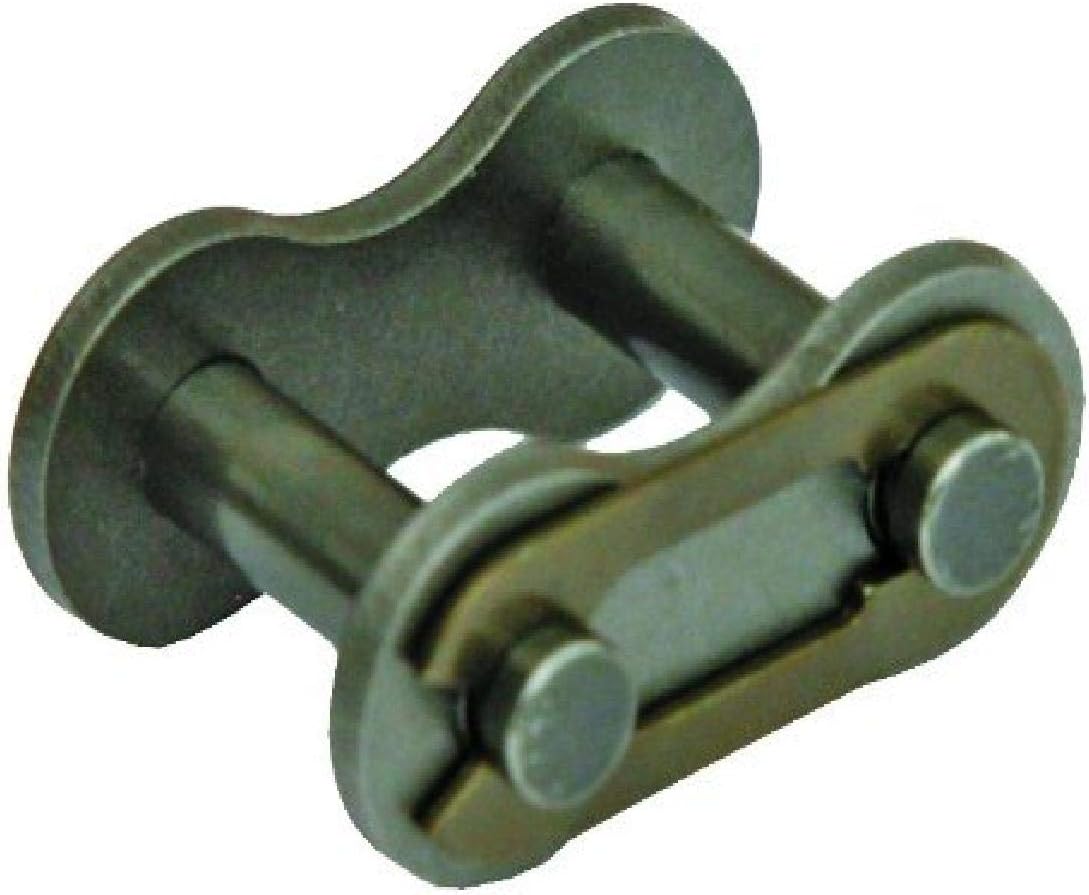

PGN Bearings
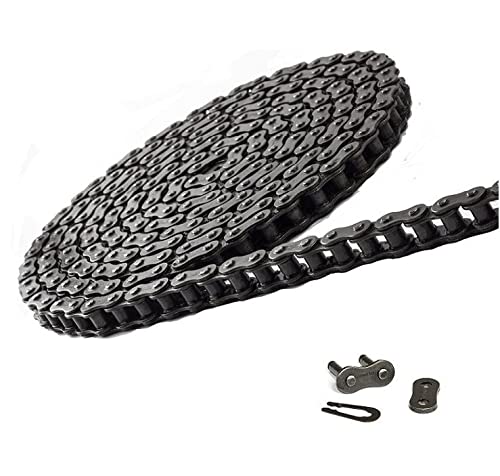
PGN #50 Roller Chain - 10 Feet + 2 Free Connecting Links - Carbon Steel Chain - 191 Links
See current price


Aiwaiufu
Aiwaiufu - #35 Roller Chain Connecting Links, Heavy Duty Manganese Steel (10 Pack)
See current price


All Balls Racing
All Balls Racing 79-5008 Sealed Chain Roller Compatible With/Replacement For Honda, Gas-Gas, KTM, Suzuki, Yamaha
See current price
Popular brands in Chains
Chains are mechanical components used to transmit motion and power, move materials, or support loads in industrial equipment. Choosing the right chain involves more than matching a general description: pitch, width, strength, sprocket compatibility, and the working environment all affect whether a chain is a suitable replacement or component for a new assembly.
K-Catalog organizes these products within Power Transmission Products so you can compare available specifications and features before checking the current listing on Amazon.
How to choose an industrial chain
Start by identifying the equipment and the chain’s job. A drive chain transfers rotary motion between sprockets, while a conveyor or attachment chain is selected for carrying, positioning, or moving material. A chain used in a clean indoor machine may have different requirements from one exposed to moisture, dust, chemicals, or frequent washdowns.
Before comparing products, gather the information from the equipment manual, the existing chain, or the sprockets:
- Chain type: Confirm whether the application uses a roller, conveyor, leaf, attachment, or another chain design.
- Dimensions: Check pitch, roller or pin dimensions, inside width, outside width, and overall length where applicable.
- Load and speed: Match the chain to the expected working load, starting load, operating speed, and duty cycle.
- Sprocket or attachment fit: A chain must engage correctly with its sprockets or connect properly to the equipment it serves.
- Environment: Account for moisture, abrasive particles, temperature, chemicals, food-contact requirements, and available lubrication.
Common chain types and applications
Roller chains are commonly used for mechanical power transmission between rotating shafts. They are usually selected by matching the chain dimensions to compatible sprockets and then confirming that the chain’s capacity suits the application.
Conveyor chains are designed for material-handling equipment. Variations may include extended pins, attachments, or other features that connect the chain to slats, carriers, fixtures, or conveying components. The required design depends on the material being moved and the conveyor layout.
Leaf chains are used in lifting and handling mechanisms where tensile load is the primary concern. Selection should focus on the chain’s construction, dimensions, and suitability for the expected load rather than relying on appearance alone.
Specialty and attachment chains may be made for a particular machine or conveying task. These can require careful comparison of pin spacing, attachment shape, mounting orientation, and replacement compatibility. If the original chain is available, measure it and compare those measurements with the product specifications.
Specifications worth comparing
Product listings may describe chains using different combinations of measurements and terminology. Read the full specification table instead of comparing only the product title.
- Pitch is the center-to-center distance between connecting pins and is one of the key dimensions for matching a chain to sprockets.
- Material and finish can influence durability, corrosion resistance, and suitability for a particular environment.
- Tensile strength and working load are not interchangeable. A chain’s ultimate strength does not automatically define a safe operating load.
- Length and configuration determine whether the chain arrives as a continuous loop, a specified length, or a configuration requiring additional connecting components.
- Connector compatibility matters when installing or repairing a chain. Verify the correct connecting link, pin, or joining method for the chain design.
- Lubrication requirements affect maintenance planning and service life, especially in dusty, wet, or high-cycle applications.
For complete drive assemblies, also compare the chain with the surrounding components. Belts may suit applications designed for flexible belt drives, while Bearings, Balls & Bushings support shafts and moving interfaces. Couplings, Collars & Universal Joiners can be relevant when connecting or positioning other rotating components.
Brands represented in the catalog
Chains in this catalog are represented by PGN Bearings, Koch Industries, Jeremywell, Aiwaiufu, All Balls Racing, and Daoe. Brand availability is useful when comparing construction details, dimensions, packaging, and stated application information, but the chain still needs to match the equipment’s technical requirements. Compare the specifications for each listing rather than choosing by brand name alone.
Installation and maintenance considerations
Inspect sprockets before installing a replacement chain. Worn or misaligned sprockets can affect engagement and accelerate wear on a new chain. Check shaft alignment, chain tension, and the condition of guides, supports, and connecting hardware as part of the installation.
Use the lubricant and maintenance approach appropriate for the chain and operating environment. Excessive slack can cause poor engagement or impact, while excessive tension can increase friction and place additional load on shafts and bearings. Keep hands, clothing, and tools clear during operation, and follow the equipment manufacturer’s safety procedures.
For systems where vibration or movement affects chain alignment, Shock & Vibration Control may be a useful related area to examine. Equipment that combines chains with guided movement may also benefit from comparing Linear Motion Products and Springs where relevant.
Frequently asked questions
How do I identify a replacement chain?
Record the chain type and measure its pitch, width, pin or roller dimensions, and length. Compare these measurements with the listing specifications and confirm sprocket compatibility before ordering.
Is a longer chain always suitable if it can be shortened?
Not necessarily. The chain still needs the correct dimensions, strength, connector compatibility, and construction for the equipment. Shortening may also require an appropriate connecting component.
What is the difference between chain strength and working load?
Strength describes how much force a chain may withstand under a specified test condition, while working load concerns the load considered appropriate during operation. Use the equipment or chain manufacturer’s guidance for safe selection.
Should sprockets be replaced with the chain?
Inspect them first. If sprocket teeth are worn, damaged, or incompatible with the replacement chain, replacing or correcting the sprocket may be necessary for proper engagement.
How should a chain be maintained?
Follow the manufacturer’s lubrication and inspection guidance. Regularly check alignment, tension, wear, corrosion, and the condition of connecting hardware, with extra attention in contaminated or high-cycle environments.