
D&D PowerDrive
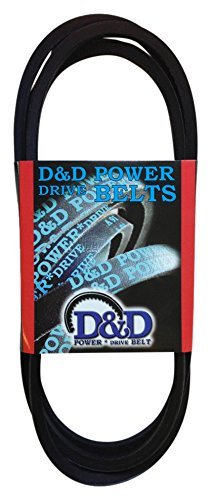
D&D PowerDrive ORB-H-1119 Kevlar MTD CUB Cadet 754-04060B or 954-04060B Replacement Belt, 1/2" x 96", 4LK Section, Rubber
See current price

Compare industrial belts for power transmission by belt type, dimensions, material, drive design, and operating requirements before checking current product details.
59 products in catalog
59 results
D&D PowerDrive
See current price

D&D PowerDrive
See current price

D&D PowerDrive
See current price
D&D PowerDrive
See current price

D&D PowerDrive
See current price


D&D PowerDrive
See current price


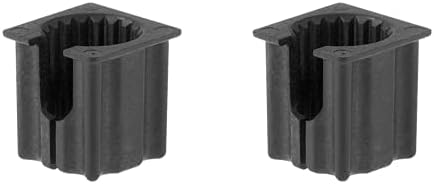

D&D PowerDrive
See current price


D&D PowerDrive
See current price


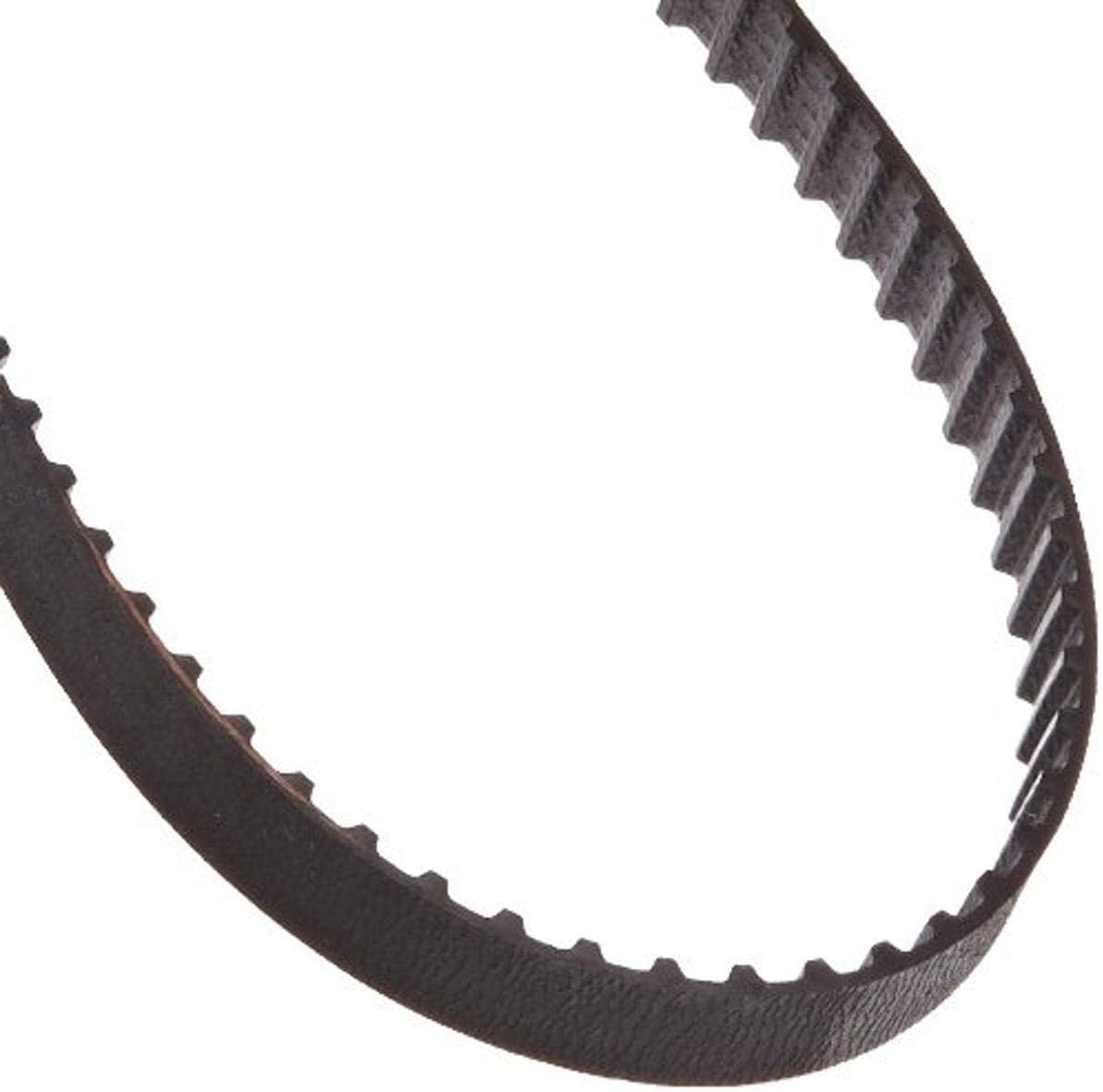
D&D PowerDrive
See current price
D&D PowerDrive
See current price
Belts transfer motion and power between shafts, pulleys, and other machine components. The right choice depends on the drive design, available space, load, speed, alignment, and the environment where the belt will operate.
This K-Catalog category is part of Power Transmission Products. Use the available product specifications to narrow options and compare compatible dimensions and features before visiting Amazon for current product information.
Start by identifying the belt already specified for the equipment or drive. A replacement belt usually needs to match more than its general appearance. Check the belt profile, pitch or cross-section, length, width, and construction details against the equipment documentation or the original part.
Important selection factors include:
If the application is being designed from scratch, belt and pulley selection should be treated as one system rather than choosing a belt independently.
Industrial belts differ in how they grip, track, and transmit force. The most suitable type depends on the drive layout and whether the application requires slip, precise synchronization, compact routing, or flexible positioning.
The catalog does not divide this category into listed subcategories, so comparing individual product specifications is especially important when sorting between belt designs.
A belt can look similar to another belt and still be incompatible. For replacements, compare the original belt markings with the listing’s technical information whenever possible. For timing belts, check tooth spacing and tooth profile as well as overall length. For V-belts, match the cross-section and length to the pulley system.
Also review the belt’s construction. Reinforcement may affect tensile strength and flexibility, while the outer material can influence resistance to abrasion, heat, oil, or moisture. If a listing gives temperature or chemical-resistance information, compare it with the actual working conditions rather than selecting only by size.
Check whether the product is sold as an individual belt or as part of a matched set if the drive uses multiple belts. Matching can help maintain balanced tension across the drive. The equipment manufacturer’s installation and tensioning guidance should take priority over general rules.
Brands represented in this Belts catalog include D&D PowerDrive, Bandai Namco Entertainment, Gates, bestorq, iOrion, Hilitand, Poweka, MOTOU, Earthtec, Kohler, Grizzly, and KeeYees. Brand presence is useful for browsing, but compatibility should be determined from the belt’s dimensions, construction, and application specifications rather than the brand name alone.
Related mechanical components may also be relevant when evaluating a complete drive. Compare Bearings, Balls & Bushings for support components, Couplings, Collars & Universal Joiners for shaft connections, and Chains when a chain drive is a better fit than a belt drive.
Before replacing a belt, shut down and isolate the equipment according to the manufacturer’s safety procedure. Inspect pulley or sprocket alignment, grooves, flanges, and shafts before installing the new belt. A damaged or contaminated pulley can shorten the life of a correctly sized replacement.
Avoid forcing a belt over a pulley with tools, which can damage internal reinforcement. Set tension according to the equipment instructions, then check for unusual vibration, noise, slippage, tracking problems, or overheating during operation. Keep the belt free of unauthorized lubricants and chemicals unless the manufacturer specifically permits them.
For systems involving motion guides, vibration management, or elastic components, related categories such as Linear Motion Products, Shock & Vibration Control, and Springs may help with broader component research.
Match the belt type, profile, length, width, pitch or tooth pattern, and construction with the original belt and equipment documentation. Confirm pulley or sprocket compatibility before ordering.
No. Belts with the same length can have different profiles, widths, tooth patterns, materials, or reinforcement. Every relevant specification must match the drive.
A V-belt relies on friction in a grooved pulley and may allow some slip. A timing belt uses teeth that engage with a matching sprocket to maintain synchronized movement.
If a drive uses multiple belts, check the equipment guidance. Some systems require matched belts so load and tension are distributed consistently.
Verify alignment and tension, then monitor for slipping, unusual noise, vibration, heat, or tracking issues. Stop the equipment if problems appear and inspect the belt and drive components.