
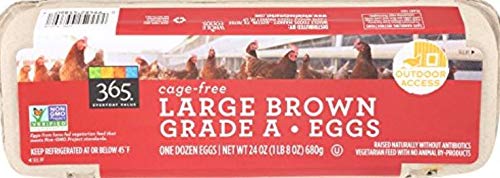
Eggs & Egg Substitutes
Compare eggs and egg substitutes by format, ingredients, dietary needs, storage, and intended use. This category makes it easier to evaluate options before checking current availability on Amazon.
161 products in catalog
161 results
Filters
Availability
Brand
Price
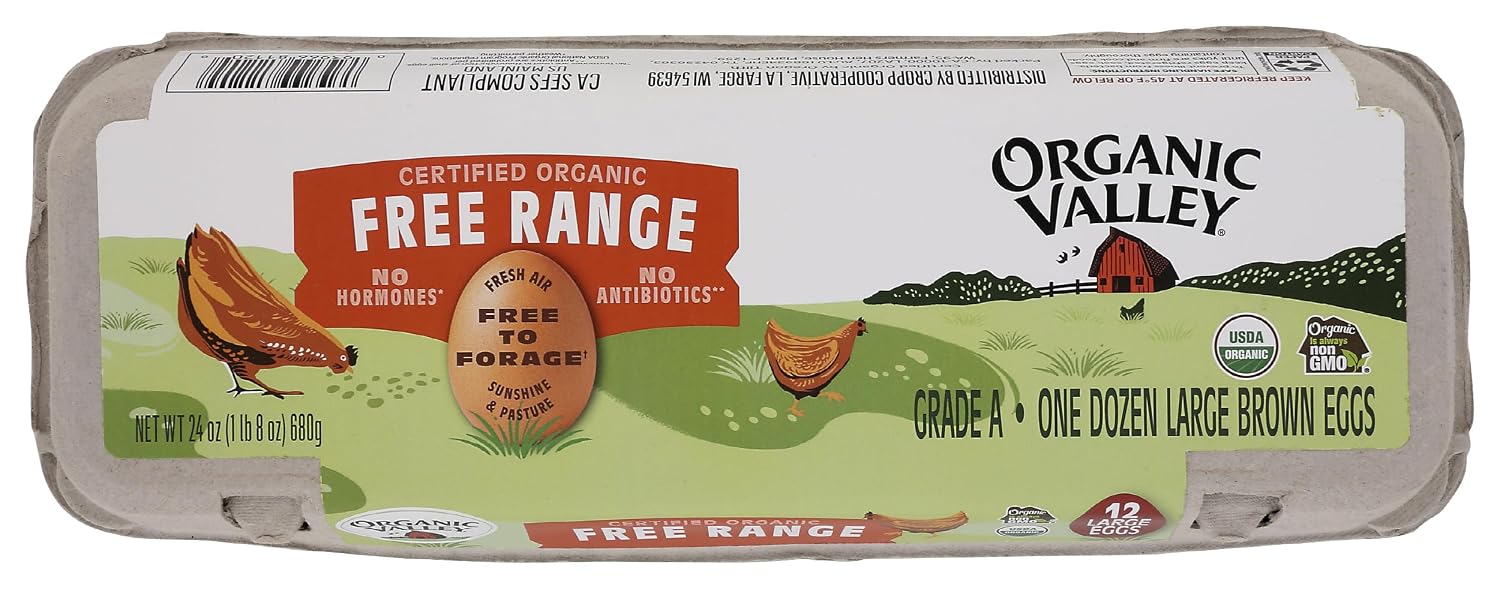

Happy Belly
Amazon Brand - Happy Belly Cage-Free, Large, White Eggs, 1 Dozen (Packaging May Vary)
See current price

Hidden Villa Ranch
Amazon Brand - Happy Belly Cage Free Large White Eggs, Grade A, 18 Count (Packaging May Vary)
See current price
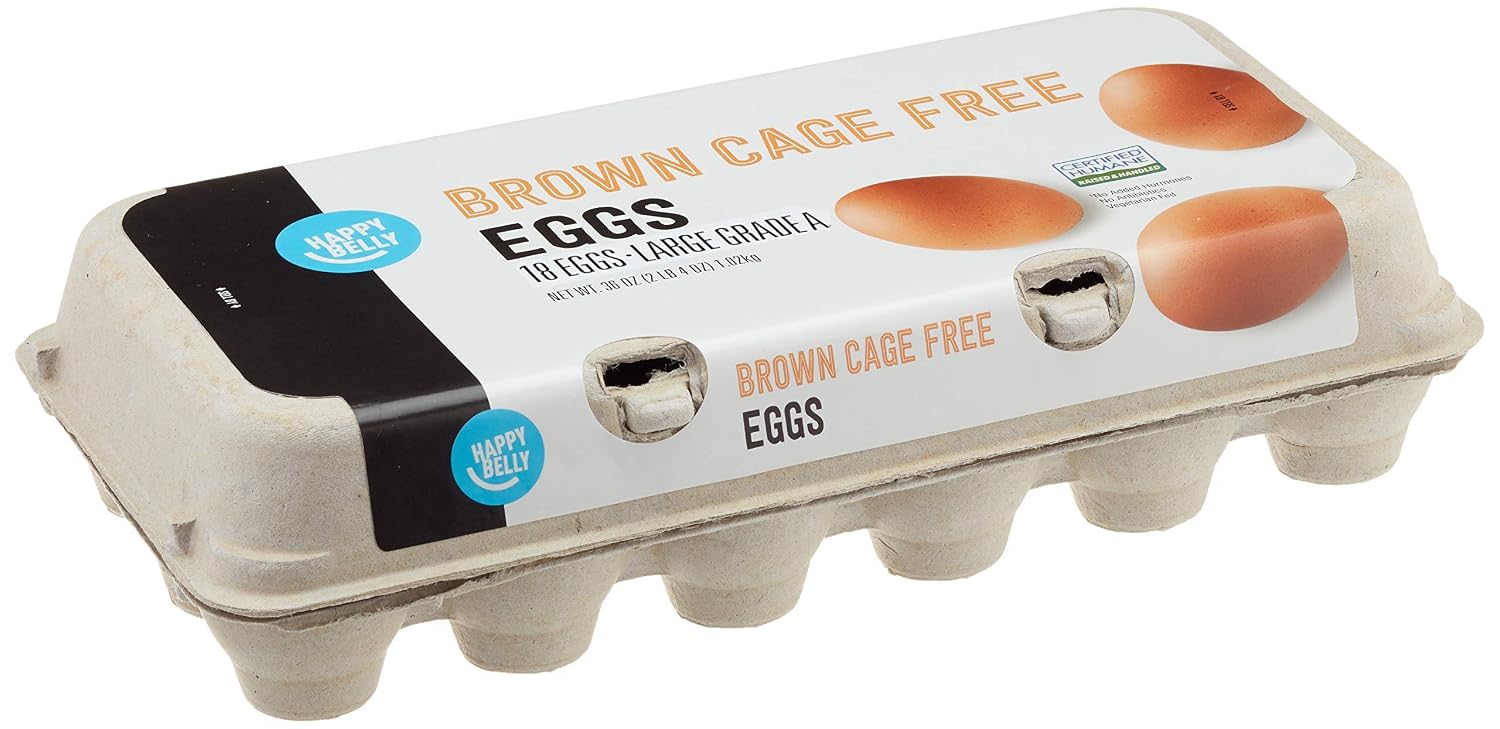
Hidden Villa Ranch
Amazon Brand - Happy Belly Cage Free Brown Eggs, Grade A, 18 Count (Packaging May Vary)
See current price


Wilcox Farms
Amazon Brand - Happy Belly Cage Free Large White Eggs, Grade AA, 18 Count (Packaging May Vary)
See current price


365 By Whole Foods Market
365 by Whole Foods Market, Eggs Brown Medium Grade A, 18 Count
See current price

Pete and Gerry's Organic Eggs
Pete & Gerry's , Organic Cage-Free Omega-3 Large Grade A Brown, 1 dozen, egg, 12 Count
See current price
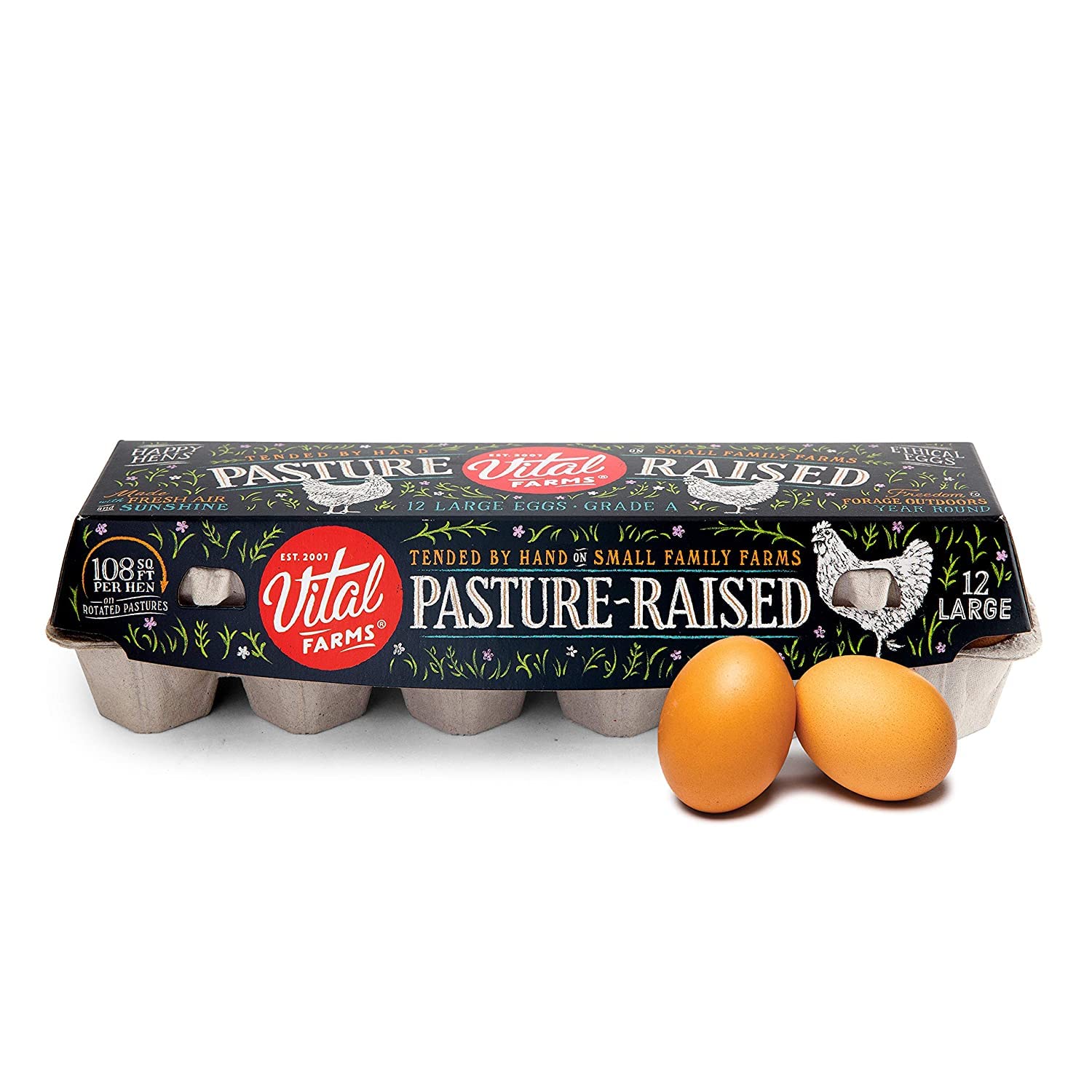


Vital Farms
Vital Farms 18 Pasture-Raised Eggs, Large, Brown, Grade A, Certified Humane, 1.5 Dozen
See current price


Wilcox Farms
Amazon Brand - Happy Belly Cage Free Large Brown Eggs, Grade AA, 18 Count (Packaging May Vary)
See current price

365 By Whole Foods Market
365 by Whole Foods Market, Eggs Brown Large Grade A, 12 Count
See current price

365 By Whole Foods Market
365 by Whole Foods Market, Eggs Brown Large Grade A, 12 Count
See current price


365 By Whole Foods Market
365 by Whole Foods Market, Eggs Brown Large Grade A, 12 Count
See current price

365 By Whole Foods Market
365 by Whole Foods Market, Eggs Brown Extra Large Grade A, 12 Count
See current price

365 By Whole Foods Market
365 by Whole Foods Market, Eggs White Large Grade A, 12 Count
See current price

Vital Farms
Vital Farms 18 Pasture-Raised Eggs, Medium, Brown, Grade A, Certified Humane, 1.5 Dozen
See current price
Popular brands in Eggs & Egg Substitutes
Eggs and egg substitutes serve different purposes, from everyday breakfasts and baking to recipes that need binding, moisture, or structure. The right choice depends on how you cook, which ingredients you want to avoid, and whether convenience or a particular nutritional profile matters most.
K-Catalog helps shoppers compare listed product specifications and features in the Eggs & Egg Substitutes category. Read the package details carefully, since ingredients, preparation instructions, storage requirements, and serving information can vary between products.
How to choose eggs or an egg substitute
Start with the recipe or meal you have in mind. Whole eggs are versatile for frying, scrambling, poaching, baking, and adding richness to sauces. Liquid or powdered substitutes may be more convenient for specific cooking routines, while plant-based alternatives can suit shoppers avoiding animal-derived ingredients.
Consider these questions before choosing:
- What is the intended use? A product designed for scrambling may not perform the same way in cakes, custards, or breading.
- Which ingredients fit your diet? Check for egg, dairy, soy, wheat, or other ingredients that may not suit your preferences or needs.
- How much preparation is involved? Ready-to-use liquid products can save measuring and cracking, while powdered formats may be useful for longer-term pantry storage.
- What package size works best? Choose a size that matches your household and how frequently you use the product.
If dietary restrictions are important, read the full ingredient list and allergen statement rather than relying only on front-label wording.
Types to compare
The catalog may include several formats, and each has a different role in the kitchen.
Shell eggs
Shell eggs are a familiar choice for breakfasts, baking, and general cooking. Compare details such as size, grade, farming or production claims, organic labeling where applicable, and the package information for storage and handling. Labels such as free-range or pasture-related claims can have specific meanings, so review the product description and packaging details closely.
Liquid egg products
Liquid eggs and liquid substitutes are convenient when a recipe calls for a measured amount or when avoiding shell waste is useful. Compare whether the product is made from whole eggs, egg whites, yolks, or a formulated substitute. Also check whether it is intended for scrambling, baking, or general recipe use.
Powdered egg products
Powdered eggs and egg replacements can be useful for pantry storage, travel, or recipes that call for a dry ingredient. Reconstitution instructions are especially important: look for the required liquid, mixing method, and any guidance about how the prepared product should be stored.
Plant-based egg alternatives
Plant-based products are formulated to imitate some functions of eggs, such as scrambling, binding, or adding moisture. Their ingredient bases and cooking behavior can differ considerably. Compare the recommended uses, preparation directions, allergen information, and whether the product is intended for sweet or savory recipes.
Features and specifications to compare
Product details matter more than the front label alone. Check the following specifications when comparing options:
- Ingredient list: Identify the primary ingredients, thickeners, oils, seasonings, or other additions.
- Nutrition information: Compare serving size and the nutrients most relevant to your needs, such as protein, fat, sodium, or cholesterol.
- Preparation directions: Note whether a product can be cooked directly, needs mixing, or requires refrigeration after opening.
- Cooking performance: Look for stated uses such as baking, scrambling, coating, binding, or use in sauces.
- Storage instructions: Confirm whether the item is shelf-stable before opening and how it should be stored afterward.
- Certifications and claims: Organic, vegetarian, vegan, or other claims should be verified against the product details and your requirements.
For baking, pay particular attention to whether the product is intended to replace eggs by volume, by weight, or according to a provided recipe. Substitution directions are not always interchangeable.
Brands represented in the catalog
Brands represented in this category include 365 By Whole Foods Market, 365, Vital Farms, Organic Valley, Egglands Best, Judy's, Wilcox, Wilcox Farms, Follow Your Heart, Latta Egg Ranch, and Hidden Villa Ranch. The catalog also includes listings associated with Amazon.com Services LLC. Brand availability and product selection can change, so compare the specifications of the individual listing rather than choosing by brand name alone.
Shoppers exploring the wider category can also browse Dairy, Eggs & Plant-Based Alternatives. Related pantry and refrigerated options include Cheese, Dairy & Plant-Based Yogurt, Milk & Cream, and Plant-Based Milk. For cooking and beverage ingredients, consider Butter, Margarine & Plant-Based Alternatives and Plant-Based Coffee Creamers.
Storage and handling tips
Follow the package instructions for refrigeration, use-by guidance, and handling. Keep refrigerated products cold, close containers securely after opening, and use clean utensils when portioning. For powdered products, protect the package from moisture and reseal it promptly. When comparing shell eggs, inspect the package for handling information and store them according to the product directions.
Frequently asked questions
Are egg substitutes the same as egg replacements?
The terms can overlap, but products vary. Some substitutes are made from eggs with selected components removed, while others are plant-based or formulated from multiple ingredients. Check the ingredient list and recommended uses.
Can an egg substitute be used for baking?
Some can, but not all. Look for baking guidance on the package and follow the stated conversion or preparation instructions for the recipe.
Are liquid egg products ready to cook?
Many are designed for direct cooking, but preparation requirements differ. Review the product directions to determine whether mixing or another step is needed.
How should powdered egg products be prepared?
Use the package’s stated liquid-to-powder ratio and mixing instructions. Storage guidance may change once the product has been reconstituted.
What should shoppers check for allergy concerns?
Review the complete ingredients and allergen statement, including any cross-contact information provided on the package. When in doubt, consult the manufacturer’s labeling or a qualified professional.