

Carts & Stands for Flexible Workspaces
Explore carts and stands for organizing, moving, displaying, or supporting equipment in offices, classrooms, studios, and other shared spaces.
719 products in catalog
719 results
Filters
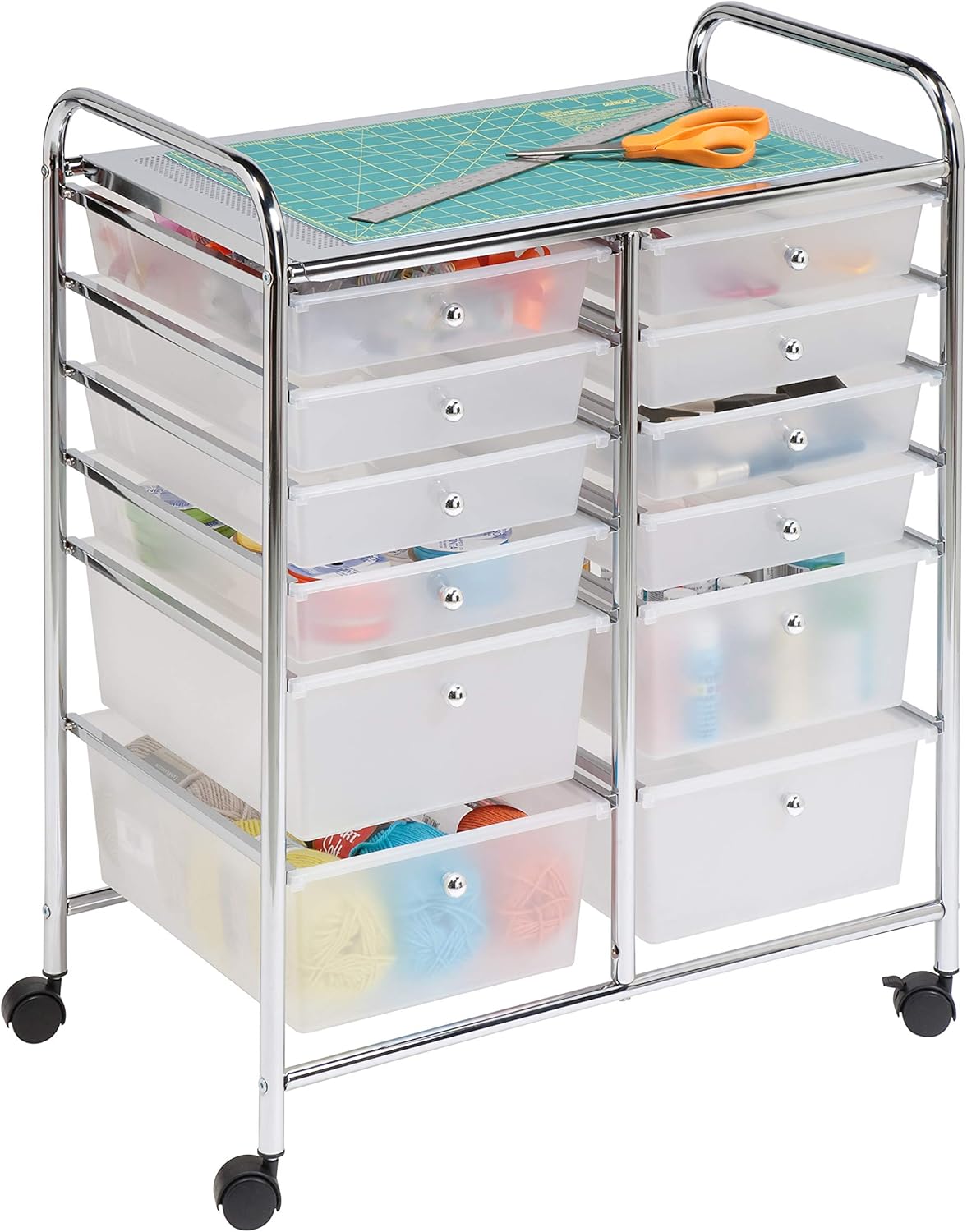
Honey-Can-Do
Honey-Can-Do Rolling Storage Cart and Organizer with 12 Plastic Drawers
See current price




Simple Houseware
SimpleHouseware 4-Tier Multifunctional Rolling Utility Cart with Basket Dividers and Hanging Buckets, Red
See current price


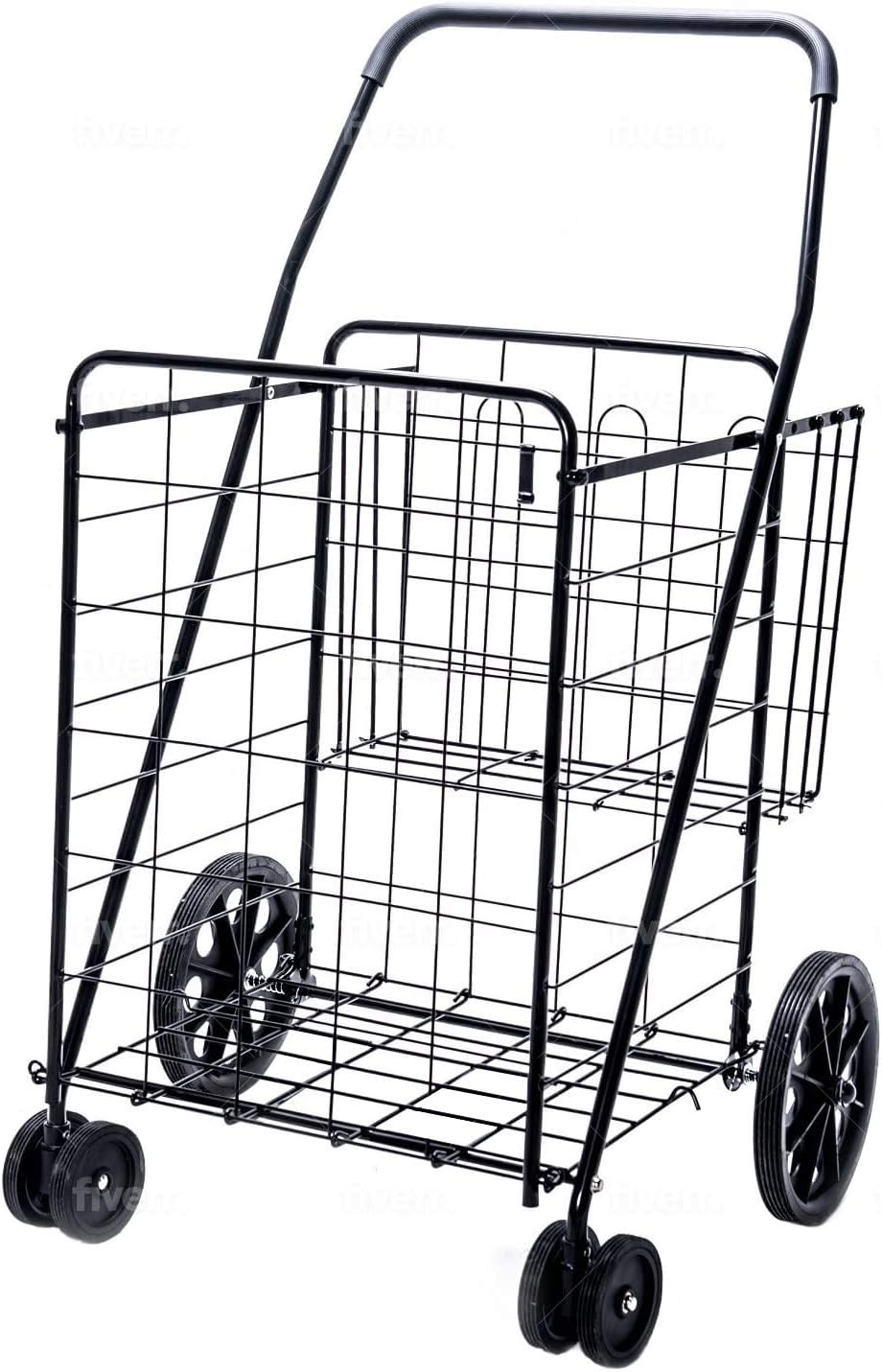

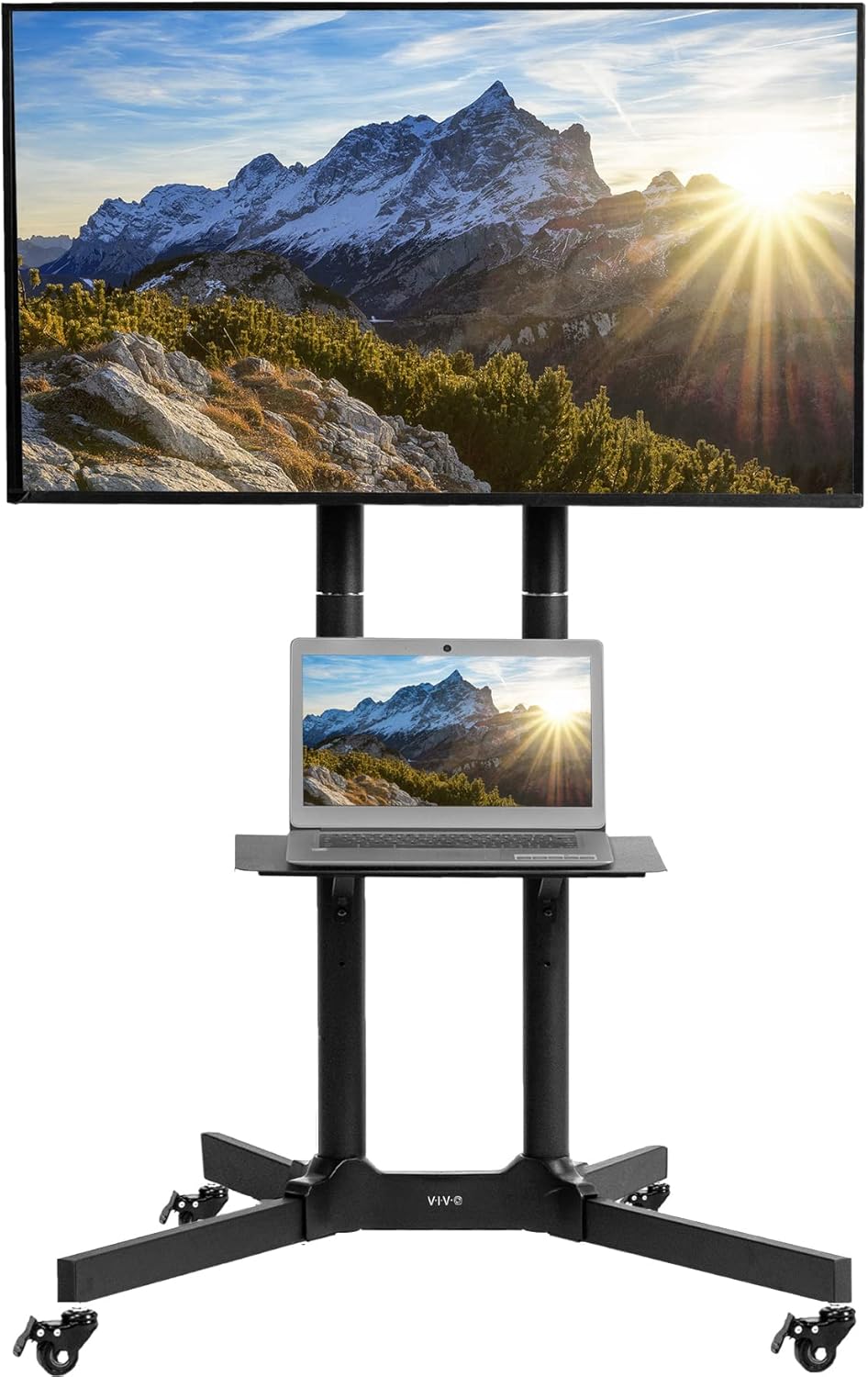


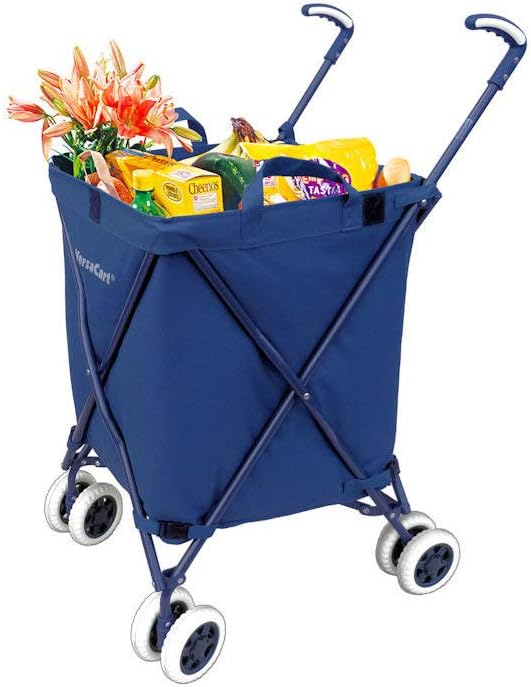
Popular brands in Carts & Stands
Carts and stands can add useful flexibility to an office without committing to a fixed layout. Depending on the design, a cart may hold supplies or equipment while moving between rooms, while a stand may provide a dedicated surface, elevated platform, or more ergonomic working position.
The right choice depends on what the unit needs to support, how often it will move, and how much space is available. Compare the specifications and features listed for each product to narrow the catalog to options that fit your workflow.
How to choose a cart or stand
Start by identifying the main job. A utility cart may suit shared supplies, craft materials, or equipment that needs to travel between work areas. A presentation or equipment stand may be more appropriate when the item will stay in one location. Some products are designed around storage, while others prioritize an accessible working surface.
Consider these practical questions:
- What will it hold? Check the listed load capacity, shelf dimensions, and overall construction against the weight and footprint of the items you plan to place on it.
- Will it need to move? Wheels or casters can help with repositioning, but a stationary stand may provide greater stability for a fixed setup.
- Where will it go? Measure doorways, aisles, desk clearances, and storage areas before choosing a wider or taller design.
- Who will use it? Shared equipment benefits from intuitive access, while personal workstations may call for adjustability or a more compact footprint.
Common uses and configurations
Carts and stands cover several office and educational needs, even without separate subcategories on this page. Multi-shelf carts can help separate supplies by task, department, or project. Rolling designs are useful when materials need to move between rooms, but wheel locks or a stable base are important when the cart is being loaded or used in place.
Display and equipment stands can keep screens, devices, tools, or presentation materials at a more usable height. A narrow stand may work well beside a desk or in a tight workspace, while a broader unit can provide more surface area for larger equipment. Look closely at product dimensions, shelf arrangement, and adjustment options rather than judging suitability by appearance alone.
For a complete office layout, browse Desks & Workstations and Tables alongside carts and stands. These categories can help you compare mobile support pieces with the main surfaces used for daily work.
Features and specifications to compare
Construction materials affect weight, durability, appearance, and maintenance. Metal frames may suit equipment or frequent movement, while wood-based or plastic components can offer a different balance of weight and visual style. Product details should clarify the materials used for the frame, shelves, worktop, and hardware.
Pay attention to:
- Overall height, width, and depth
- Shelf spacing and usable surface dimensions
- Stated weight capacity for shelves or the complete unit
- Wheel or caster type and whether movement can be locked
- Fixed versus adjustable shelves, poles, or work surfaces
- Assembly requirements and included hardware
- Edges, handles, cable openings, or other access features
If the cart will carry delicate or unstable items, shelf lips, raised edges, and a low center of gravity may matter. For electronics, check whether the layout leaves enough room for cables and ventilation. For frequent repositioning, a handle and smooth-rolling casters may make the unit easier to control.
Brands represented in the catalog
The Carts & Stands catalog includes products from Honey-Can-Do, Amazon Basics, ECR4Kids, Whitmor, VIVO, Giantex, VARMHUS, Yaheetech, Melody House, Seville Classics, Helping Hand, and TOOLF. These brands are represented across the catalog, so compare individual product specifications rather than assuming that every item from a given brand has the same construction, capacity, or intended use.
If your project involves organizing rather than moving equipment, Cabinets, Racks & Shelves may offer a better match. Furniture Accessories can also be useful when the main requirement is improving an existing workspace.
Placement, assembly, and everyday use
Before assembly, confirm that the available floor area matches the product’s listed dimensions and that the route to its intended location is clear. Assemble the unit on a suitable surface and follow the included instructions, especially when shelves, casters, or adjustable components are involved.
Distribute heavy items across the lowest practical shelf and stay within the stated capacity. Lock wheels before loading, unloading, or using a cart as a stationary surface. Avoid placing a tall, heavily loaded cart where it could obstruct exits, narrow walkways, or shared access points. For seating or lounge-related layouts, compare Chairs & Sofas to make sure the cart or stand works with the surrounding furniture.
Frequently asked questions
What is the difference between a cart and a stand?
A cart is generally intended to support items while allowing them to be moved, often with wheels. A stand usually provides a fixed or repositionable platform, though some stands may also include casters.
How do I choose the right size?
Measure the available area and the items the unit will hold. Compare those measurements with the listed overall dimensions, shelf sizes, and clearance requirements.
Are rolling carts suitable for heavy equipment?
They may be, but suitability depends on the stated capacity, frame construction, shelf design, and caster specifications. Keep the load within the listed limits and secure items that could shift during movement.
Should I choose adjustable shelves or a fixed layout?
Adjustable shelves can accommodate items of different heights and change with your workflow. A fixed layout may be simpler when the cart or stand will hold similarly sized items.
What should I check before buying for a shared workspace?
Check mobility, wheel locks, capacity, accessible storage, dimensions, assembly needs, and whether the unit can be safely positioned without blocking walkways. Review the current product specifications before selecting an option.