

Chairs & Sofas for Offices and Workspaces
Compare office chairs and sofas by design, support, dimensions, materials, and practical features. Use the available specifications to find seating that fits your workspace and daily routines.
488 products in catalog
488 results
Filters


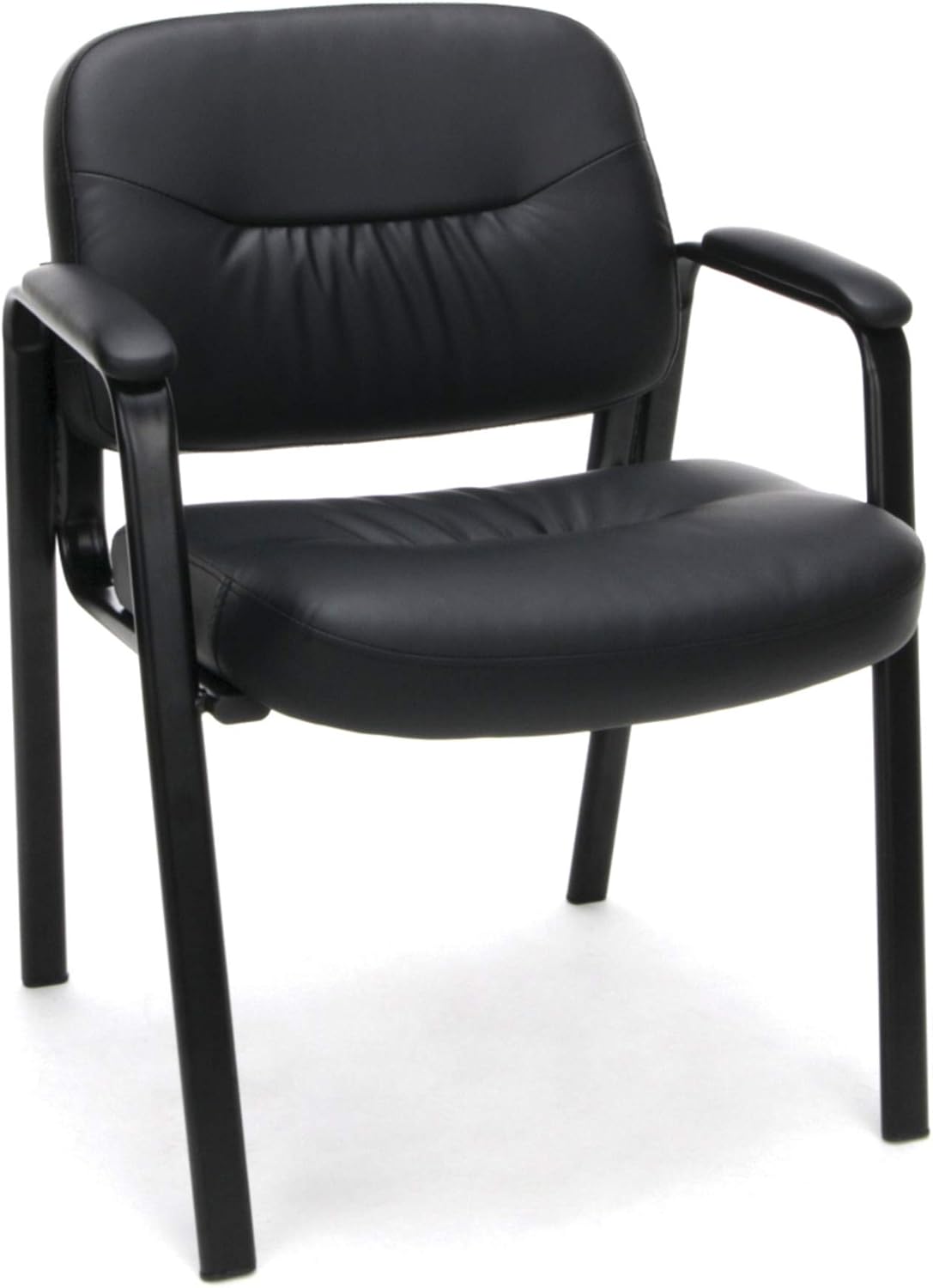
Amazon Basics
Amazon Basics Classic Faux Leather Office Desk Guest Chair with Metal Frame, Black, 27.4D x 23.6W x 35.8H in
See current price
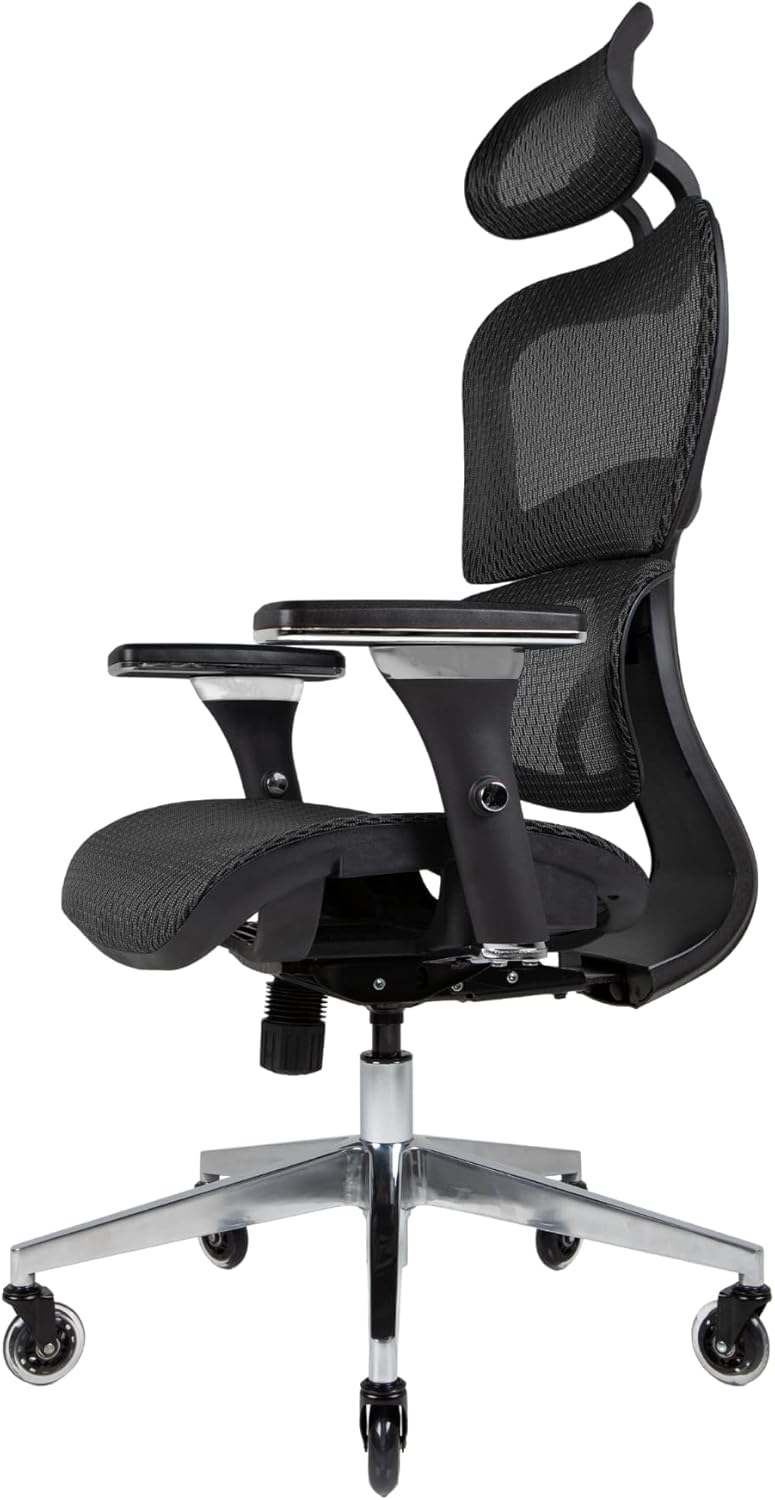


Flash Furniture
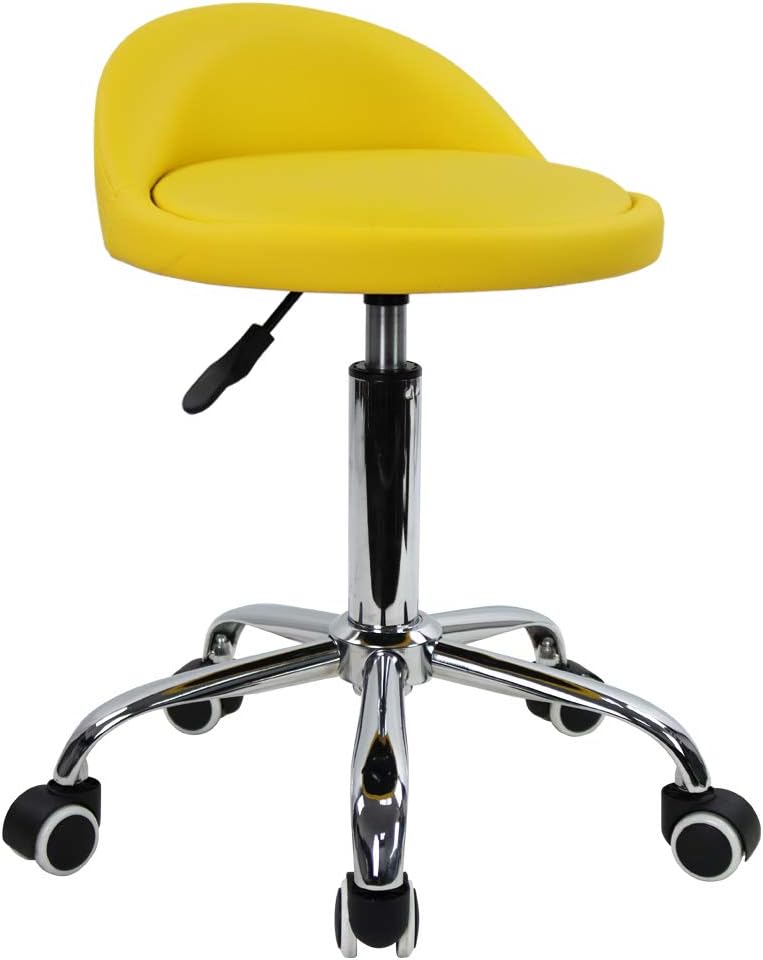
Flash Furniture Bradley Vibrant Orange and Chrome Drafting Stool with Tractor Seat
See current price


Cramer, LLC
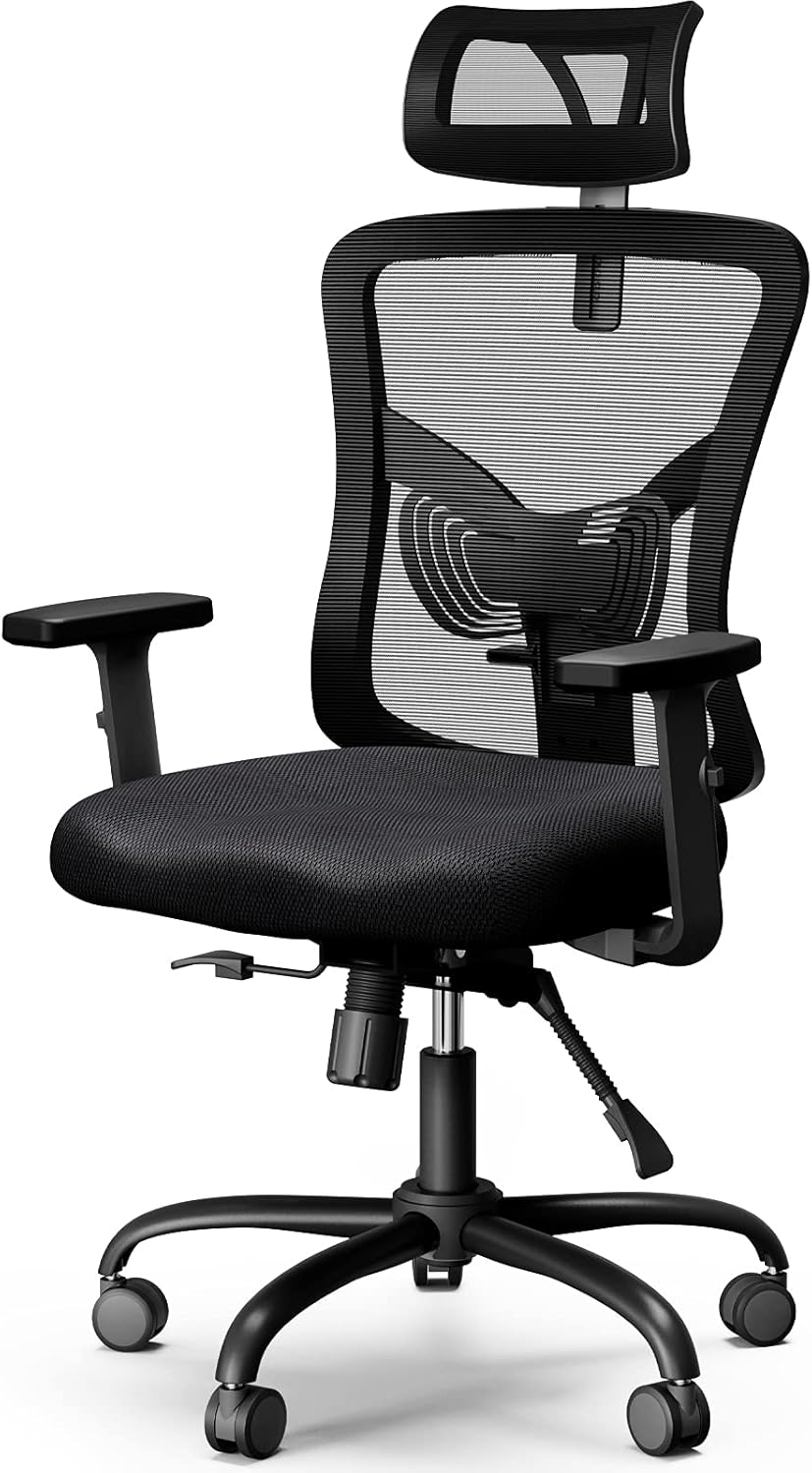
Kik-Step Steel Step Stool, 2-Step, 350 lb Capacity, 16" Dia. x 14.25h, Silvertone
See current price
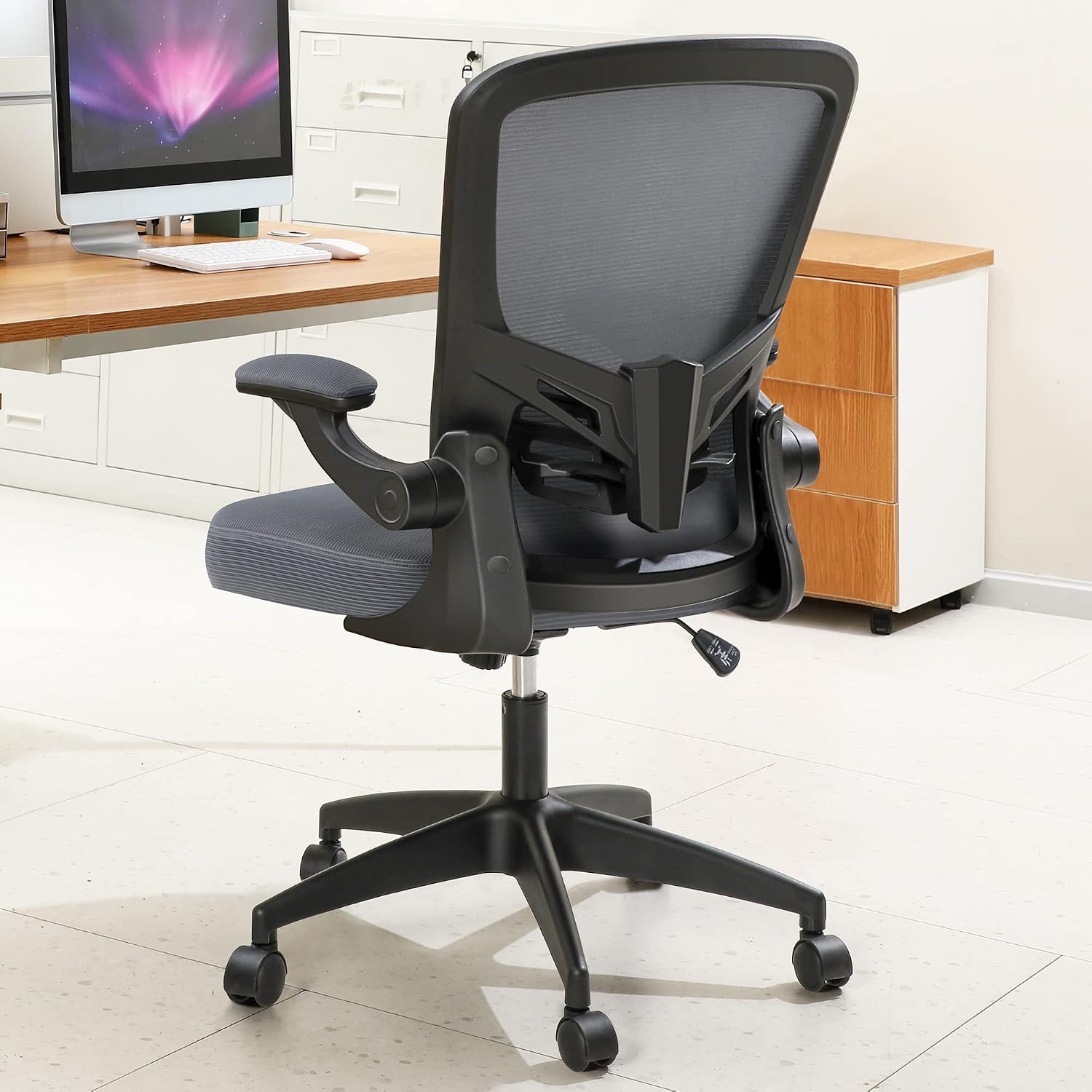
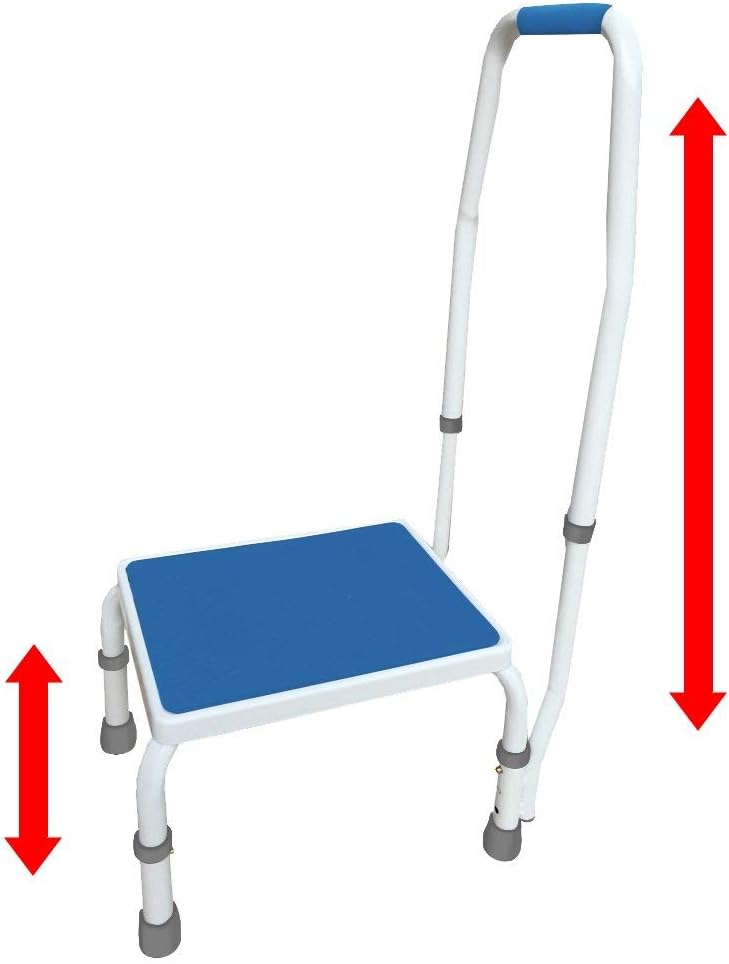


Office Star
Office Star DC Series Adjustable Drafting Chair with Foot Ring and Sculptured Foam Seat, Black Vinyl
See current price

AmazonCommercial
AmazonCommercial Ergonomic High-Back Bonded Leather Executive Chair with Flip-Up Arms and Lumbar Support, Cream
See current price

CoscoProducts
Cosco Two Step Steel, Resin Steps, Step Stool without Handle, Platinum/Black
See current price
Popular brands in Chairs & Sofas
Office seating affects comfort, posture, movement, and the way a room functions. The right choice depends on whether the seat is used at a desk, in a meeting area, at reception, or in a shared lounge.
This Chairs & Sofas catalog helps shoppers compare product specifications and features before visiting Amazon to check current availability and make a purchase decision.
How to choose office seating
Start with the setting and the people who will use the furniture. A chair for focused desk work has different priorities from a sofa intended for visitors or informal conversations. Consider the following before comparing individual products:
- Purpose: Decide whether the seating is for computer work, meetings, reception, waiting areas, or occasional use.
- Available space: Check the overall width, depth, and height, including room for movement around the furniture.
- Expected use: Frequent daily use may call for adjustable features and durable upholstery, while occasional seating may prioritize appearance and easy placement.
- Visual style: Coordinate the chair or sofa with the desk, tables, storage, and surrounding décor.
- User needs: Consider seat height, available support, armrest design, and whether different users will need adjustable settings.
For a complete workspace, compare seating alongside Desks & Workstations and other office furniture categories.
Types of chairs and sofas to compare
Office chairs are generally suited to individual workstations, conference areas, home offices, and shared workspaces. Depending on the design, useful distinctions may include task chairs, executive-style chairs, visitor chairs, conference seating, and armless chairs. Task-oriented models may emphasize mobility and adjustability, while visitor and conference chairs often focus on a clean appearance and straightforward placement.
Office sofas and lounge seating are useful in reception spaces, waiting areas, break rooms, and collaborative zones. Compare the seating capacity, overall footprint, cushion construction, upholstery, and ease of cleaning. A compact sofa can support a small waiting area, while larger designs may work better where people gather for informal meetings.
When planning a coordinated room, Tables can help complete meeting or lounge arrangements. Storage and display needs may also make Cabinets, Racks & Shelves relevant to the same space.
Key features and specifications
Product specifications are especially useful when images do not show the full scale or construction. Pay close attention to:
- Dimensions: Compare seat height, seat width, seat depth, back height, and the full footprint against the intended space.
- Adjustability: For desk chairs, check which elements can be adjusted, such as seat height, tilt, recline, or armrests.
- Base and movement: Casters, a swivel base, or fixed legs can change how easily a chair moves and where it works best.
- Materials: Review the upholstery, frame, padding, and base materials. Fabric, faux leather, mesh, and other surfaces differ in appearance and maintenance needs.
- Weight capacity: Check the listed capacity and compare it with the requirements of the intended users.
- Assembly: Look for the stated assembly requirements, included components, and the space needed to put the furniture together.
- Cleaning needs: Smooth surfaces may be convenient for high-traffic areas, while textured upholstery may require more careful maintenance.
For accessories that support organization or furniture setup, browse Furniture Accessories. If the room needs mobile equipment or display support, Carts & Stands may also be useful.
Brands represented in the catalog
The catalog includes seating from BestOffice, Amazon Basics, Flash Furniture, KERMS, YAMASORO, KKTONER, CLATINA, Furmax, COLAMY, Boss Office Products, OFM, and Rubbermaid. Comparing products across these brands can help shoppers identify differences in dimensions, materials, adjustment options, construction, and intended setting. Brand name alone should not replace checking the complete specification list for the particular product.
Fit, setup, and care tips
Measure doorways, elevators, corridors, and the final placement area before ordering larger furniture. For chairs, confirm that the seat can be positioned comfortably with the desk and that armrests will not interfere with the desktop. Leave enough clearance for reclining, swiveling, pulling the chair out, or walking around a sofa.
Follow the manufacturer’s assembly instructions and inspect fasteners after setup. Use cleaning methods appropriate for the listed upholstery and avoid harsh products unless the care instructions allow them. In shared environments, a design that is easy to wipe and reposition may be more practical than one that requires delicate care.
Frequently asked questions
What should I compare when choosing an office chair?
Compare dimensions, seat height, adjustment options, support features, upholstery, base design, weight capacity, and assembly requirements. Match these details to the desk and the person using the chair.
Are office sofas suitable for reception areas?
Many sofas are designed for waiting, reception, lounge, or collaborative spaces, but suitability depends on the product’s dimensions, seating capacity, materials, and overall style.
How do I know whether a chair will fit under my desk?
Compare the chair’s seat height and armrest height with the desk’s clearance. Also check the chair’s width and base so it can move freely without striking nearby furniture.
Is swivel or fixed seating better?
Swivel seating can support movement and flexible positioning at a workstation. Fixed seating may be preferable for visitor areas, meeting rooms, or locations where a stable arrangement is more important.
What should I check before buying a sofa for a small office?
Measure the available floor area and access route, then compare the sofa’s full width, depth, height, seat capacity, and clearance from nearby desks or walkways.