

Furniture Accessories for Office Spaces
Compare furniture accessories for organizing, protecting, and improving office furniture. Review dimensions, materials, compatibility, and installation details before choosing items for your workspace.
1,924 products in catalog
1,924 results
Filters


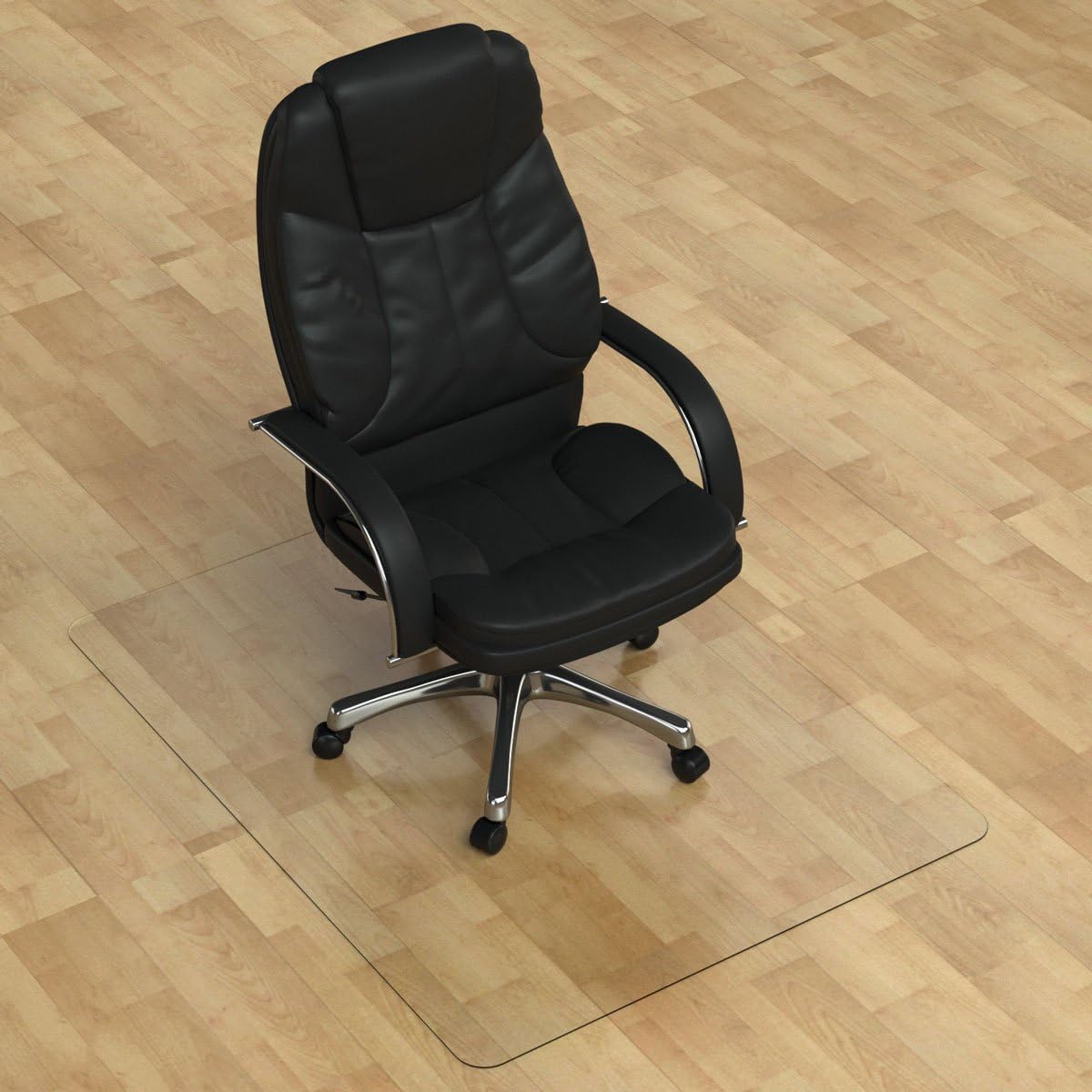


Amazon Basics
Amazon Basics Polycarbonate Office Chair Mat for Low to Medium Pile Carpet - 35 x 47-Inch, Clear
See current price

Home Premium
Home Premium Door Stoppers for Bottom of Door, Rubber Door Stop Wedge (4 Pack, Gray)
See current price

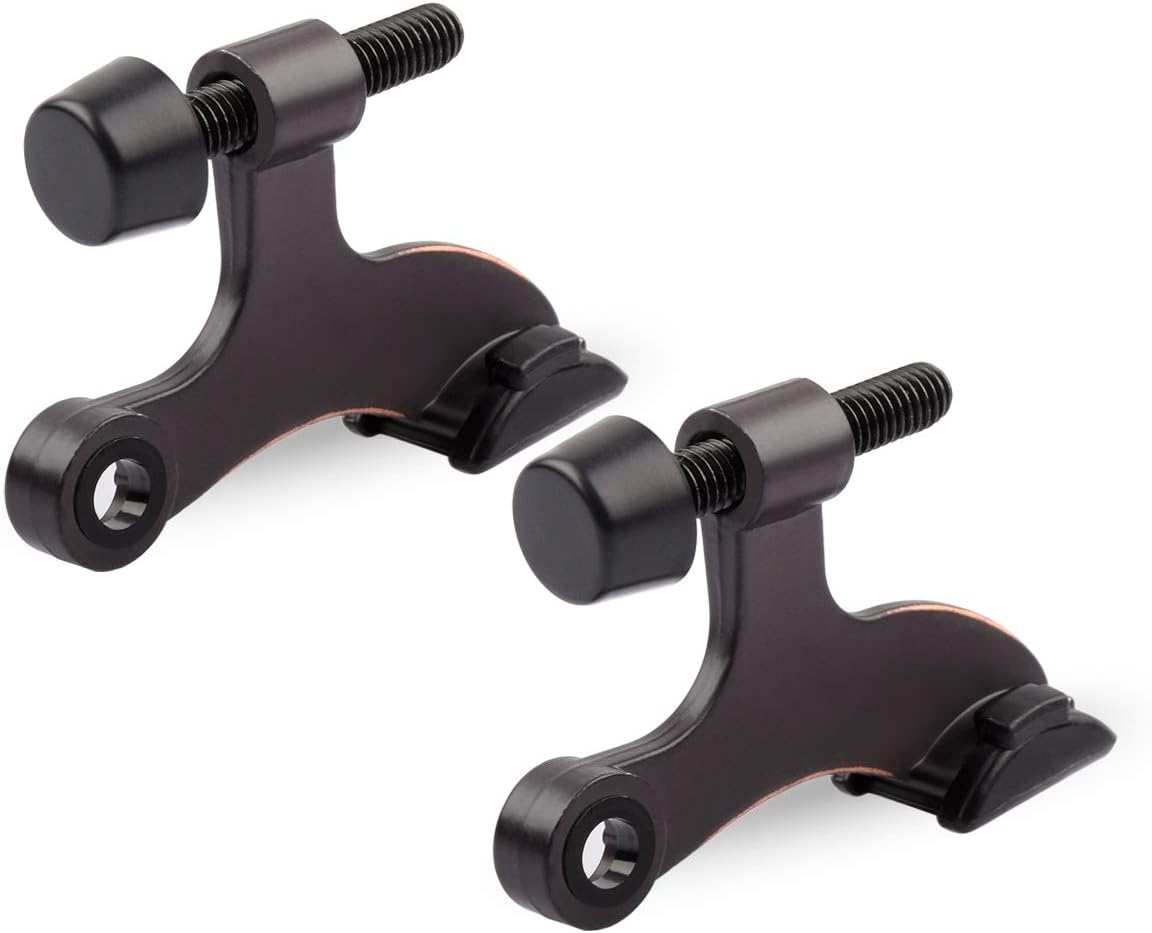

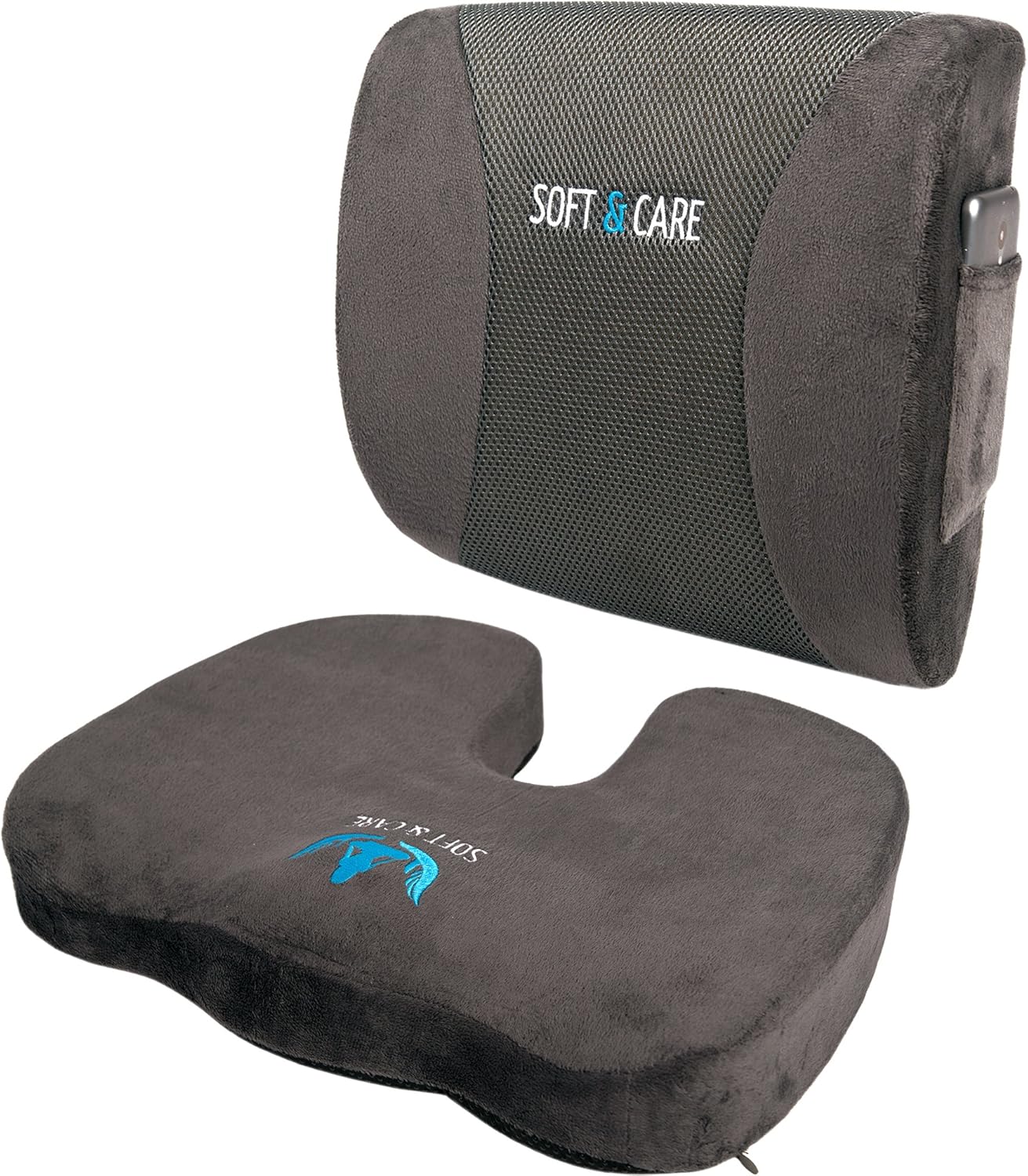
Popular brands in Furniture Accessories
Furniture accessories can make an office easier to organize, more comfortable to use, and better suited to changing needs. This category covers practical additions and replacement pieces for desks, tables, chairs, cabinets, and other workspace furniture.
Use the catalog to compare specifications and features across different products. Since accessories vary widely, start with the furniture you already have and identify the specific issue you want to solve—such as limited storage, cable clutter, surface protection, or a need for easier movement.
How to choose furniture accessories
The right accessory should fit both the furniture and the way the space is used. Before comparing products, consider:
- Purpose: Decide whether you need organization, protection, added support, mobility, display space, or a replacement component.
- Compatibility: Check whether the accessory is intended for a particular furniture type, mounting method, surface, or hardware arrangement.
- Dimensions: Compare width, depth, height, clearance, and usable interior space with the available area on or around your furniture.
- Materials: Consider durability, weight, moisture exposure, cleaning needs, and how the material will look alongside existing furniture.
- Installation: Some accessories may require drilling, fastening, assembly, or a sufficiently strong mounting surface. Confirm what is included and what tools may be needed.
- Workspace layout: Make sure the addition will not block drawers, doors, walkways, chair movement, outlets, or access to other equipment.
Explore related office furniture categories
Furniture accessories often work alongside larger furniture pieces. Browse Desks & Workstations when you need to match an accessory to a primary work surface, or compare Tables for meeting, shared, or multipurpose areas.
For seating-related additions, see Chairs & Sofas. Storage-focused projects may be better served by Cabinets, Racks & Shelves, while Carts & Stands can help when equipment or supplies need to be repositioned.
Key features and specifications to compare
Product details matter more than appearance alone. Look for specifications that answer how the accessory will function in your space:
- Capacity and load support: Check the stated weight capacity where relevant, especially for shelves, stands, mounts, and organizers.
- Adjustability: Height, angle, width, or position adjustment can help an accessory work with different users or furniture layouts.
- Attachment method: Compare clamp-on, freestanding, adhesive, screw-mounted, and other installation approaches based on the furniture surface.
- Surface protection: Pads, mats, trays, and coverings should suit the surface they are intended to protect and remain stable during normal use.
- Mobility: For rolling accessories, examine wheel or caster details, locking features, clearance, and the type of floor involved.
- Storage configuration: Compare compartments, shelves, hooks, drawers, dividers, and access points with the items you plan to store.
- Appearance: Color and finish can help an accessory blend with existing office furniture, particularly in shared or customer-facing spaces.
Brands represented in the catalog
The Furniture Accessories catalog includes products from OfficeMarshal, Office Marshal, SALLOUS, Amazon Basics, Pavilion Gift Company, Design House, SUPTEMPO, YWSHUF, Floortex, Bertanilhan, Ozland, and National Hardware. Brand availability can vary by product type, so compare the specifications of individual listings rather than relying on the brand name alone.
When several options appear suitable, use the listed dimensions, materials, mounting details, and included components to narrow the selection. A familiar brand may be useful for consistency, but fit and intended use remain important considerations.
Practical setup and care tips
Measure twice before ordering an accessory intended to attach to or fit inside existing furniture. Leave enough clearance for doors, drawers, cables, ventilation, and normal movement. For items that support weight, place them on a stable surface and follow the manufacturer’s installation and capacity guidance.
Keep fasteners and adjustable parts properly tightened, but avoid overtightening hardware on wood, laminate, or other surfaces that could be damaged. Clean materials according to the product instructions, and check periodically for loose mounts, worn pads, damaged wheels, or shifting components.
If an accessory is being used in a shared office, consider how other people will interact with it. Easy-to-understand adjustments, accessible storage, rounded or protected edges, and a layout that keeps walkways clear can make the furniture more practical for everyone.
Frequently asked questions
What are furniture accessories used for?
They can add organization, protection, storage, mobility, comfort, or functionality to existing office furniture. The right choice depends on the furniture and the problem you want to address.
How do I know whether an accessory will fit?
Compare the product’s width, depth, height, clearance, attachment method, and capacity with the exact dimensions and construction of your furniture.
Should I choose a freestanding or mounted accessory?
Freestanding products are generally easier to reposition, while mounted options may save surface space or provide a more fixed setup. Choose based on stability, furniture compatibility, and how often the layout changes.
What specifications matter most for storage accessories?
Focus on usable dimensions, compartment layout, capacity, access, material, and installation requirements. Confirm that the accessory can hold the intended items without obstructing nearby furniture.
How can I protect office furniture when installing an accessory?
Use the recommended hardware and mounting method, verify the surface can support the installation, and avoid blocking drawers, doors, cables, or ventilation. Check the manufacturer’s instructions before making permanent changes.