
CoscoProducts
COSCO Multi-Purpose, Adjustable Height Personal Folding Activity Table, 2 Pack, Black
See current price

Compare tables for offices, home workspaces, meetings, projects, and flexible rooms. Review dimensions, construction, portability, and practical features before choosing a table that fits your space.
11 products in catalog
11 results
CoscoProducts
See current price


Performore
See current price

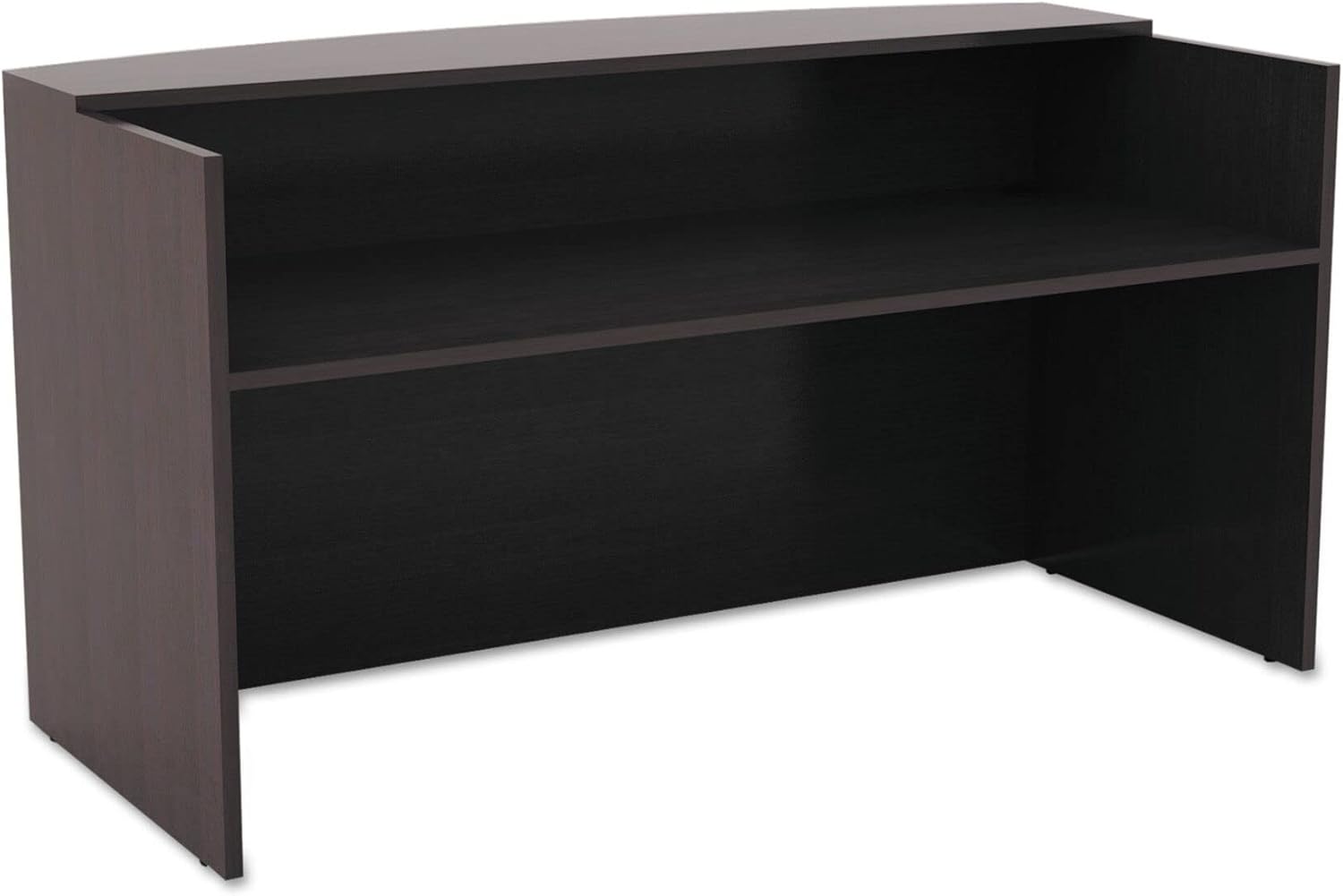


Tables can support far more than everyday office work. The right model may serve as a meeting surface, shared project area, training table, craft station, temporary workspace, or multipurpose surface at home. Start by considering how the table will be used, where it will go, and whether it needs to remain in place or move regularly.
This K-Catalog selection includes tables from brands such as Mr IRONSTONE, Bueyfolt, Peakform, Silverwood, Stand Steady, Alera, Lorell, CoscoProducts, Adams Manufacturing, and Performore. Compare the specifications and features listed for each product, then check the current product details on Amazon before making a decision.
The best table size depends on both the surface you need and the clearance around it. Measure the available area, including space for chairs, walking paths, drawers, doors, and nearby furniture. A table that fits its top dimensions may still be impractical if people cannot sit or move comfortably around it.
Consider these questions before comparing models:
Rectangular tables are versatile for meetings, shared work, study, and dining-style arrangements. Their straight edges can make them easier to place against walls or combine with other furniture. Square tables can suit compact rooms or small group settings, while round tables encourage an open arrangement and eliminate sharp corners at the perimeter.
Folding tables are useful when a surface must be stored between uses or set up for occasional events. Before choosing one, check how it folds, where the folded table can be stored, and whether the locking mechanism is suitable for the intended setting. Adjustable or standing-height tables may be a better match for users who want to alternate between sitting and standing, but height range and stability should be compared carefully.
For a complete workspace, browse Desks & Workstations as well as this table category. Carts & Stands may also be relevant when equipment or supplies need to stay mobile.
Dimensions and height: Check tabletop length, width, and thickness, along with the overall height. If the table will be used with existing chairs, compare the underside clearance and leg placement as well.
Materials and finish: Tabletops may use different wood-based materials, laminates, plastics, metals, or combinations. A smooth, easy-clean finish can be useful for shared spaces, while the visual finish may matter more in a reception or home setting. Look for care guidance before using cleaners or placing hot, wet, or heavy items on the surface.
Frame and stability: Examine the leg design, support structure, leveling provisions, and any folding or locking components. A sturdy frame should remain steady during normal use, but the table should still be placed on a suitable, reasonably level floor.
Storage and mobility: If the room changes frequently, consider casters, folding legs, nesting ability, or a lighter construction. Mobility features should not come at the expense of a stable working surface, so compare both transport convenience and support.
Assembly: Review the listed assembly requirements, included hardware, and tools if specified. Confirm that the finished dimensions will work in the intended room and that the assembly area allows enough space to put the table together safely.
A table works best as part of a larger layout. Match its height with the chairs or stools that will be used, and leave enough room for users to pull seats out and move around them. If the table will hold computers or office equipment, plan for cable routing and access to nearby power sources.
For storage beside or beneath a table, consider Cabinets, Racks & Shelves. Seating options are available in Chairs & Sofas, while Furniture Accessories can help complete a functional arrangement.
The Tables catalog includes Mr IRONSTONE, Bueyfolt, Peakform, Silverwood, Stand Steady, Alera, Lorell, CoscoProducts, Adams Manufacturing, and Performore. Brand availability can vary by product, so compare each listing’s dimensions, materials, construction details, and intended use rather than relying on the brand name alone.
Measure the available floor area, doorways, nearby furniture, chair clearance, and the table’s intended equipment. Include both the assembled and stored footprint if the table folds or moves.
Rectangular tables are commonly adaptable because they can support work, meetings, and shared activities while fitting efficiently along walls or in rows. The best shape still depends on the room and seating plan.
They can be, especially in multipurpose rooms, but compare the frame, locking system, stability, surface durability, and storage requirements for your specific use.
Height affects posture, chair compatibility, legroom, and accessibility. Compare the listed height with the seating or standing position planned for the table.
Casters, folding construction, manageable weight, and compact storage can make repositioning easier. Check that mobility features are appropriate for the floor and that the table remains stable during use.