

Charts & Posters for Science Education
Compare science Charts & Posters by subject, visual clarity, format, and intended setting. K-Catalog helps you review product features before visiting Amazon for current availability.
45 products in catalog
45 results
Filters


Palace Learning
Palace Learning Muscular System Anatomical Poster - LAMINATED - Muscle Anatomy Chart - Double Sided (18 x 27)
See current price


Giantex
Giantex B010L18XEW Life Size 70.8" Human Anatomical Anatomy Skeleton Medical Model + Stand
See current price
Giantex
Giantex B010L18XEW Life Size 70.8" Human Anatomical Anatomy Skeleton Medical Model + Stand
See current price

Palace Learning
Palace Learning Brain Anatomy Poster - Laminated - Anatomical Chart of the Human Brain
See current price


Palace Learning
Palace Learning Skeletal System Anatomical Chart - LAMINATED - Human Skeleton Anatomy Poster (18 x 24)
See current price


Engineered Labs
Engineered Labs Heritage Periodic Table of Elements, Made in USA, Acrylic Periodic Table with Real Samples, Multi Color
See current price

Palace Learning
Palace Learning Heart Anatomy Poster - LAMINATED - Anatomical Chart of the Human Heart - 18" x 24"
See current price

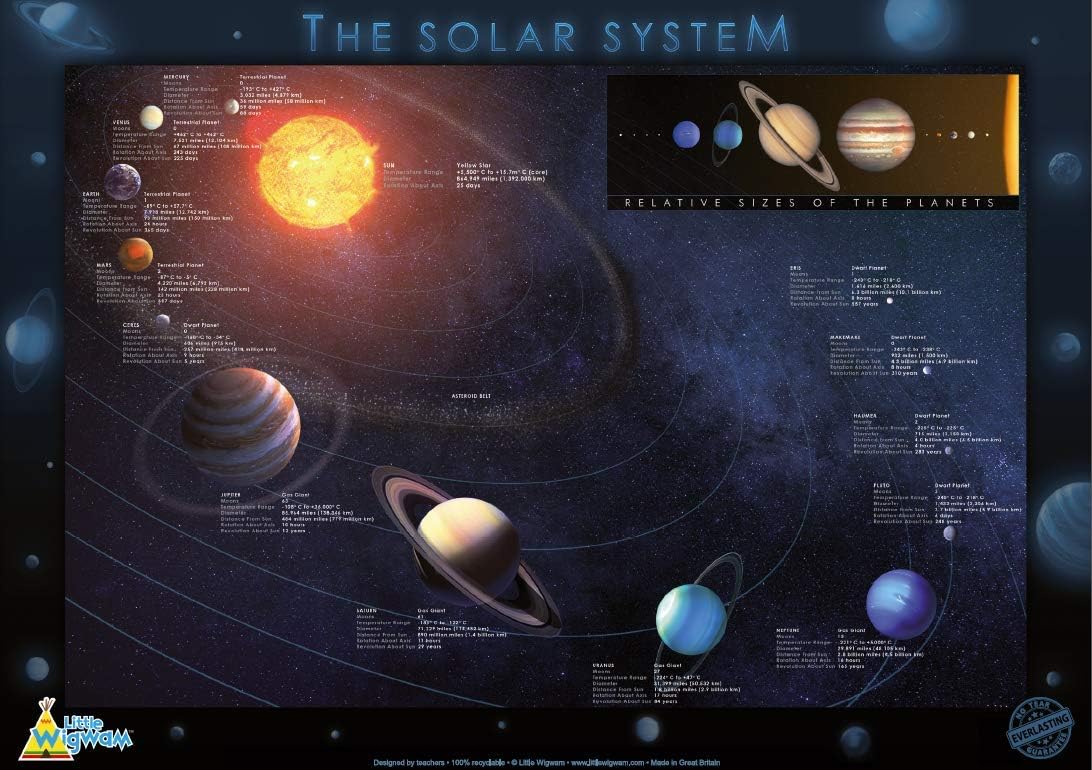
Little Wigwam
Little Wigwam The Solar System No Tear Guarantee Educational Poster (60 x 42cm)
See current price


John E. Upledger (Author)
Your Inner Physician and You: Craniosacral Therapy and Somatoemotional Release
See current price
Popular brands in Charts & Posters
Charts and posters can turn complex science topics into easy-to-reference visual material for classrooms, laboratories, home study areas, and professional spaces. This category includes educational displays covering subjects such as anatomy, biology, and other areas of science education.
When comparing products, focus on the information shown, how easily it can be read, and whether the format suits the space where it will be displayed. A useful chart should support instruction or revision without becoming difficult to interpret from a normal viewing distance.
How to choose a science chart or poster
Start with the subject and learning goal. A classroom display may need broad, introductory information, while an individual learner may prefer a more detailed reference focused on one topic. Consider who will use the material and whether it will be viewed briefly, studied closely, or kept on display for regular reference.
Important questions include:
- Does the chart cover the exact topic you need?
- Is the wording appropriate for the intended age or knowledge level?
- Are labels, diagrams, and legends easy to distinguish?
- Will the finished piece fit the wall, noticeboard, desk, or study area?
- Can it be stored or transported without excessive handling?
The catalog is part of Science Education, making it useful to browse alongside other teaching and study resources.
Types of information to compare
Charts and posters vary in their balance of text, illustrations, diagrams, and labeled reference material. Some are designed to introduce a topic visually, while others work better as detailed study aids. Compare the amount of information with the viewer’s needs: a highly detailed poster may be valuable for focused study but less effective as a quick classroom reminder.
Pay attention to layout as well as subject matter. Clear headings, logical grouping, consistent labeling, and strong contrast can make a display easier to use. If the poster will be seen by a group, readability from across the room matters more than very fine detail.
Key features and specifications
Product specifications can help you determine whether a chart will work in its intended setting. Compare:
- Dimensions and orientation: Check the available wall or display area, and confirm whether portrait or landscape orientation is more practical.
- Material and finish: Consider whether the surface is paper, laminated, or made from another display material. The right choice depends on handling, cleaning, and long-term storage needs.
- Printing clarity: Look for information about color, labels, diagrams, and text size. These details affect how quickly information can be located.
- Mounting requirements: Determine whether the item is intended for framing, hanging, pinning, or another display method. Make sure the required hardware or accessories suit the location.
- Portability and storage: If the chart will move between rooms, compare how it is packaged and whether it can be stored safely between lessons.
Also check the full product description for the exact contents, language, topic coverage, and any included accessories. Product photographs can show the general layout, but specifications are more useful for confirming fit and intended use.
Brands represented in the catalog
Charts & Posters listings include products from Palace Learning, Permacharts.com, MIIRR, Anatomical Chart Company, Giantex, Inc. BarCharts (Author), Little Wigwam, John E. Upledger (Author), MDpocket, Saddle Mountain Souvenir, Axis Scientific, and Helion Communications. Comparing listings across these brands can help you distinguish differences in subject coverage, presentation, format, and construction without assuming that one brand is suitable for every use.
Pairing charts with other learning materials
A poster can provide a useful visual overview, while physical or three-dimensional materials may support closer examination. For related resources, browse Model Animals, Specimens, and Fossils. Learners studying light, lenses, and visual systems may also want to compare Optics. For hands-on biology topics, Insects & Insect Kits offers another type of science education material.
Frequently asked questions
What are science charts and posters used for?
They provide visual explanations, labeled diagrams, and reference information for teaching, revision, demonstrations, or decoration in educational settings.
Should I choose a detailed or simple poster?
Choose based on the audience and viewing distance. A simple design may work well for introductions or group viewing, while a detailed chart can better support focused study.
What size should a classroom poster be?
Select a size that fits the available display area and remains readable from the expected viewing distance. Check the listed dimensions before ordering.
Is lamination important for a science chart?
Lamination may be useful when the chart will be handled frequently or placed where occasional cleaning is needed. For permanent, low-contact display, another finish may be sufficient.
How can I compare charts on K-Catalog?
Review each listing’s subject, dimensions, material, layout, and stated features. Comparing these specifications helps you identify which product matches the intended learning environment.