
BornTo Edu
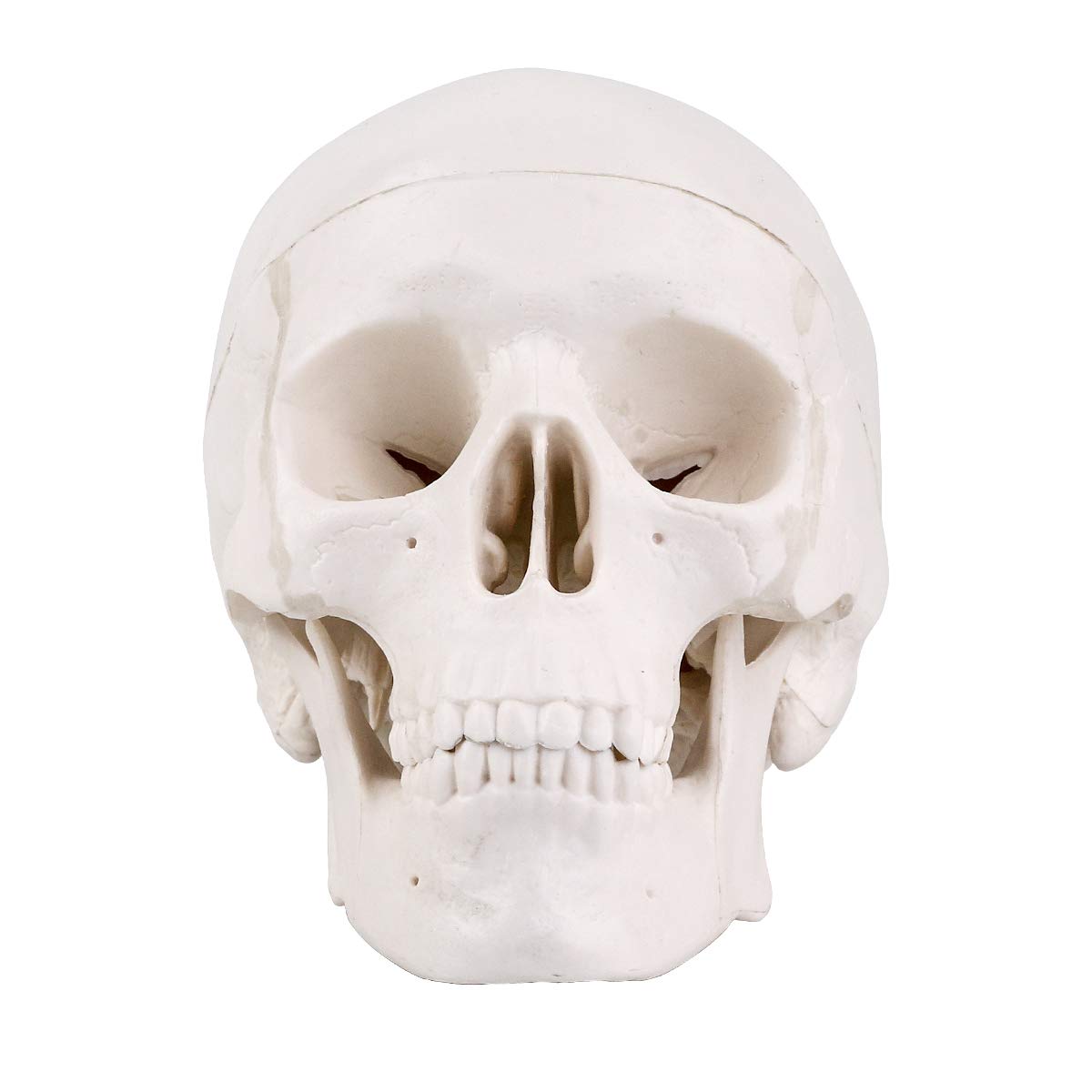
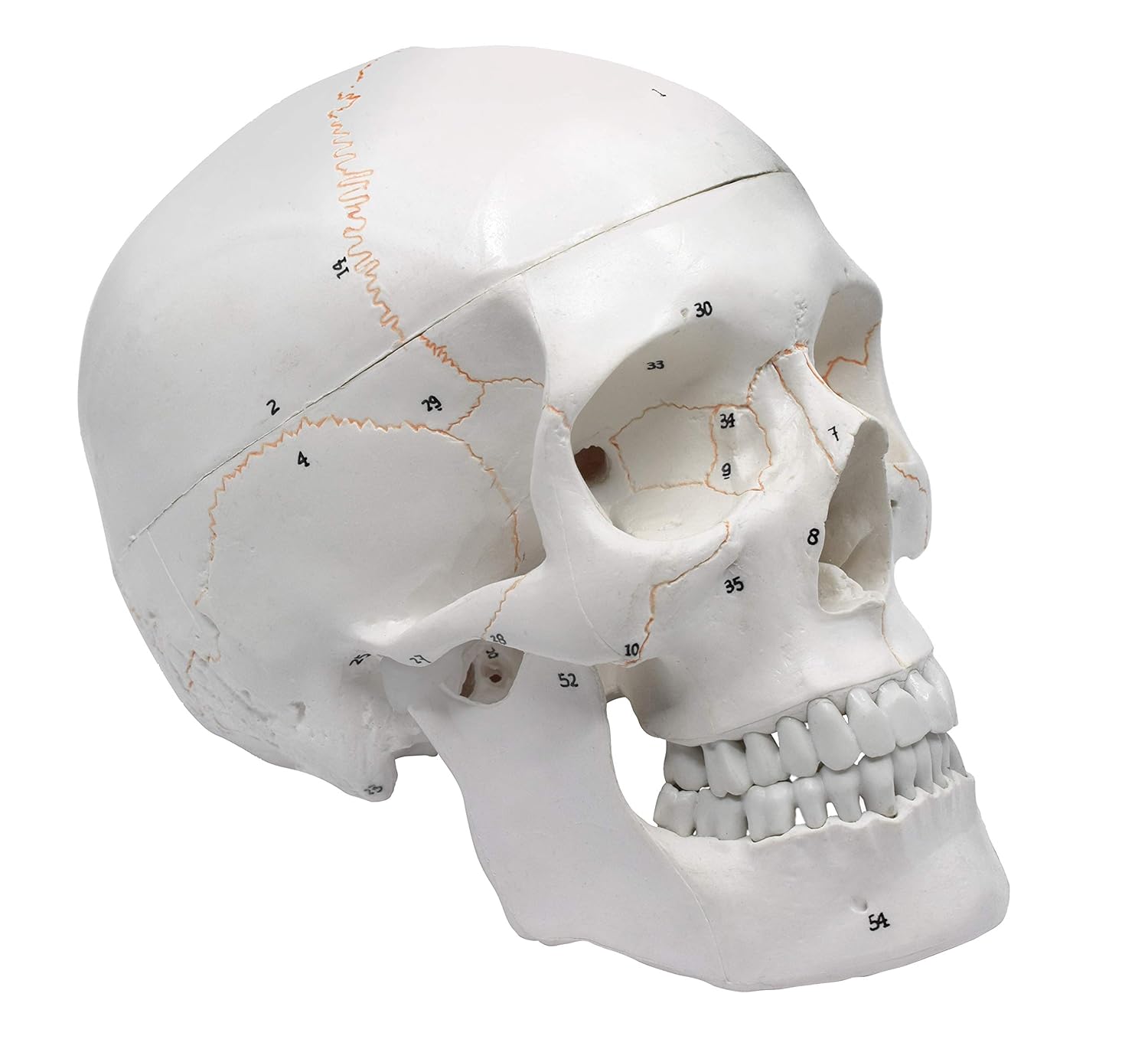
BornTo Edu Mini Skull Model - Small Size Human Medical Anatomical Adult Head Bone for Education
See current price

Compare model animals for science instruction, demonstrations, and hands-on study. Review each model’s purpose, construction, scale, and level of detail to find a suitable teaching aid.
34 products in catalog
34 results
BornTo Edu
See current price





made in China
See current price
Model animals give learners a tangible way to study anatomy, structure, form, and biological concepts. They can support classroom demonstrations, laboratory instruction, homeschooling, museum displays, and independent study when a textbook image or screen is not enough.
K-Catalog’s Model Animals selection sits within Science Education. Use the available product information to compare construction, dimensions, level of detail, and intended educational use before clicking through to Amazon for the latest product information.
Start with the learning objective. A model intended to illustrate external anatomy may be useful for identifying body regions and proportions, while a sectional or anatomical model may be better suited to studying internal structures. If the model will be used during instruction, visibility and durability are usually as important as realism.
Consider these questions before choosing:
Model animals can serve different roles depending on their design and level of detail. External-form models focus on visible features and overall shape. They can help students recognize body parts, compare animals, or discuss adaptation and classification.
Anatomical models are designed to make selected internal or structural features easier to examine. These can be useful when teaching anatomy, veterinary concepts, biology, or health science. Some models may emphasize a particular body system or section, so read the product description carefully rather than assuming every model covers the same material.
Display-oriented models can also support science corners, laboratories, educational exhibits, and study rooms. For these uses, appearance, stability, finish, and available space may matter more than a highly complex construction.
For broader classroom resources, compare model animals with Charts & Posters for wall-based visual instruction, Specimens for natural teaching materials, and Fossils for earth science and paleontology topics.
Product listings can vary significantly in what they show, so compare the specifications that affect learning and everyday use:
If your lessons include observation tools or magnification, Optics may complement a model-based science activity. For lessons focused on classification and small organisms, explore Insects & Insect Kits as another related area.
The Model Animals catalog includes products from LYOU, Axis Scientific, hBARSCI, New Horizon, The Apprentice Corporation, Anatomy Lab, Ronten, Wensha, ZENY, Medarchitect, breesky, and Seasons. These brands are represented across the category, but the most important comparison is the individual product’s purpose, dimensions, construction, and included features rather than the brand name alone.
Match the model’s complexity to the lesson. Too little detail may limit discussion, while unnecessary complexity can distract from the topic being taught. If multiple students need to observe at once, prioritize a size and orientation that can be seen from different positions.
Before purchasing, verify the listed dimensions, included components, and any age or handling guidance. Keep models away from excessive heat, moisture, and rough storage conditions unless the product information indicates otherwise. For models with movable or removable parts, store those components together and check that they are secure before classroom use.
They are used to illustrate animal form, anatomy, body structures, and biological concepts in classrooms, laboratories, study areas, and educational displays.
Choose a size based on viewing distance, available workspace, storage capacity, and whether the model will be used by one learner or demonstrated to a group.
No. Some emphasize external appearance or general form, while others focus on internal anatomy or a particular structure. Check the product description and specifications for the exact scope.
Compare the listed material, finish, durability, and care requirements. The best choice depends on whether the model is mainly for display, occasional demonstration, or regular hands-on handling.
Yes. They can be paired with charts, posters, specimens, fossils, optics, or insect-related teaching materials to support different types of science instruction.