
American Heritage Industries
Bat Specimen- Real Bat Specimen, Encased Animal Specimen for Science Classrooms or Gifts, by American Heritage Industries
See current price

Explore educational specimens for observation, classification and hands-on science learning. Compare materials, presentation and care requirements to find an option suited to your classroom, collection or display.
25 products in catalog
25 results
American Heritage Industries
See current price

Sluiceboy Prospecting
See current price


BicBugs
See current price
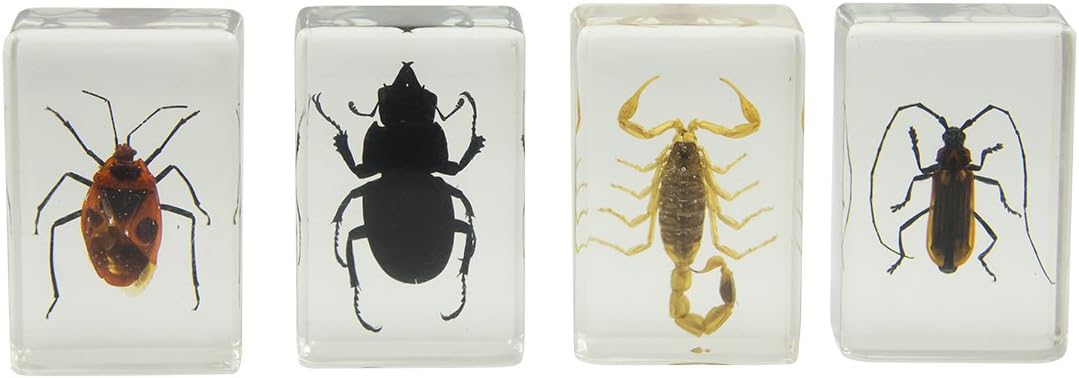


CountlessBooks&More
See current price

CountlessBooks&More
See current price


The Shell Connection
See current price


American Educational Products
See current price

BicBugs
See current price

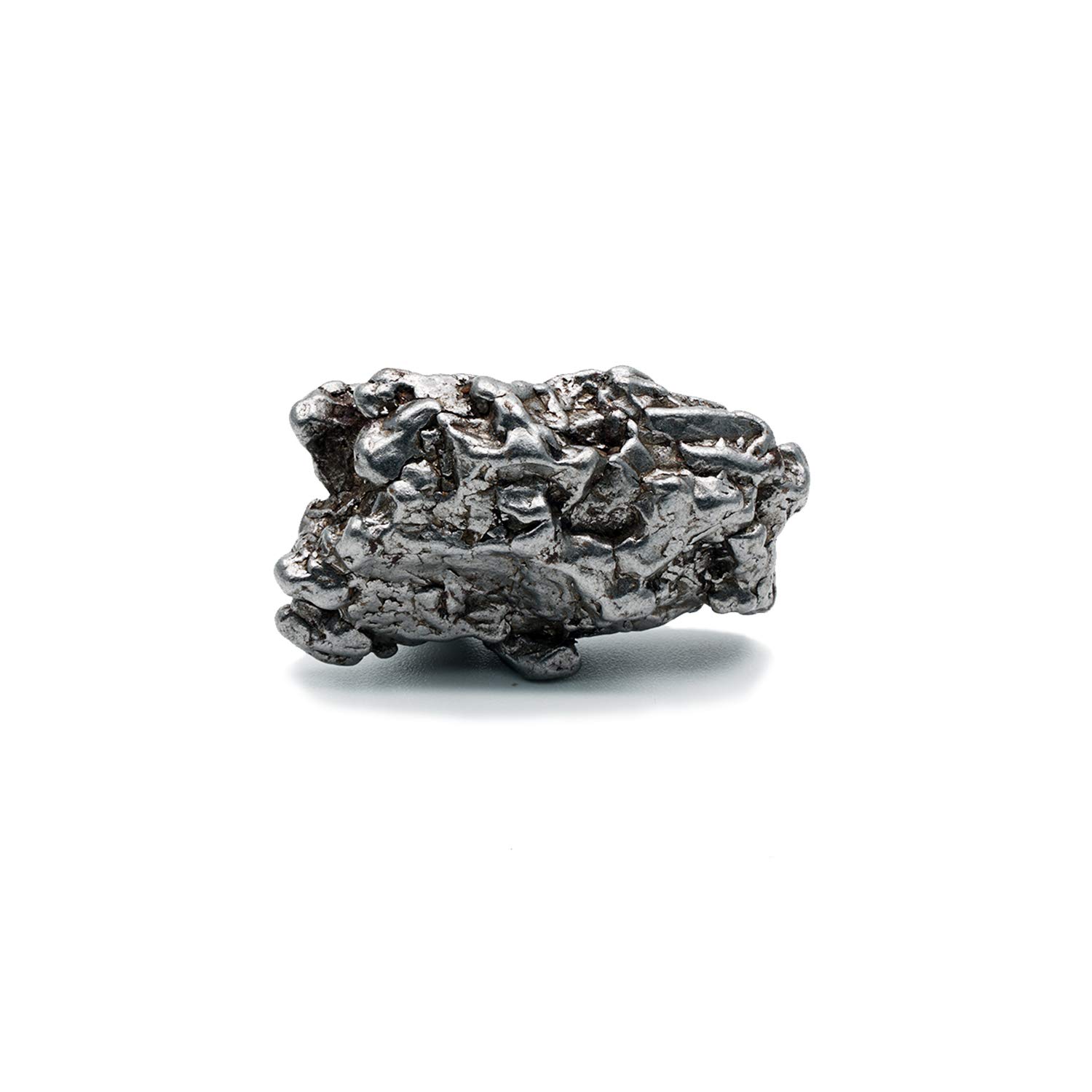

Specimens can make science concepts more tangible by giving learners something to observe closely, describe and classify. This category brings together educational examples from natural history and biology, including items suited to classroom activities, home learning, collections and display.
When comparing products, start with the intended learner and use. A specimen for supervised classroom observation may have different requirements from one intended for a personal collection or decorative display. For broader teaching resources, browse Science Education and consider how the specimen will fit into the rest of the lesson or collection.
Think about the purpose before comparing individual features:
Specimens can vary substantially in subject and presentation. Fossil specimens are useful for introducing geological time, preservation and the history of life; related Fossils resources may help expand that topic. Insect specimens and kits can support lessons about anatomy, life cycles and biodiversity, while Insects & Insect Kits offers a related area to explore.
Other products may focus on shells, minerals, crystals, biological examples or prepared natural-history materials. Compare the subject matter with the learner’s interests and the concepts being taught. If the goal is to supplement a specimen with visual reference material, Charts & Posters can provide a useful companion category. For observation involving lenses or viewing equipment, see Optics. Model Animals may also be appropriate when a durable three-dimensional teaching aid is preferable to a natural specimen.
Product descriptions can help clarify what is included and how the item is intended to be used. Pay attention to:
The Specimens catalog includes products associated with CrystalAge, Pheeya, CountlessBooks&More, BicBugs, Hand2mind, made in China, TAXIBUGS, American Educational Products, The Shell Connection, Sluiceboy Prospecting, Celestron and Clear Creek Trading. These names cover a range of educational, natural-history, collecting and observation-oriented products. Compare the specifications of each individual listing rather than choosing by brand alone.
Keep specimens protected from unnecessary moisture, direct sunlight, dust and rough handling. A case or closed storage container can help reduce damage, but the right approach depends on the material and the product’s instructions. Store small items where they cannot be swallowed or misplaced, and supervise young learners when a specimen includes delicate pieces or components.
For classroom use, decide whether students will handle the specimen individually or view it as a group. Labels or worksheet prompts can encourage learners to record shape, texture, color and other observable features without relying on assumptions. When comparing natural materials, explain that variation between individual specimens is expected.
Educational specimens support observation, classification and discussion. They can help learners connect textbook concepts with physical examples from natural history, biology or geology.
Not necessarily. Listings may represent natural specimens, prepared samples, replicas or mounted educational displays. Check each product description for the material and presentation details.
Compare the subject, size, presentation, authenticity, included labels or guides, handling requirements and storage needs. The best fit depends on the learner and intended activity.
Suitability depends on the item. Small, fragile or sharp components may require adult supervision, so review the product details and consider the learner’s age and setting.
Use clean, dry storage away from direct sunlight and excessive handling. If a specimen includes a case or container, follow the product’s care guidance and keep small parts secured.