
Amlong Crystal
Amlong Crystal 6 inch Optical Glass Triangular Prism for Teaching Light Spectrum Physics and Photo Photography Prism, 150mm
See current price

Explore optics for classroom demonstrations, hands-on experiments, and science learning. Compare product specifications and features to find an option suited to your lesson or project.
11 products in catalog
11 results
Amlong Crystal
See current price

Izgut
See current price


Philosophers Arts and Crafts
See current price
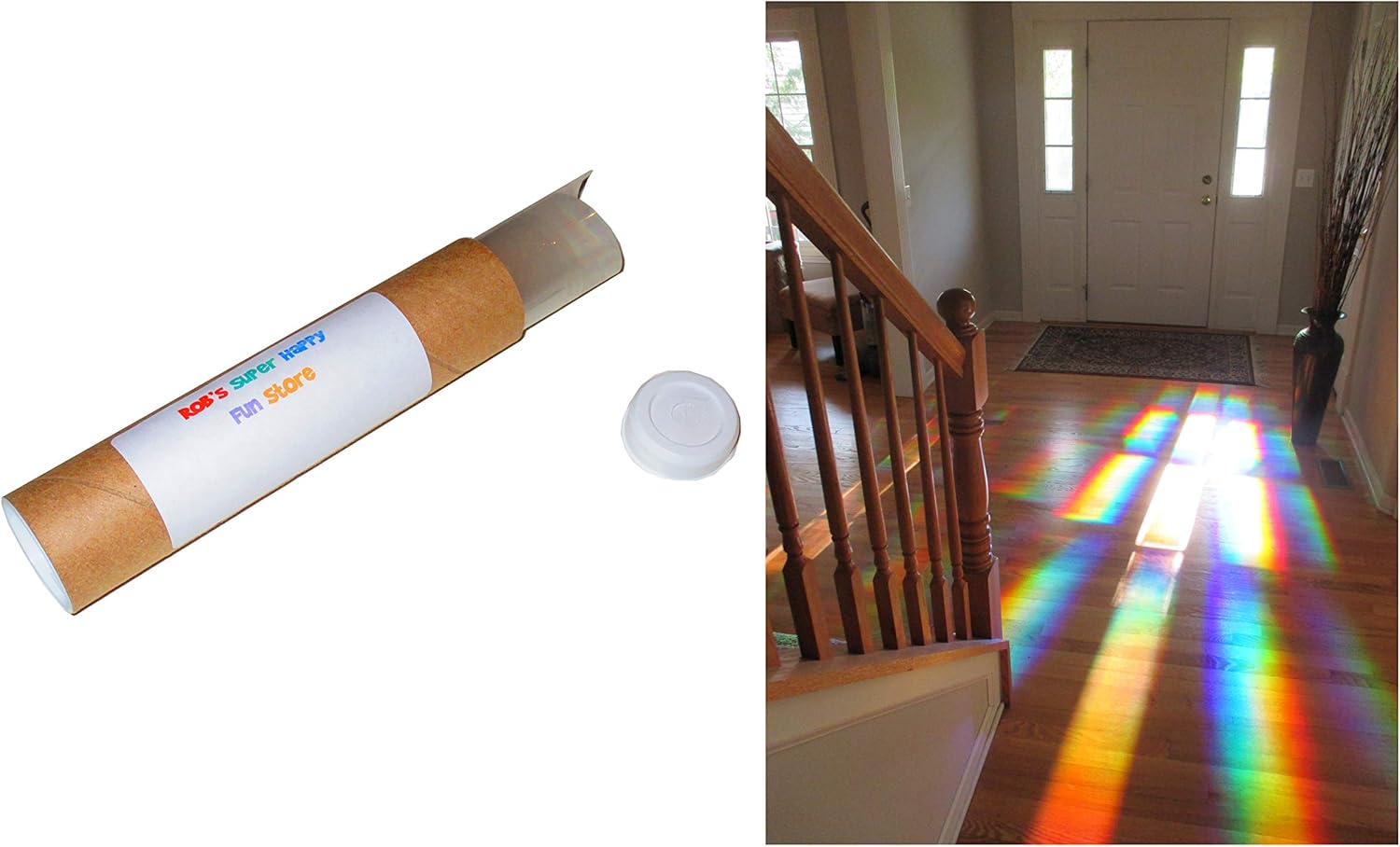
Rob's Super Happy Fun
See current price


Rainbow Symphony
See current price

Optics products help make the behavior of light easier to observe, explain, and discuss. Whether the goal is demonstrating reflection and refraction or supporting a broader science lesson, the right equipment should match the learner’s age, activity, and available setup.
This K-Catalog page brings together optics listed for science education. Use the available specifications and feature information to compare options, then check the current product details on Amazon before buying.
Start by identifying the concept the activity needs to demonstrate. A simple lesson about light paths may call for components that make beams, reflections, or refraction visible. More structured classroom work may require several coordinated pieces that can be positioned consistently from one activity to the next.
Consider these questions before choosing:
For additional science-learning materials, browse Science Education and compare related teaching categories that may complement an optics activity.
The optics category can include several kinds of educational tools. Light and color materials are useful for introducing visible light, color mixing, and the way light behaves when it passes through or interacts with an object. These can work well for demonstrations and guided observation.
Lens and reflection equipment supports lessons on how light changes direction. Convex and concave lenses, mirrors, and related components can help students connect diagrams with physical results. When comparing these products, look for clear information about the optical element and how it is meant to be positioned or handled.
Demonstration aids and optical models may be designed to make an abstract principle easier to see. These can be helpful when a teacher needs to explain a concept to a group or when students benefit from a visual reference alongside their experiment.
Because there are no listed subcategories on this page, review each product’s individual description and specifications rather than assuming that all optics items serve the same purpose.
Product details can vary in ways that affect classroom use. Pay attention to the following information:
Compatibility matters as well. If an optics product will be used with equipment already in a classroom, compare dimensions, mounting methods, power requirements, and any stated system requirements before ordering.
The catalog includes optics products from EISCO, Rainbow Symphony, Hand2mind, Sumnacon, Rob's Super Happy Fun, Amlong Crystal, Philosophers Arts and Crafts, and Izgut. These brands are represented in the catalog as options to compare, not as endorsements. Review each listing’s specifications, included components, intended use, and educational suitability independently.
Plan the activity before distributing optics equipment. A clear demonstration path, stable work surface, and defined observation area can make lessons easier to follow. For group work, prepare instructions for handling lenses, mirrors, and other surfaces so students understand how to avoid scratching or smudging them.
Store optical components in a clean, protected location away from loose items that could damage transparent or reflective surfaces. Follow the care guidance supplied with the product, and use appropriate supervision for the age group and activity. If a lesson involves light sources, confirm that the setup is suitable for classroom use and that students understand not to look directly into unsafe sources.
Related visual and hands-on resources may also be found in Charts & Posters, Specimens, and Insects & Insect Kits. For broader science display or collection materials, see Model Animals and Fossils.
Optics products help demonstrate how light behaves, including concepts such as reflection, refraction, lenses, color, and visual perception.
That depends on the product. Check its size, construction, included components, and instructions to determine whether it suits teacher-led demonstrations, group work, or individual practice.
Review the optical function, materials, dimensions, included accessories, setup requirements, age guidance, and compatibility with equipment already available.
No. Suitability depends on the activity, construction, handling requirements, and any guidance supplied by the manufacturer. Adult supervision may be appropriate for some classroom uses.
Keep them clean, dry, and protected from scratches or impact. Follow the product’s care instructions, particularly for lenses, mirrors, and other delicate surfaces.