

Fossils for Science Education and Collecting
Compare fossils and educational specimens by type, materials, size, presentation, and intended use. Review the listed specifications to find an option suited to learning, collecting, or display.
21 products in catalog
21 results
Filters
Availability
Brand
Price


Sunny Hill
Sunnyhill Real Trilobite Fossil Come from Western Hunan of China 450 Million Years ago
See current price

Prehistoric Planet
5.5 Inch Megalodon (Carcharodon megalodon) tooth, Ivory Color with Serrations(Replica)
See current price

Fossils, Meteorites, & More
MEGALODON TOOTH Fossil SHARK 2.901 inches - Up to 25 Million Years Old #1516 5o
See current price


Dey Designs
Real Mosasaurus Tooth Fossil - Authentic Dinosaur Tooth Specimen - Dey Designs Certificate of Authenticity
See current price
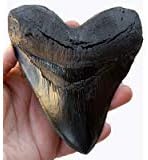
Prehistoric Planet
Prehistoric Planet Store 5.5 Inch Megalodon (Carcharodon megalodon) tooth, Black with Serrations (Replica) #126
See current price


Beverly Oaks LLC
Authentic Dinosaur Tooth - 1 Genuine Spinosaurus Fossil Tooth - Extra Large!
See current price


Langjitianya
Amber Fossil Insect with Gift Bag and Gift Card,Museum Grade Specimen,Artificial Amber Natural Insect
See current price

Popular brands in Fossils
Fossils can make science education more tangible, whether they are used in a classroom lesson, added to a personal collection, or displayed as a conversation piece. K-Catalog helps shoppers compare the specifications and features listed for fossil-related products before clicking through to Amazon for more details.
Because fossil products can differ considerably in form and purpose, start by deciding whether the item is intended for hands-on learning, a collection, decorative display, or a gift. The product description should clarify what is included, how it is presented, and whether the piece is a natural specimen, a replica, a model, or an educational set.
How to choose fossils
Consider the learner or recipient first. A simple, clearly presented specimen may suit an introduction to paleontology, while a more detailed piece may be better for an established collection or display. For classrooms, prioritize descriptions that make the item easy to identify and discuss.
Important questions to ask include:
- What is the purpose? Choose based on teaching, collecting, decoration, or gifting.
- What type of item is it? Check whether the listing describes a specimen, replica, model, fragment, or educational presentation.
- How will it be displayed? Look for information about a stand, case, labeled card, box, or other included presentation materials.
- What are the dimensions and weight? These details matter for storage, handling, classroom demonstrations, and shelf space.
- Is it suitable for the intended age group? Review the manufacturer’s guidance and consider small parts, sharp edges, and breakable materials.
Fossil types and presentation styles
The catalog does not divide fossils into separate subcategories, so shoppers may need to compare each listing individually. Fossil products can be organized by how they are used rather than by one universal classification system.
Educational specimens are generally selected for observation and discussion. They may be useful when teaching about geological time, preservation, prehistoric life, or the differences between fossils and modern organisms. Replicas and sculpted pieces can offer a recognizable shape for learning or display, while natural specimens may appeal more to collectors who want visible variations in texture, color, and formation.
Presentation is also worth comparing. A loose piece may offer flexibility for a collection or lesson, whereas a mounted or boxed item may be easier to display and keep organized. If labels or supporting educational materials are important, confirm that they are included rather than assuming they come with the product.
For complementary learning materials, browse Charts & Posters, Model Animals, and Specimens. These related categories can help build a broader lesson or display around fossils and prehistoric life.
Key specifications to compare
Product descriptions can vary in the amount of detail they provide. Focus on the specifications that affect usefulness and care:
- Dimensions: Compare the stated length, width, height, and overall scale with the intended display or storage area.
- Materials: Determine whether the item is described as natural stone, resin, plaster, plastic, metal, or another material.
- Authenticity and labeling: Look for clear wording about whether the piece is a genuine fossil, a cast, a reproduction, or a decorative model.
- Included accessories: Check for display stands, cases, identification cards, educational guides, or packaging.
- Surface and finish: Texture, color, polish, and sculptural detail may affect whether the item suits teaching, collecting, or decoration.
- Handling requirements: Fragile or small pieces may need careful storage and supervised use.
Do not rely on photographs alone when comparing similar products. Images can make items appear larger or more detailed than they are, so use the written dimensions and materials information as the primary reference.
Brands represented in the catalog
Fossil listings in this catalog include products from DANCING BEAR, Prehistoric Planet, KALIFANO, Total Deconstruction Inc., Fossils, Meteorites, & More, Steve Hoeger Sculpture, Sunny Hill, Lymhy, VORCOOL, PNSO, Dey Designs, and Langjitianya. These brands may present fossils, replicas, sculptures, or educational pieces in different ways, so compare the specifications of individual listings rather than choosing by brand name alone.
Shoppers building a wider science-learning collection may also explore Optics, Insects & Insect Kits, and the broader Science Education category.
Care, storage, and safe use
Keep fossil specimens and models in a dry, stable location away from unnecessary heat, moisture, and direct sunlight. Use a padded container or display surface for pieces that may chip, crack, or scratch. Avoid cleaning a natural specimen with household chemicals unless the product instructions specifically allow it.
For classroom use, establish handling rules before passing items around. Young children should use small or fragile pieces only with appropriate supervision. If a listing includes a display case or mount, check how securely the item is held and whether the presentation is intended for handling or stationary display.
Frequently asked questions
Are all fossil products genuine fossils?
Not necessarily. Listings may describe natural specimens, casts, replicas, sculptures, or models. Read the product description carefully for explicit information about authenticity and materials.
What specifications matter most for a fossil?
Start with the item type, dimensions, materials, authenticity wording, included accessories, and any age or handling guidance. These details help determine whether it fits a lesson, collection, or display.
Are fossils suitable for children?
Some may be appropriate for supervised educational use, while others may be fragile, heavy, sharp-edged, or made with small parts. Check the listing’s guidance and match the item to the child’s age and activity.
How should fossils be displayed?
A stable, dry surface away from direct sunlight is generally a sensible starting point. If a stand, case, or mount is included, follow the product’s instructions for setup and handling.
Can fossils be used with other science-learning materials?
Yes. Fossils can complement charts, animal models, insect kits, specimens, and optics when creating a broader science lesson or themed display. Compare the educational purpose and level of detail across the materials.