
Tyrese Gibson (Actor), Rachael Taylor (Actor), Michael Bay (Director) & 0 more Rated: PG-13 Format: DVD
Transformers - w/ Bonus Optimus Prime Mask (Boxset)
See current price

Compare passive components by electrical specifications, physical fit, and intended application. K-Catalog helps you review component features before visiting Amazon for current availability and purchasing options.
343 products in catalog
343 results
Tyrese Gibson (Actor), Rachael Taylor (Actor), Michael Bay (Director) & 0 more Rated: PG-13 Format: DVD
See current price


Genteq
See current price
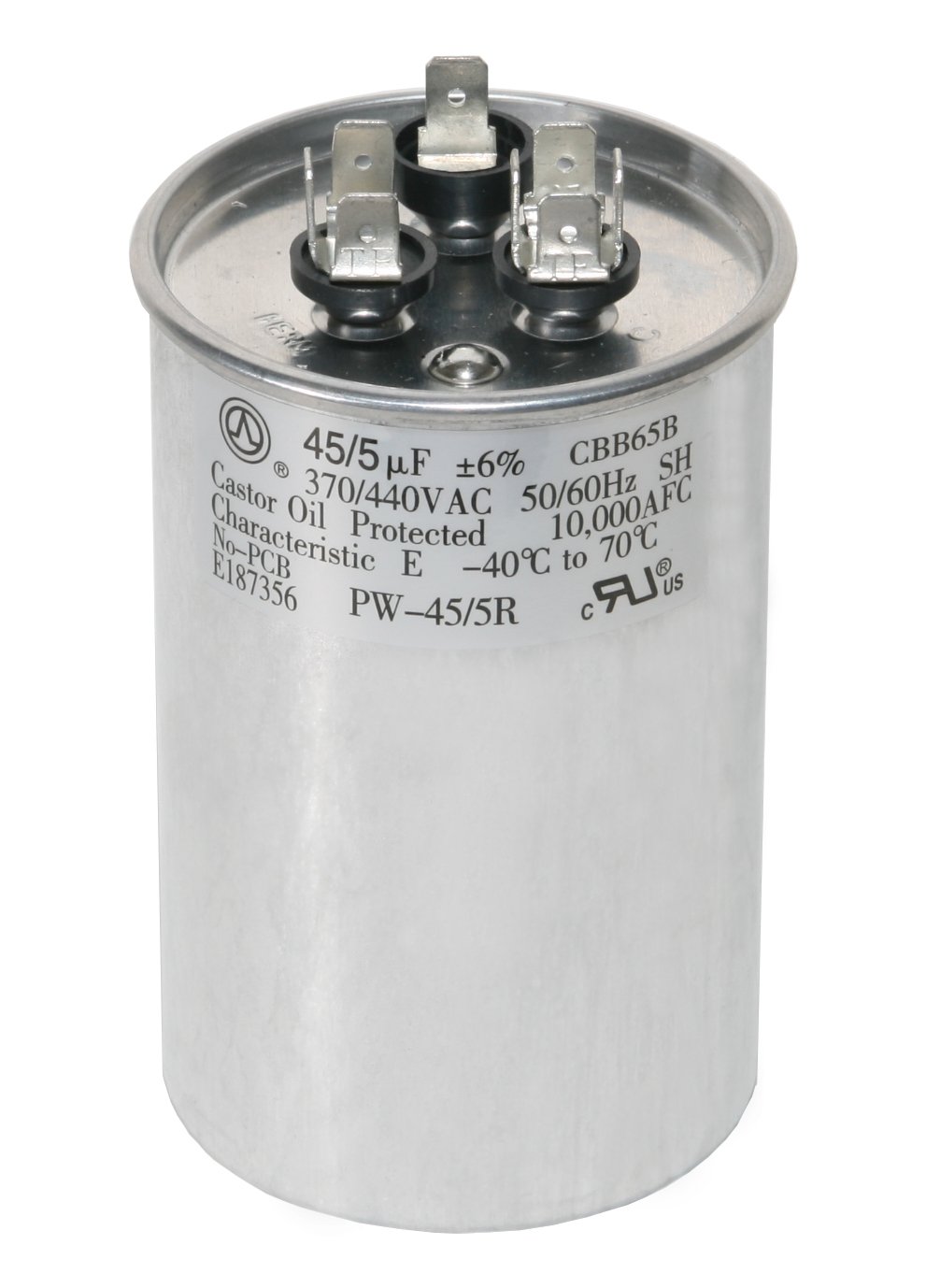
Genteq
See current price
Genteq
See current price


ELEGOO
See current price


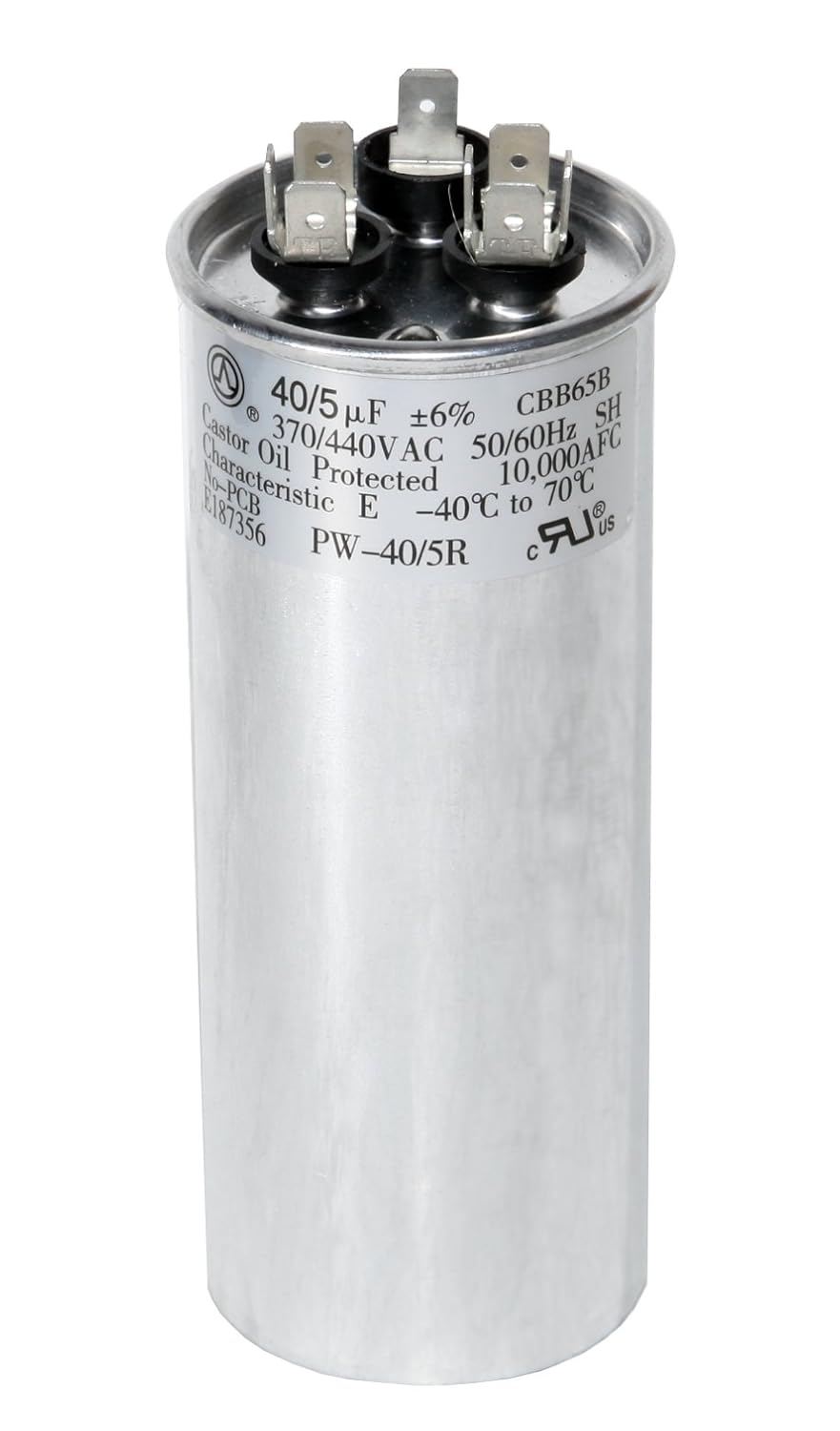
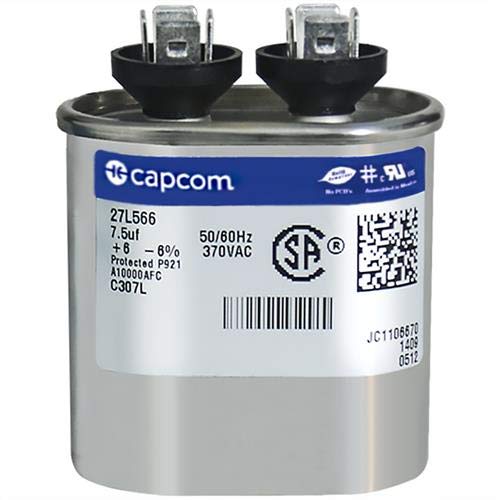


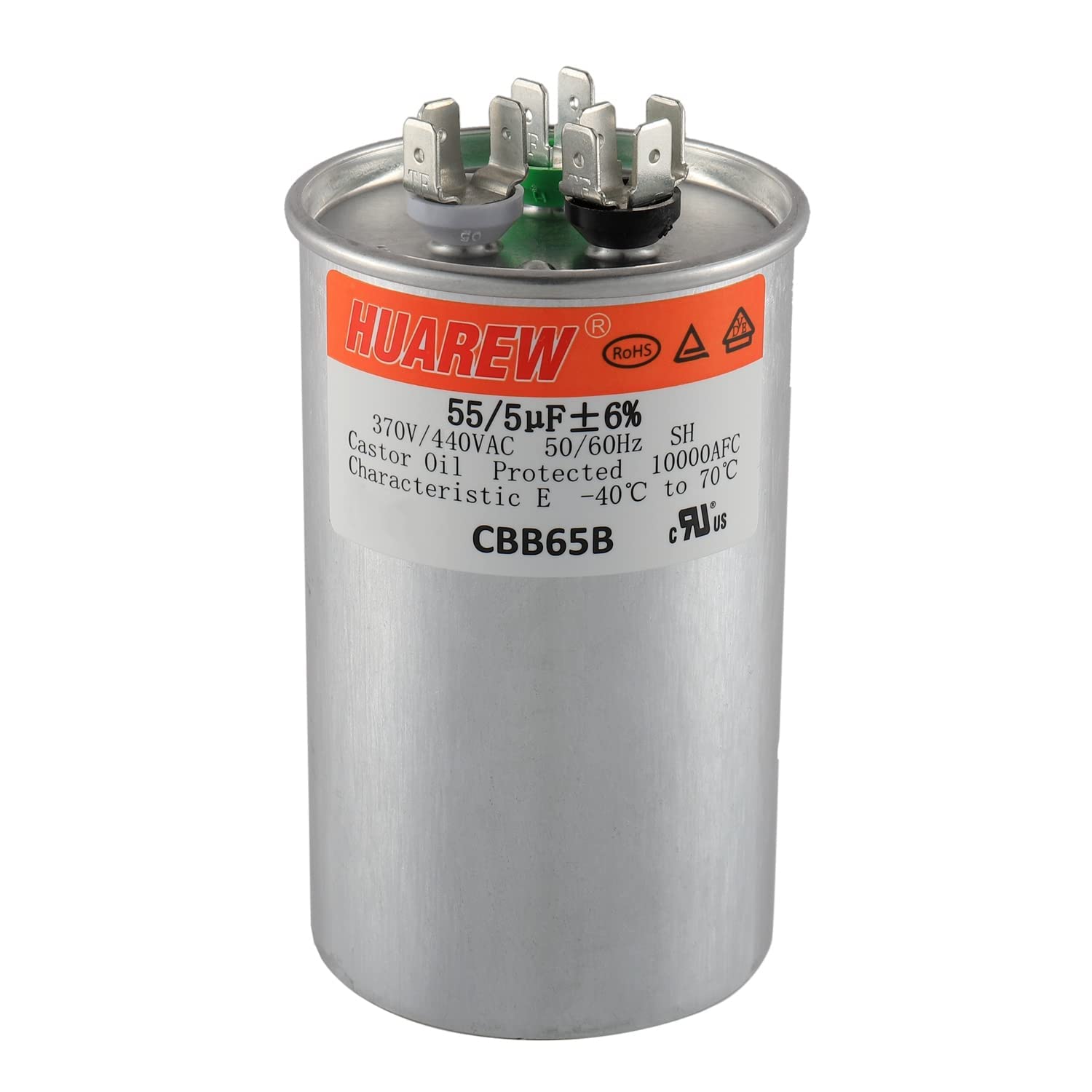


ZJSSMART
See current price

Sealed Unit Parts Co., Inc
See current price
Passive components support the operation of electrical circuits without requiring an external power source to provide gain. This category can include components such as capacitors, resistors, inductors, transformers, and related replacement parts used in industrial, commercial, and equipment-level applications.
When comparing products, start with the circuit’s requirements rather than the brand name alone. The correct component must match its electrical ratings, physical dimensions, connection method, and operating environment.
Identify the component function first. A capacitor may be used for motor starting, filtering, power-factor correction, or energy storage, while a resistor can limit current, divide voltage, or provide a defined load. Inductors and transformers are selected according to their role in filtering, energy transfer, or voltage conversion.
Before selecting a product, confirm:
For replacement work, compare the original component’s markings and documentation carefully. A part that appears similar may still have unsuitable ratings or terminals.
Passive components cover several technologies, so the right comparison depends on the application. Capacitors are commonly evaluated by capacitance, voltage rating, tolerance, construction, and terminal arrangement. Resistors are typically compared by resistance, power handling, tolerance, and form factor. Inductors require attention to inductance, current capacity, and frequency behavior.
Passive components are part of a broader industrial electrical system. For connection hardware and conductors, explore Wiring & Connecting. Products used to operate or display equipment are grouped under Controls & Indicators, while active circuit devices can be found in Semiconductor Products and Optoelectronic Products.
Capacitance or resistance: Confirm the core value required by the circuit. Depending on the application, a small variation may be acceptable, while other circuits require a close match.
Voltage and power ratings: A component should be rated for the electrical demands of the equipment. For capacitors, compare working voltage and any relevant starting or running designation. For resistors, check power dissipation as well as resistance.
Tolerance: Tolerance describes how much the actual value may vary from the stated value. Lower tolerance can matter in timing, sensing, filtering, and control circuits.
Construction and materials: Component construction affects durability, size, heat behavior, and suitability for a particular environment. Check the manufacturer’s specifications for application limits rather than relying only on appearance.
Terminals and mounting: Compare lead, tab, screw, snap-in, or other connection styles with the equipment’s existing wiring. Verify terminal placement, spacing, and enclosure clearance before ordering.
Dimensions: Measure the available space and compare the listed diameter, length, height, and mounting features. A component with matching electrical values may not fit the original housing or bracket.
The catalog includes passive-component listings from brands such as Genteq, BOJACK, PowerWell, E-Projects, GE, Packard, Supco, MaxRun Capacitors, Mars, SENMOD, QH, and Hilitchi. These names provide different options to compare, but selection should remain based on specifications, compatibility, and the requirements of the equipment rather than brand familiarity alone.
Turn off and isolate equipment before inspecting or replacing a component, and follow the equipment manufacturer’s service instructions. Some components, particularly capacitors, may retain an electrical charge after power is removed; use appropriate procedures and tools for safe discharge and verification.
Record the original markings, wire locations, terminal labels, and physical orientation before removal. For motor or HVAC-related replacements, check that the electrical values, terminal configuration, and enclosure dimensions correspond to the original part. If the application involves measurement or detection equipment, the Sensors category may contain the related device rather than the passive component itself. For protective devices, compare Circuit Protection Products separately.
Passive components control, store, filter, or transfer electrical energy without providing signal amplification. Their function depends on the component type and circuit design.
Compare the original part’s type, electrical values, ratings, terminals, dimensions, and mounting method. Also confirm that the replacement is suitable for the equipment’s operating environment.
A higher rating may be suitable in some designs, but it does not automatically make a component compatible. Capacitance, physical size, terminal arrangement, and application requirements must also match.
The component must fit the available space and align with the equipment’s mounting and wiring. Electrical compatibility alone does not guarantee a practical replacement.
Specifications and equipment compatibility should come first. Brand listings can help organize options, but the selected product must meet the circuit’s required values, ratings, construction, and fit.