
Gorilla
Gorilla Clear Grip Waterproof Contact Adhesive, , 3 Ounce, Clear, (Pack of 2)
See current price

Compare contact cements for laminates, repairs, crafts, upholstery, and industrial work. Review formulas, application methods, materials, and safety information before choosing.
123 products in catalog
123 results
Gorilla
See current price


Rutland Products
See current price

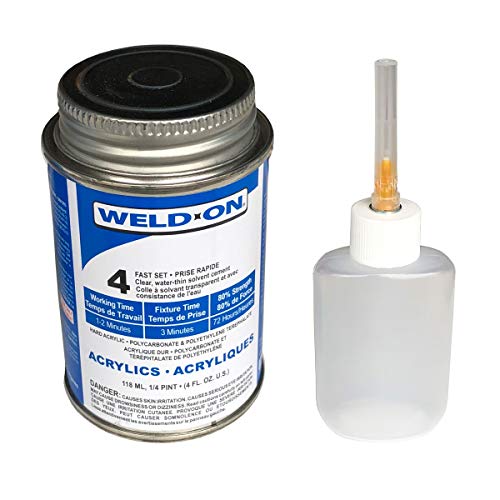


Barge
See current price

Contact cement is designed to create a bond when adhesive is applied to both surfaces, allowed to become tacky, and then brought together. It is commonly considered for laminates, veneer, rubber, leather, fabric, foam, and selected plastics or metals, depending on the product formulation.
K-Catalog helps shoppers compare available specifications and features without presenting products as tested or endorsed. Begin by identifying the materials being joined, the size of the project, the working environment, and the application method that best fits the job. For broader adhesive and sealant browsing, visit the Adhesives, Sealants & Lubricants category.
The right contact cement depends primarily on surface compatibility and working conditions. Check the product label or technical documentation for approved substrates rather than assuming that every contact cement works with every material.
Consider these questions before comparing products:
Contact cements are available in different formulations, with solvent-based and water-based options among the main choices. Solvent-based formulas may be selected for particular materials or demanding applications, but they can require strong ventilation and careful handling. Water-based formulas may be useful where lower odor or easier cleanup is a priority, though their material compatibility and performance should be confirmed for the specific project.
Some products are supplied as brush-on liquids, while others may be intended for spreading or use with specialized application equipment. Packaging and product instructions can also indicate whether the adhesive is intended for porous surfaces, nonporous surfaces, flexible materials, or a combination of substrates.
Product pages can differ substantially in the information they emphasize. Focus on specifications that affect the finished bond and the application process:
Surface preparation is just as important as adhesive selection. Surfaces should generally be clean, dry, and free from dust, oil, wax, and loose material. Smooth or glossy surfaces may require preparation specified by the manufacturer. Test an inconspicuous area when the material, finish, or application is especially sensitive.
The Contact Cements catalog includes products from DAP, Barge, RH Adhesives, Oatey, Rutland Products, WELD-ON, MEECO'S RED DEVIL, SCIGRIP, Gorilla, Quikrete, GEAR AID, and Rutland. These brands are represented across the catalog, but brand presence should not be treated as an endorsement. Compare each product’s intended use, formula, instructions, and compatibility information individually.
Contact cement is not the only option for joining materials. For thin, pre-coated bonding surfaces, Adhesive Tapes may be more convenient. Small rigid repairs may call for Cyanoacrylate Adhesives, while gap filling or two-part bonding may be better suited to Epoxy Adhesives. For joints that need sealing rather than surface-to-surface bonding, compare Industrial Sealants instead.
Contact cement is commonly used to bond materials such as laminate, veneer, rubber, leather, fabric, foam, wood, and selected plastics or metals. Always verify compatibility on the product label.
Many contact cement products are designed for application to both surfaces. Follow the specific product directions for coating, waiting time, alignment, and pressure.
No. Plastics vary in composition and surface energy, so adhesion can differ. Select a product that specifically lists the plastic or use a recommended preparation method.
Some formulations may be intended for outdoor or demanding environments, while others are not. Check the product’s weather, moisture, and temperature guidance before use.
Review ventilation requirements, flammability warnings, skin and eye protection, storage conditions, and disposal instructions. The safety data sheet can provide additional handling information.
Clean and dry both surfaces, remove contaminants, and follow any manufacturer-specified preparation steps. Proper alignment is important because contact cement can bond quickly when the coated surfaces meet.