
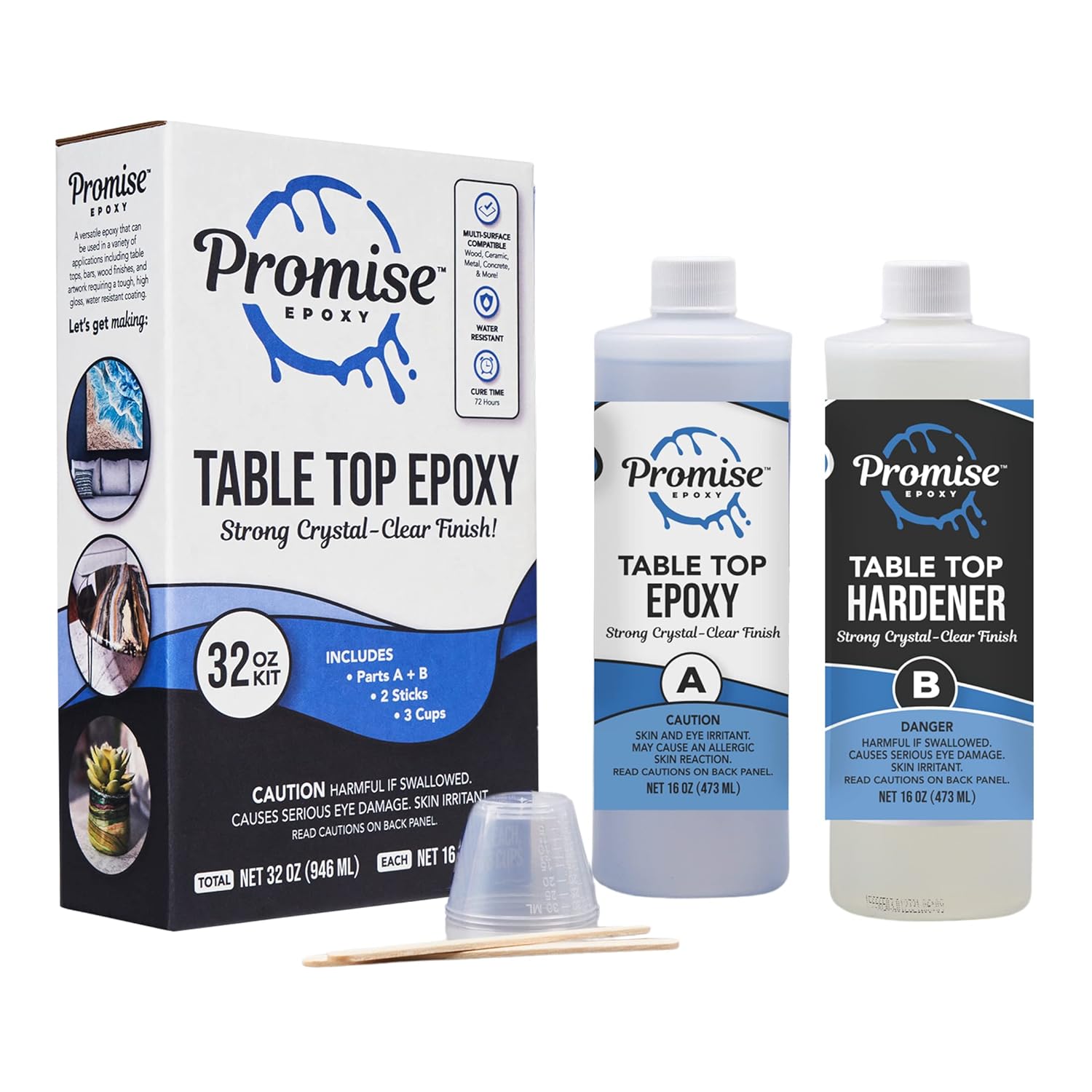
Epoxy Adhesives
Compare epoxy adhesives by formulation, cure behavior, surface compatibility, application method, and packaging. Explore specifications and features to find an option suited to repair, fabrication, or industrial bonding.
166 products in catalog
166 results
Filters
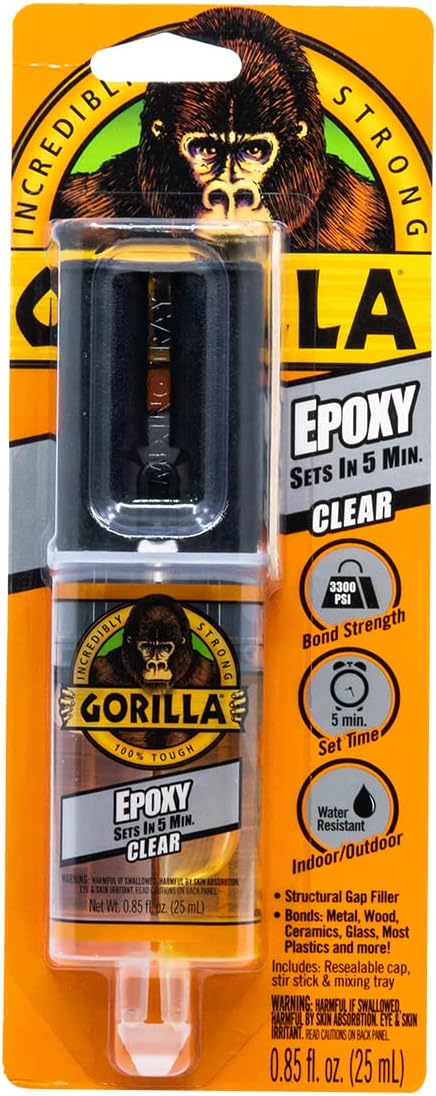

J-B Weld
J-B Weld 8271 KwikWeld Professional Size Steel Reinforced Epoxy Twin Pack - 10 oz.
See current price


Bob Smith Industries
Bob Smith Industries BSI-201 Quik-Cure Epoxy (4.5 oz. Combined),Clear
See current price


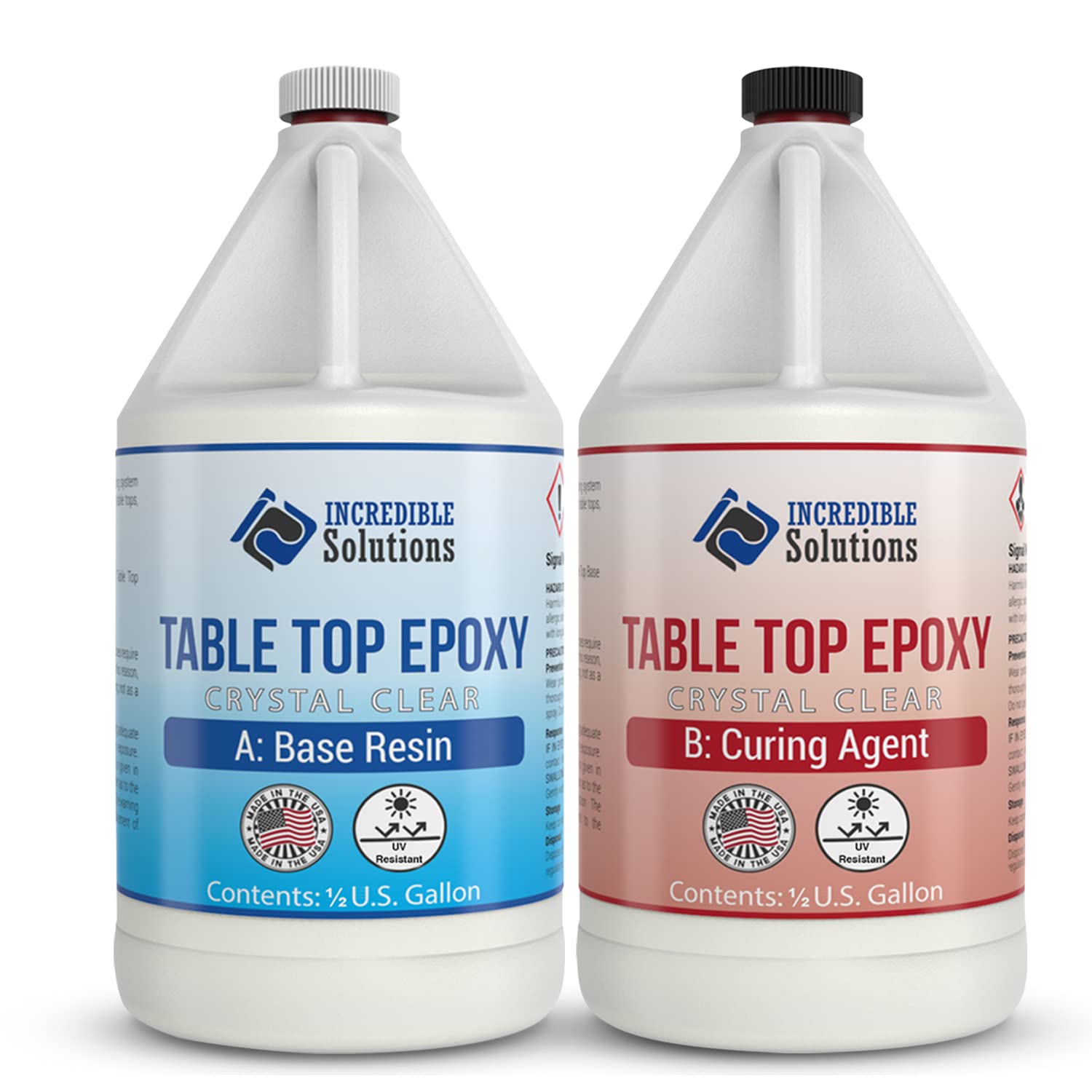
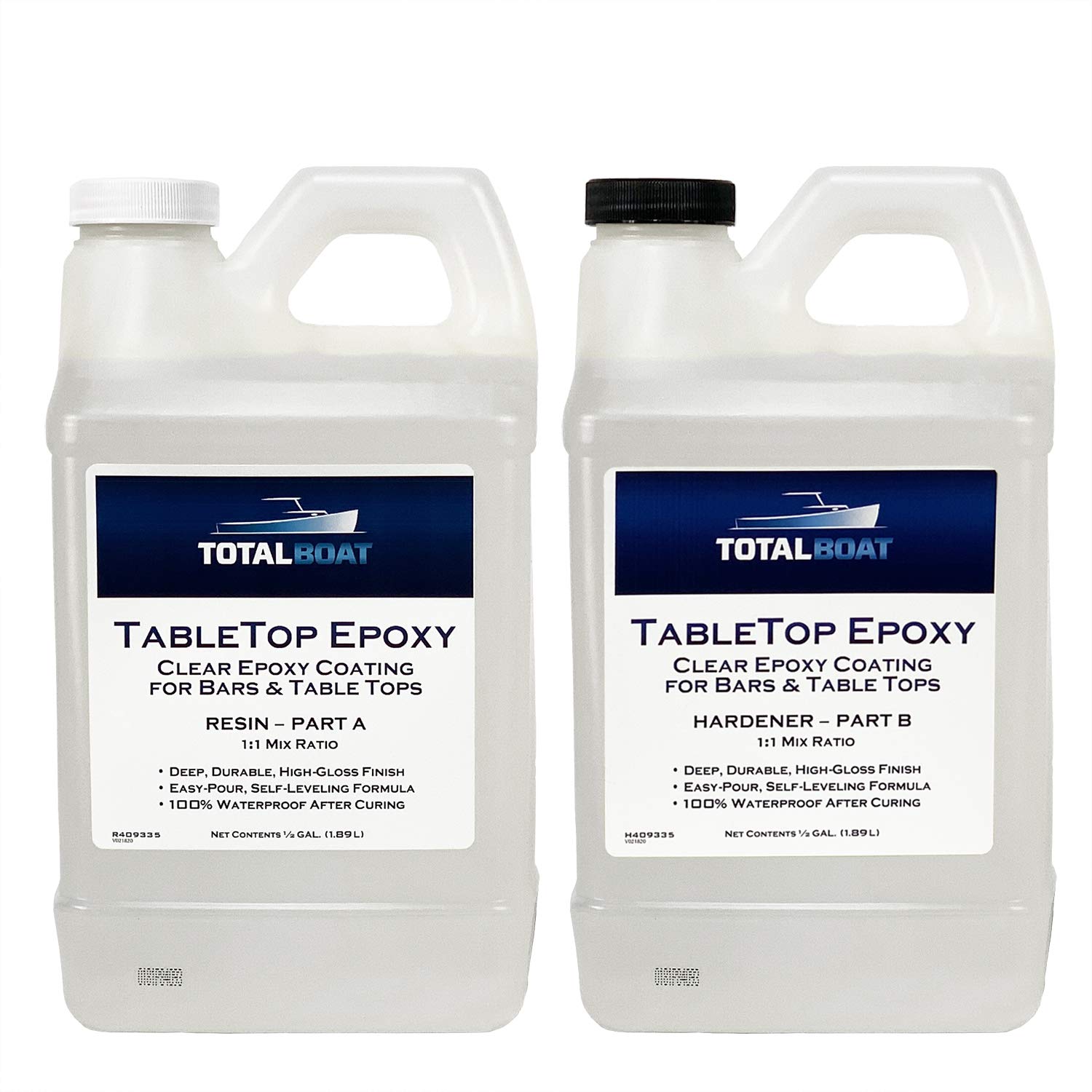

PC Products
PC Products PC-Clear Epoxy Adhesive Paste Kit, Two-Part with Dispensing Gun and 3-Pack of 50ml Cartridges, 75333
See current price


Araldite
Araldite ARA-400005 Translucent Rapid Adhesive Epoxy-Sets in 5mins, 2 x 15ml, Tubes
See current price


Bob Smith Industries
Bob Smith Industries BSI-205 Clear Slow-Cure Epoxy (4.5 oz. Combined)
See current price

J-B Weld
J-B Weld 50176 KwikWeld Steel Reinforced Epoxy Syringe - Dark Grey - 25 ml,Black
See current price


J-B Weld
J-B Weld 50132 PlasticWeld Quick-Setting Epoxy Syringe - Translucent Yellow - 25 ml
See current price
Popular brands in Epoxy Adhesives
Epoxy adhesives are formulated for strong, durable bonds across many materials, including metal, wood, plastics, composites, stone, and ceramics. The right product depends on the surfaces being joined, the working time available, the desired finish, and the conditions the bond will face after curing.
This K-Catalog category brings together epoxy adhesive options for workshop, maintenance, construction, craft, and industrial applications. Use the listed specifications and features to narrow your choices, then check the current product details on Amazon before buying.
How to choose an epoxy adhesive
Start with the materials you need to bond. Some epoxies are designed for general-purpose repairs, while others are formulated for specific surfaces such as metals, plastics, masonry, wood, or fiberglass. A product’s stated surface compatibility is more useful than choosing based only on a general strength claim.
Consider the conditions around the finished bond:
- Load and movement: Rigid epoxy can suit structural-style repairs, while a more flexible formulation may be preferable where parts experience vibration, impact, or expansion.
- Moisture and chemicals: Check whether the adhesive is intended for wet, damp, outdoor, or chemically exposed environments.
- Temperature: Compare the published service-temperature information with the conditions your project will encounter.
- Appearance: Clear, opaque, colored, and repair-paste formulations can produce different finished results.
- Cure schedule: Working time, set time, and full-cure time affect how quickly parts must be positioned and when the assembly can be handled.
Surface preparation is also important. Removing dirt, grease, oxidation, loose coatings, and moisture can improve contact between the adhesive and the materials being joined. Always follow the product’s preparation and curing instructions.
Common epoxy adhesive formats
Epoxy adhesives are available in several application styles. Liquid formulas can spread across prepared surfaces and may be useful where the adhesive needs to flow into a joint. Thicker gels and pastes can help fill gaps or stay in place on vertical surfaces. Putty-style products are shaped by hand and can be useful for rebuilding missing material or repairing irregular areas.
Packaging also affects convenience and consistency. Cartridge systems may support controlled dispensing, while syringes, bottles, tubes, and tubs suit different project sizes and application methods. Some products require separate measuring and mixing, while others are packaged for simpler dispensing. Review the mixing instructions, applicator requirements, and cleanup guidance before selecting a format.
For adjacent options, compare Adhesive Tapes, Cyanoacrylate Adhesives, and Contact Cements when a different application method or cure behavior may be more suitable.
Specifications and features to compare
Product listings can vary considerably, so compare the details that matter for your job rather than relying on the category name alone. Useful specifications include:
- Compatible materials and recommended uses
- Bond strength information and gap-filling capability
- Viscosity, texture, and whether the formula is self-leveling
- Working time, handling time, and full cure requirements
- Resistance to water, solvents, chemicals, impact, or vibration
- Maximum service temperature and indoor or outdoor suitability
- Color, transparency, and whether the cured material can be sanded, drilled, or painted
- Package size, mixing ratio, included applicator, and storage instructions
For a repair that must remain neat, color and finish may matter as much as strength. For production or repeated maintenance work, dispensing consistency, cure time, and package design may be more important.
Brands represented in the catalog
Brands represented in this Epoxy Adhesives catalog include J-B Weld, PC Products, DEVCON, West System, Loctite, Stone Coat Countertops, Gorilla, スリーエム(3M), AQUASEAL, Clearcast 7000, Bob Smith Industries, and Brownells. Their products may serve different applications and use different packaging or formulations, so compare each listing’s specifications rather than treating brand name alone as a substitute for compatibility checks.
This category sits within Adhesives, Sealants & Lubricants. If your project needs flexible joint sealing instead of rigid bonding, Industrial Sealants or Caulk may be more appropriate. Industrial Lubricants address a different maintenance need and are not substitutes for an adhesive.
Application and safety tips
Dry-fit the parts before mixing or dispensing epoxy so alignment can be checked in advance. Protect nearby surfaces, use suitable gloves and eye protection, and provide ventilation as directed by the product label or safety documentation. Avoid touching prepared surfaces after cleaning, since fingerprints can transfer oils to the bonding area.
Apply enough adhesive to cover the intended joint without creating unnecessary squeeze-out. Secure the parts for the recommended set period, and avoid loading the bond until the stated cure process is complete. Store unopened and partly used products according to the manufacturer’s instructions, especially where temperature or moisture can affect shelf life.
Frequently asked questions
What materials can epoxy adhesives bond?
Many epoxy adhesives can bond materials such as metal, wood, plastics, ceramics, stone, and composites, but compatibility varies by formulation. Check the product listing for approved surfaces and preparation requirements.
Are epoxy adhesives waterproof?
Some formulations are designed to resist water or moisture after curing, but not every epoxy is suitable for continuous immersion or outdoor exposure. Compare the product’s stated resistance and service conditions.
How long does epoxy take to cure?
Cure time depends on the formulation, temperature, joint size, and mixing accuracy. Compare working, handling, and full-cure information rather than relying on a general expectation.
Can cured epoxy be sanded or painted?
Some cured epoxies can be sanded, drilled, machined, or painted, while others are intended to remain as a finished surface. Check the product specifications and prepare the cured material as directed.
When should epoxy be used instead of cyanoacrylate adhesive?
Epoxy may be preferable for gap filling, larger repair areas, or applications that need a more substantial cured bond. Cyanoacrylate adhesives may suit fast, close-fitting bonds; compare the requirements of the specific project.