

Cyanoacrylate Adhesives
Compare cyanoacrylate adhesives by formula, viscosity, cure behavior, and application needs. Review product specifications to find an adhesive suited to your materials and workspace.
326 products in catalog
326 results
Filters



Eileen Brennan (Actor), Tim Curry (Actor), Jonathan Lynn (Director) & 0 more Rated: PG Format: Blu-ray
Clue
See current price


Gorilla
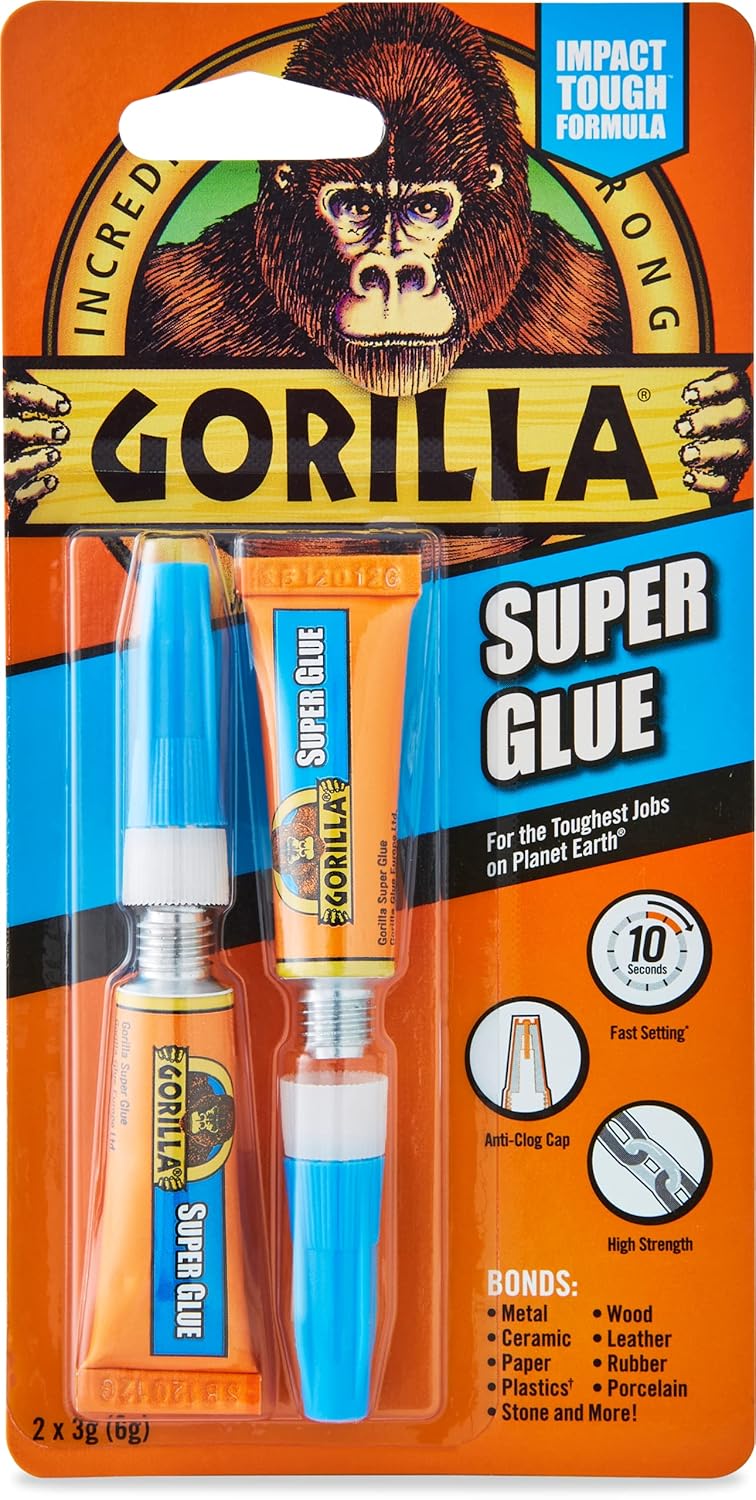
Gorilla Super Glue with Brush & Nozzle Applicator, 12 Gram, Clear, (Pack of 1)
See current price

J-B Weld
J-B Weld Plastic Bonder Black 25ml Syringe - 2 Pack (50139-2), 25 ml - 2 Pack
See current price






Bob Smith Industries
Bob Smith Industries BSI-157H Maxi Cure/Insta-Set Combo Pack (3 oz. Combined),Clear
See current price


Popular brands in Cyanoacrylate Adhesives
Cyanoacrylate adhesives are commonly known as instant adhesives or super glues. They are designed for fast bonding when two clean, closely fitted surfaces are pressed together. This category includes options for detailed repairs, manufacturing tasks, hobby work, assembly, and other industrial applications.
The right choice depends on more than the word “instant.” Surface type, gap size, working time, dispensing method, and exposure to heat or moisture can all affect the result. Use the catalog to compare specifications and features before selecting a product.
How to choose a cyanoacrylate adhesive
Start by identifying the materials you need to join. Cyanoacrylate formulas may be intended for combinations of materials such as metal, plastic, rubber, ceramic, wood, or other rigid surfaces. Always check the product label or technical information for material compatibility, especially when bonding plastics or porous surfaces.
Consider these factors:
- Viscosity: Thin liquids can spread into tight joints and small cracks, while medium or thicker formulas may be easier to control on vertical or uneven surfaces.
- Cure speed: Faster-setting products suit quick assembly, but a little more working time can make alignment easier.
- Gap filling: Standard instant adhesives generally work best when surfaces fit closely. Gap-filling or gel-style products may be more suitable for small irregularities.
- Application area: A precision tip, brush applicator, nozzle, or bottle can make a significant difference when working on small components or larger assemblies.
- Environmental exposure: Review the product information if the bond will face vibration, temperature changes, moisture, chemicals, or outdoor conditions.
Common cyanoacrylate adhesive types
Although this catalog does not divide the category into formal subcategories, product listings can vary considerably in formulation and delivery method.
Thin or low-viscosity adhesives are useful when the adhesive needs to flow into a narrow joint or closely fitted assembly. They require careful dispensing because excess liquid can spread beyond the intended bond area.
Medium-viscosity formulas offer a balance between flow and control. They can be practical for general repairs and assembly where the joint is not perfectly flat but does not require a heavy gel.
Gel and thicker adhesives stay in place more readily and may be easier to apply to vertical surfaces or slightly uneven parts. They can also help reduce unwanted dripping, though the specific gap-filling capability varies by product.
Special-purpose formulations may include products designed for particular materials, improved flexibility, reduced blooming, or use with an activator or primer. Check the full specification before assuming a formula is suitable for a demanding application.
For alternatives that use a different bonding approach, compare Epoxy Adhesives for two-part formulations, Contact Cements for broad-area bonding, or Adhesive Tapes when a removable or cleanly applied fastening method is more appropriate.
Key specifications to compare
Product pages may differ in the technical details they provide, so focus on specifications that match the job:
- Materials supported: Confirm compatibility with every surface in the joint.
- Set and full-cure information: A bond may hold quickly but require additional time before handling or loading.
- Bottle size and packaging: Choose a format that matches expected use and storage needs.
- Color and finish: Clear, black, or other finishes can affect the appearance of visible repairs.
- Temperature and chemical resistance: Important for automotive, workshop, laboratory, and industrial applications.
- Storage requirements: Cyanoacrylate can be sensitive to moisture and may have specific storage guidance after opening.
- Safety information: Review ventilation, eye protection, skin-contact precautions, and first-aid directions on the label.
Brands represented in the catalog
The catalog includes cyanoacrylate adhesive products from Loctite, Gorilla, MITREAPEL, Krazy Glue, Starbond, E6000, Bob Smith Industries, Super Glue, MMOBIEL, Stick Fast, ag adhesive guru, and スリーエム(3M). These brands may offer different viscosities, applicators, package formats, and intended uses, so compare the individual product specifications rather than choosing by brand name alone.
For a broader view of industrial bonding and sealing supplies, browse the parent category, Adhesives, Sealants & Lubricants. Related options include Industrial Sealants when flexibility or environmental sealing is the primary need.
Application and storage tips
Clean, dry, well-fitted surfaces usually provide the most predictable starting point. Remove oil, dust, and loose debris, then test the adhesive on an inconspicuous area when the material or finish is sensitive. Apply a small amount rather than flooding the joint; excess adhesive can increase mess and may not improve the bond.
Protect the cap and nozzle from contamination, and follow the manufacturer’s storage instructions. Keep the product away from children, protect eyes and skin, and provide suitable ventilation. Cyanoacrylate can bond skin quickly, so avoid direct contact and consult the label for safe handling and separation guidance.
Frequently asked questions
What are cyanoacrylate adhesives used for?
They are used for fast bonding of closely fitted parts in repair, craft, assembly, hobby, and industrial applications. Suitable materials and performance depend on the specific formula.
Is a gel cyanoacrylate better than a liquid?
Neither is universally better. Liquid formulas can flow into tight joints, while gel products are often easier to control on vertical or uneven surfaces. Choose based on the joint and application method.
How quickly do cyanoacrylate adhesives cure?
Cure speed varies with the formula, materials, surface fit, temperature, humidity, and whether an activator is used. Check the product specifications for handling and full-cure guidance.
Can cyanoacrylate fill large gaps?
Most standard instant adhesives perform best on close-fitting surfaces. If the joint has a noticeable gap, look for a product specifically described as gap-filling or consider another adhesive type.
How should cyanoacrylate adhesive be stored?
Follow the package instructions, keep the container tightly closed, and protect it from moisture and unsuitable temperatures. Clean the nozzle and cap carefully to help prevent blockage.
When should another adhesive be considered?
Compare epoxy, contact cement, tape, or industrial sealant when the project needs substantial gap filling, flexibility, broad-area coverage, repositioning time, or a specific environmental resistance. لینک