
Gorilla
Gorilla Tape, Mini Duct Tape To-Go, 1" x 10 yd Travel Size, Black, (Pack of 1)
See current price

Compare adhesive tapes by backing material, adhesive type, holding strength, and intended use. Review product specifications and features to narrow down options for industrial, repair, mounting, and organization tasks.
909 products in catalog
909 results
Gorilla
See current price





Command
See current price


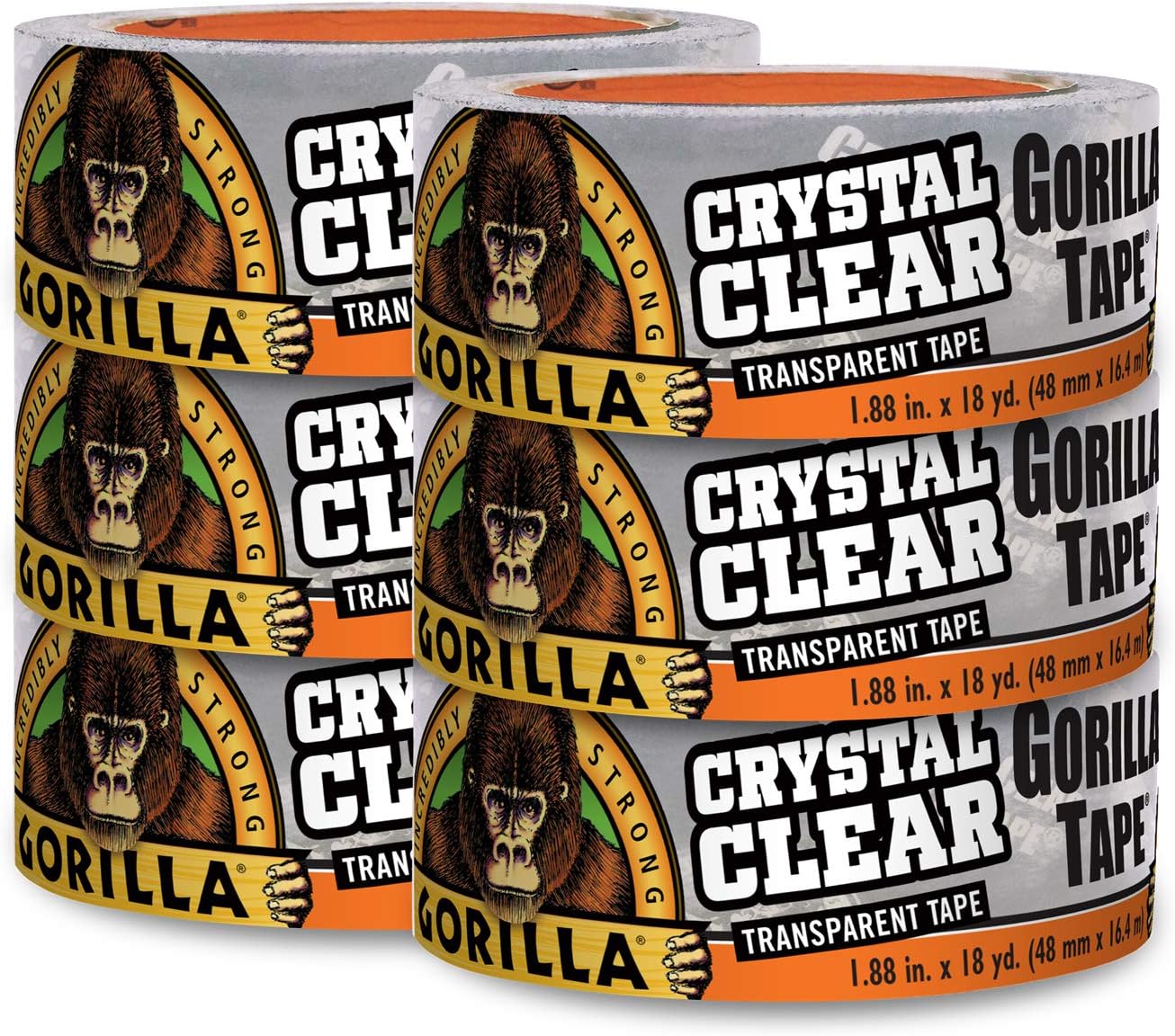


スリーエム(3M)
See current price
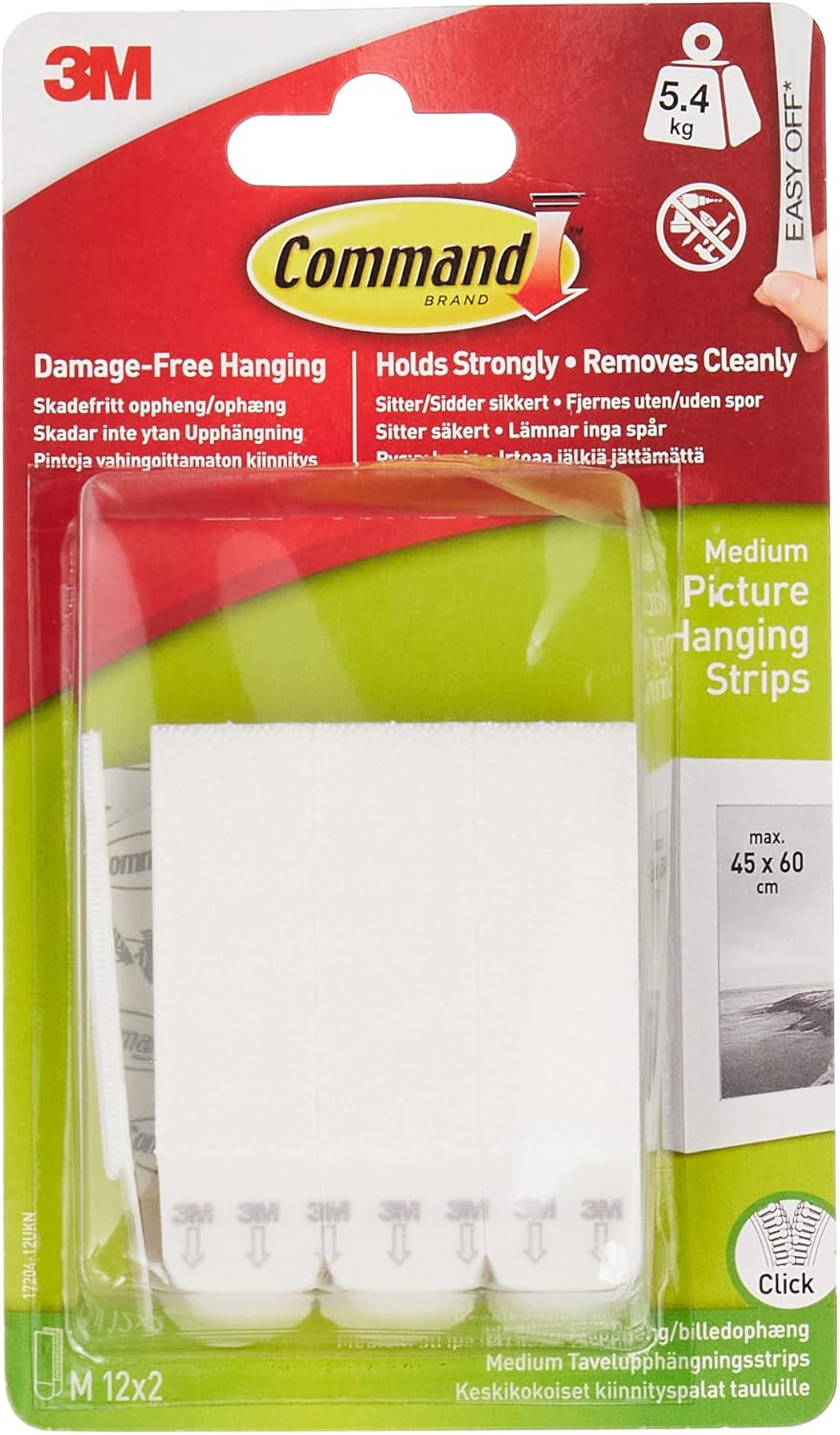
Command
See current price


Shurtape Technologies
See current price


Adhesive tape can provide a clean, convenient way to join, mount, bundle, seal, protect, or mark materials. The right choice depends on the surfaces involved, the conditions around the bond, and whether the tape needs to hold permanently or be removed later.
This K-Catalog selection includes products for industrial work, maintenance, shipping, repairs, mounting, and general organization. Compare the specifications carefully, since tapes that look similar can perform very differently in practice.
Start by identifying the job and the materials being joined. A tape intended for temporary mounting may not be suitable for long-term bonding, while a heavy-duty repair tape may be unnecessary for lightweight organization.
Consider these factors before choosing:
For broader product research, browse the parent category of Adhesives, Sealants & Lubricants.
Adhesive tapes are available in formats suited to different tasks. Understanding the main types can make specification comparisons easier.
Double-sided and mounting tapes are designed to attach one surface to another without leaving visible fasteners. They may be useful for signs, trim, displays, organization, and lightweight fixtures. Check the recommended load, surface preparation requirements, removability, and whether the tape is intended for indoor or outdoor use.
Duct-style and repair tapes typically prioritize versatility, conformability, and quick application. They can be useful for temporary repairs, bundling, reinforcement, and protection. Compare the backing strength, tearability, water resistance, and ability to adhere to uneven surfaces.
Packaging tape is generally selected for closing cartons, securing packages, and maintaining a reliable seal during handling. Important specifications include adhesive consistency, backing durability, clarity or color, roll dimensions, and compatibility with a hand dispenser.
Hook-and-loop tape supports removable attachment and repeated access. It can help organize cables, secure equipment, or create adjustable closures. Compare the hook-and-loop format, adhesive backing, surface compatibility, and expected load for the intended application.
Specialty tapes may be designed for insulation, masking, sealing, protection, splicing, or high-performance bonding. Read the product description for the intended industry, substrate, temperature range, and exposure conditions rather than selecting based on appearance alone.
Product pages may describe adhesive tapes using several technical terms. The most useful specifications depend on the application, but shoppers should pay close attention to:
The catalog includes adhesive tape products from brands such as スリーエム(3M), Command, Duck, Gorilla, VELCRO Brand, Scotch, XFasten, LLPT, Flex Tape, Pro Tapes, Lockport, and AmazonCommercial. These brands may cover different tape formats and use cases, so compare the specifications of individual products rather than relying on brand name alone.
If a tape is not the best fit for the job, related categories may be more appropriate. Consider Cyanoacrylate Adhesives for fast-setting liquid bonding, Epoxy Adhesives for two-part adhesive applications, or Industrial Sealants when the primary need is sealing a joint or gap.
Clean, dry surfaces usually provide a better starting point than dusty, oily, wet, or heavily contaminated ones. Follow the product’s instructions for surface preparation, pressure, curing or dwell time, and removal. Test an inconspicuous area when working with painted, finished, delicate, or unfamiliar materials.
Store rolls in their original packaging and protect them from excessive heat, moisture, dirt, and direct sunlight. Keep the adhesive edge covered when possible, and use a suitable dispenser for clean, consistent application. For safety-sensitive or load-bearing work, verify the manufacturer’s stated limitations and use additional mechanical support when appropriate.
No. A high-strength tape may be difficult to remove or unsuitable for delicate surfaces. Choose strength and permanence based on the materials, load, and expected service conditions.
Some products are designed for outdoor exposure, while others may deteriorate from moisture, sunlight, or temperature changes. Check the product specifications for outdoor suitability and weather resistance.
Prepare a clean, dry surface, apply the tape evenly, and follow the recommended pressure and dwell time. Surface texture, contamination, temperature, and material compatibility can all affect performance.
Single-sided tape exposes adhesive on one side and is often used for sealing, repair, marking, or protection. Double-sided tape bonds two surfaces together while keeping the tape concealed between them.
Match the width and length to the area being covered, the required holding surface, and the available dispenser. Also check thickness and core compatibility if the tape will be used with equipment.
Use another category when the task requires a liquid, two-part, gap-filling, or dedicated sealing product. Compare Caulk or Contact Cements when those properties better match the application.