

Industrial Sealants
Compare industrial sealants by chemistry, cure method, surface compatibility, and service conditions. Use product specifications and features to narrow the options for maintenance, assembly, plumbing, and industrial repair work.
91 products in catalog
91 results
Filters

Refrigeration Technologies
Refrigeration Technologies RT201B Nylog Gasket/Thread Sealant, 30 ml (1 Pack)
See current price


Supply Giant
Supply Giant I34-5 PTFE Thread Seal Tape for Plumbers, White 3/4 Inch x 260 Inch (Pack of 5 Rolls), 5 Count
See current price

Supply Giant
Supply Giant I33-10 PTFE Thread Seal Tape for Plumbers, White 1/2 Inch x 520 Inch (Pack of 10 Rolls), 10 Count
See current price


Mill-Rose
Mill-Rose 70885 Blue Monster PTFE Pipe Thread Sealant Tape, 1/2-Inch x 1429-Inches, Blue
See current price
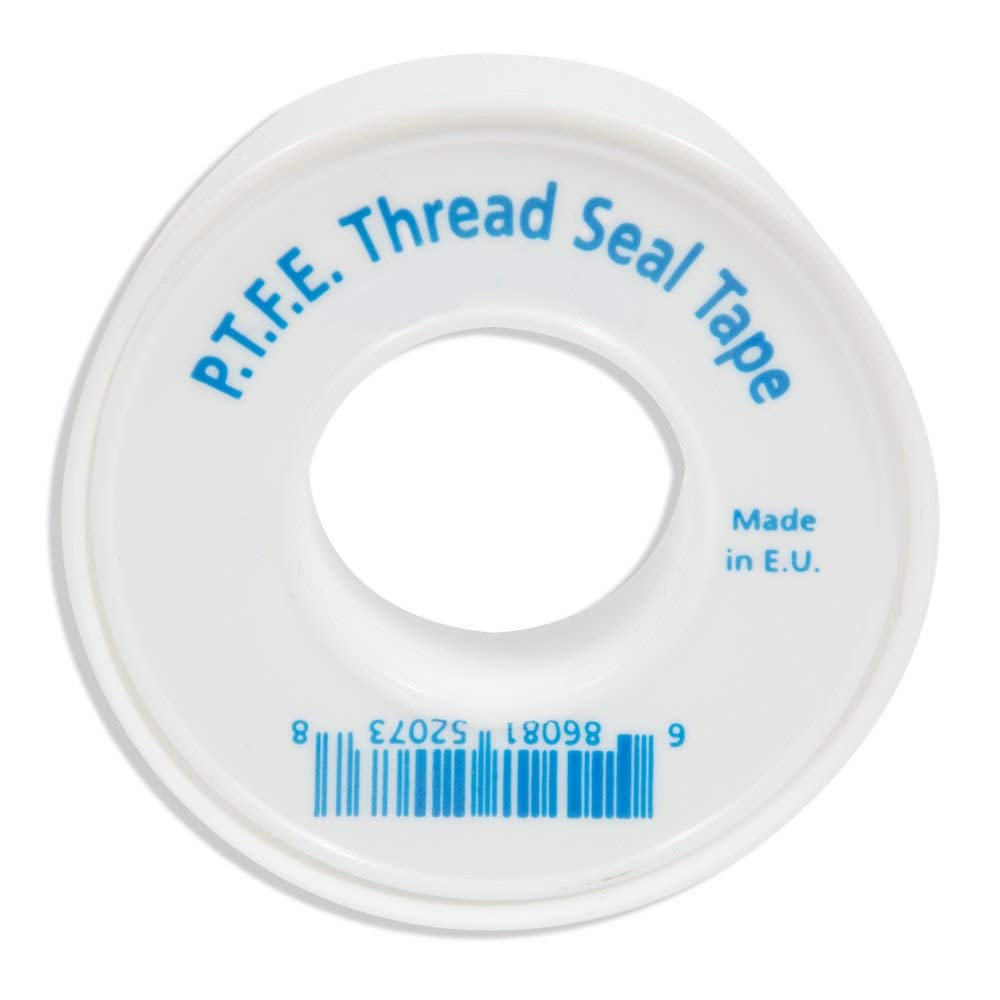
Gasoila
Gasoila - 1901C Virgin PTFE Low Density Thread Seal Tape, 260" Length, 1/2" Width
See current price

Vanguard Sealants
PTFE Plumbers Water Sealant Thread Tape 460" Length 1/2" Width White by Vanguard Sealants Perfect for Shower Heads and Pipe Threads
See current price

Momentive Performance Materials
Momentive Performance Materials GE284 2.8-Ounce Silicone II Premium Waterproof Kitchen and Bath Squeeze Tube, Clear
See current price


スリーエム(3M)
3M Marine Adhesive Sealant 4000 UV, PN06580, White, 295 mL Cartridge, 10 Fl Oz (Pack of 1)
See current price


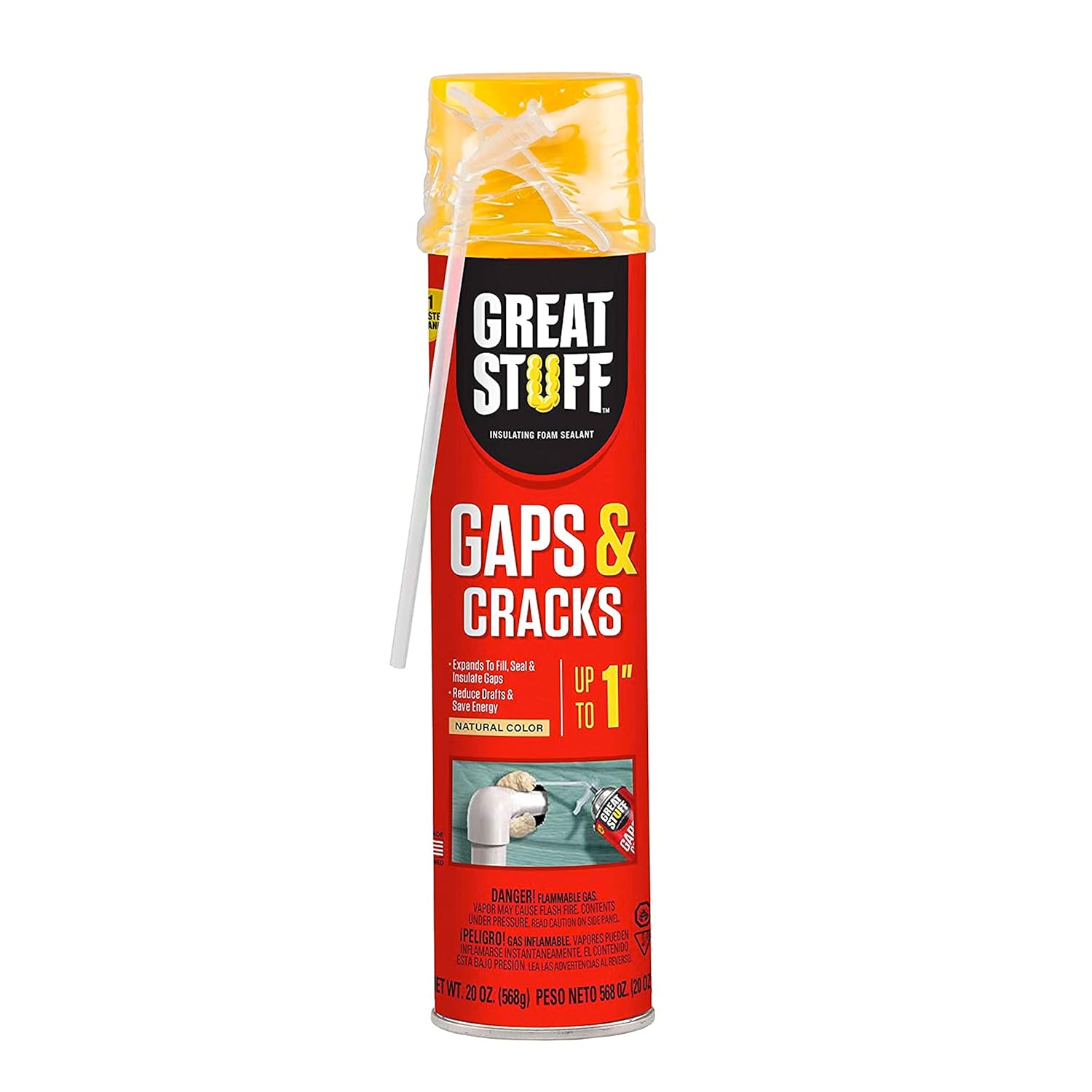
Great Stuff
Great Stuff 11000714 Stuff Pestblock 12 oz Insulating Foam Sealant, 1 12 Ounce, Grey
See current price




Popular brands in Industrial Sealants
Industrial sealants help close gaps, protect joints, prevent leaks, and create flexible or rigid barriers between mating surfaces. The right choice depends on the materials being joined, the type of exposure expected, and whether the seal must remain flexible, resist vibration, tolerate heat, or withstand contact with chemicals.
This K-Catalog category brings together industrial sealing products for comparison by specifications and features. Review the product information carefully, then follow through to Amazon to check the current availability and purchase details.
How to choose an industrial sealant
Start with the joint and the environment rather than choosing by brand alone. A sealant intended for a threaded connection may not be suitable for a wide construction joint, while a flexible weather seal may not provide the properties needed for a high-temperature mechanical assembly.
Consider these questions before comparing products:
- What surfaces are involved? Metal, glass, ceramic, masonry, plastic, rubber, and painted surfaces can have different adhesion requirements.
- Is the joint moving? Flexible sealants are generally more appropriate where vibration, expansion, contraction, or movement is expected.
- What will the seal encounter? Check resistance to moisture, oils, fuels, solvents, outdoor exposure, temperature changes, and other chemicals relevant to the application.
- How must it cure? Cure time, skin formation, and the need for moisture, air, heat, or mixing can affect installation and downtime.
- What application method is practical? Cartridge, tube, brush-on, nozzle-applied, or thread-sealing formats may suit different work areas and tools.
Common industrial sealant types
Industrial sealants vary substantially in chemistry and intended use. Silicone products are often considered where flexibility, weather exposure, and temperature changes matter. Polyurethane formulations may be chosen for durable bonding and joint sealing, particularly where movement or abrasion is a concern. Anaerobic products are designed for certain close-fitting threaded or metal assemblies and cure in conditions where air is excluded.
Pipe thread sealants and gasket-making compounds serve more specialized purposes. They should be selected according to the thread material, fluid or gas involved, pressure conditions, and whether later disassembly is required. Some sealants are intended for formed-in-place gaskets, while others are made to seal threaded fittings or smaller gaps.
For adjacent product categories, compare Caulk for general gap and joint sealing, Epoxy Adhesives for rigid two-part bonding, and Cyanoacrylate Adhesives for fast-setting adhesive applications. Adhesive Tapes may be more practical when a clean, controlled strip application is preferred.
Specifications and features to compare
Product pages may differ in the amount of technical information provided, so focus on the specifications most relevant to the job:
- Sealant chemistry: This affects flexibility, adhesion, cure behavior, and resistance properties.
- Color and finish: Match the appearance when the seal will remain visible, or select a product suitable for later painting if that is supported by its specifications.
- Cure and working time: A longer working time can help with complex installation, while faster curing may reduce waiting between steps.
- Temperature range: Compare both application and service temperature information rather than assuming all-purpose performance.
- Surface preparation: Determine whether cleaning, priming, drying, abrading, or masking is recommended.
- Container and applicator format: Consider the amount needed, access to the joint, nozzle control, and storage after opening.
- Compatibility limitations: Check whether the product is suitable for plastics, metals, porous materials, painted surfaces, or contact with particular fluids.
Brands represented in the catalog
Brands represented in this category include DAP, Loctite, Rectorseal, Great Stuff, SIKA, Supply Giant, Mill-Rose, Gasoila, GEAR AID, D.N. Group Enterprise Inc., Leak Stopper, and Red Devil. They cover a range of sealing applications and product formats. Treat brand familiarity as a starting point, then compare the individual product’s chemistry, intended use, curing conditions, and compatibility information.
If the project involves lubrication rather than gap sealing, Industrial Lubricants is a more relevant category. For broad product discovery across this area, browse Adhesives, Sealants & Lubricants.
Application and handling tips
Clean, dry, contaminant-free surfaces are important for reliable adhesion. Remove oil, dust, loose coatings, and old sealant as directed by the product documentation. Apply a consistent bead without trapping air, and tool the joint when the manufacturer’s instructions allow it. Masking can help produce a cleaner edge.
Pay attention to ventilation, skin protection, eye protection, and the recommended storage conditions. Allow the sealant to cure for the specified period before exposing the joint to pressure, water, movement, or service loads. For plumbing, fuel, gas, or pressurized systems, confirm that the product is specifically intended for that use and follow applicable installation requirements.
Frequently asked questions
What is the difference between an industrial sealant and an adhesive?
A sealant primarily closes gaps and blocks the passage of air, water, dust, or fluids. An adhesive is generally selected to create a bond between surfaces, although some products provide both sealing and bonding properties.
How do I choose between flexible and rigid sealing products?
Choose based on joint movement and the desired result. Flexible products are typically more suitable for vibration, expansion, or changing temperatures, while rigid products may suit stable assemblies where movement is minimal.
Can one industrial sealant be used on every material?
No. Adhesion and chemical compatibility vary by surface. Check the product specifications for the exact materials involved and follow any primer or preparation instructions.
How important is cure time?
Cure time affects when the joint can be handled or placed into service. Compare working time, skin time, and full-cure guidance so the product fits the installation schedule.
Should old sealant be removed before applying a new bead?
Usually, loose or failed material should be removed and the surface cleaned before reapplication. Compatibility between the old and new products should also be checked.