
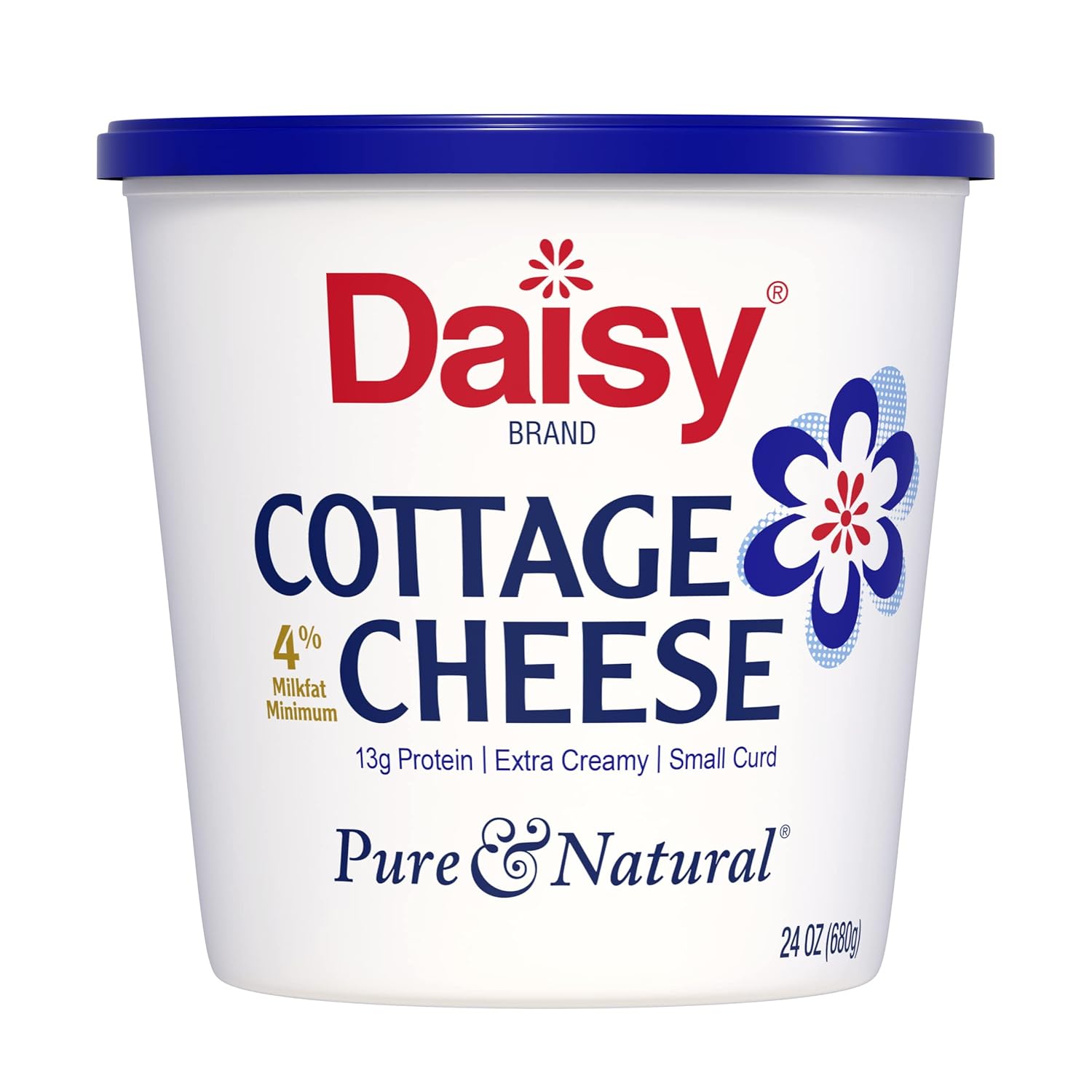
Cottage Cheese: Compare Types and Features
Compare cottage cheese products by texture, ingredients, nutrition information, packaging, and intended use. Use the catalog to narrow your options, then check product details on Amazon.
63 products in catalog
63 results
Filters

365 By Whole Foods Market
365 by Whole Foods Market, Cheese Cottage Organic Organic, 16 Ounce
See current price
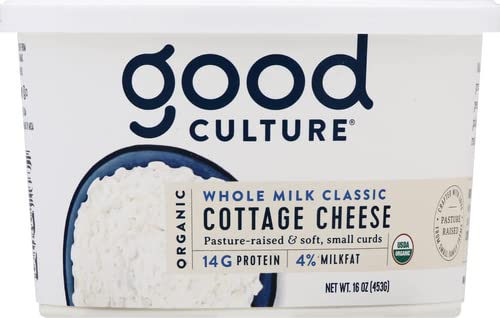

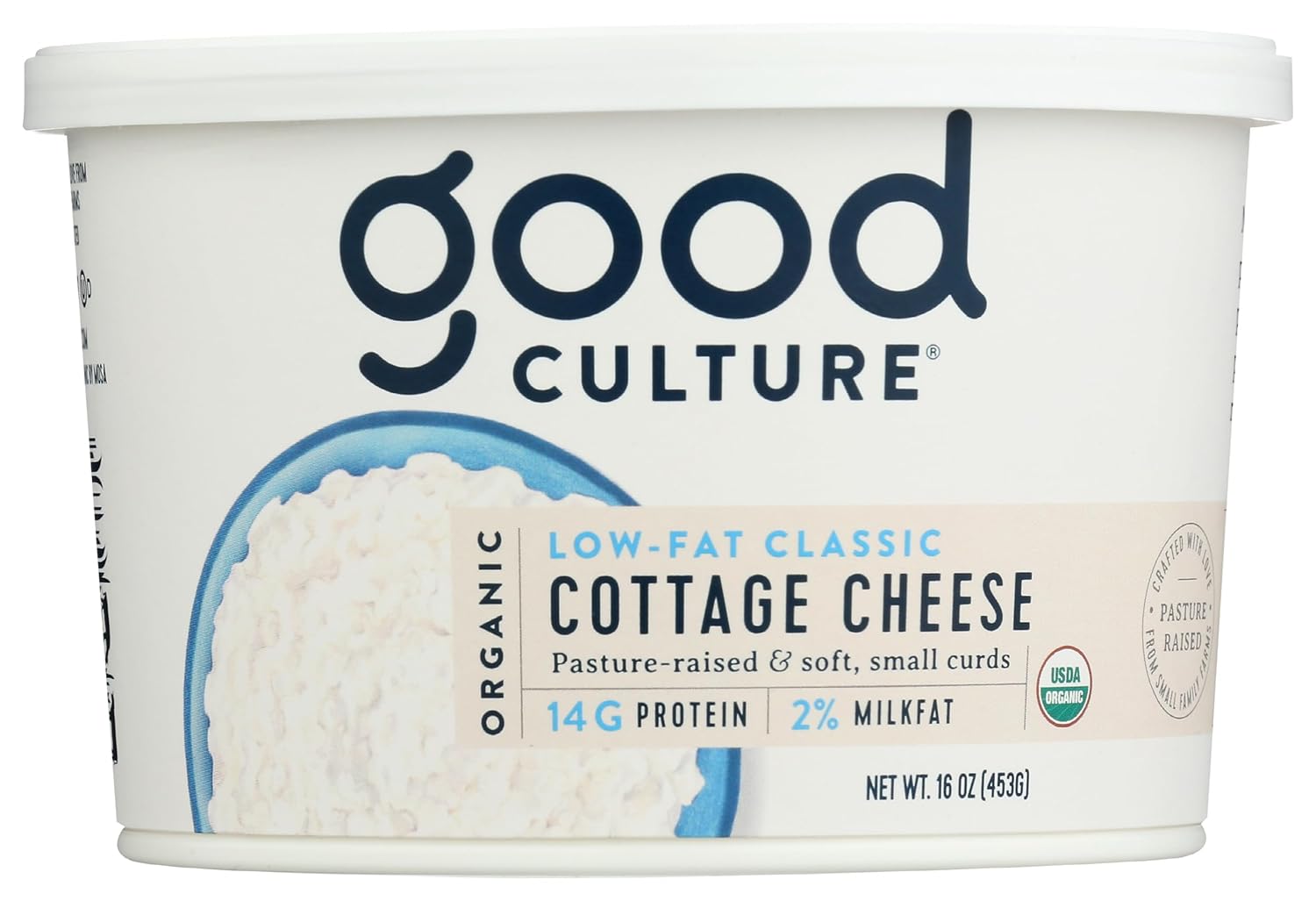
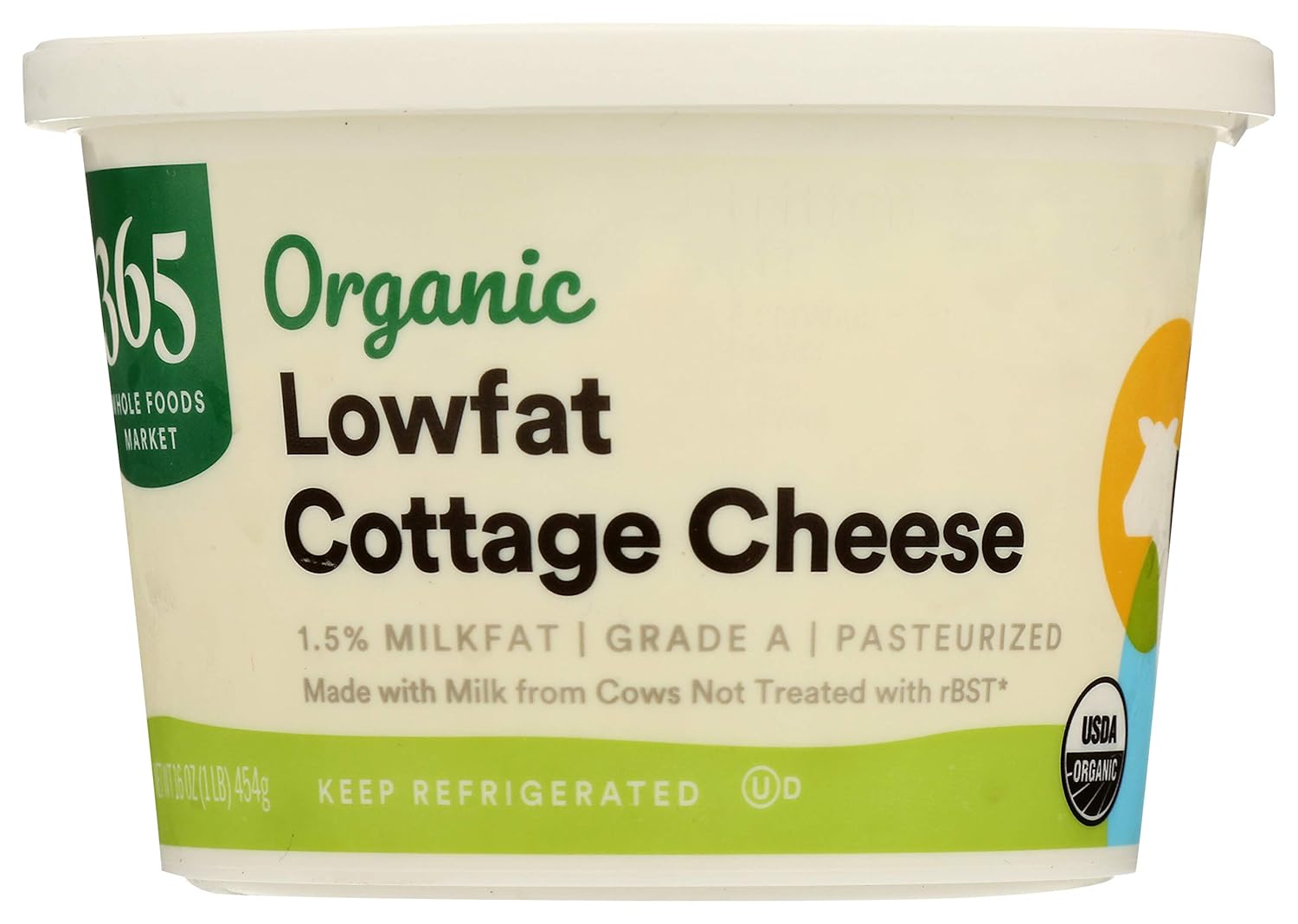
365 By Whole Foods Market
365 by Whole Foods Market, Cottage Cheese Low Fat Organic, 16 Ounce
See current price

Saputo Dairy Foods
Amazon Brand - Happy Belly 4% Cottage Cheese, Small Curd, Kosher, 16 Ounce
See current price

Saputo Dairy Foods
Amazon Brand - Happy Belly 2% Cottage Cheese, Low Fat, Small Curd, Kosher, 16 Ounce
See current price


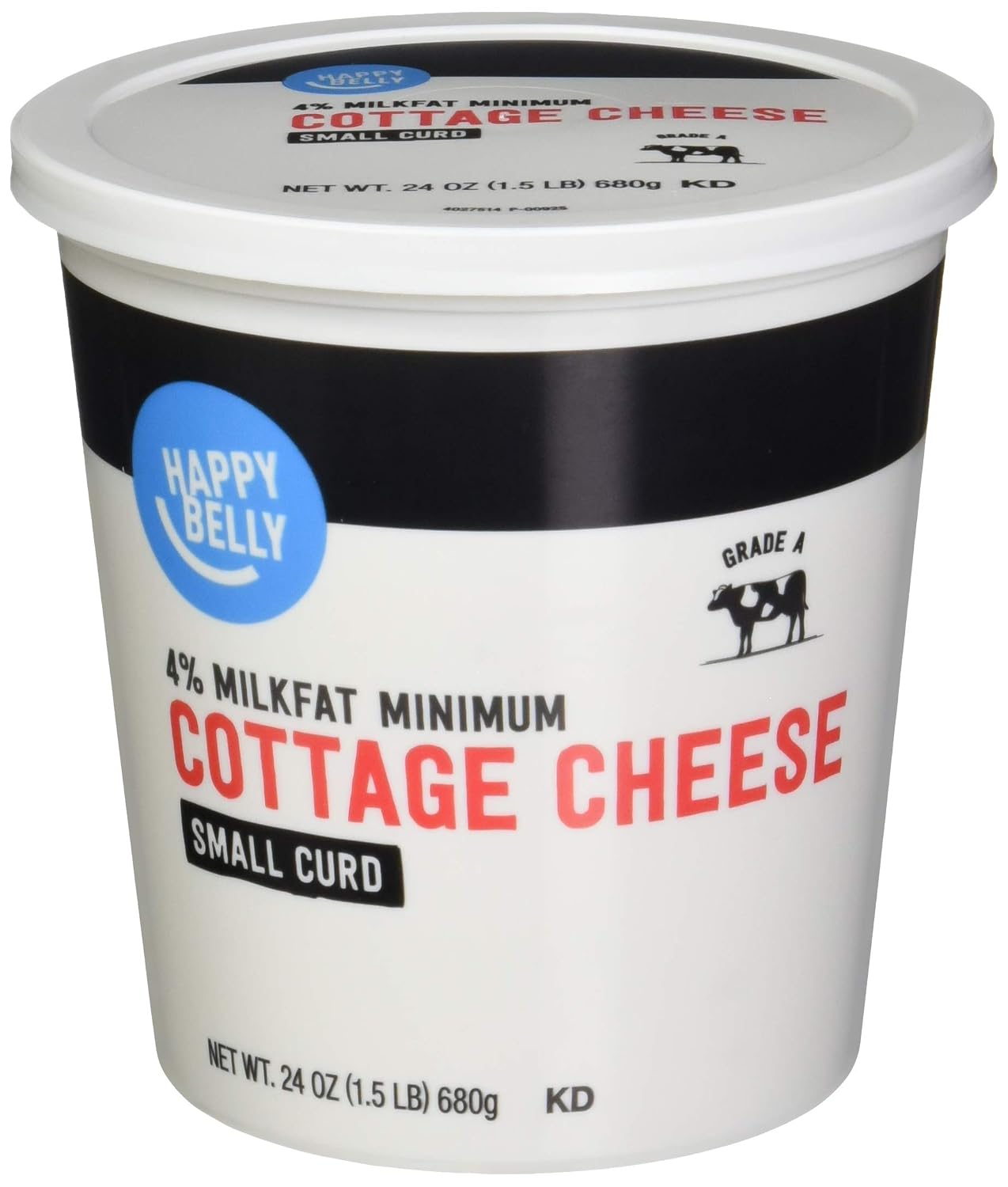
Saputo Dairy Foods
Amazon Brand - Happy Belly 4% Cottage Cheese, Small Curd, Kosher, 24 Ounce
See current price

Saputo Dairy Foods
Amazon Brand - Happy Belly 2% Cottage Cheese, Small Curd, Kosher, 24 Ounce
See current price


Saputo Dairy Foods
Amazon Brand - Happy Belly Fat Free Cottage Cheese, Kosher, 16 Ounce
See current price


GREEN VALLEY CREAMERY
GREEN VALLEY CREAMERY Organic Lactose Free Cottage Cheese, 12 OZ
See current price


Saputo Dairy Foods
Amazon Brand - Happy Belly 4% Cottage Cheese, Large Curd, Kosher, 16 Ounce
See current price


Popular brands in Cottage Cheese
Cottage cheese can work as a quick snack, breakfast ingredient, recipe component, or savory topping. The products in this category may differ in curd size, creaminess, fat content, ingredients, and packaging, so comparing labels is useful when several options look similar.
K-Catalog helps shoppers compare product specifications and features across cottage cheese listings. Consider how you plan to serve it first, then focus on the details that matter for taste, texture, dietary preferences, and storage.
How to choose cottage cheese
Start with the eating experience you want. A creamier product may be better for eating on its own or adding to toast, while a firmer curd can suit salads, bowls, or recipes where you want more texture. If you are blending cottage cheese into a dip, sauce, or smoothie, a smooth consistency may be more convenient than distinct curds.
Also consider how often you will use it and where it will be stored. Packaging can affect serving convenience, refrigerator space, and how quickly the product should be used after opening. Compare the package information and storage instructions rather than choosing by container appearance alone.
Types and uses to compare
Cottage cheese is commonly distinguished by its curd texture and richness. Product descriptions may emphasize small or larger curds, a creamy texture, or a particular fat level. These distinctions can affect how the product tastes and performs in recipes.
- For breakfast and snacks: Look for a texture you enjoy eating plain or with fruit, vegetables, seeds, or other toppings.
- For cooking: Consider whether the curds should remain visible or whether a creamier product will mix more easily into a recipe.
- For dips and spreads: A smooth or blend-friendly consistency can reduce preparation work.
- For dietary preferences: Review the full ingredient list and nutrition panel for fat, protein, sodium, sugars, and serving information.
Cottage cheese is part of the broader Dairy, Eggs & Plant-Based Alternatives section. Shoppers comparing different types of cheese can also browse Cheese for products with other textures and uses.
Key features and specifications
The most useful comparison points are usually found on the product label or listing details:
- Curd size and texture: This is one of the clearest differences between products and can determine whether the cottage cheese feels chunky, soft, or creamy.
- Fat content: Compare the stated fat level with your own preferences and how you plan to use the product.
- Ingredient list: Check for milk ingredients, cream, stabilizers, cultures, sweeteners, and any flavor additions that may matter to your diet.
- Nutrition information: Look at serving size, protein, sodium, carbohydrates, sugars, and other values as part of the overall label.
- Flavor: Plain cottage cheese is adaptable, while flavored varieties may be designed for a more specific snack or meal use.
- Package format: A resealable tub may be convenient for repeated use, while individual packaging can make portions easier to manage.
- Storage requirements: Confirm refrigeration instructions, handling guidance, and use-by information on the current product listing and package.
If cottage cheese is being used in a recipe, check whether the recipe assumes a thick, creamy, or more liquid consistency. Texture can affect mixing, spreading, and the final result.
Brands in the catalog
The catalog includes cottage cheese listings from Good Culture, HP HOOD, Saputo Dairy Foods, KraftHeinz, DAJD3, Clover, Darigold, Kraft-Heinz, Saputo, Friendship Dairy, Kalona Super Natural, and Horizon Organic. These brands are represented in the category for comparison; shoppers should evaluate each individual product by its current ingredients, nutrition panel, package details, and storage instructions rather than relying on the brand name alone.
When comparing products from the same brand or related brand names, pay attention to the specific product description and label. Differences in texture, formulation, flavor, and package format can matter more than a familiar name.
Related grocery categories
If cottage cheese is one part of a larger grocery order, related categories may help you compare alternatives or complementary products. Browse Dairy & Plant-Based Yogurt for yogurt-style options, Milk & Cream for other refrigerated dairy ingredients, or Plant-Based Milk when looking for non-dairy beverage options.
For breakfast planning, Eggs & Egg Substitutes can provide another category to compare alongside cottage cheese. Product availability and specifications can change, so review the current listing before selecting an item.
Tips for storage and use
Keep cottage cheese refrigerated according to the package directions, and use clean utensils when serving. After opening, close the container securely and follow the manufacturer’s guidance for handling and freshness. If the product develops an unusual odor, appearance, or texture, do not use it.
For meal preparation, portion only what you need and return the rest to refrigeration promptly. If you are cooking for someone with allergies or dietary restrictions, read the current ingredient and allergen information every time, since formulations and packaging details may change.
Frequently asked questions
What should I compare when buying cottage cheese?
Compare curd texture, fat level, ingredients, nutrition information, flavor, package format, and storage instructions. Your intended use should guide which features matter most.
Is cottage cheese suitable for recipes?
Yes, it can be used in snacks, dips, fillings, sauces, baked dishes, and other recipes. Choose a texture that matches the preparation, or blend it when a smoother consistency is needed.
How do small and larger curds differ?
Curd size changes the eating texture. Smaller curds may feel more uniform, while larger curds can provide a more noticeable bite. Check the product description for the stated texture.
Should I choose plain or flavored cottage cheese?
Plain cottage cheese is generally more flexible for sweet or savory uses. A flavored option may be convenient when you want to eat it as packaged, but review its ingredients and nutrition information.
How should cottage cheese be stored?
Follow the refrigeration and handling directions on the package. Keep it sealed after opening and use the manufacturer’s freshness guidance for the specific product.
Where can I check current product details?
Review the individual catalog listing and then visit Amazon to check the current product information before buying.