

Cutting Burrs for Material Removal and Finishing
Compare cutting burrs by shape, cutting material, shank size, and intended workpiece. This guide explains the features that matter for trimming, shaping, deburring, and finishing.
79 products in catalog
79 results
Filters


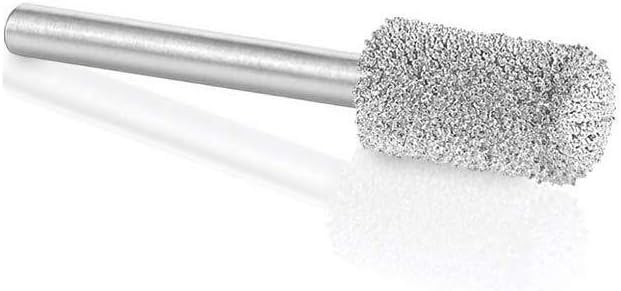


Tungsten technology inc
Carbide Burr Set 8pcs JESTUOUS 1/4 Inch Shank Diameter Double Cut Rotary Files Metal Grinding Polishing Carving Tool Drill Bits for Die Grinder Kits
See current price


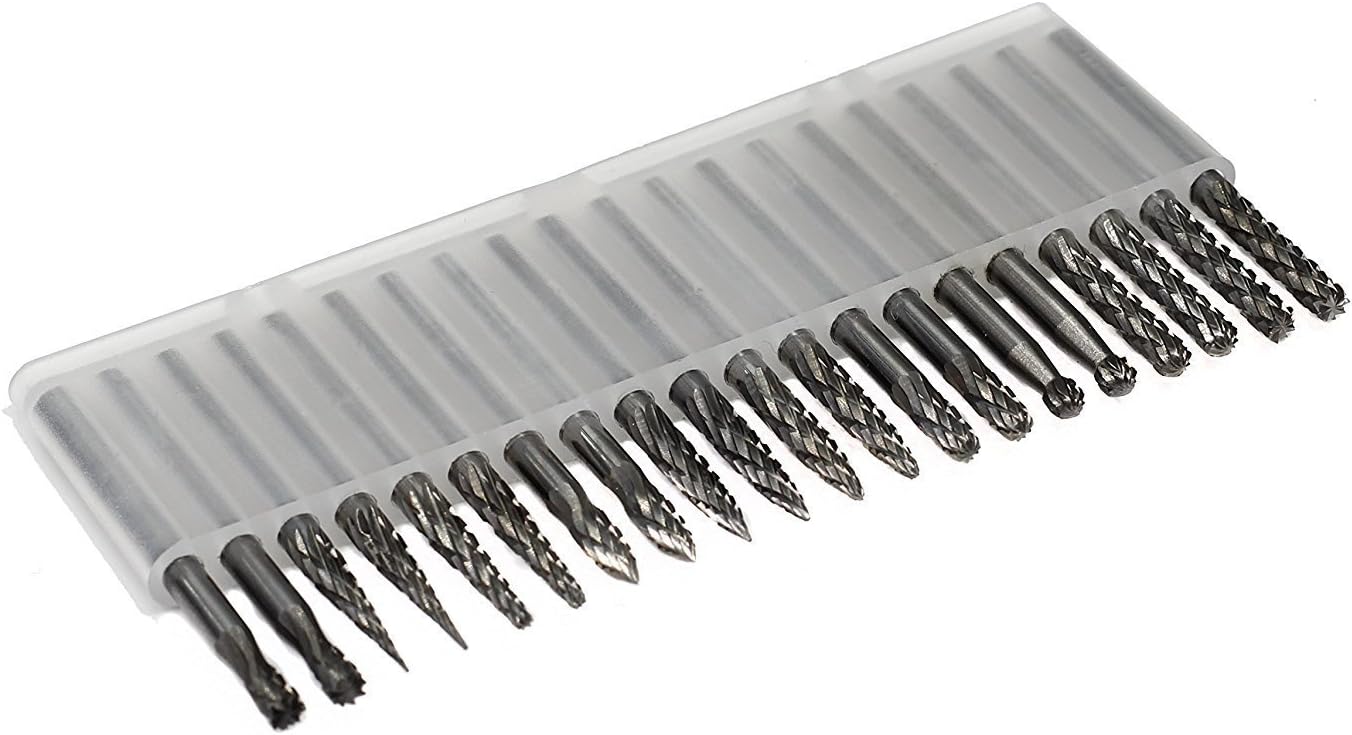
Tungsten technology inc
Carbide Burrs Set JESTUOUS 1/8 Shank Diameter Double Cut Tungsten Carbide Burs Rotary File Carving Grinding Bit for Die Grinder Rotary Drill Tool 20pcs
See current price


Popular brands in Cutting Burrs
Cutting burrs are rotary cutting tools used to remove material, refine edges, enlarge openings, and shape surfaces. The right burr depends on the workpiece, the amount of material to remove, the tool holding it, and the finish you want to achieve.
K-Catalog helps shoppers compare cutting burr specifications and features before visiting Amazon for the latest product information. Use the guidance below to narrow the options that suit your rotary tool, die grinder, or other compatible equipment.
How to choose cutting burrs
Start with the material being worked. Cutting burrs may be selected for metals, plastics, wood, composites, or other materials, but a design that performs well on one workpiece may be unsuitable for another. Check the product description for the intended material and application rather than choosing by appearance alone.
The shape and cutting profile also affect control. A cylindrical burr can help with straight grooves and flat areas, while rounded, pointed, conical, or flame-shaped profiles can reach contours, corners, and recessed areas. If the job includes several shapes, a set may provide more flexibility than a single profile.
Consider the amount of stock to remove. Coarser cutting geometry can be useful for faster rough shaping, while finer teeth may offer more control during detail work and finishing. Match the burr to the capabilities of the power tool and follow the manufacturer’s operating guidance.
Burr types and applications
Because this category does not use separate catalog subcategories, compare individual products by their profiles and specifications. Common forms include:
- Cylindrical burrs: Useful for flattening, slotting, and working along relatively straight surfaces.
- Ball or rounded burrs: Suitable for concave areas, blending, and creating rounded recesses.
- Cone and pointed burrs: Helpful for narrow spaces, angled surfaces, and detailed material removal.
- Flame and oval profiles: Designed for curved transitions, contours, and controlled edge work.
- Burr sets: Practical when a project requires multiple shapes or when the preferred profile is not yet known.
Cutting burrs are one part of a broader tooling setup. Shoppers comparing adjacent options may also want to review deburring cutters for edge-focused work, industrial drill bits for hole-making, or milling accessories for compatible milling tasks.
Key specifications to compare
Pay close attention to the following details on each product page:
- Cutting material: Carbide, high-speed steel, diamond-coated, and other constructions can differ in durability, cutting behavior, and suitable workpieces. Select the material specified for your application.
- Head shape and dimensions: Compare the cutting head’s diameter, length, and profile with the space available and the desired level of control.
- Shank size: The shank must fit the collet, chuck, or tool holder. Compatibility is essential for secure operation.
- Tooth or flute design: Tooth spacing and geometry influence how aggressively the burr cuts and how easily it clears removed material.
- Overall length: A longer tool may improve access to recessed areas, but a compact tool can provide better control in tight work.
- Set contents: For multipiece sets, confirm the included profiles, sizes, storage case, and any stated compatibility information.
Avoid selecting solely by the largest cutting head or longest reach. A burr that fits the tool and gives adequate access is generally easier to control than one chosen without regard to the workpiece or holder.
Brands represented in the catalog
The Cutting Burrs catalog includes products from Kutzall, YUFUTOL, Asieg Tool, ALLmuis, TaitaTools, SPTA, Oudtinx, SE, OA-BRES, Tungsten technology inc, YEEZUGO, and tiantac. These brands are represented across the available catalog options; compare their individual product descriptions, materials, dimensions, profiles, and included accessories rather than treating brand presence as a recommendation.
Safe and effective use
Use eye protection and follow the tool manufacturer’s instructions for speed, attachment, and operating technique. Secure the workpiece before cutting, keep hands away from the rotating head, and inspect the burr for damage before use.
Let the tool do the cutting instead of forcing it into the material. Excessive pressure can reduce control and may increase heat or wear. Clear chips appropriately, allow the tool to cool when needed, and store burrs so their cutting edges do not contact other tools. For a complete cutting setup, related cutting tool coolants may be relevant where the tool and workpiece manufacturer permits their use.
If the project involves making or restoring threads, compare threading taps and threading dies instead of using a cutting burr as a substitute. For additional category navigation, browse the wider Cutting Tools section.
Frequently asked questions
What are cutting burrs used for?
Cutting burrs remove material during shaping, trimming, grooving, edge refinement, and surface finishing. The correct profile depends on the workpiece and the area being cut.
Which cutting burr shape should I choose?
Choose a profile that matches the surface. Cylindrical shapes suit straighter areas, rounded shapes suit concave work, and pointed or conical profiles can reach narrow or detailed sections.
How do I check compatibility?
Compare the burr’s shank size with the collet, chuck, or holder on your tool. Also confirm the tool’s supported speed range and the burr’s intended material and application.
Is a burr set better than a single burr?
A set can be useful when several shapes are needed or when you are comparing profiles for a new task. A single burr may be preferable when the application and required dimensions are already clear.
Can cutting burrs replace drill bits?
No. Burrs are intended for rotary material removal and shaping, while drill bits are designed primarily to create holes. Use the tool type specified for the operation.