

Cutting & Measuring Devices for Office and School
Compare office and school cutting and measuring devices by precision, safety, size, and intended use. Review specifications and features to find practical tools for paper, crafts, and everyday workspace tasks.
352 products in catalog
352 results
Filters

Swingline
Swingline Paper Cutter, Guillotine Trimmer, 12" Cut Length, 10 Sheet Capacity, ClassicCut Lite (9312)
See current price
Swingline
Swingline Paper Cutter, Guillotine Trimmer, 12" Cut Length, 10 Sheet Capacity, ClassicCut Lite (9312)
See current price


Uncommon Desks
Uncommon Desks Letter Openers - Trendy Colors 3 Pieces - Sharp and Efficient - Open Envelopes with Ease (Trendy, 3 Pieces)
See current price
![CANARY Corrugated Cardboard Cutter Dan Chan, Safety Box Cutter Knife [Non-Stick Fluorine Coating Blade], Made in JAPAN, Yellow (DC-190F-1) (Bulk 3 pcs)](https://m.media-amazon.com/images/I/61-iY1IloNL._AC_SL1248_.jpg)



Fiskars
Fiskars Paper Cutter Replacement Blades - 2-Pack - Style G for 9" and 12" Paper Trimmer - Orange
See current price


Swingline
Swingline Paper Cutter, Guillotine Trimmer, 15" Cut Length, 10 Sheet Capacity, ClassicCut Lite (9315)
See current price


Uncommon Desks
Uncommon Desks Letter Openers - Executive Black - Sharp and Efficient - Open Envelopes with Ease (Black, 3 Pieces)
See current price


Vincera
Letter Opener Plastic Razor Blade - Paper Knife Envelope Slitter - 5 Pack Set
See current price
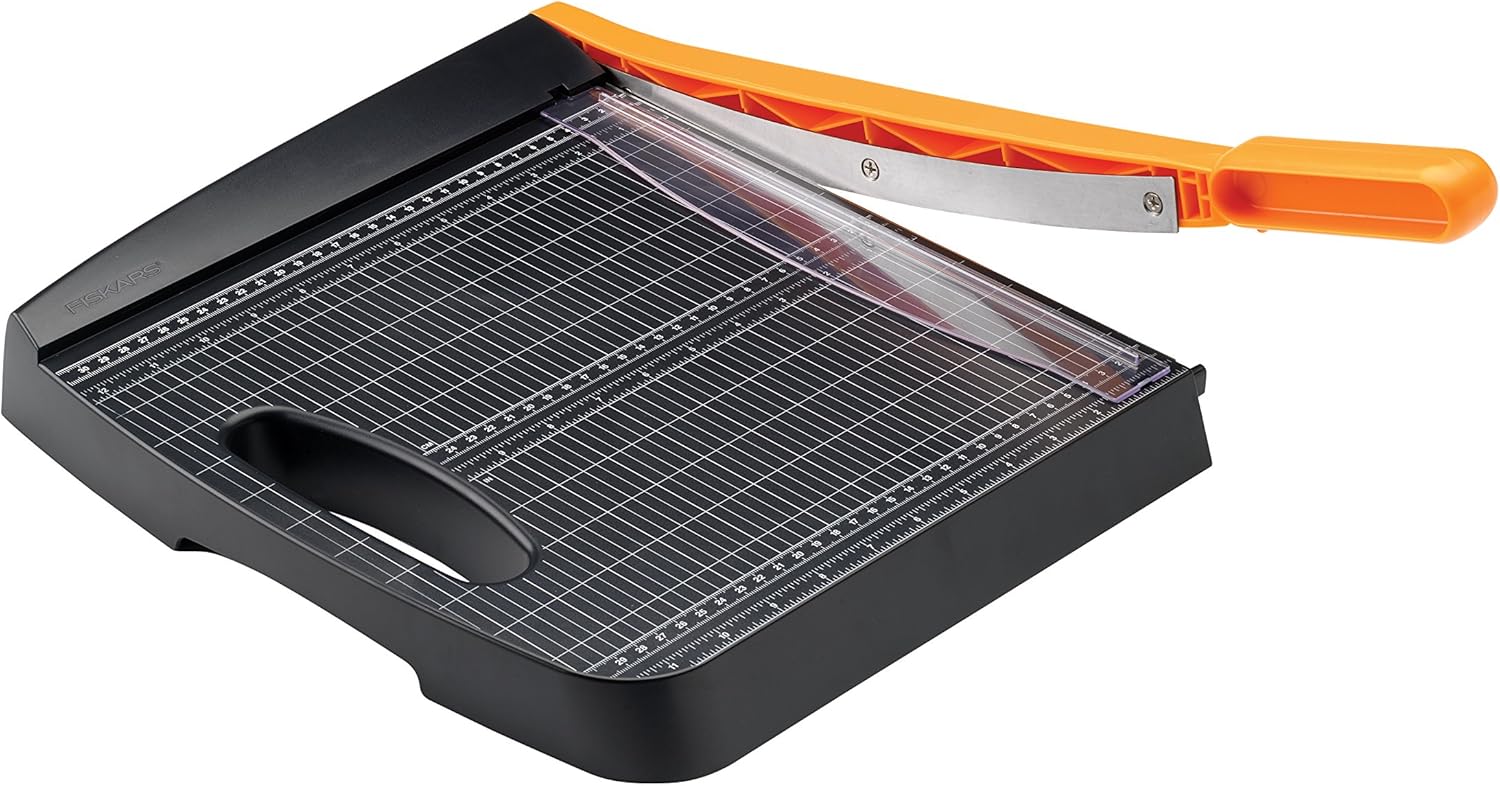
FISKARS BRANDS INC
Fiskars Recycled Bypass Paper Trimmer - 12" Cut Length - Guillotine Paper Cutter with Self-Sharpening Blade - Black
See current price

Klever Innovations
Klever Innovations Cutter Stainless Steel Package Opener, Safety Utility Cutter Assorted Colors 5 pcs, KLEVER - 5/PACK MIX
See current price

Panasonic
Panasonic Replacement Blade Set for 5-blade ES9036 (Compatible ES9034 ES9032)
See current price


Popular brands in Cutting & Measuring Devices
Cutting and measuring devices help turn paper, cardstock, fabric, photos, and craft materials into accurate, usable formats. The right tool depends on the material, the size of the work area, the level of precision required, and whether the device will be used occasionally or throughout the day.
This K-Catalog category brings together options for classrooms, offices, studios, and home workspaces. Compare specifications and features before clicking through to Amazon to check current availability and purchase details.
How to choose a cutting or measuring device
Start with the material and task. Lightweight paper may only require scissors or a compact trimmer, while thick cardstock, repeated cuts, or large sheets may call for a sturdier device with a broader cutting surface. For measuring, consider whether you need a simple straightedge, a clearly marked scale, or a tool designed to guide accurate layouts.
Also consider where the device will be stored and used. A compact tool suits a small desk or shared supply cabinet, while a larger cutter may be more convenient for batch work if there is enough room to operate and store it safely.
Key questions to ask include:
- What materials will the tool cut or measure?
- Is the work occasional, detailed, or repetitive?
- Do you need portability or a stable desktop setup?
- Will children or multiple users have access to it?
- Are replacement blades, guards, or other compatible parts important?
Common types and uses
Cutting and measuring products can vary widely in design. Scissors are flexible for general paper work and detail cutting, while craft knives and precision cutters are useful for controlled cuts, templates, and intricate shapes. These tools require careful handling and an appropriate cutting surface.
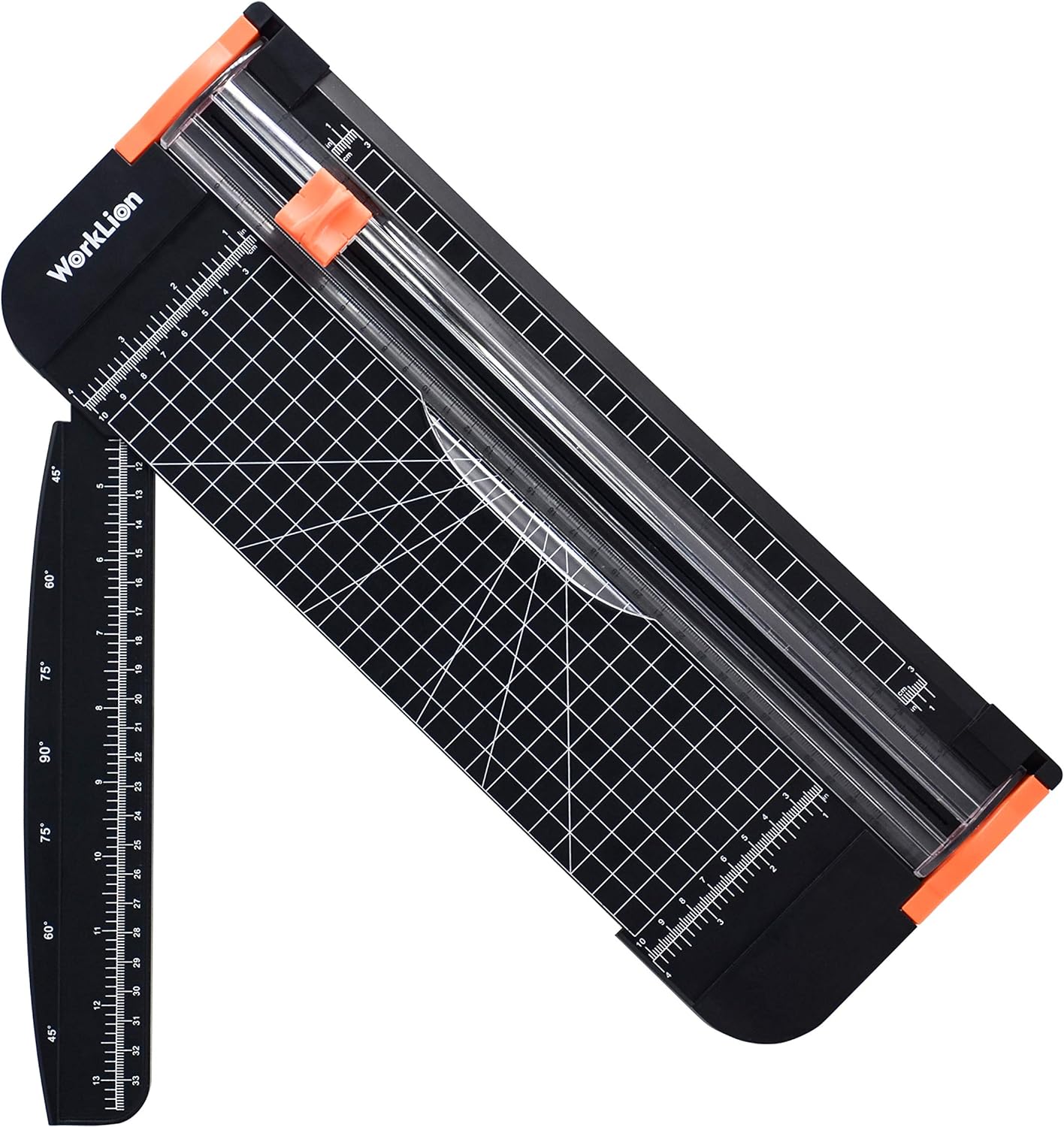
Paper trimmers and guillotine-style cutters can help produce straight edges across multiple sheets or larger pieces. Look for a stable base, a clearly defined cutting path, and safety features that help keep fingers away from the blade. Rotary cutters may suit projects involving fabric or other materials, but the blade and surface should match the intended use.
Rulers, measuring guides, and layout tools support accurate marking before cutting. Transparent construction, easy-to-read graduations, and a scale suited to your project can make positioning simpler. When your workflow involves both preparing pages and organizing finished materials, browse Paper alongside this category.
Features and specifications to compare
The most useful specifications depend on the device type, but several details deserve attention:
- Cutting capacity: Check the material thickness and sheet capacity where listed. A tool intended for light paper may not suit dense cardstock or layered materials.
- Cut length and work surface: A longer guide or larger base can support bigger documents, while a compact design is easier to store.
- Blade design: Look for information about blade type, sharpness, replacement options, and whether the blade is enclosed or guarded.
- Measurement markings: Compare the units, graduations, contrast, and visibility of printed scales.
- Stability and control: Non-slip feet, a firm base, clamps, pressure bars, or alignment guides can help keep materials in position.
- Portability: Folding components, lighter construction, or a compact footprint may matter for classrooms, mobile workstations, and shared offices.
- Construction materials: Metal components may be useful for demanding work, while lighter materials can make everyday tools easier to handle.
Do not overlook compatibility with the materials and accessories already in your workspace. A cutter may need a particular replacement blade or cutting mat, and a measuring tool should be long enough for the documents or layouts you commonly handle.
Brands represented in the catalog
The catalog includes cutting and measuring products from Westcott, Uncommon Desks, X-Acto, Carl, Fiskars, Swingline, BULMAN, Dahle, Amazon Basics, Firbon, Honoson, and Universal. Comparing products across these brands can help shoppers evaluate differences in construction, cutting style, safety features, dimensions, and intended use without treating any brand as a recommendation.
For a broader workspace setup, related categories such as Desk Accessories & Workspace Organizers and Writing & Correction Supplies may help complete a school or office station. Labels, Indexes & Stamps can also support document organization after materials have been cut and prepared.
Safe and accurate use
Use every cutting device on a suitable surface and follow the manufacturer’s instructions. Keep blades closed, locked, or retracted when the tool is not in use, and store sharp tools away from unsupervised children. Replace damaged blades and avoid forcing a cutter through material beyond its stated capacity.
For cleaner results, secure the material, align it against the guide, and make sure the measurement scale is read from the correct starting point. Keep the work area clear so the tool can be operated without awkward hand positions or unexpected movement.
Frequently asked questions
What is the difference between a trimmer and a guillotine cutter?
A trimmer commonly uses a sliding or guided blade for controlled cuts, while a guillotine-style cutter uses a hinged blade arm. The better choice depends on the material, cutting capacity, workspace, and preferred safety features.
Are cutting and measuring devices suitable for children?
Some basic tools may be appropriate with age-appropriate supervision, but sharp blades require particular care. Check the manufacturer’s safety guidance and keep advanced cutting tools secured when not in use.
How do I choose the right size?
Match the cutting length, base area, or ruler length to the largest materials you handle regularly. A larger tool may improve alignment, but a compact option can be easier to store and carry.
Should I compare replacement parts?
Yes. For tools with blades, mats, or other consumable components, check whether compatible replacements are available and how they are installed before choosing a device.
What else should I use with a cutting device?
A stable work surface and suitable measuring or alignment tool can improve results. Depending on the project, you may also need compatible paper, a cutting mat, labels, or writing supplies.