

Writing & Correction Supplies
Compare pens, pencils, markers, highlighters, erasers, and correction tools by writing style, tip, ink, and intended use. Find practical options for school, office, planning, and creative work.
10,398 products in catalog
10,398 results
Filters


Paper Mate
Paper Mate Flair Felt Tip Pens, Medium Point (0.7mm), Assorted Colors, 12 Count
See current price


Ticonderoga
Ticonderoga Wood-Cased Pencils, Pre-Sharpened, 2 HB Soft, Yellow, 30 Count
See current price


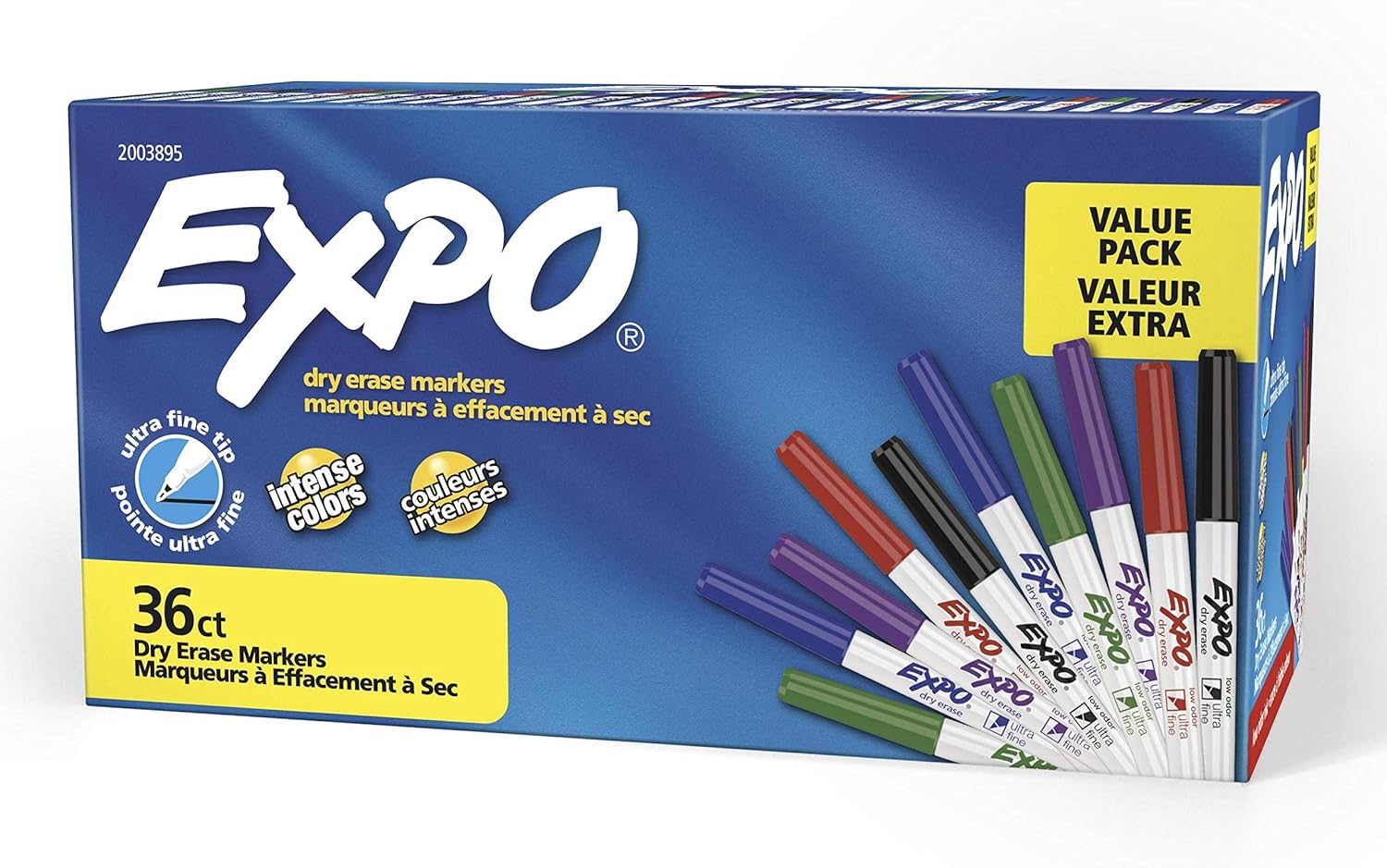

Ticonderoga
Ticonderoga Wood-Cased Pencils, Unsharpened, 2 HB Soft, Yellow, 24 Count
See current price
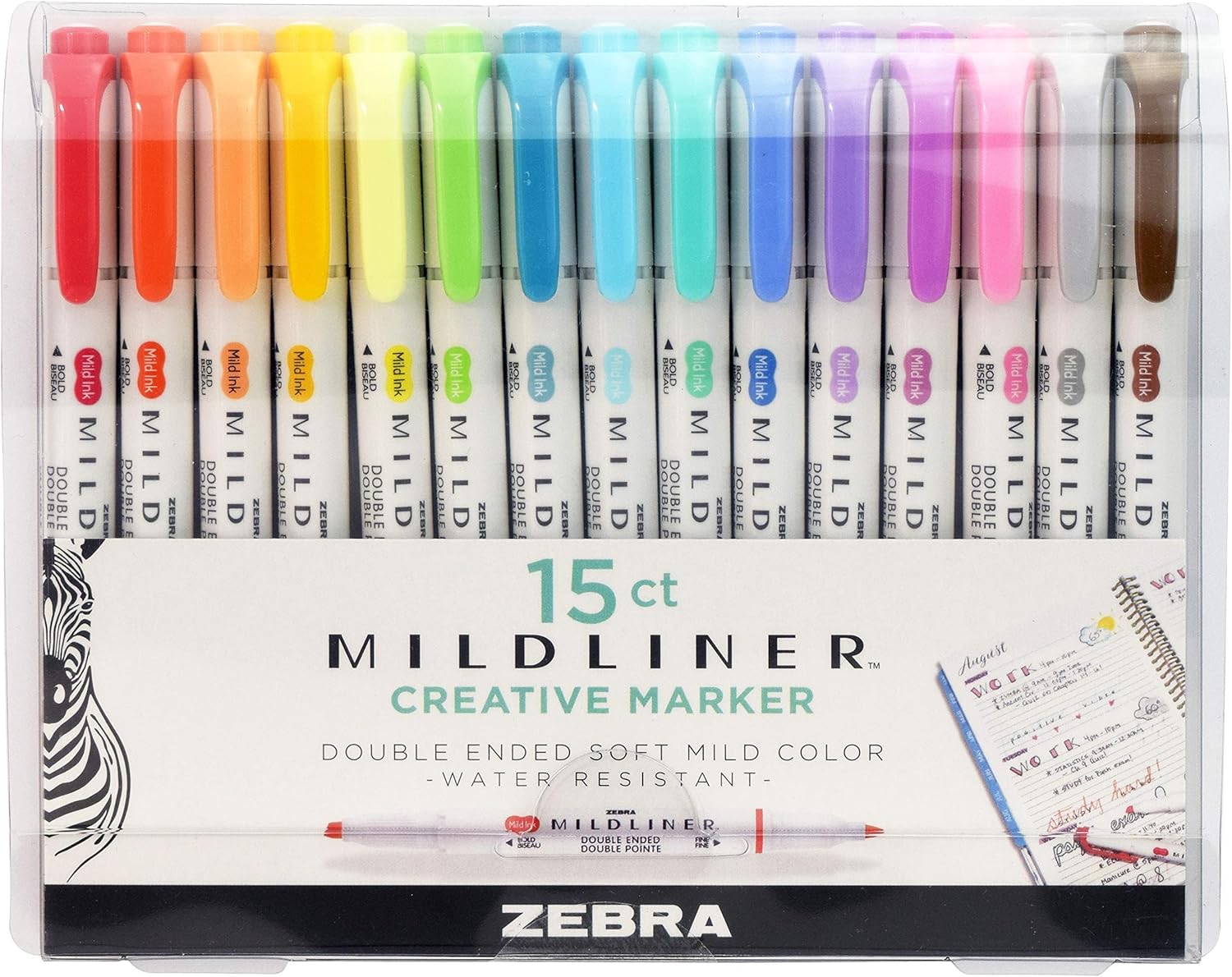

Sharpie
SHARPIE Pocket Style Highlighters, Chisel Tip, Assorted Fluorescent, 12 Count
See current price


Zebra Pen
Zebra Pen Z-Grip Retractable Ballpoint Pen, Medium Point, 1.0mm, Blue Ink, 24 Pack (Packaging may vary)
See current price

Pilot
Pilot, FriXion Clicker Erasable Gel Pens, Fine Point 0.7 mm, Pack of 15, Assorted Colors
See current price


Popular brands in Writing & Correction Supplies
Writing and correction supplies cover the everyday tools used to draft notes, complete forms, mark documents, organize ideas, and fix mistakes. The right choice depends on more than color: tip control, ink behavior, comfort, erasability, and the surface you plan to use all affect the result.
This K-Catalog selection includes products for handwriting, technical work, highlighting, lettering, studying, and general office use. Compare specifications and features before selecting supplies that match your routine, whether you are stocking a desk, preparing a classroom, or building a personal stationery set.
How to choose writing and correction supplies
Start with the task rather than the product name. A pen for quick notes may need smooth, dependable ink and a comfortable grip, while a tool for forms or signatures may call for a more controlled line. Students and planners may prioritize color coding, erasability, or a tip that works well in small spaces.
Consider these questions before comparing individual products:
- What are you writing on? Standard paper, glossy surfaces, index cards, and specialty materials can require different ink or lead formats.
- How precise should the mark be? Fine tips help with small handwriting and detailed work; broader tips are useful for bold notes, headings, and visibility.
- Do mistakes need to be removable? Pencils, erasable pens, erasers, and correction products serve different correction needs.
- Will the item be carried regularly? A retractable design, cap, clip, or compact format may be more convenient for school bags, planners, and mobile work.
- How often will it be used? Frequent writing makes grip comfort, refill availability, and consistent performance more important.
For a broader office setup, browse Office & School Supplies alongside this category to compare related tools and materials.
Common types and what they suit
Pens are available in a range of ink styles, tip sizes, barrel shapes, and colors. Ballpoint pens are a familiar choice for general note-taking and forms. Gel pens are often selected for smooth, expressive writing and color variety. Rollerball-style pens can suit shoppers who prefer a fluid writing feel. When comparing pens, check whether the ink is described as quick-drying, archival, waterproof, erasable, or refillable, but match those features to the actual task.
Pencils are useful when marks may need to be adjusted or erased. Traditional graphite pencils suit writing, sketching, schoolwork, and drafting, while mechanical pencils offer a consistent point without sharpening. Compare lead size, hardness, refill format, grip, eraser design, and built-in storage. A narrow lead can support detail, while a broader lead may feel sturdier for everyday writing.
Markers and highlighters serve different purposes. Permanent markers are commonly chosen for bold labeling and marking compatible surfaces. Non-permanent markers may be better for temporary notes, boards, or activities where removal matters. Highlighters are intended to draw attention to text without replacing it, so color intensity, tip shape, and resistance to smearing are useful points of comparison.
Correction products include correction tape, correction fluid, and erasers. Tape can provide a dry covering that is ready for writing immediately, while fluid may be useful for covering larger or irregular marks after it dries. Erasers are suited to graphite and some specialized media, but performance varies by formulation and paper surface. Check the intended use before choosing a correction method.
Key features and specifications to compare
Tip and line width: Tip style affects precision, coverage, and writing feel. Look for fine, extra-fine, medium, broad, chisel, bullet, or brush descriptions according to the work. A chisel tip can offer both narrow and broad strokes, while a bullet tip is typically easier to control for consistent marking.
Ink, lead, and color: Compare the medium used, color selection, drying behavior, and whether the mark is designed to resist fading, water, or smearing. For multi-color sets, check the colors included rather than assuming every set has the same assortment.
Barrel and grip: A round barrel may suit some writing styles, while a shaped or cushioned grip can help with control during longer sessions. Also check whether the tool is capped, retractable, refillable, or designed to prevent rolling on a desk.
Correction performance: For correction tape or fluid, consider coverage, application width, drying requirements, and whether the surface remains suitable for writing. For erasers, compare size, shape, dust characteristics, and compatibility with the mark being removed.
Portability and storage: Clips, caps, cases, and compact sets can make supplies easier to keep in a pencil case, drawer, planner pouch, or desk organizer. If supplies will be shared, a clearly labeled set or assorted format may be more practical.
When the writing tools are chosen, pair them with suitable Paper for notes, forms, printing, sketching, or planning. Paper weight, texture, brightness, and coating can change how ink and correction products behave.
Brands represented in the catalog
The catalog includes writing and correction products from Pilot, Sharpie, Pentel, BIC, Paper Mate, Parker, Staedtler, Uni ball, Faber-Castell, STABILO, Lamy, and Zebra Pen. These brands cover a range of writing formats, drawing and marking tools, school supplies, professional stationery, and refillable instruments.
Brand names can help narrow a search, but the specific product specifications still matter. Compare tip, ink or lead type, barrel design, color, pack format, and intended surface rather than relying on the brand alone. A product from the same brand may be designed for a very different use, such as technical drawing, bold labeling, formal writing, or classroom activities.
Building a practical desk or school kit
A useful assortment often combines everyday writing tools with options for emphasis and correction. Consider keeping a dependable general-purpose pen, a pencil or mechanical pencil, an eraser, a highlighting tool, and a marker suited to the surfaces you use. Add specialty colors or lettering tools only when they support a real task.
Storage can affect convenience and product life. Keep capped markers closed when not in use, store correction products according to their instructions, and avoid leaving ink tools in conditions that may cause drying or leakage. Separate permanent markers from ordinary writing tools so they are not used accidentally on documents or surfaces where the mark cannot be removed.
For organization, browse Desk Accessories & Workspace Organizers and Labels, Indexes & Stamps. Planning-focused shoppers may also compare Calendars, Planners & Personal Organizers, while classroom and project use may pair well with Education & Crafts. For mailing documents after they are prepared, see Envelopes, Mailers & Shipping Supplies.
Frequently asked questions
What is the difference between a pen and a pencil?
A pen generally produces ink marks, while a pencil uses graphite or another marking medium that can often be erased. Choose based on permanence, writing feel, and whether corrections are expected.
Which writing tool is best for small handwriting?
A fine or extra-fine tip is usually easier to control in small spaces. Check the stated tip size and try to match it with the paper and writing style involved.
Should I choose correction tape or correction fluid?
Correction tape is convenient when you want a dry surface immediately. Correction fluid can cover some larger or irregular marks but may require drying time before writing over it.
Are all markers permanent?
No. Marker permanence depends on the ink formulation and intended surface. Read the product description for information about removability, water resistance, and compatible materials.
What should I compare in a mechanical pencil?
Look at lead size, lead hardness, advancement mechanism, grip, eraser, clip, and refill compatibility. The best combination depends on whether the pencil is for writing, drafting, drawing, or schoolwork.
How can I avoid ink smearing?
Choose a quick-drying option when available, allow marks time to set, and consider how absorbent or coated the paper is. Smearing can also depend on the ink type and the writing tool used alongside it.